 Free shipping on orders over £29,85
 Shipping Tracking!



 Google
 Facebook
Deep Wood Penetration for Sealing with Epoxy Resin
← Back to Waterproofing for microcracks in motorhomes
Quick answer
Deep wood penetration for sealing is a restoration method that uses ultra-low-viscosity epoxy resin to soak into dry wood fibres, filling fine voids below the surface and curing into a waterproof, reinforced structure. It is used on external wood, boat hulls, and timber sections in motorhomes where surface-only treatments would leave microcracks open to moisture. The cured resin bonds with the wood rather than sitting on top, which helps stabilise weakened areas before overcoating or painting.
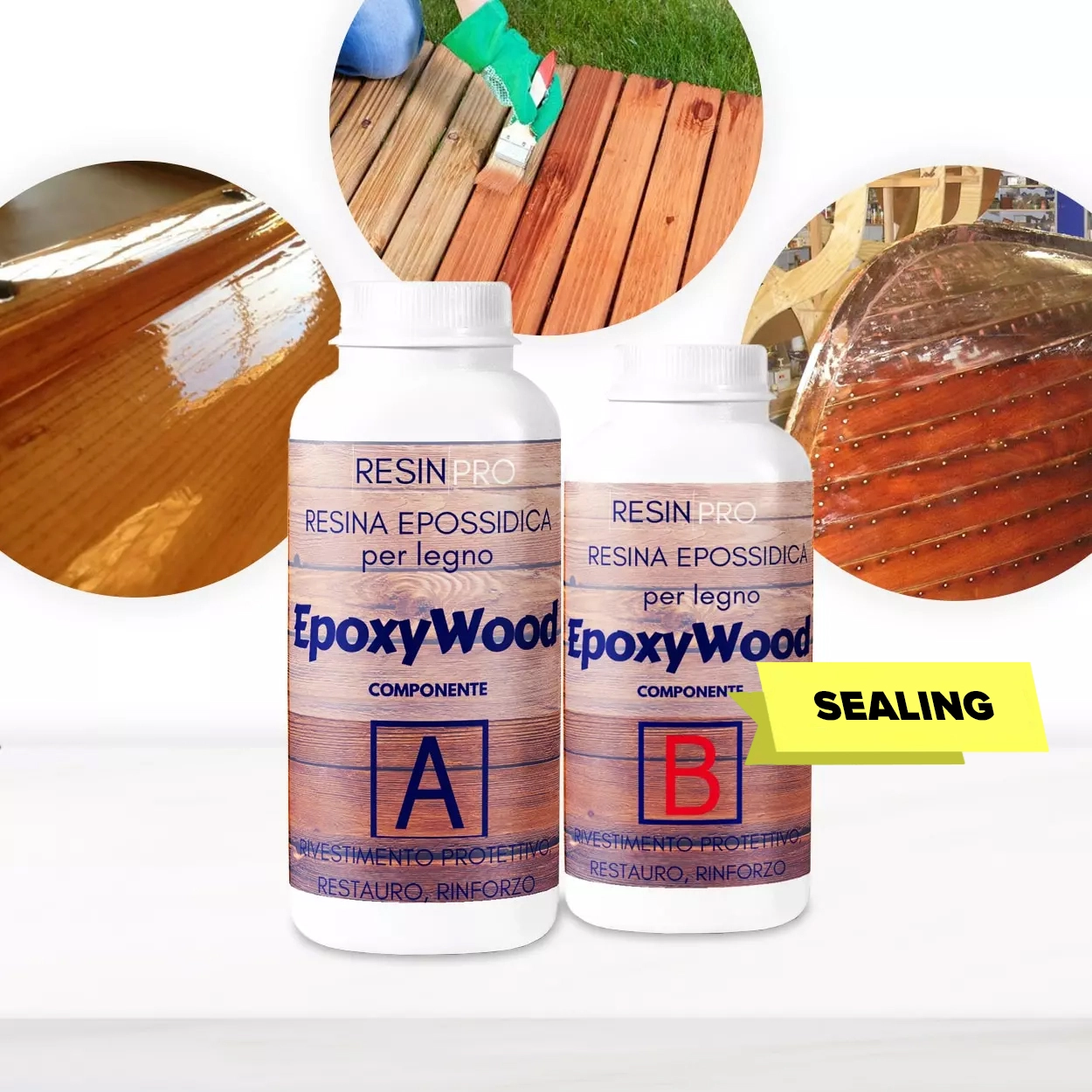
For motorhome owners, this approach is particularly useful when hairline cracks run along interior plywood or external timber trim. Instead of repeatedly filling the surface, a penetrating sealer gets into the grain where water would otherwise sit.
Why Surface Sealing Is Not Enough for Porous Wood
Wood is naturally porous, and ordinary fillers or paints often sit on the surface. Moisture can still move through microscopic channels, especially around microcracks and screw holes. A low-viscosity resin such as EpoxyWood is designed to flow into those pores before it hardens, creating a barrier below the visible surface.
- Penetrates beyond the sanded face
- Reinforces weakened timber fibres
- Reduces the chance of trapped moisture under a topcoat
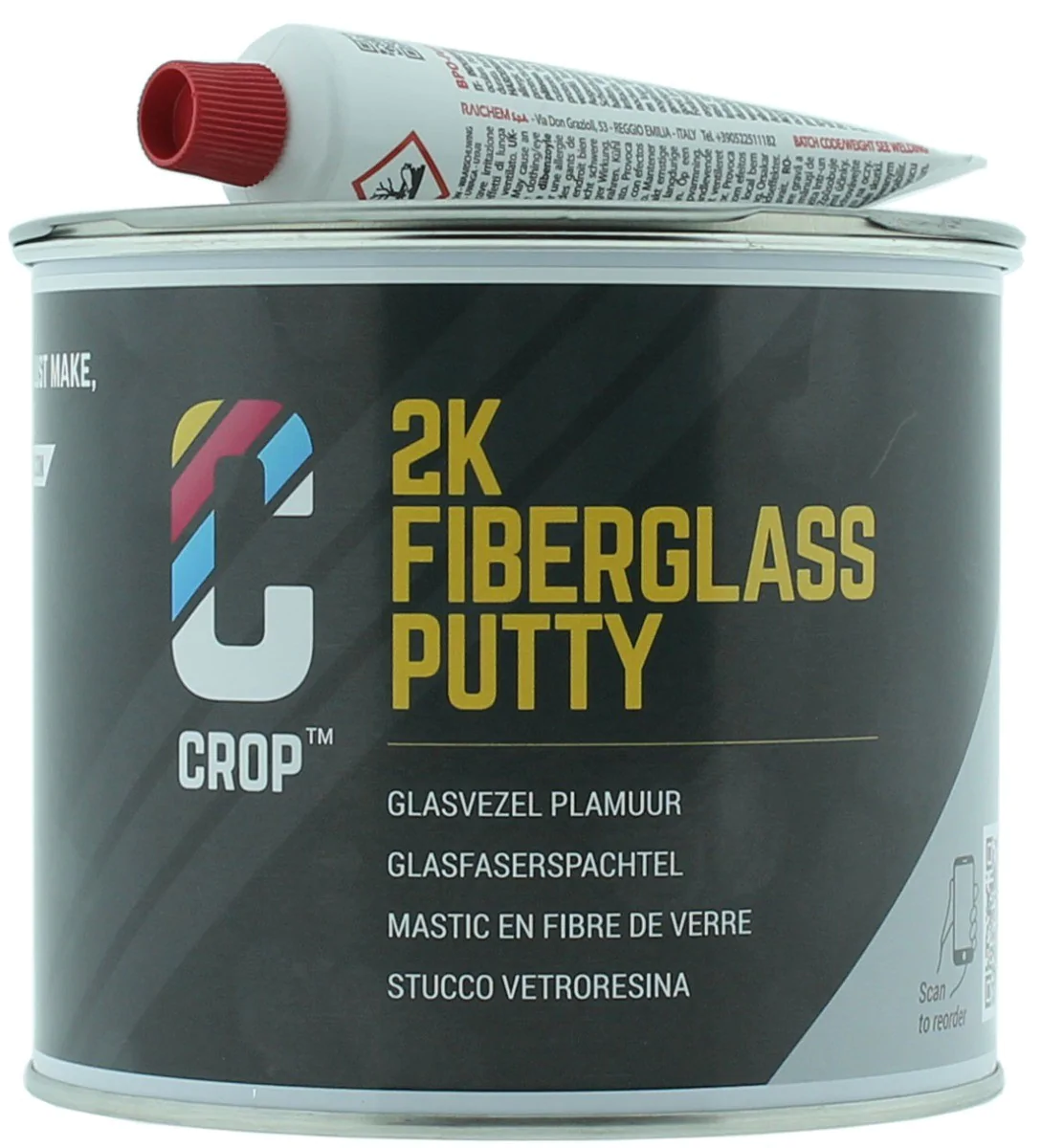
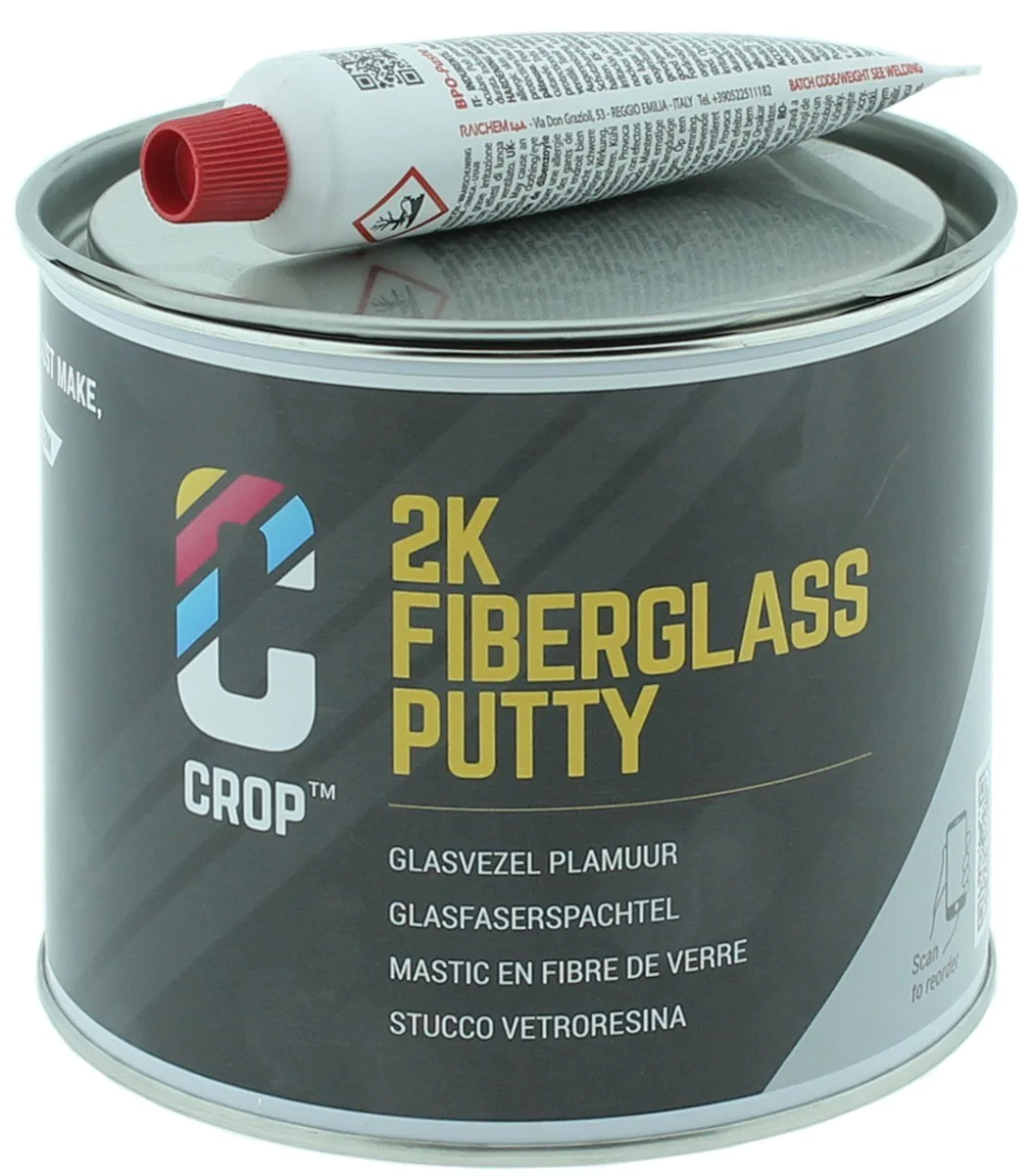
Preparing Wood for a Deep Penetration Seal
Dry, clean timber gives the best result. Remove loose paint, dust, and any oily residue, then sand the area so the resin can enter the grain. The wood should be as dry as possible; applying penetrating epoxy to damp wood can interfere with curing and adhesion.
Work in thin applications if needed, and allow the resin to soak before it begins to set. This helps fill deeper voids without leaving thick, brittle layers on top.
When This Matters for Motorhome Microcracks
Motorhome timber panels and plywood floors can develop microcracks around fittings, edges, or previous repair points. A deep-penetrating seal helps address the root of the problem rather than masking the surface. It is especially relevant when the area will later be painted or covered, because a stable, waterproof base prevents hidden deterioration.

Related products
Related guides
Deep wood penetration is often one part of a broader motorhome waterproofing strategy. For a wider look at sealing microcracks across different surfaces, see our guide to waterproofing for microcracks in motorhomes.