 Free shipping on orders over £29,85
 Shipping Tracking!



 Google
 Facebook
Decorative Resin Coatings vs Mastics: What’s the Difference?
← Back to Elastomeric Roof Membrane
Quick answer
Decorative resin coatings are waterproof, textured finishing systems intended mainly for interior vertical surfaces, while mastics are dense, gap-filling compounds formulated for mechanical bonding and repair work. The difference comes down to consistency and purpose: a decorative coating is spread thinly to create a washable surface film, whereas a mastic stays workable enough to fill voids and join materials, often in exterior conditions. Choosing the correct resin type prevents finish failure and weak repairs.
Both sit within resin-based systems, but application behaviour and final performance are quite different. If you are working on an elastomeric roof membrane detail, the choice between a flexible decorative film and a bonding mastic affects preparation, adhesion, and long-term durability.
Core differences in formulation and use
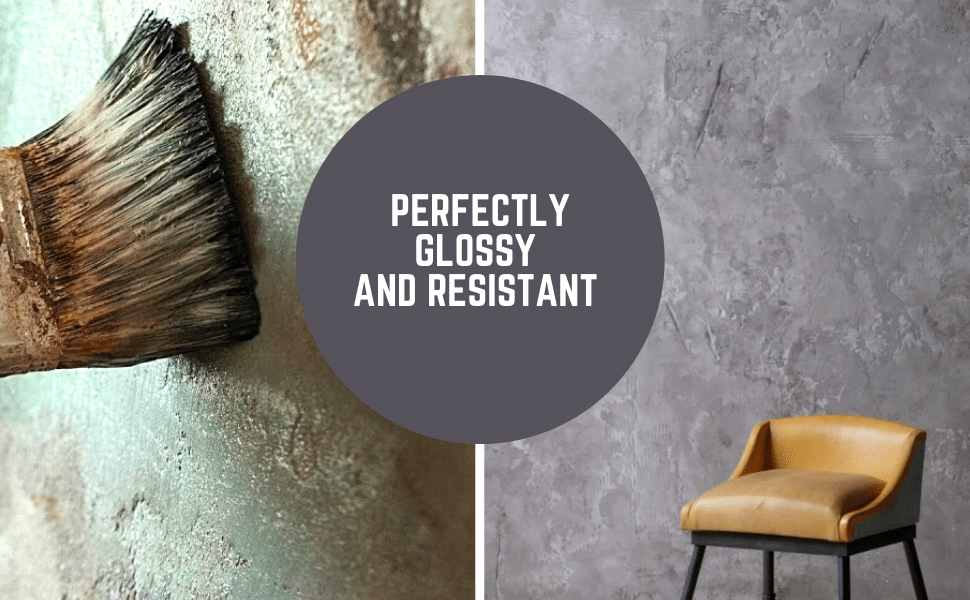
Decorative resin coatings are designed to hold texture and detail on vertical or sloping surfaces. They generally do not self-level, which allows them to preserve patterns and provide a continuous, washable finish. Mastics are substantially thicker and have thixotropic characteristics, so they stay in place on vertical surfaces and can fill gaps without sagging.
- Decorative coatings: waterproof, washable and texture-retaining on interior vertical surfaces
- Mastics: gap-filling, strong mechanical bonding and weather resistance for repair or exterior work

Choosing the right product for the job
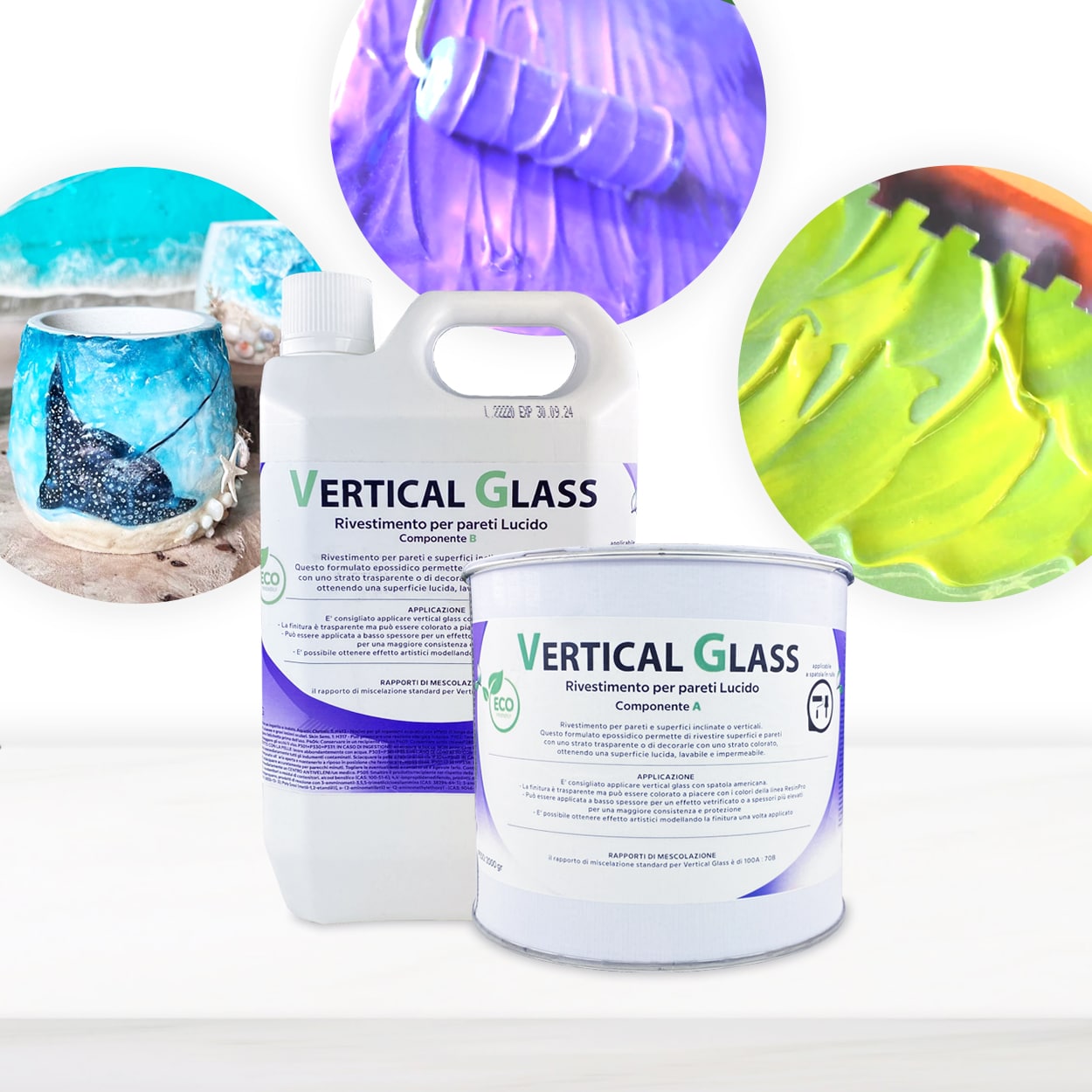
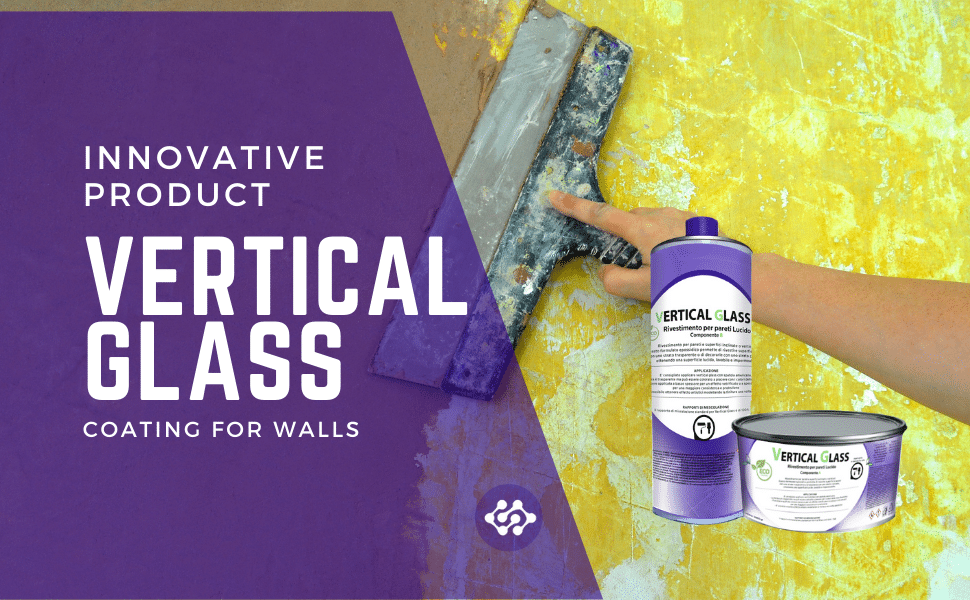
For a decorative wall finish, a product such as Vertical Glass thick resin wall coating is formulated for vertical and sloping interior surfaces. It can be tinted and applied with a spatula to preserve the effect you create. For bonding stone, metal or cement, Magelstick epoxy mastic provides the mechanical strength needed in restoration and repair. It uses a 100:50 mixing ratio and should be applied above 10°C.
When this matters
The distinction becomes critical when one project includes both surface finishing and structural repair. A decorative coating is not intended to bridge large gaps or act as a heavy adhesive, and a mastic will not spread evenly enough to create a smooth decorative wall finish. Consider whether the task is protective coating, gap filling, or bonding, and choose based on substrate orientation and exposure.

Related products
Related guides
In elastomeric roof membrane work, matching the resin system to the task helps avoid weak repairs and uneven finishes. Mastics are best kept for bonding and filling at repair points, while decorative resin coatings deliver consistent protection on vertical surfaces. For further guidance on system selection, visit the elastomeric roof membrane guide.