 Free shipping on orders over £29,85
 Shipping Tracking!



 Google
 Facebook
Methacrylic vs Polyurethane Coatings: Key Differences
← Back to Thermal Reflective Waterproofing for Motorhomes
Quick answer
Methacrylic and polyurethane coatings are protective resin systems with different strengths. Methacrylic products such as Resinstone are designed for absorbent concrete and allow the surface to breathe while blocking moisture. Polyurethane coatings such as Prolux are formulated to resist abrasion, handle foot traffic and provide a versatile finish on multiple substrates. The right choice depends on the surface type, expected wear and whether breathability is required.
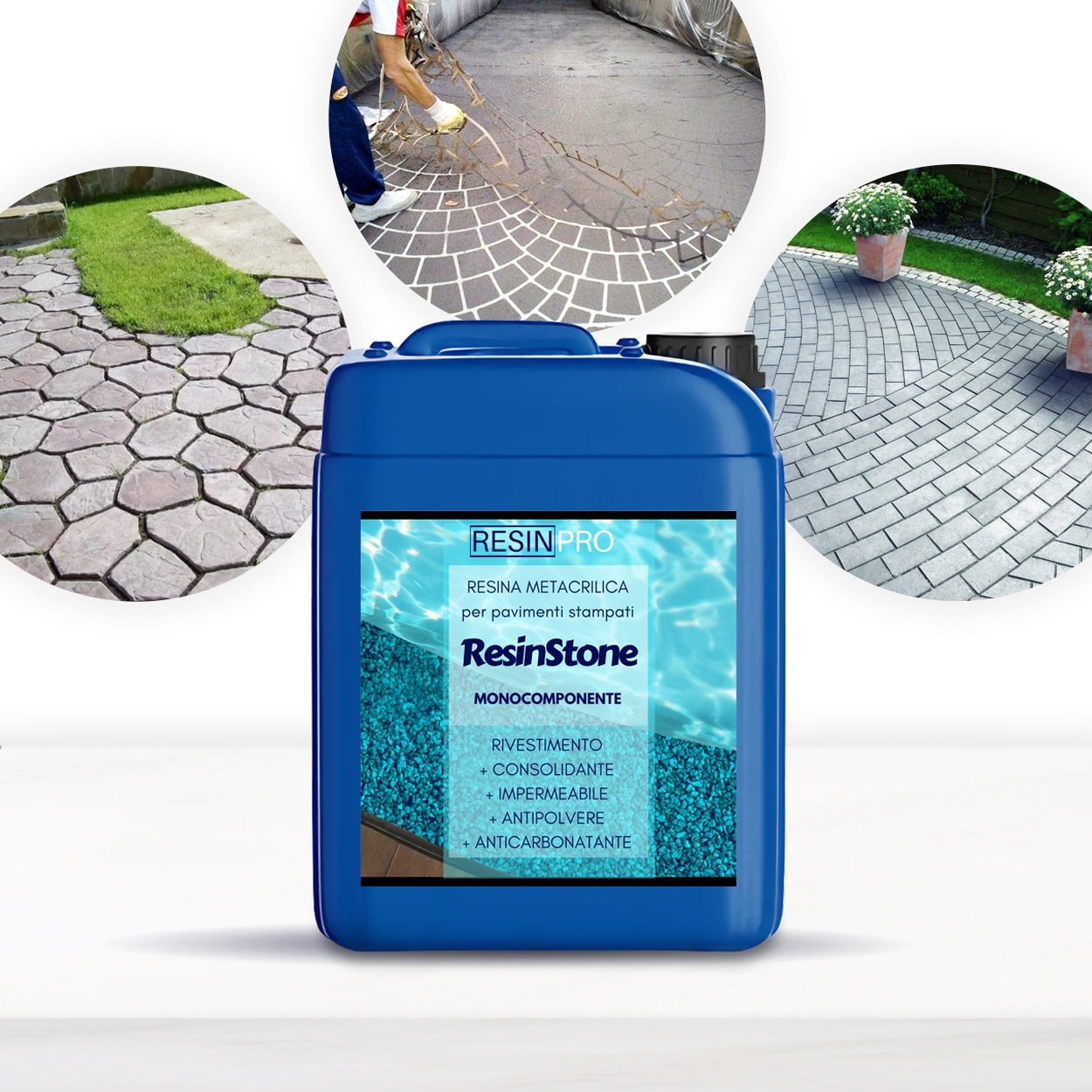
If you are sealing a concrete floor or driveway, the breathability of a methacrylic product can help avoid trapped moisture. For areas that see regular foot traffic, a tougher polyurethane coating tends to be the more practical route. Below we look at how each type behaves and where it fits.
Methacrylic coatings: breathable concrete protection
Methacrylic resins are typically used on absorbent substrates such as concrete. A product like Resinstone penetrates into the surface, seals pores and reduces moisture ingress while still allowing the material to breathe. That makes it useful for driveways, garages and external concrete paths where trapped water could cause problems.
They are not usually the right choice for loose gravel or non-absorbent surfaces. For best results, the substrate should be clean and suitably prepared.
Polyurethane coatings: traffic-ready finishes
Polyurethane systems are generally tougher under foot traffic and mechanical wear. Prolux, for example, is a two-component aliphatic coating designed for floors, tiles, concrete, plastic and prepared metal. It offers UV and abrasion resistance, and it can be applied to driveable surfaces when correctly primed.
There are also softer polyurethane options. Heat Pro is an elastic coating suited to small resin projects rather than large floor areas. It absorbs impacts and scratches, but it is not the best fit for surfaces over 0.5 m².
Choosing between the two for motorhome and exterior work
For a motorhome-related surface, start by identifying the substrate. Concrete or masonry areas that need waterproofing without trapping vapour often lean towards a methacrylic coating. Floors, step areas or panels that need a tougher, weather-resistant skin tend to suit a polyurethane finish.
When this matters: if the area is exposed to rain and foot traffic, a polyurethane coating may offer more abrasion resistance. If the priority is sealing porous concrete while keeping it breathable, methacrylic is usually the more appropriate option.
Related products
Related guides
Both systems have a place, and the decision comes down to the substrate and the level of wear it will see. For more context on how these coatings fit into broader waterproofing work, see our guide to thermal reflective waterproofing for motorhomes.