 Free shipping on orders over £29,85
 Shipping Tracking!



 Google
 Facebook
Putty vs Repair Kit vs Epoxy for Motorhome Waterproofing
← Back to Waterproofing for microcracks in motorhomes
Quick answer
Fibreglass putty, resin repair kits, and wood epoxy are three different waterproofing approaches for motorhomes. Putty is a filler for cracks on solid surfaces, creating a sandable layer. A resin repair kit combines polyester resin with fibreglass mat for structural patching and reinforcement. Wood epoxy is a low-viscosity resin that penetrates porous timber, sealing and strengthening it from within. Choosing the right product depends on whether the damaged area is a surface crack, a structural gap, or a wood section.

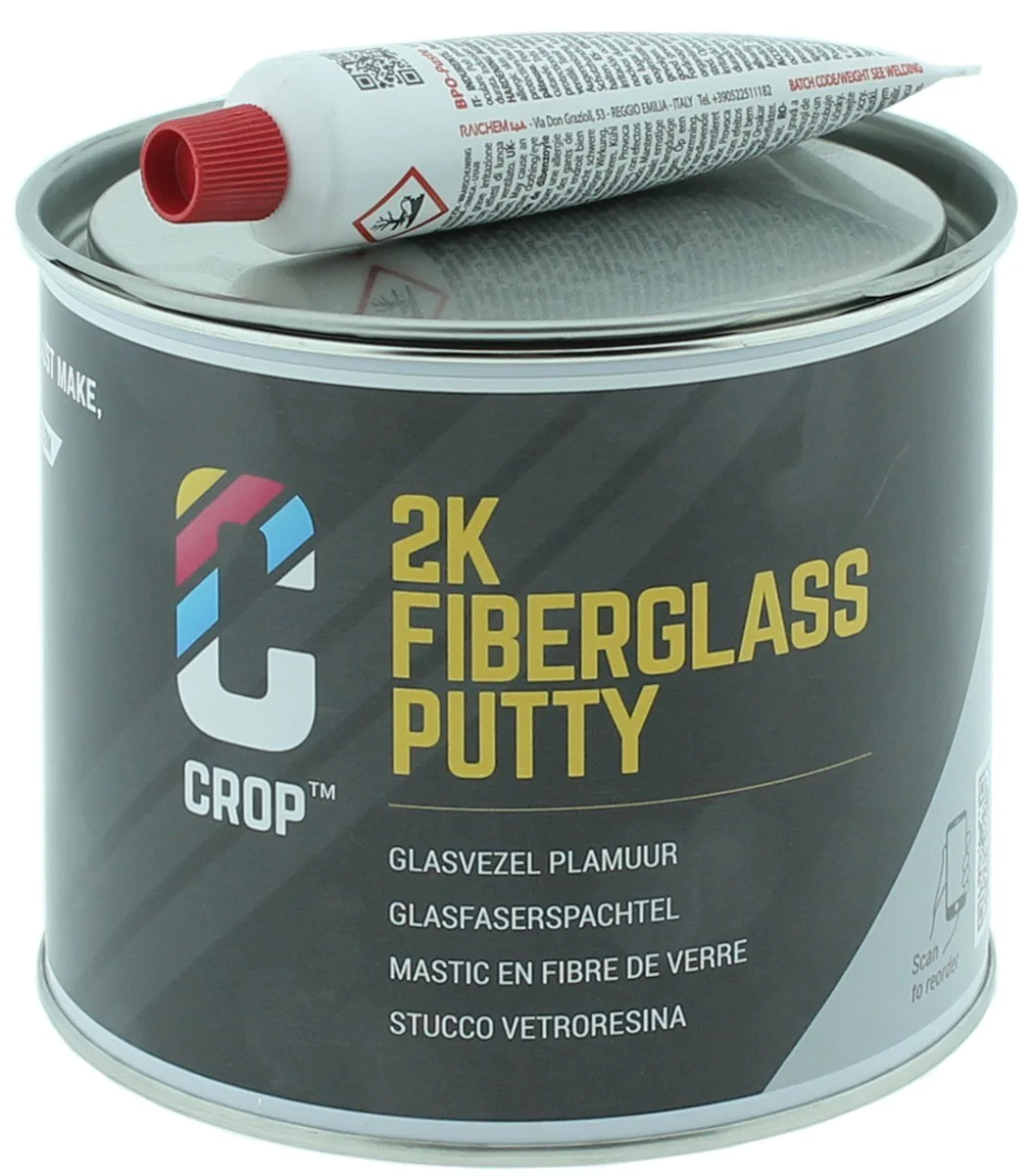
On a motorhome, the right choice depends on where the crack appears and how much load or moisture the area sees. The sections below explain the practical differences and help you match the repair material to the surface.
What each product does differently
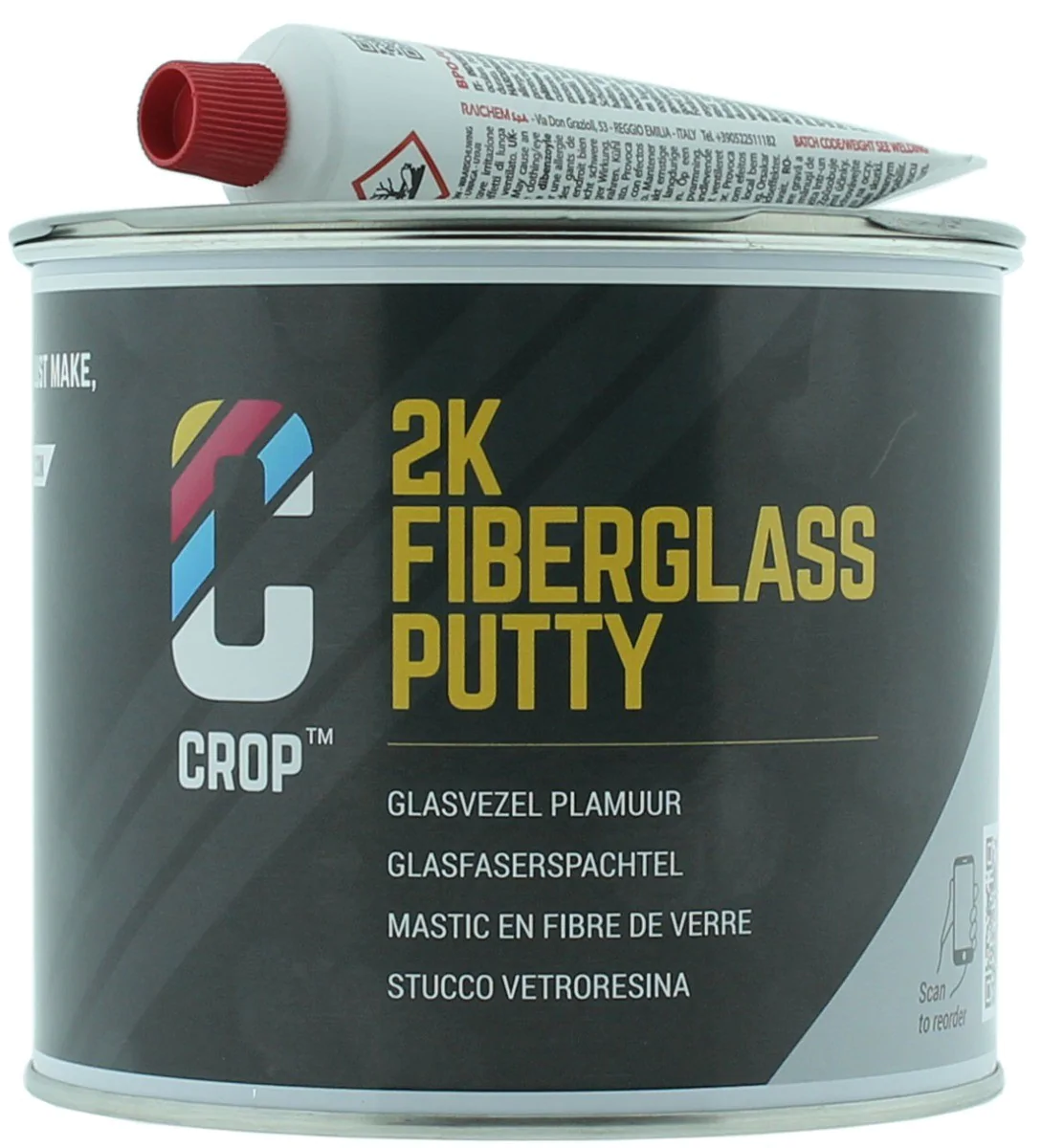
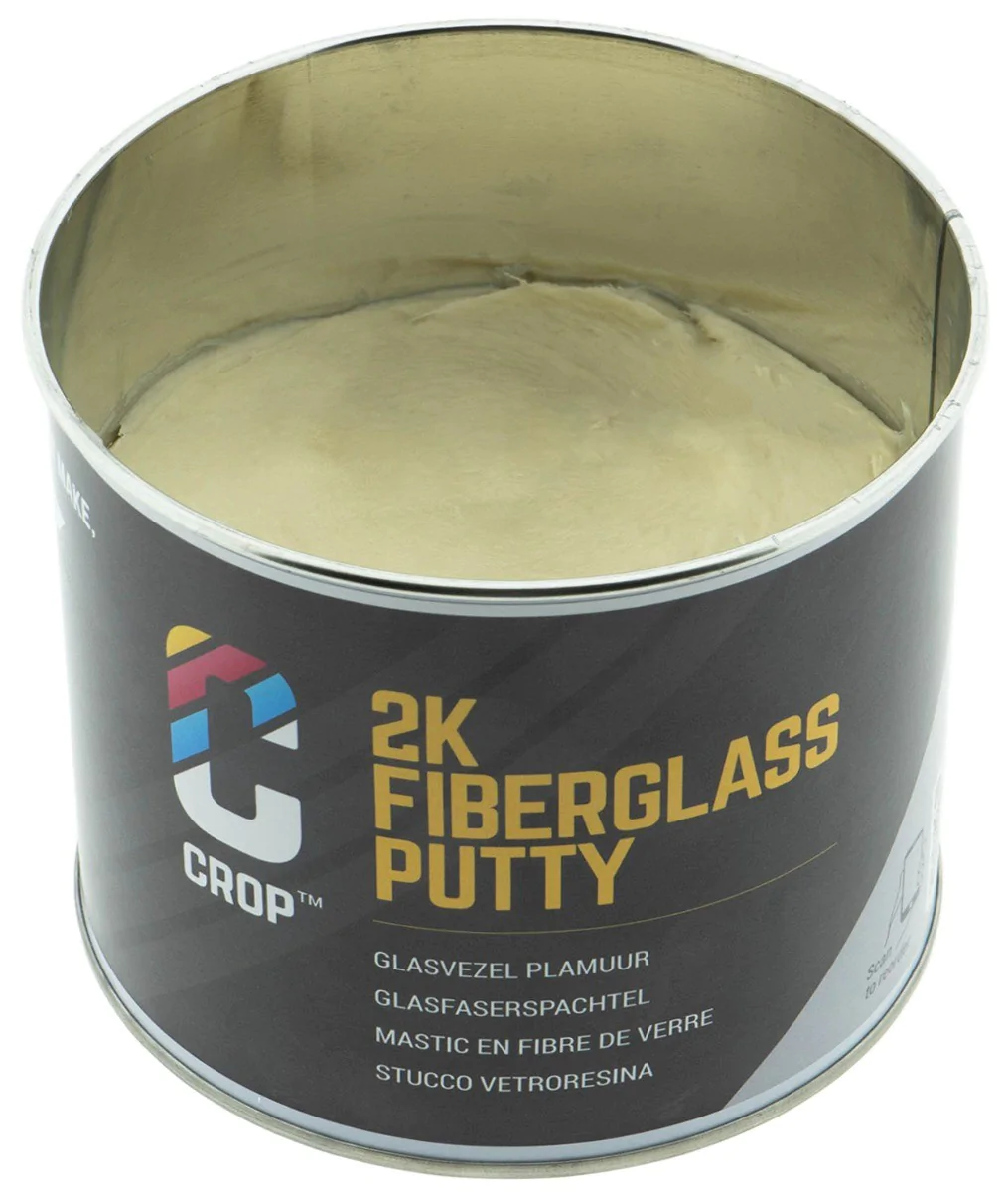
Fibreglass putty such as CROP 2K Fiberglass Putty is a two-component polyester filler reinforced with glass fibres. It fills cracks, dents, holes and deep cavities on solid surfaces such as metal, aluminium, plastics and painted panels. Once cured, it can be sanded smooth before priming and painting.
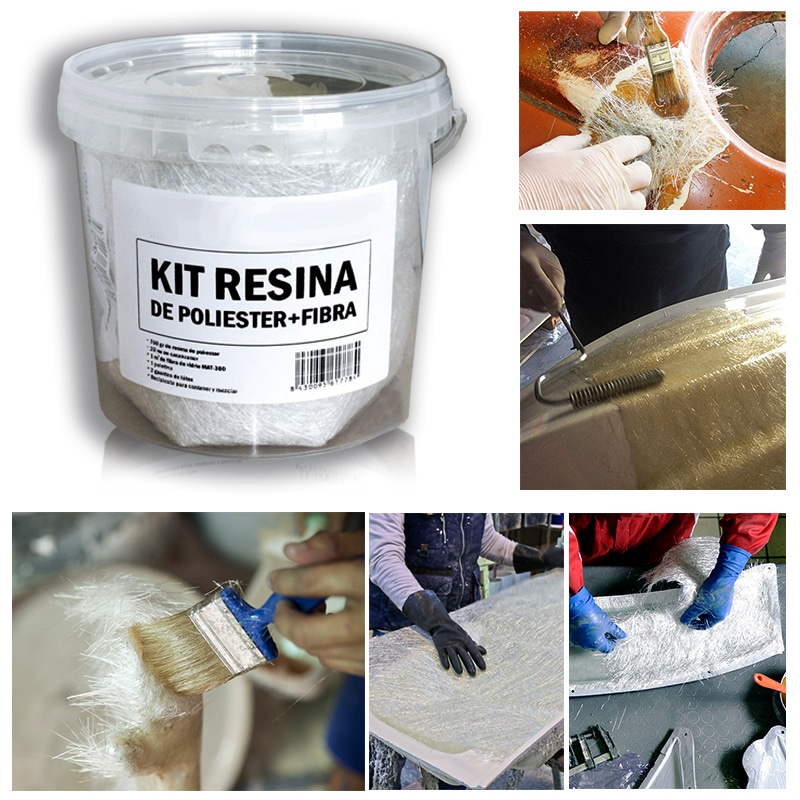
A resin repair kit works differently. It pairs liquid polyester resin with a fibreglass mat, so it builds up a waterproof structural patch rather than simply filling a gap. This makes it useful for damaged areas that need extra reinforcement.
Wood epoxy is designed for porous timber. Its low-viscosity formula penetrates wood pores, reinforcing the material from within and creating a waterproof surface. It is often used on dry wooden sections rather than on gelcoat or metal panels.
Choosing the right waterproofing approach
Think about the type of damage and the backing material. If the crack is in a solid, non-porous surface and mainly needs filling plus a smooth finish, a fibreglass putty is usually the simpler option.
- Surface cracks and small holes: use fibreglass putty, especially on painted or metal areas.
- Thin, damaged or structural areas: use a resin and fibreglass repair kit with mat reinforcement.
- Porous or degraded wood: use a penetrating wood epoxy, provided the timber is dry before application.
For motorhome microcracks, the location matters more than the product name. A hairline crack in a solid panel is different from a cracked wooden interior frame or a split that requires bridging reinforcement.
When this matters
Motorhome repairs often sit at the boundary between filling and reinforcing. A simple filler can hide a crack, but if the area flexes or carries weight, it may crack again. A repair kit with fibreglass mat spreads load across a wider area. If water has already reached a timber frame, a penetrating epoxy can stabilise the wood and help prevent further moisture uptake.
Preparing the surface properly remains important. Remove loose material, sand where needed, and ensure the area is clean and dry before applying any of these systems. Follow the mixing ratios and curing times on the product you select.
Related products
Related guides
Choosing between putty, a repair kit, and wood epoxy comes down to the substrate and the extent of the damage. For broader waterproofing advice on motorhome microcracks, return to the main guide on waterproofing microcracks in motorhomes.