 Free shipping on orders over £29.85
 Shipping Tracking!



 Google
 Facebook
Fibreglass Repair Kits vs Epoxy Putty: What’s the Difference?
Quick answer
Fibreglass repair kits and epoxy putties serve different purposes in camper repair. A fibreglass kit reinforces structure and waterproofs larger areas, typically using a resin, hardener and fibreglass mat. An epoxy putty is better suited to precision filling in cracks, holes and small defects where controlled application and fine finishing are required. The right choice depends on damage size and whether the repair needs broad structural support or localised filling. Both can produce durable results when matched to the repair task.

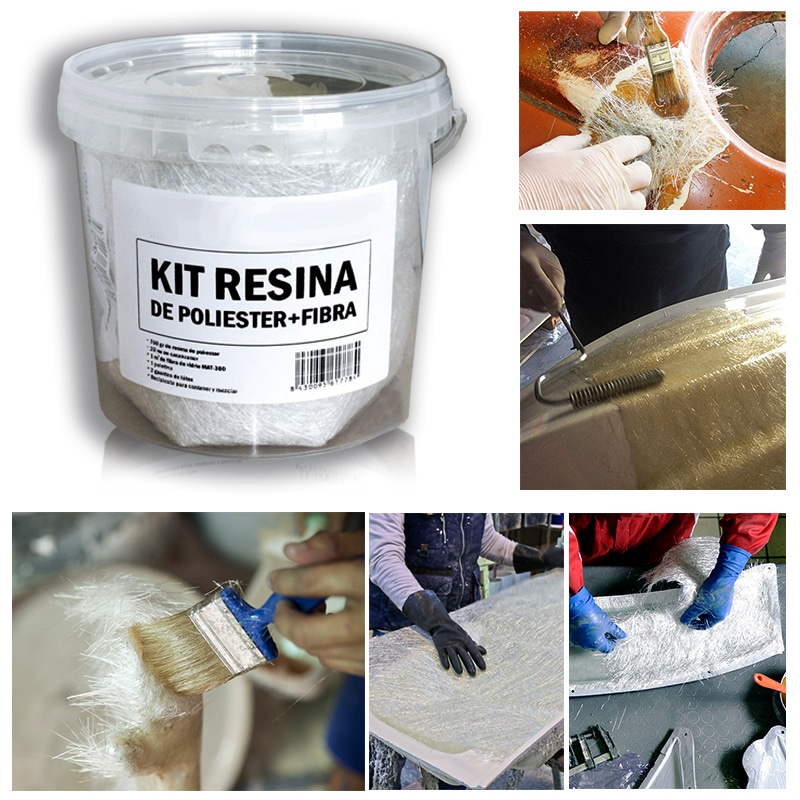
For camper owners, the practical difference often shows up in how the repair is shaped. A large split or weakened panel usually needs reinforcement, while a narrow crack or screw hole is quicker to fill and fair with a putty. The sections below show where each approach works best.
Fibreglass Repair Kits: Structural Reinforcement
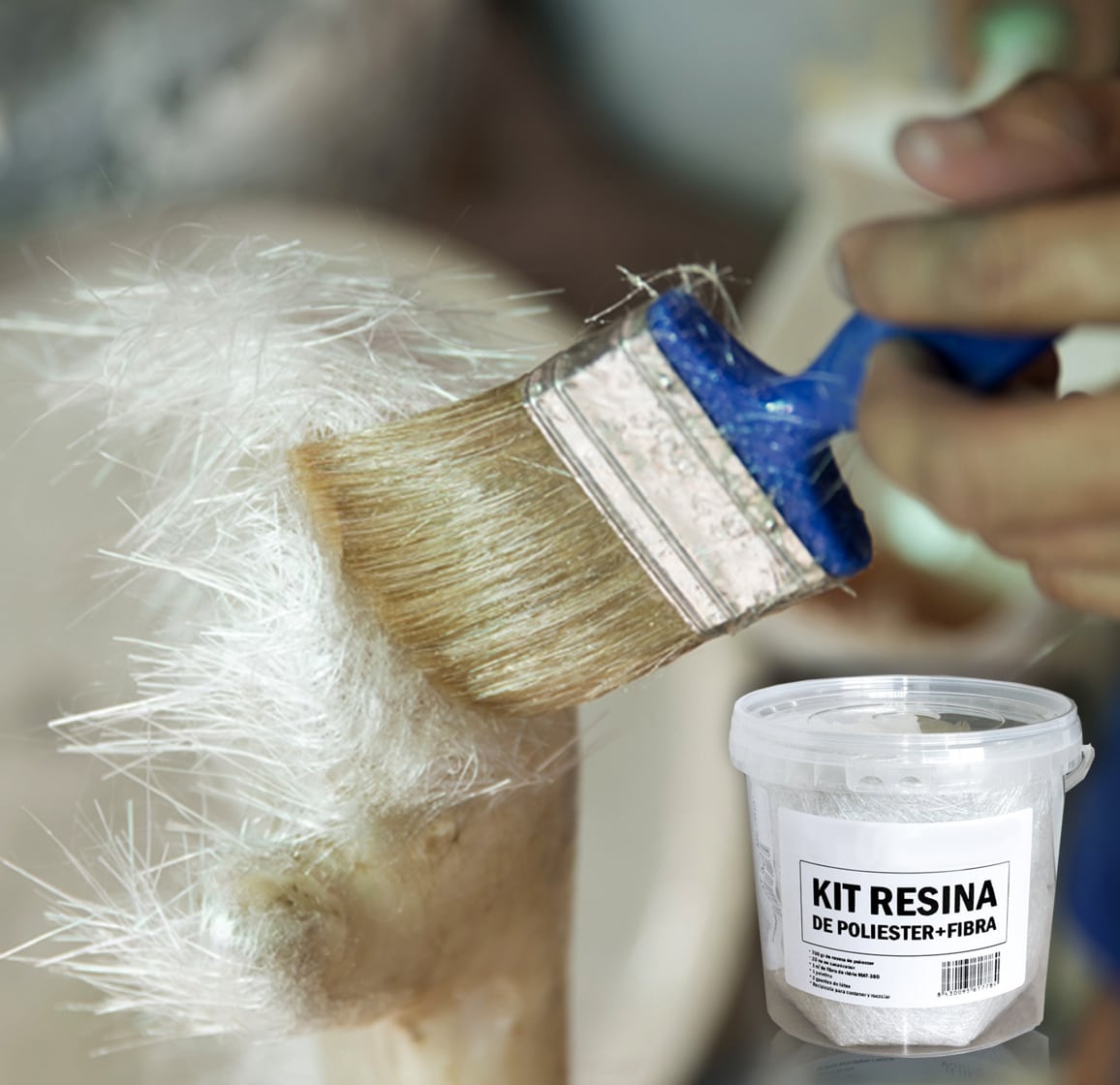
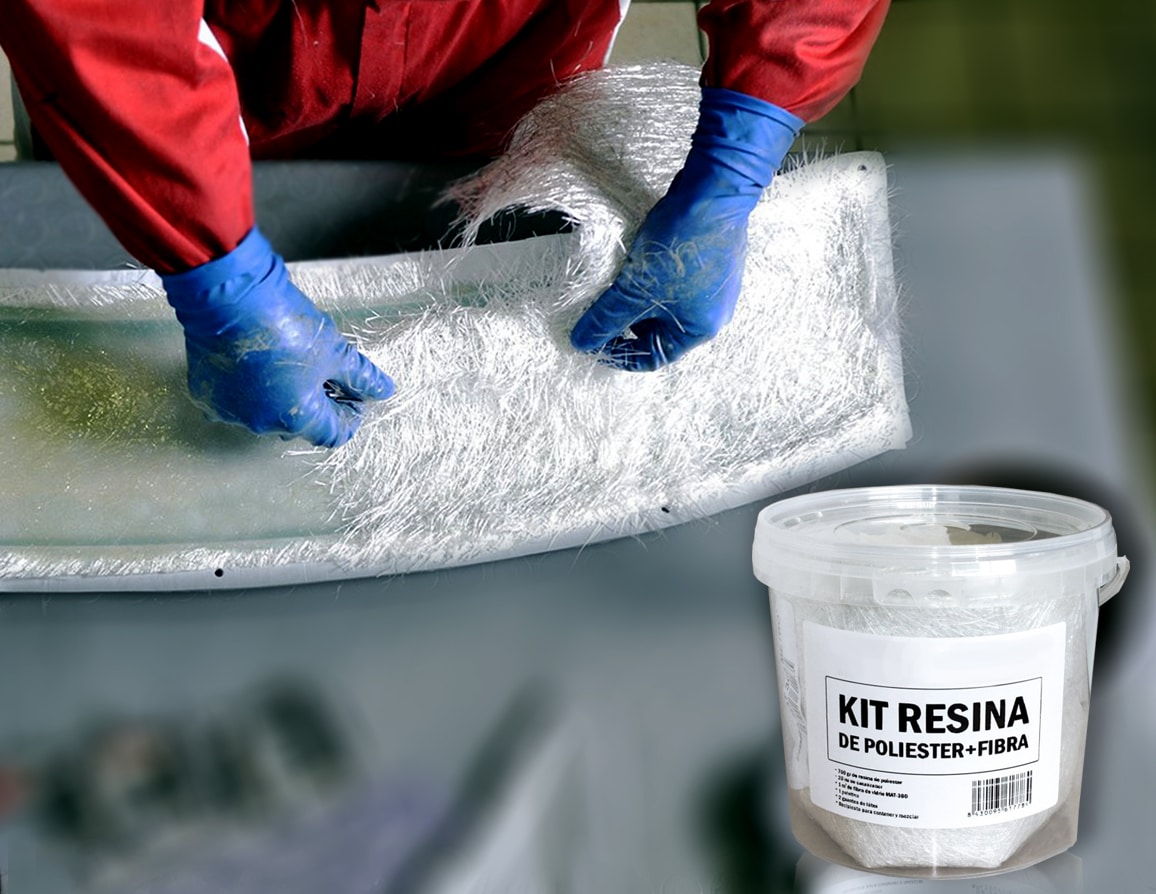
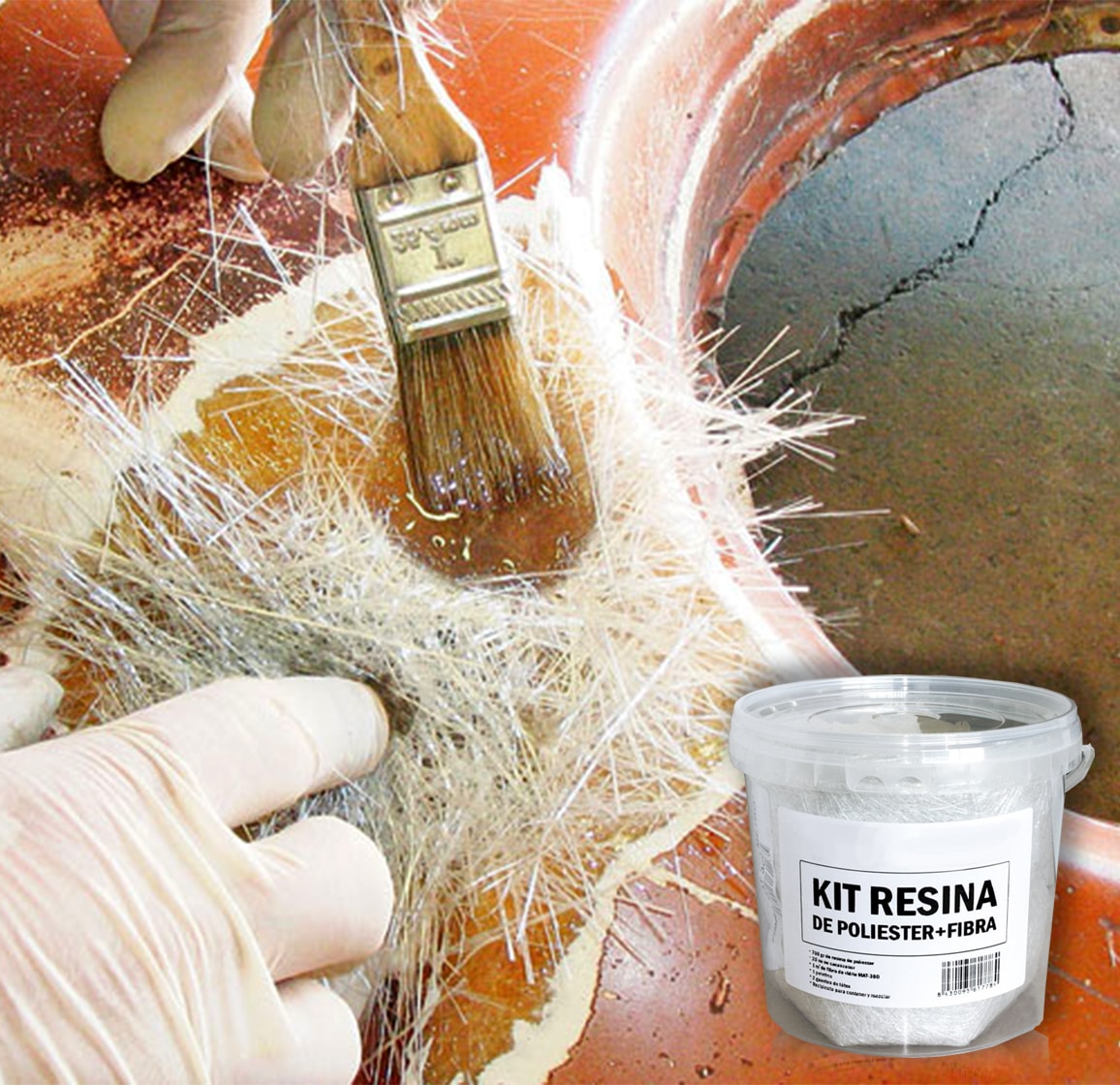
A fibreglass kit works by saturating a fibreglass mat with polyester resin to create a waterproof, impact-resistant layer. This is useful on larger areas of a camper body where the panel needs to regain some rigidity rather than just be filled. Many kits include everything required for a basic repair, such as resin, hardener, mat, brush and mixing container.
A kit like the Resin Fibreglass Repair Kit is designed for structural repairs on rigid surfaces and is often chosen for broader damage or areas exposed to water and vibration.
Epoxy Putty: Precision Filling for Cracks and Holes
Epoxy putty is mixed by hand and pressed into a crack, dent or hole, then shaped before it cures. It is easier to control in small areas than a liquid resin and mat, which makes it a practical option for localised damage on camper panels, trim and fittings. Some formulations are also thixotropic, so they stay in place on vertical surfaces without sagging.
For stone, metal and cement surfaces, a product such as the Magelstick Epoxy Mastic is designed for durable bonding and grouting, with resistance to UV and weather. A fibreglass-reinforced polyester putty is another option when filling deeper damage and a sandable finish is needed.
When This Matters for Camper Repairs
If a repair area is wide, longer than a simple crack, or needs to carry load, a fibreglass kit is usually the stronger starting point. If the problem is a small hole, deep scratch or narrow split, an epoxy putty is faster to apply and easier to sand or shape before painting. Always check the product instructions for surface preparation and minimum application temperature, as these affect curing and adhesion.
Related products
Related guides
Understanding the difference helps you avoid using a filler where reinforcement is needed, or a bulky mat where a small bead of putty would be simpler. For camper sealing and repair jobs, keeping both approaches in mind makes it easier to match the product to the damage and get a longer-lasting result.