 Free shipping on orders over £29,85
 Shipping Tracking!



 Google
 Facebook
Does a Gloss Spray Lacquer Make Camper Roofs Waterproof?
← Back to Waterproofing for Camper Gazebo Roof
Quick answer
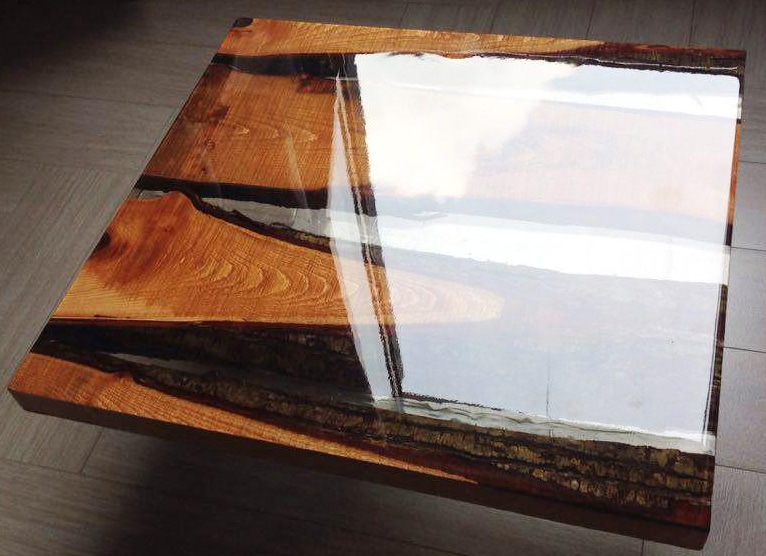
Gloss spray lacquer is a clear, hard-wearing topcoat that adds scratch resistance, shine and UV stability to cured resin or wood. It is not a standalone waterproofing treatment for camper gazebo roofs. On its own, a lacquer layer cannot reliably bridge cracks, seal seams or resist prolonged standing water. It works best when applied over a surface that has already been sealed or made waterproof, where it mainly improves appearance and durability rather than preventing leaks.
Many owners ask whether a single aerosol can double as a roof sealer. The short answer is no: the lacquer has a different job. Understanding that difference helps you avoid a false sense of security and choose the right base waterproofing layer before adding the gloss finish.
What a gloss spray lacquer actually does
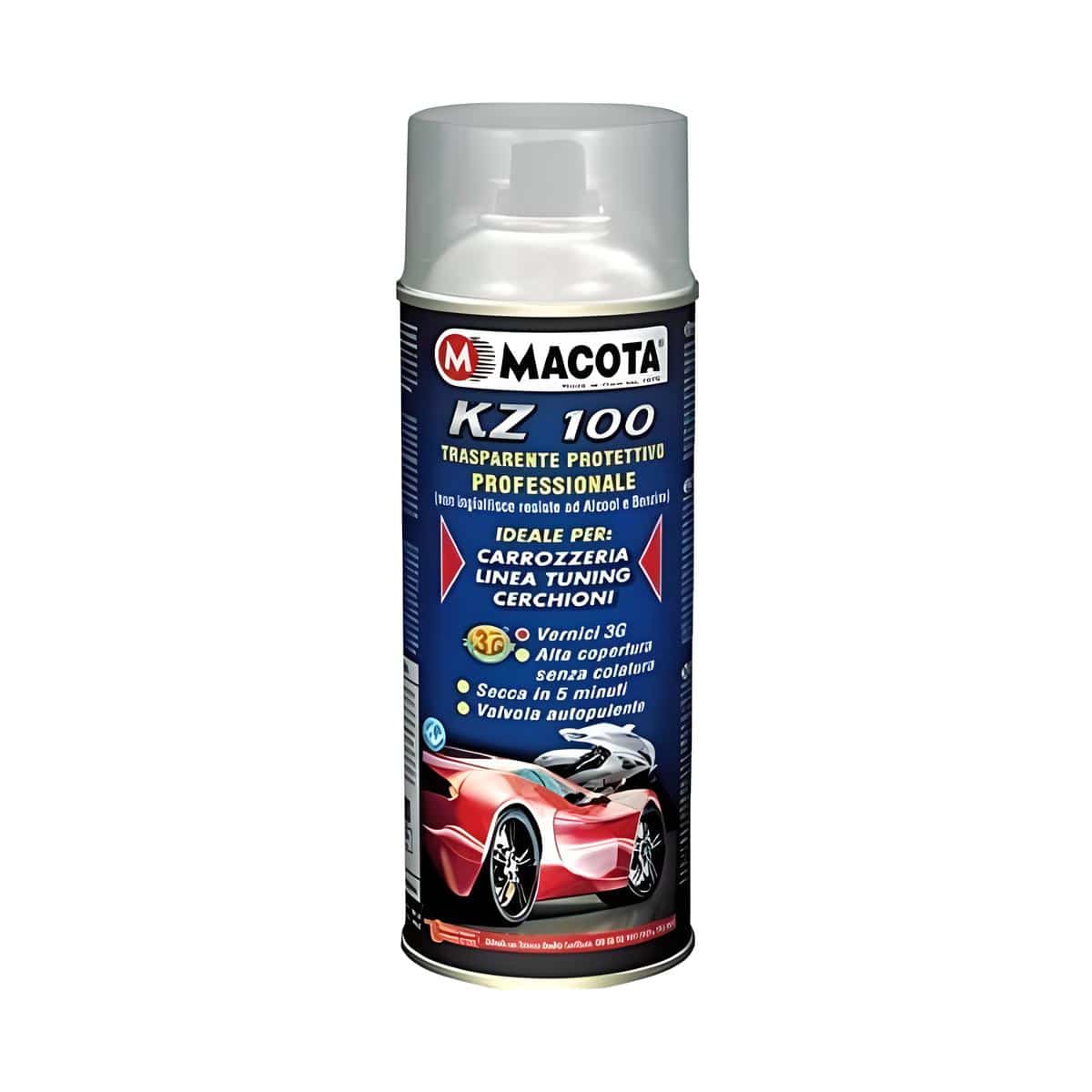
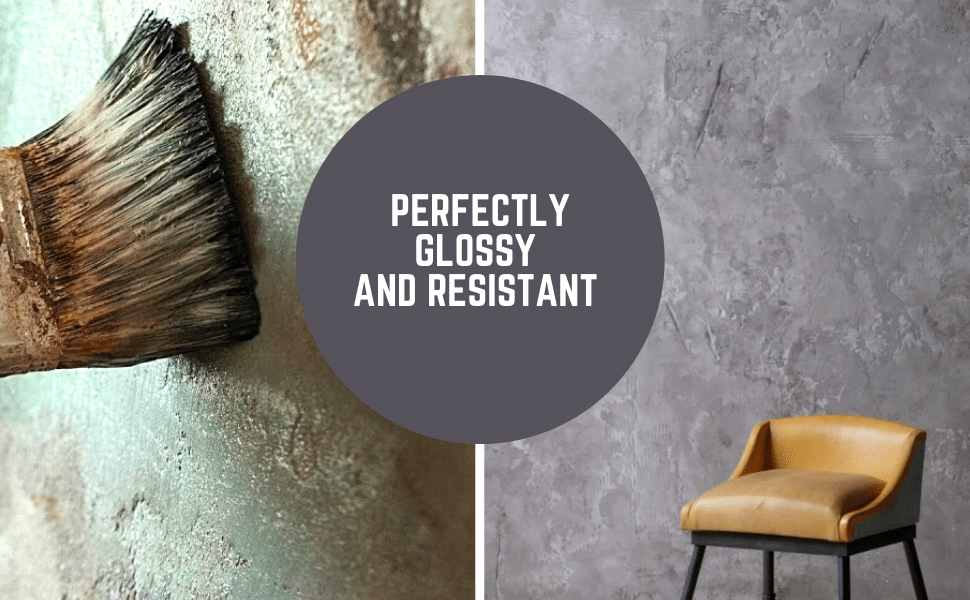
“Macote KZ 100” – Gloss Spray Lacquer 400ml is designed as a final protective coating for cured epoxy resin and wood. Its useful properties include a scratch-resistant surface, a glossy non-yellowing finish and some UV resistance. These characteristics make it useful outdoors, but they are cosmetic and protective rather than waterproofing.
For a camper gazebo roof, the lacquer can help the topcoat stay cleaner and resist light abrasion from branches or weather. It is not formulated to form a thick, flexible membrane that seals joints or stops water ingress.
Why it is not a standalone waterproofing treatment
A roof surface has to deal with pooled water, movement, UV exposure and joints around fittings. A thin spray lacquer cannot reliably cope with those demands by itself. Water may still find its way through gaps, cracks or porous areas that have not been sealed first.
- It does not fill cracks or gaps: spray coverage is too thin for structural sealing.
- It is not a flexible membrane: roof materials expand and contract; a rigid lacquer may crack.
- It relies on the base layer: performance depends on what is underneath.
When this matters for your roof
If the camper gazebo roof is mostly decorative and already coated with a waterproof resin or sealed fabric, a gloss lacquer can be a practical finishing touch. It adds a clean, polished look and some extra resistance to surface wear.
If the roof currently leaks or has bare wood, chipboard or seams that let water through, address the waterproofing first. For wooden roof panels, a penetrating epoxy such as “EpoxyWood” – Wood Restoration Epoxy Resin for Deep Penetration and Waterproofing is a more appropriate base because it is designed to soak into dry wood and create a waterproof layer before the lacquer topcoat.
Related products
Related guides
Gloss spray lacquer is best treated as the final layer rather than the waterproofing itself. Pairing it with a proven sealing or waterproofing product gives a more reliable camper gazebo roof finish, and keeps the glossy topcoat working as intended.