 Free shipping on orders over £29,85
 Shipping Tracking!



 Google
 Facebook
Do I Need to Prepare Surfaces Before Waterproofing?
← Back to Waterproofing for Snow and Ice
Quick answer
A clean, dry, properly prepared substrate is the foundation of effective waterproofing. When a surface is contaminated with dust, grease, loose material or moisture, coatings may not bond correctly, which can lead to peeling, bubbling or premature failure. Preparation usually involves cleaning, drying, and abrading or priming where the product instructions require it. Taking these steps before applying a waterproofing product leads to stronger adhesion and a longer-lasting protective layer, especially in areas exposed to snow, ice and standing water.
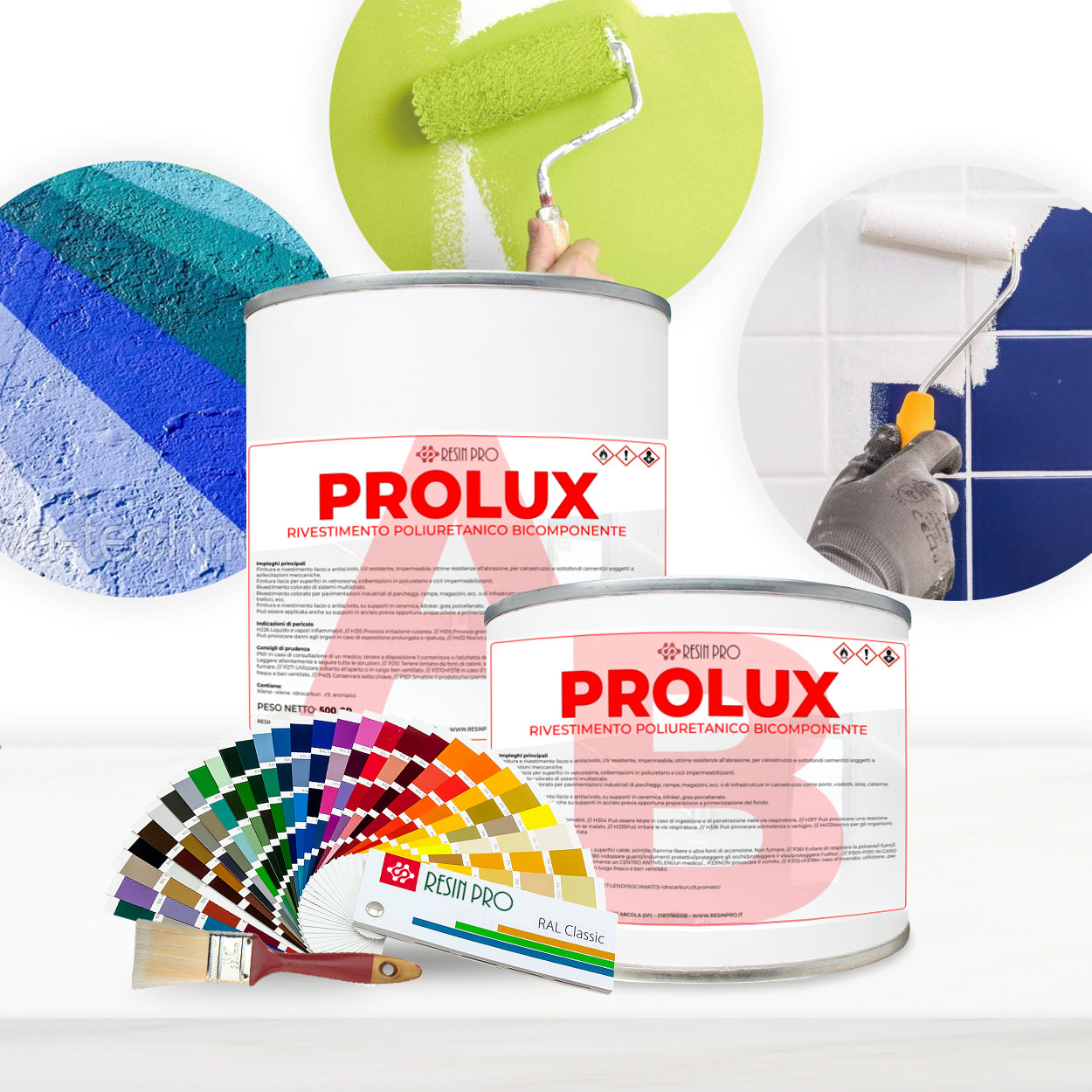
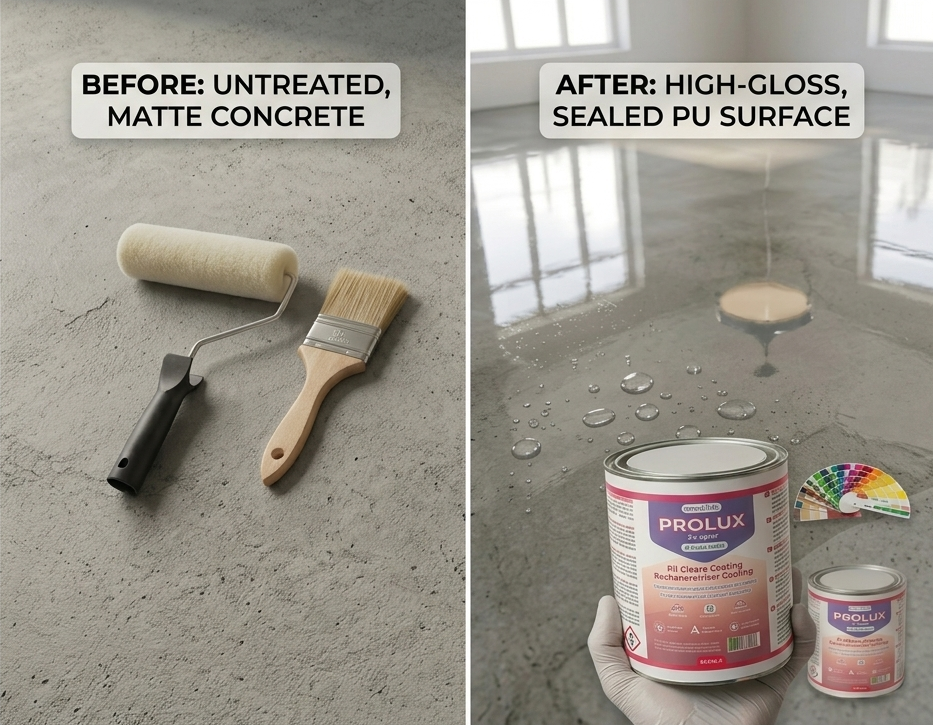
Skipping preparation is one of the most common causes of poor adhesion, and it is often easier to fix a surface before coating than to strip and reapply later. The products below each have their own substrate requirements, so checking compatibility and following the preparation steps will give you a much better chance of a long-lasting waterproof finish.
Why preparation affects adhesion and durability
Waterproof coatings work by forming a continuous film or penetrating layer over the surface. If the substrate is not prepared, contaminants can sit between the coating and the material, weakening the bond. In cold or wet climates, any trapped moisture under a coating can freeze and expand, making the problem worse.
Common preparation steps include:
- Removing dust, dirt, grease and old flaking coatings
- Drying the area fully before application
- Lightly abrading or sanding smooth, non-porous surfaces
- Checking the manufacturer’s guidance for primers or special primers
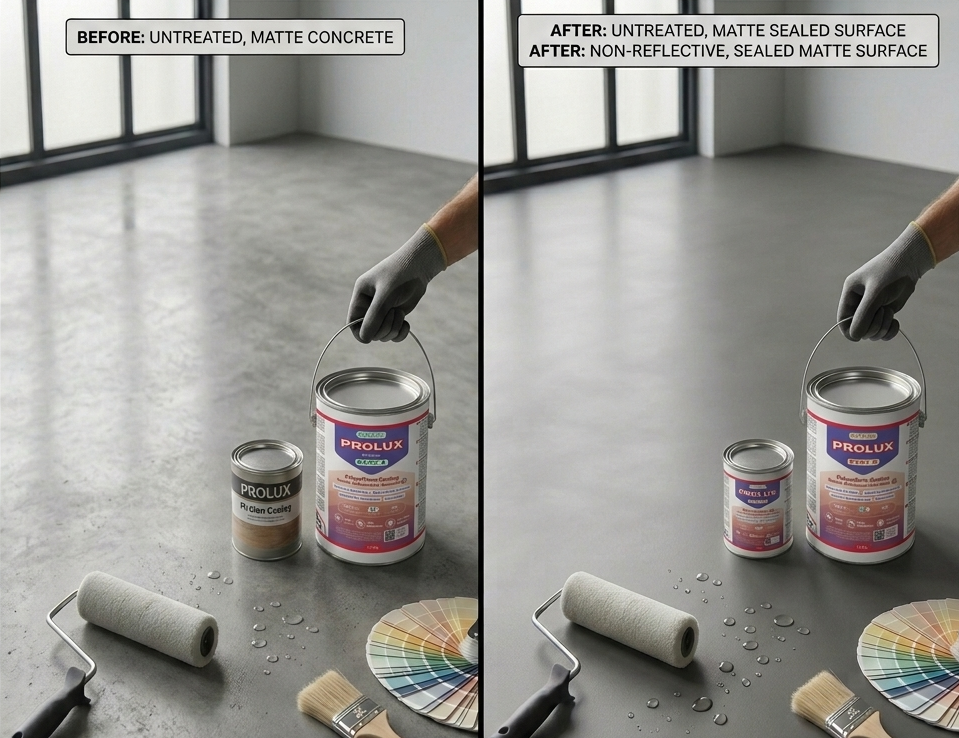
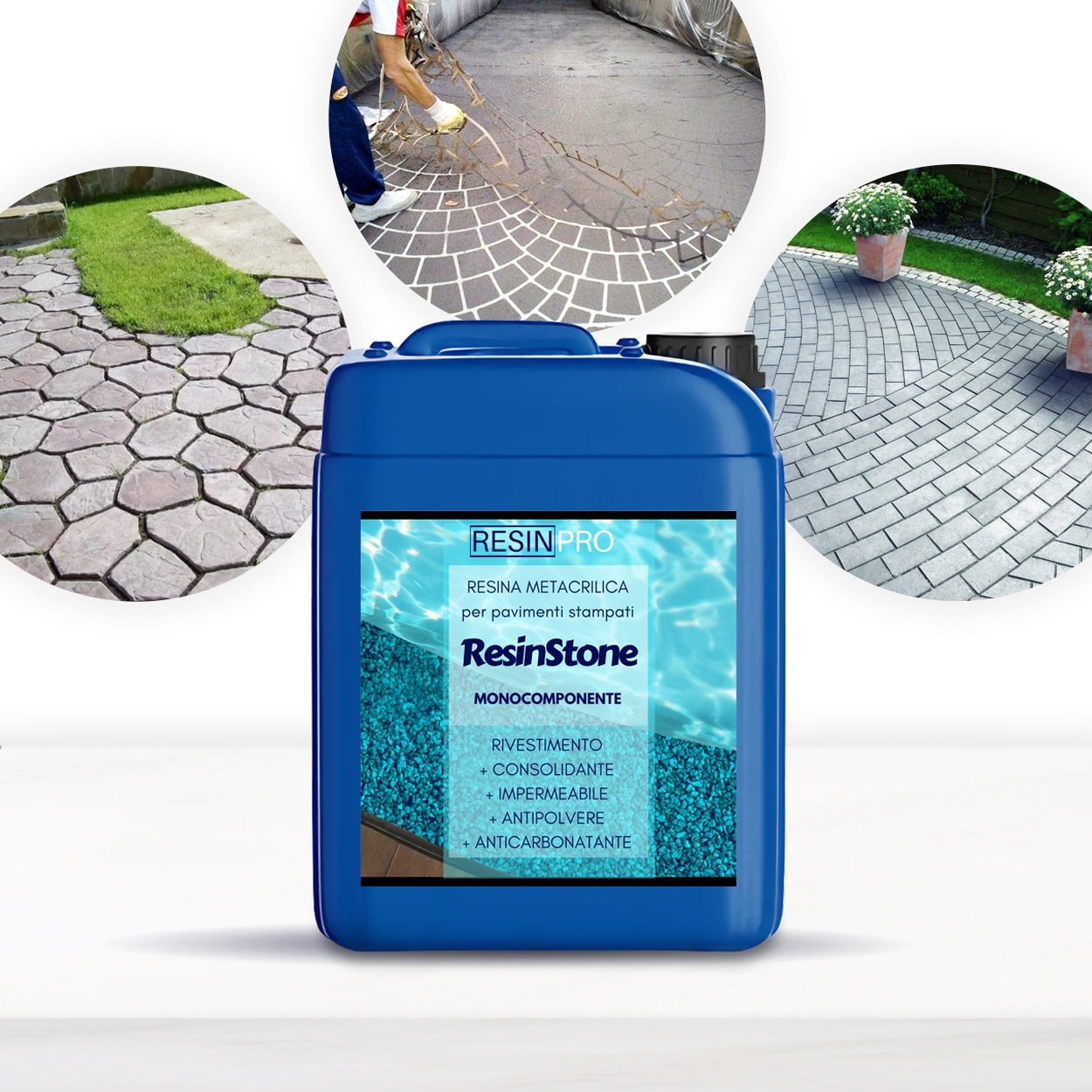
Practical preparation by surface type
The right preparation depends on the material you are treating. For concrete and masonry, the surface should be sound, clean and dry, with any laitance or loose material removed. For products like Resinstone, absorbent concrete benefits from a clean, dry profile so the resin can penetrate properly. For wood restoration with a product such as EpoxyWood, the surface should be perfectly dry and sanded before application.
Always read the product data sheet, as some coatings are suitable for multiple surfaces only when the substrate has been correctly prepared, including prepared steel or tile surfaces.
When this matters: snow, ice and freeze-thaw cycles
Surface preparation becomes even more important on outdoor areas that are regularly exposed to snow and ice. Water expands when it freezes, and any water trapped beneath a poorly bonded waterproof layer can cause cracking or delamination over repeated freeze-thaw cycles. A properly prepared surface gives the coating a stronger mechanical grip, reducing the chance of water getting underneath.
For driveways, paths and other weather-exposed areas, preparation is the first step in building a waterproofing system that will cope with seasonal movement, de-icing salts and standing meltwater.

Related products
Related guides
Once the surface is clean, dry and correctly prepared, you can choose a waterproofing product with the right level of weather resistance for the job. Whether you are sealing concrete, restoring wood or coating a driveable surface, proper preparation gives the system its best chance to perform through winter conditions. For more information on waterproofing for snow and ice, browse the full range of weather-resistant coatings and resins.