 Free shipping on orders over £29,85
 Shipping Tracking!



 Google
 Facebook
Do Ready-to-Use Waterproofing Sealants Yellow or Fade in the Sun?
← Back to Ready-to-use waterproofing sealant
Quick answer
UV-stable waterproofing sealants such as Prolux and Vertical Glass resist yellowing and fading when exposed to sunlight. Their formulations are designed to maintain colour and clarity for longer than many conventional coatings, making them suitable for bright or south-facing areas. This UV resistance is particularly useful for external walls, driveways, and sunlit interior surfaces where long-term appearance matters. Choosing a sealant with stated UV resistance helps reduce the risk of visible ambering over time.
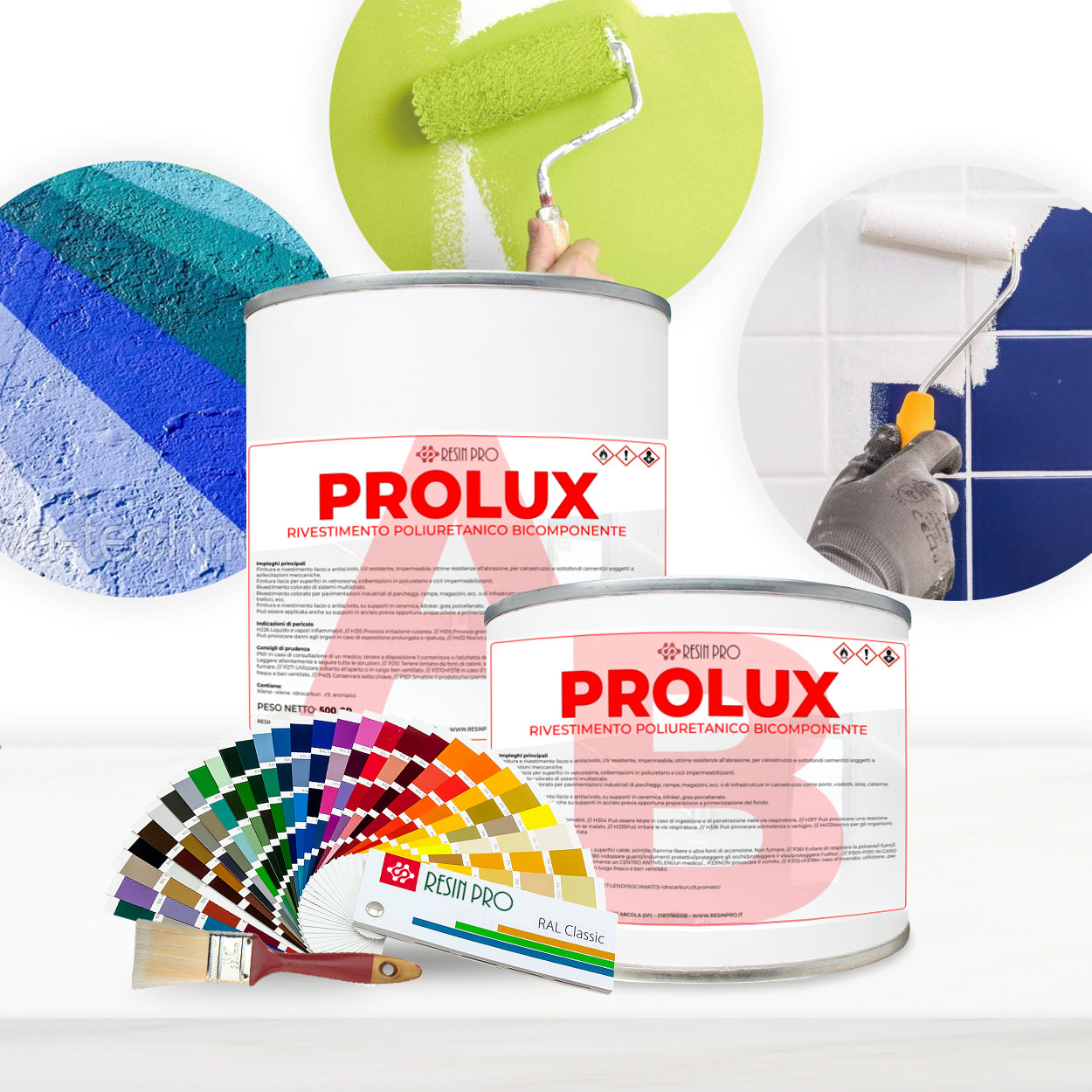
If you are sealing a surface near large windows, skylights, or out in direct sun, yellowing is often one of the first concerns. Not all sealants behave the same way. Products like Prolux PU coating and Vertical Glass are formulated with UV resistance, so they tend to hold their colour and clarity longer than standard alternatives.
Why UV resistance affects yellowing and fading
Some resin and polyurethane coatings can gradually develop a yellow tint when exposed to ultraviolet light over time. UV-resistant formulations are manufactured to slow this change, helping the finish retain its original colour and clarity for longer.
In practice, this matters for any sealant used near direct sunlight, large glazed areas, or external surfaces. A UV-stable product is not a guarantee that no change will ever occur, but it reduces the visible ambering associated with prolonged sun exposure.

Prolux and Vertical Glass in sunny conditions
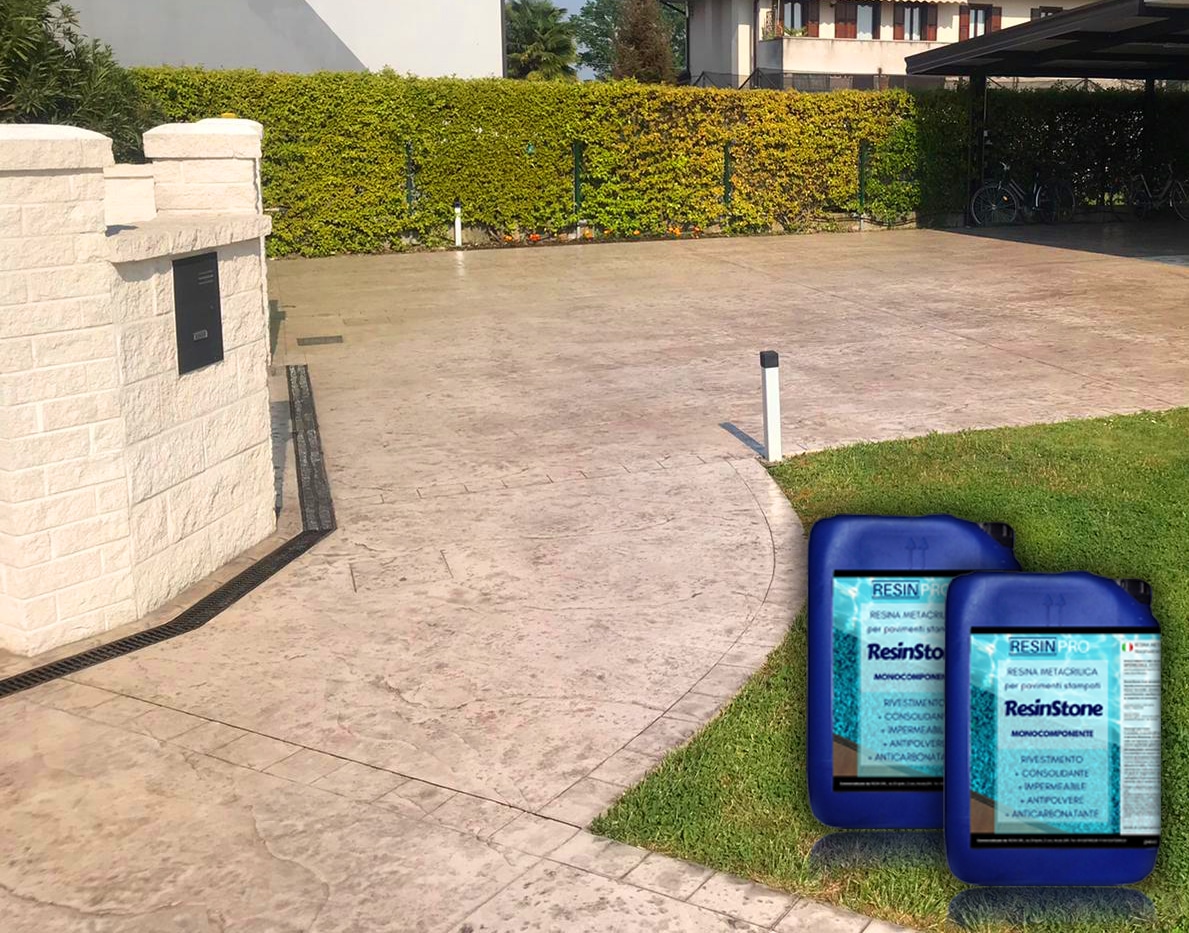
Prolux is a two-component aliphatic polyurethane coating rated for resistance to UV, yellowing, abrasion and weathering. That makes it a practical option for external floors, driveways and other high-traffic areas where sunlight is a factor. Vertical Glass offers similar UV-resistant properties for vertical and sloping decorative surfaces such as tiles, cement, wood and brick.
- Prolux is suitable for concrete, tiles, plastic and properly prepared steel, with gloss or satin finishes.
- Vertical Glass is designed for vertical and sloping interior surfaces and can be tinted with pigments, including metallics, while maintaining its UV-resistant character.
- Both are described as resistant to UV, yellowing and fading, making them better suited to bright or sun-exposed locations than coatings without this protection.
When UV resistance matters most
UV resistance is most relevant for exterior driveways, balconies, external walls, and interiors with strong or prolonged sunlight such as south-facing rooms, conservatories, or areas under skylights. In these settings, lower-resistance sealants may show visible yellowing earlier.
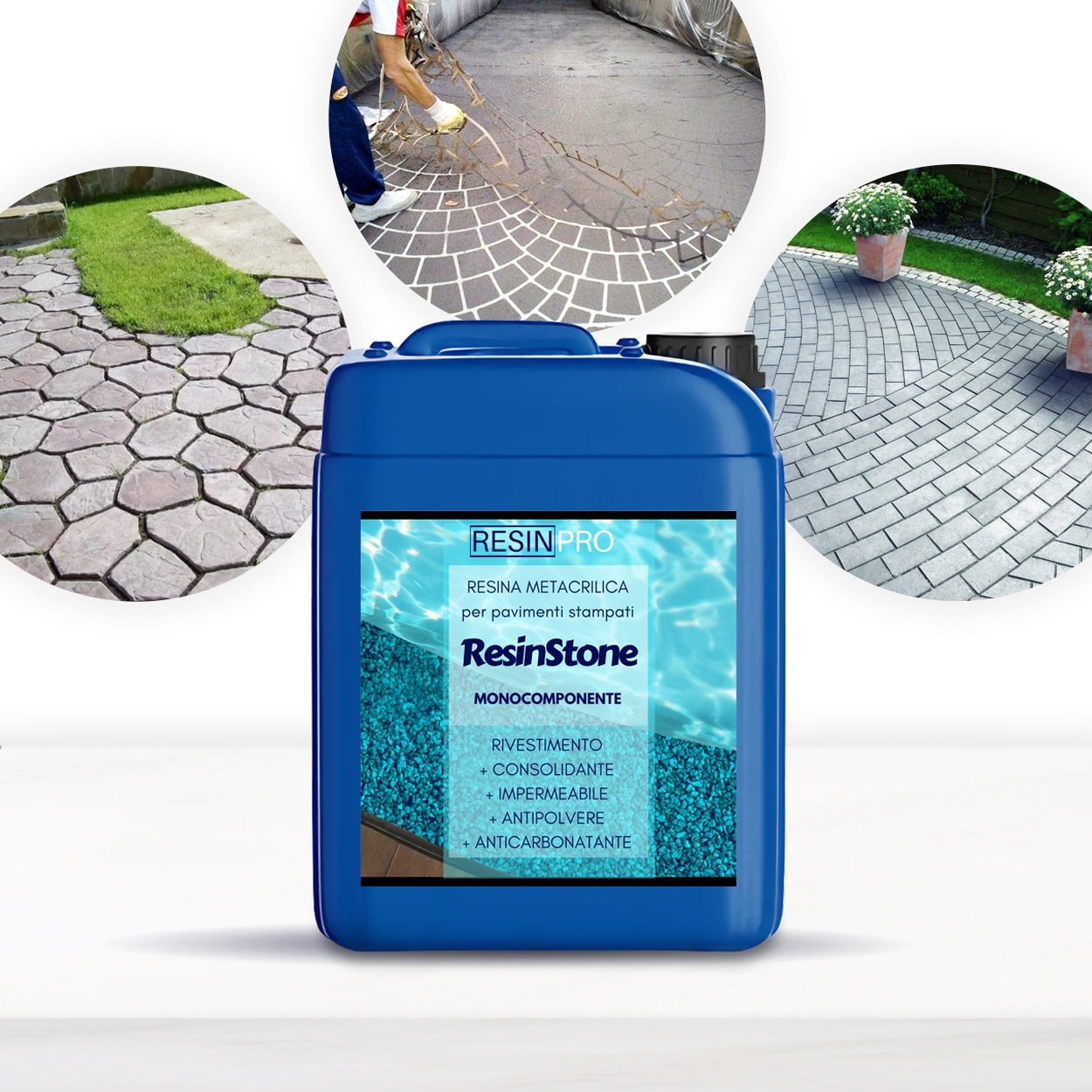
For concrete floors and driveways, Resinstone also lists UV resistance among its protective properties, making it another option to consider where sunlight and waterproof sealing overlap.
Related products
Related guides
Choosing a sealant with stated UV resistance helps protect the appearance of sunlit surfaces and reduces the likelihood of early yellowing. For ready-to-use waterproofing projects where colour stability matters, Prolux and Vertical Glass are two relevant options from the range to compare. See the ready-to-use waterproofing sealant hub for other surface-specific choices.