 Free shipping on orders over £29,85
 Shipping Tracking!



 Google
 Facebook
Epoxy Formulations for Non-Yellowing Waterproofing Sealants
← Back to Non-yellowing waterproofing sealant
Quick answer
Epoxy formulations are two-part resin systems that combine a base resin with a hardener to cure into a rigid, clear, waterproof film. Formulation variables such as mix ratio, viscosity, UV stabilisers and maximum pour depth influence how easily the resin wets a surface, resists yellowing and withstands moisture. In waterproofing sealant work, formulations are typically adjusted for clarity, adhesion and exterior UV exposure rather than relying on one universal resin for every substrate or traffic level.
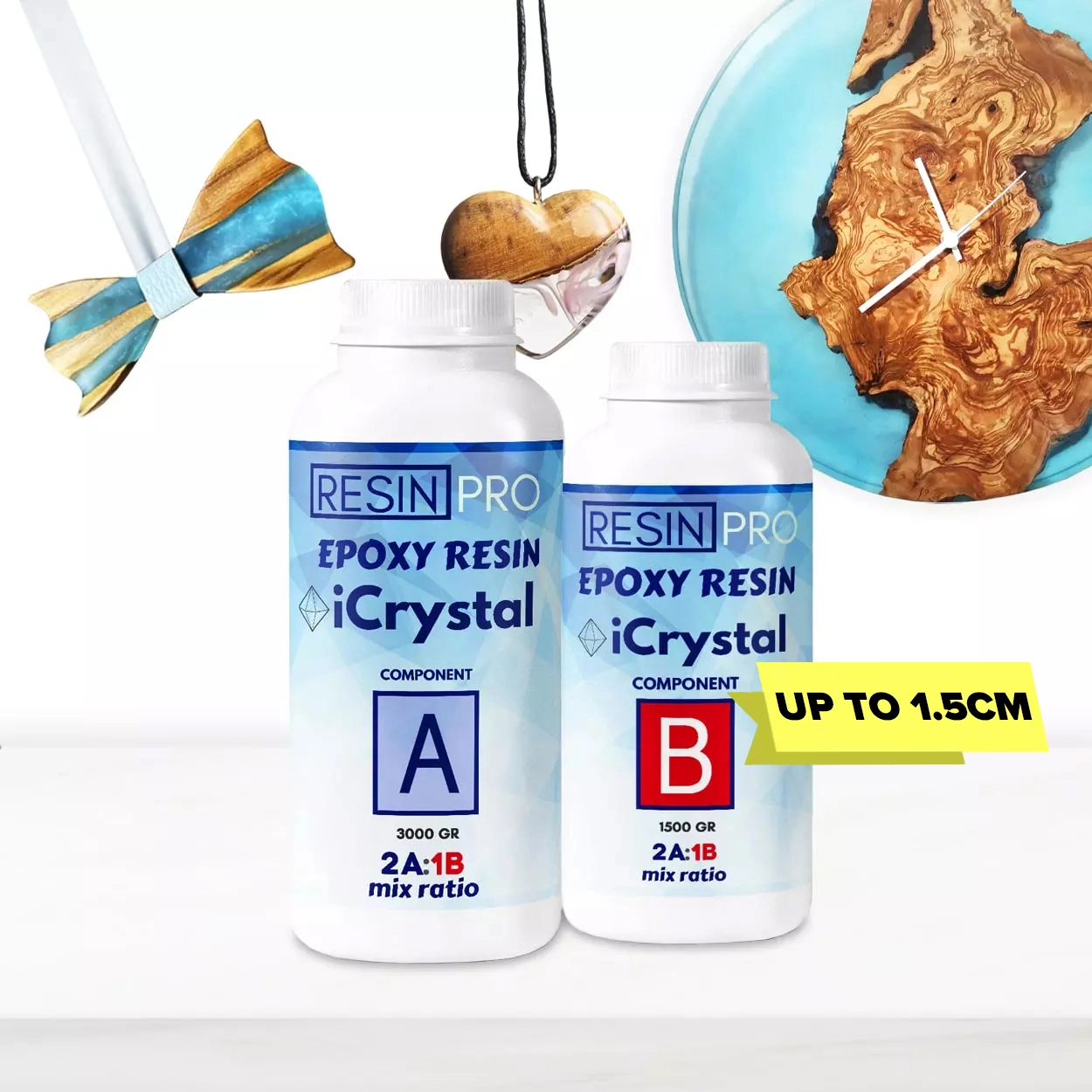
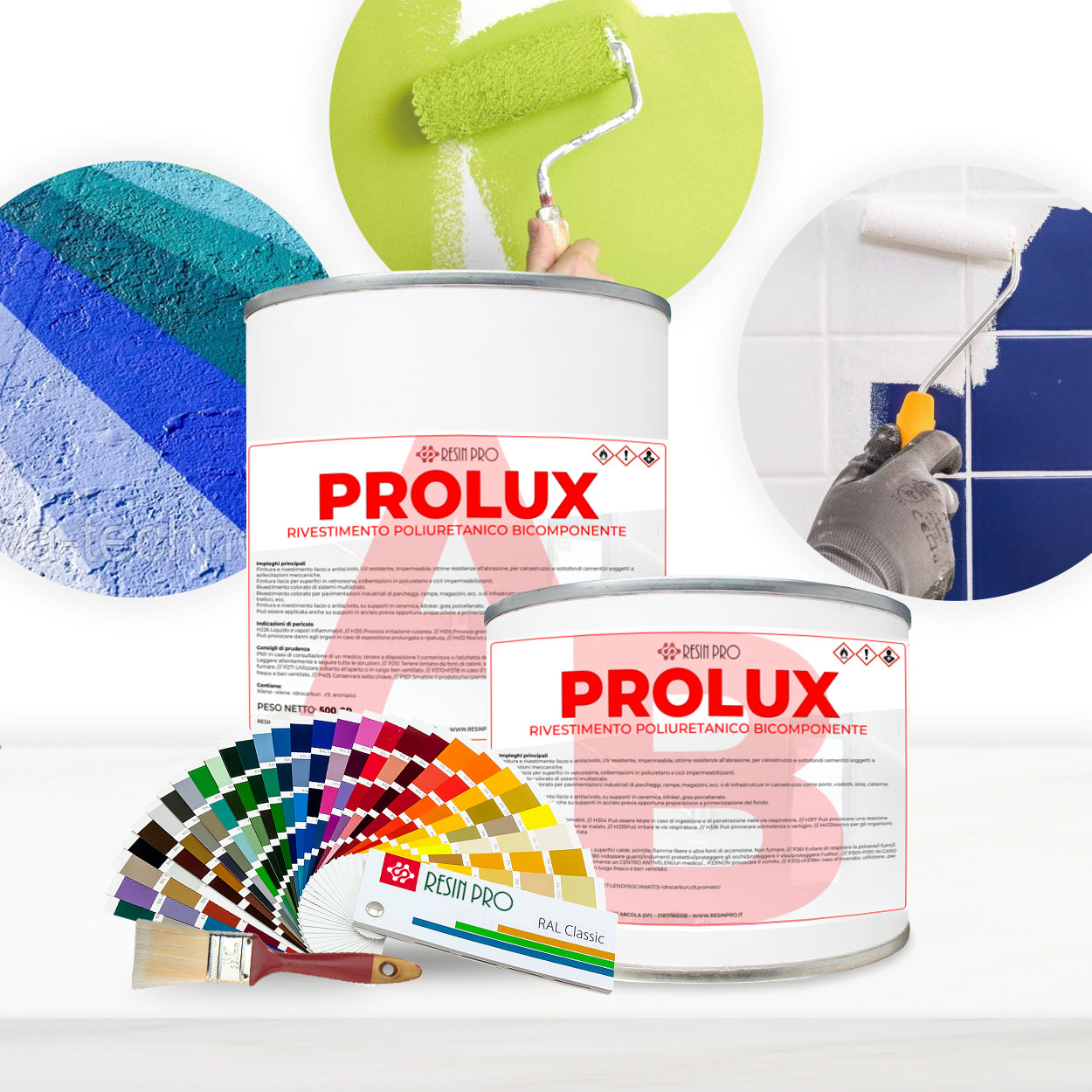
Below, we look at what separates common epoxy formulations and where a polyurethane alternative may be a better fit for non-yellowing waterproofing. The goal is to match the chemistry to the surface, expected UV exposure and whether the finish needs to be walkable or driveable.
What to look for in an epoxy formulation
Most clear epoxy systems use a two-part reaction. The ratio affects how forgiving the mix is and how hard the cured film becomes. Lower-viscosity formulations wet out aggregate or porous surfaces more quickly, which is useful in pebble-bound floors and thin sealing coats. A UV filter or UV-stable hardener is the main lever for reducing ambering in sun-exposed areas, but heat resistance should also be checked where dark surfaces or hot objects are involved.
- Mix ratio: 2:1 systems are common in clear casting and coating epoxies.
- Viscosity: lower viscosity helps penetration into grits and porous substrates.
- Cure depth: some clear epoxies are limited to around 15 mm per application.
- UV package: non-yellowing claims usually rely on UV absorbers or stabilisers rather than the epoxy base alone.
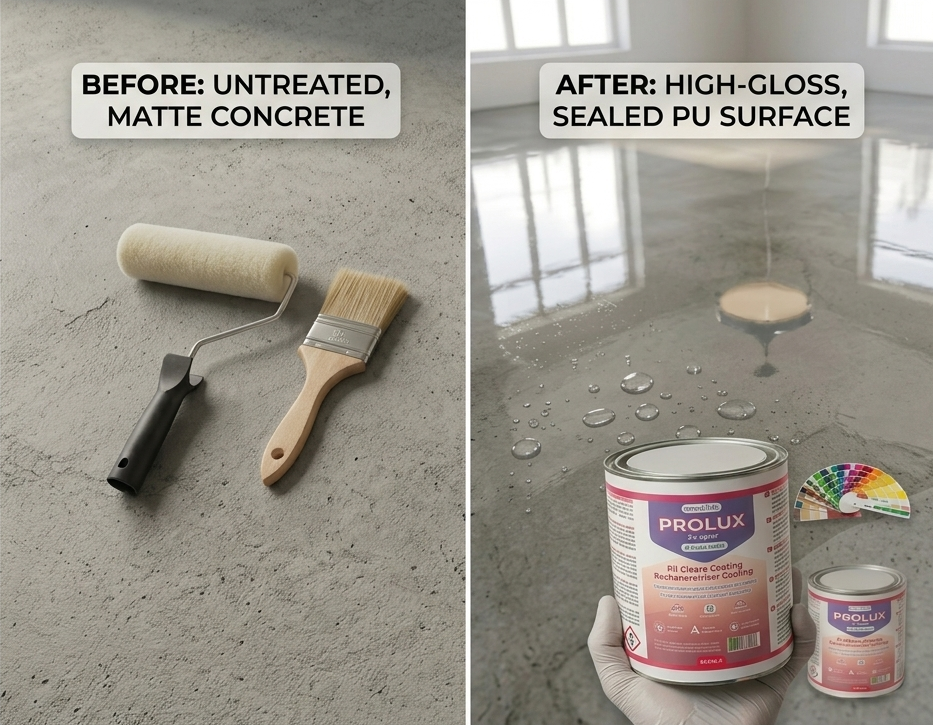
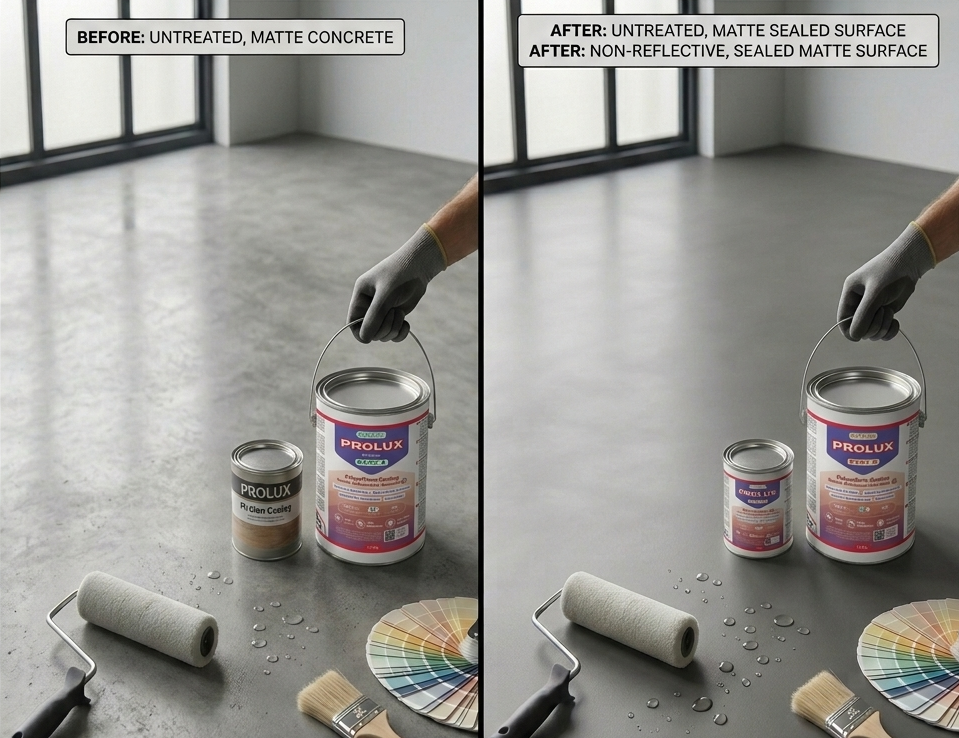
Epoxy binders vs clear coating resins
For decorative gravel and pebble floors, a low-viscosity epoxy binder such as Trasparente – Epoxy Binder for Coloured Pebbles and Grits is formulated to coat and stabilise aggregate while staying clear. For table tops, countertops or coatings up to 1.5 cm per layer, a casting-style clear resin may be more appropriate. The difference is less about basic chemistry and more about how the formulation is tuned for wetting, self-levelling and final film thickness.
Both types can carry UV-resistant properties, but dark or warm aggregates are particularly unforgiving for yellowing, so a binder described as non-yellowing on dark stone is often the safer choice outdoors.
When this matters: matching chemistry to exposure
If the surface is only occasionally wet and stays below roughly 70°C, an odourless clear epoxy such as Icrystal – Clear Epoxy Resin can work well indoors or in sheltered outdoor positions. For driveable surfaces, high-traffic areas or permanently damp substrates, a polyurethane coating may be more suitable. Prolux – PU coating is an example of a non-epoxy alternative designed for abrasion and UV exposure. Matching the formulation to traffic and substrate type avoids the common mistake of using a rigid epoxy film where a tougher, more flexible system is needed.
Related products
Related guides
Understanding epoxy formulations makes it easier to choose a non-yellowing waterproofing sealant that will stay clear and adhered under real conditions. For more options across resin chemistries, see the main non-yellowing waterproofing sealant range and consider the substrate, UV exposure and traffic before mixing.