 Free shipping on orders over £29.85
 Shipping Tracking!



 Google
 Facebook
Epoxy resin for restoration
Quick answer
Epoxy resin is a versatile material essential for restoration work across wood, stone, ceramics, and even food-contact surfaces. Its deep penetration, strong bonding properties, and options for food-safe or decorative finishes make it suitable for repair and protection in both domestic and professional settings. Choosing the right epoxy resin ensures durability, aesthetic appeal, and lasting restoration results.
Choose the right epoxy resin for every restoration need
Restoration specialists, hobbyists, and DIY enthusiasts face unique challenges when repairing items made from wood, stone, ceramic, or needing food-safe finishes. This page compares the leading epoxy resin solutions designed specifically for restoration, highlighting their use cases, strengths, and suitability for different materials and techniques. Choose confidently for your next restoration project.
Epoxy Resins for Restoration: Comparison and Key Differences
Modern restoration requires more than simple adhesives—epoxy resins provide tailored solutions for long-lasting, professional repairs. Some resins offer deep penetration and waterproofing for wood, while others specialise in bonding or grouting stone and metal, or bringing decorative or food-safe qualities to everyday objects. Choosing the right product depends on your substrate, the kind of repair or finish required, and whether aesthetics or compliance (such as food safety) is a priority.
- EpoxyWood – Wood Restoration Epoxy Resin for Deep Penetration and Waterproofing is best for reinforcing, sealing, and waterproofing wood, offering a natural finish and eco-conscious formula.
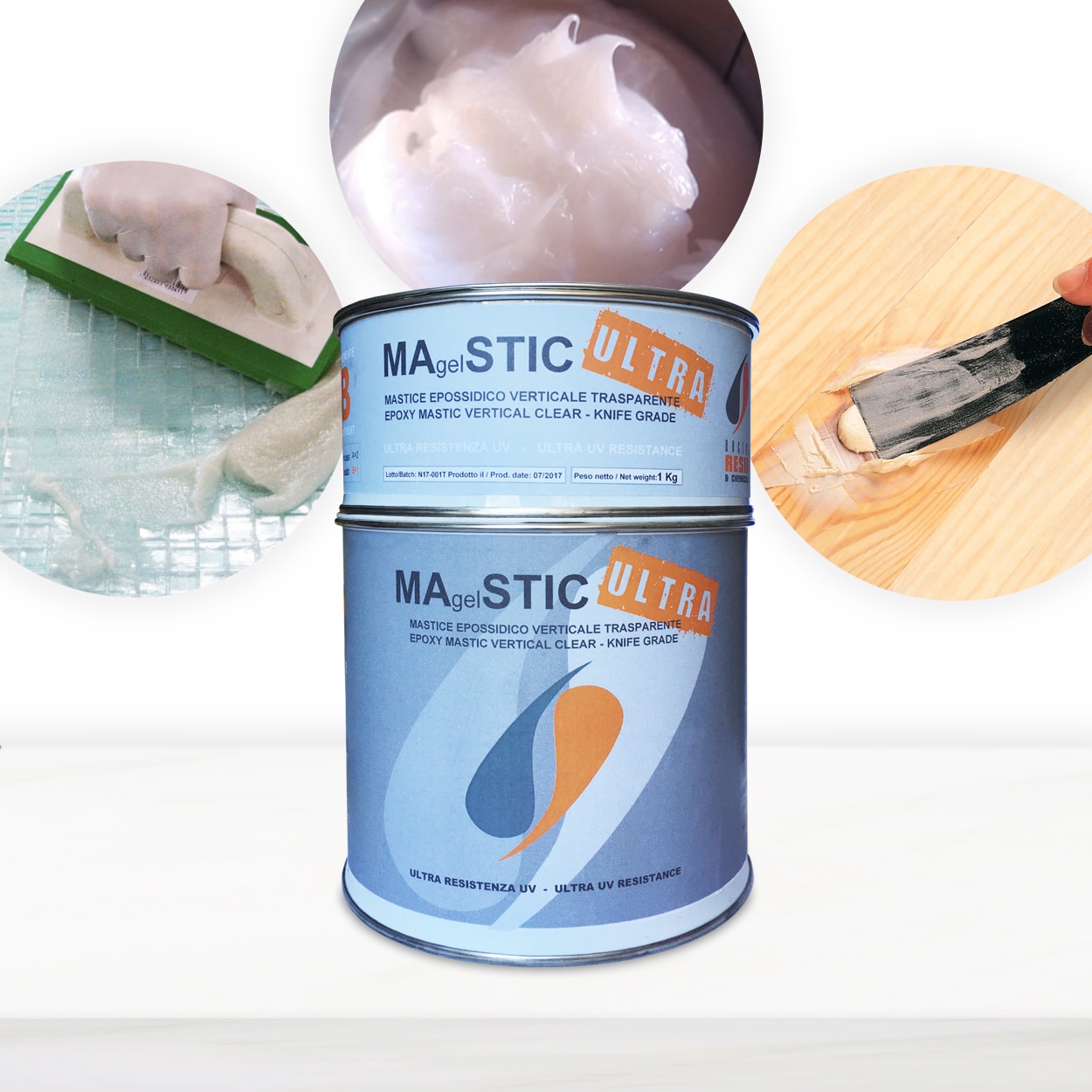
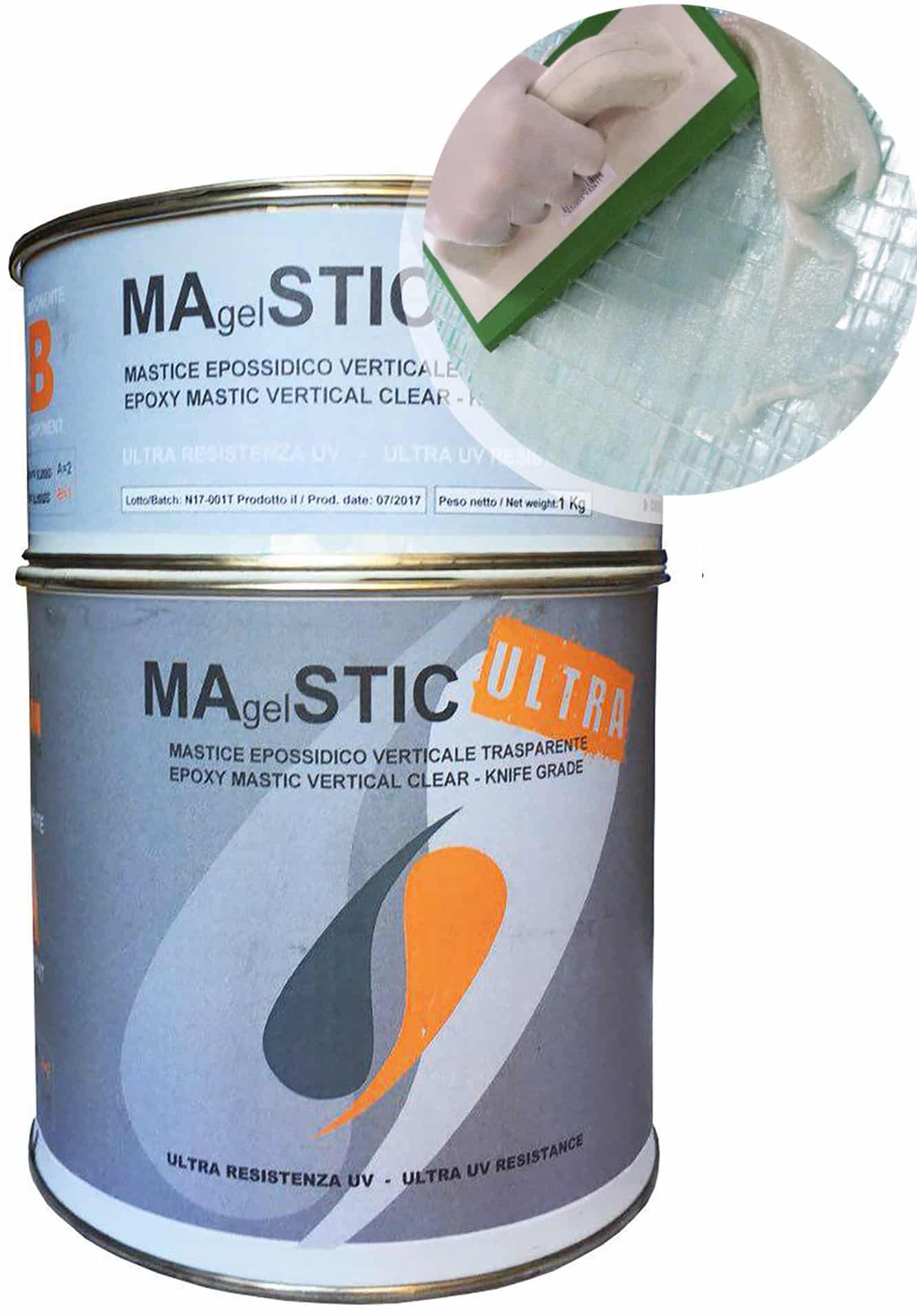
- Magelstick – Epoxy Mastic for Stone, Metal, and Cement Bonding and Grouting excels at structural repairs of stone, metal, and cement with high mechanical strength and weather resistance.
- EpoxyFood – Certified Clear Food Contact Epoxy Resin for Coating is the go-to choice for restoration projects needing clear, certified food-safe coverage on kitchenware and serving items.
- Kintsugi – Ceramic Repair Kit with Gold, Silver, or Copper Metallic Pigments revives ceramics with precise restoration and decorative metallic accents inspired by Japanese tradition.
See Restoration in Action
Explore real-world examples of epoxy resin restoration projects, including before-and-after transformations of wood, stone, ceramics, and food-contact surfaces. See how the correct resin choice revitalises and protects treasured items, and get inspiration for your own repair tasks.
EpoxyWood: Deep Penetration and Waterproofing for Wood
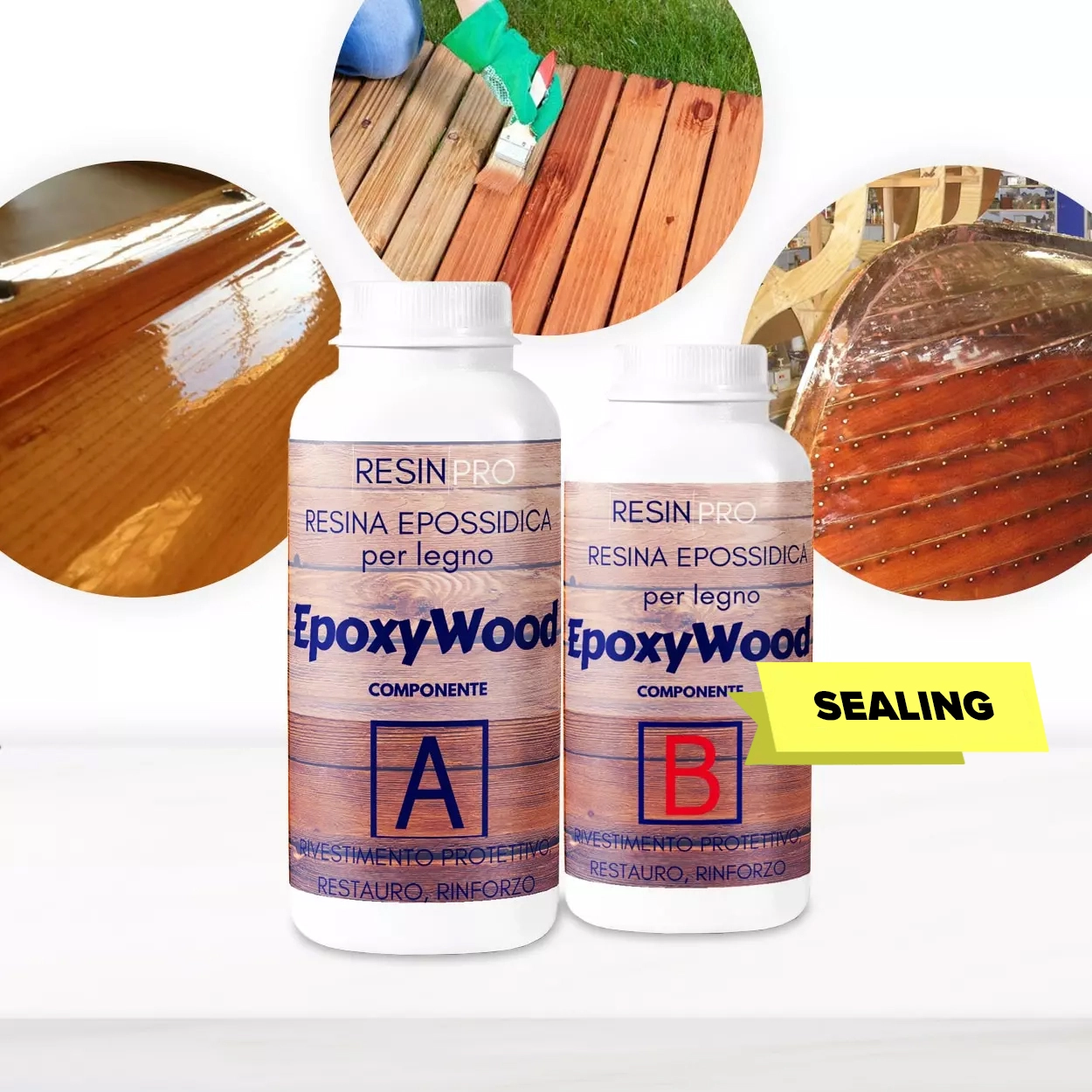
EpoxyWood – Wood Restoration Epoxy Resin for Deep Penetration and Waterproofing is specifically formulated for wood restoration. Its ultra-low viscosity allows it to deeply penetrate even porous or weathered wood, reinforcing the structure from within. The resin is solvent-free, cruelty-free, and vegan friendly, assuring a safe and eco-conscious restoration process. It provides complete waterproofing and a warm straw-yellow tint, beautifully accentuating wood grain on furniture or nautical surfaces such as boat hulls. For optimum results, surfaces must be dry and sanded before application.
Magelstick: Epoxy Mastic for Stone, Metal, and Cement
When tackling restoration or repair of natural and artificial stone, metal, or cement, Magelstick – Epoxy Mastic for Stone, Metal, and Cement Bonding and Grouting is the professional’s choice. Its bi-component thixotropic formula is perfect for vertical surfaces as it prevents sagging, while delivering exceptional mechanical strength, minimal shrinkage, and robust resistance to UV and weather. Ideal for small batch preparation, Magelstick is reliable both indoors and out, making it a staple for stonemasons and renovation specialists.
EpoxyFood: Food-Safe Coating for Restoration and Crafting
For restorers seeking a clear, non-toxic protective finish on items that come into contact with food, EpoxyFood – Certified Clear Food Contact Epoxy Resin for Coating stands out. Offering excellent clarity and UV resistance with a 10-year anti-yellowing warranty, this resin is certified compliant with EU food safety standards. It provides a glossy, durable surface for items like plates, cutting boards, or wooden kitchenware, with an easy mix ratio and great resistance to household chemicals. Always use without additives for certified food safety.
Kintsugi: Decorative Repair for Ceramics
If restoring or artistically enhancing broken ceramics, Kintsugi – Ceramic Repair Kit with Gold, Silver, or Copper Metallic Pigments offers a creative approach based on the Japanese art of Kintsugi. The included high-viscosity resin ensures easy application and precise repairs, filling even small fragments. The choice of metallic pigments turns cracks or breaks into striking decorative accents. The kit comes with all necessary tools and beginner-friendly instructions, making it not just practical but also accessible and enjoyable for hobbyists.
Choosing the Right Epoxy for Your Surface or Restoration Type
Successful restoration often depends on matching the solution to your material and end goal. For wooden items needing waterproofing and reinforcement, EpoxyWood is unrivalled. To bond, fill, or grout stonework and metals—indoors or out—Magelstick provides superior adhesion and durability. Use EpoxyFood for kitchenware or any project where certified food contact is necessary. For decorative and precise ceramic repair, the Kintsugi kit combines strong repairs with unique artistic flair. Always check compatibility with your surface and follow the manufacturer’s instructions for preparation, mixing, and curing.
Restoration Tips and Inspiration
Preparation is key: Make sure surfaces are dry, clean, and sanded before applying any epoxy resin. Choose the right resin to match your use case, whether waterproofing, structural reinforcement, or decorative repair. For best results, always follow the resin’s mixing ratios and curing schedules.
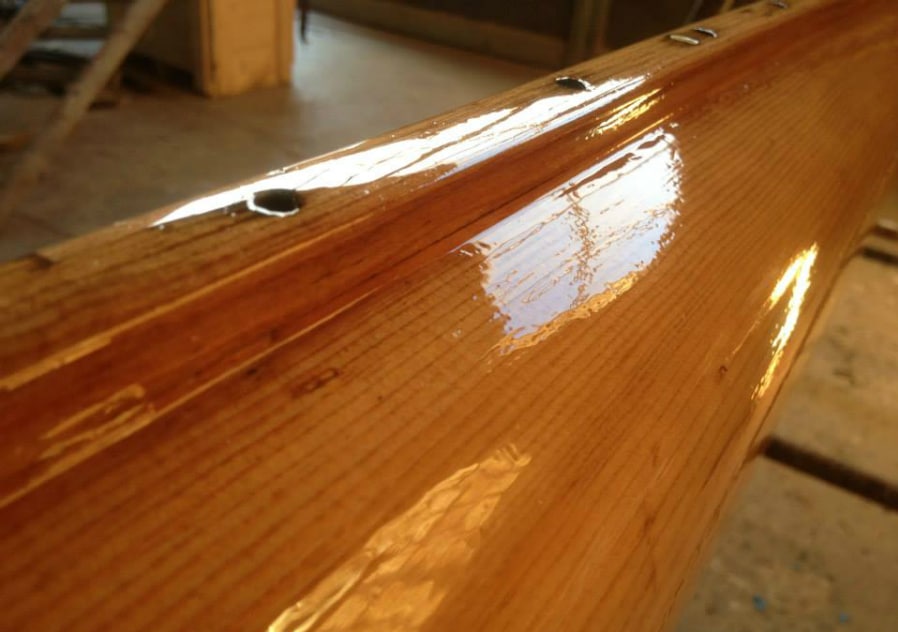
- "EpoxyWood" – Wood Restoration Epoxy Resin for Deep Penetration and WaterproofingPrice range: £27.95 through £41.95EpoxyWood is designed for wood restoration with deep penetration and waterproofing, suitable for furniture and boat hulls under the restoration theme.
- "Magelstick" – Epoxy Mastic for Stone, Metal, and Cement Bonding and Grouting"Magelstick" is a two-component epoxy mastic designed for professional bonding and grouting of stone, metal, and cement surfaces in restoration.
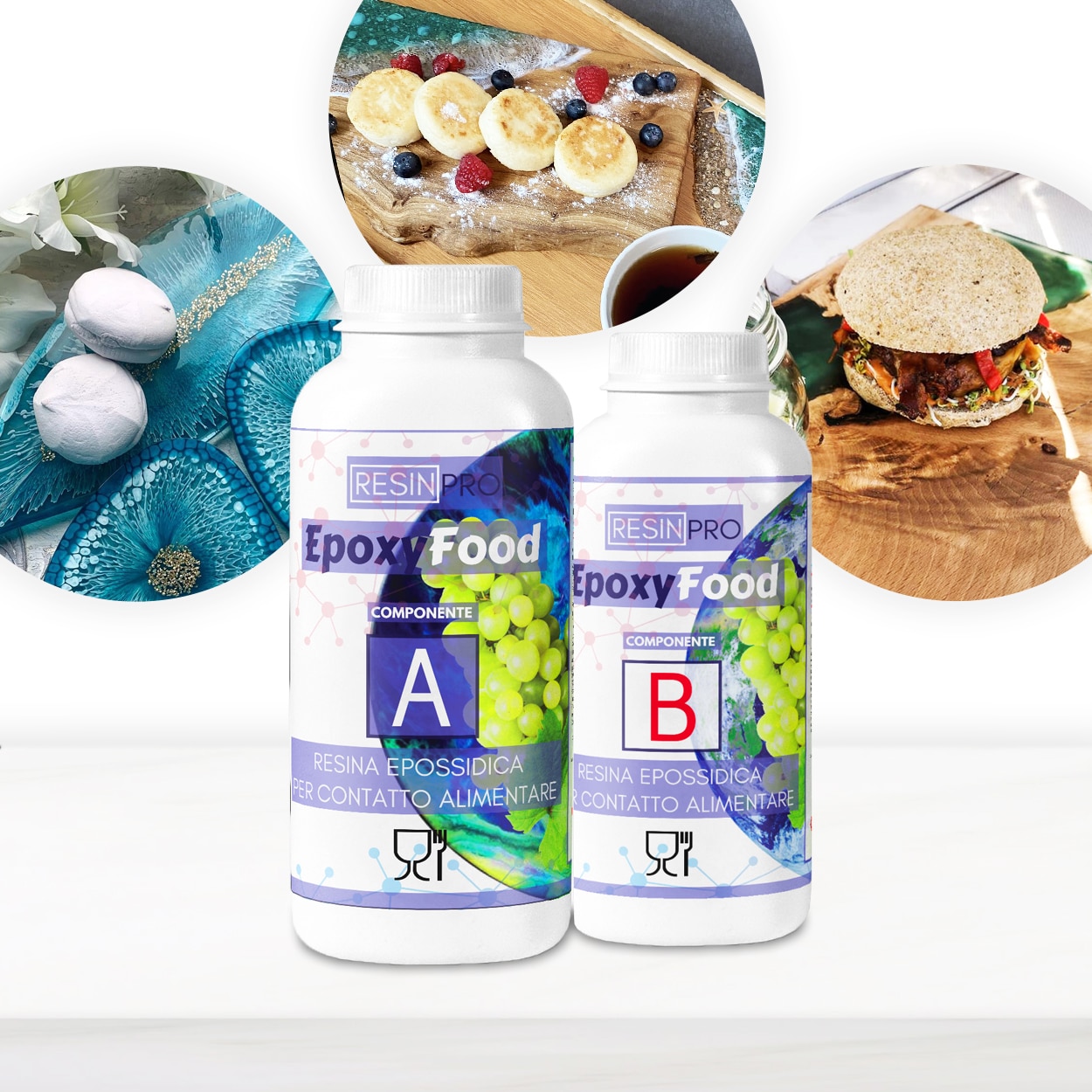 "EpoxyFood" – Certified Clear Food Contact Epoxy Resin for CoatingPrice range: £20.95 through £146.95EpoxyFood is a transparent, food-safe resin designed for coating items like plates and boards, suitable for restoration projects.
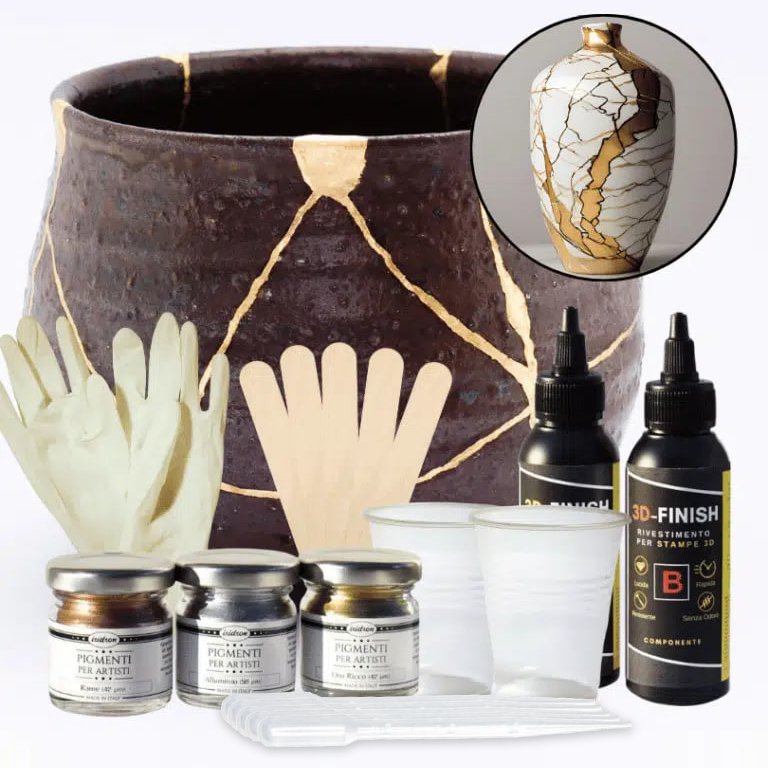 "Kintsugi" – Ceramic Repair Kit with Gold, Silver, or Copper Metallic PigmentsPrice range: £17.45 through £20.95Kit for ceramic restoration using high-viscosity resin and metallic pigments, supporting precise repairs and decorative accents.
Frequently Asked Questions
Which epoxy is best for restoring external wood?
EpoxyWood is formulated specifically to penetrate, reinforce, and seal wood surfaces, delivering waterproofing suitable for exterior projects.
What surfaces is Magelstick epoxy mastic suitable for?
Magelstick is designed for bonding and grouting on natural and artificial stone, metal, and cement, including marble and granite.
Which epoxy resin is safe for food contact?
EpoxyFood is EU certified for food contact applications, ideal for coating plates, boards, and other kitchen items when fully cured.
Is the Kintsugi repair kit food safe?
The Kintsugi kit is not food-certified; EpoxyFood is recommended for food-contact projects requiring safety assurance.
Can these epoxies be used outdoors?
Yes, Magelstick is UV and weather resistant, making it suitable for exterior repair of stone, metal, and cement; EpoxyWood also provides durable outdoor wood protection.
Does Magelstick shrink when curing?
Magelstick epoxy mastic displays minimal shrinkage and delivers strong, long-lasting repair results, preserving restored surfaces’ integrity.
What decorative options does the Kintsugi kit offer?
The Kintsugi Ceramic Repair Kit includes gold, silver, or copper pigments, enabling creative restoration with a choice of metallic finishes.
What are key tips for using epoxy in restoration?
Always prepare a clean, dry surface; choose the correct epoxy for your project; and follow the manufacturer’s ratios and curing instructions for the best result.