 Free shipping on orders over £29,85
 Shipping Tracking!



 Google
 Facebook
Epoxy Resin with High Impact Resistance and Excellent Impregnation
← Back to Preventing Water Leaks in Motorhomes
Quick answer
Epoxy resin with high impact resistance and excellent impregnation is a laminating resin designed for carbon fibre and fibreglass technical fabrics. It wets fibres evenly, reducing bubbles and supporting structural integrity in finished composite parts. The resin cures at room temperature and produces a durable surface with a glossy appearance. This combination makes it suitable for composite repairs and fabric coating where mechanical strength and moisture resistance are important.


For motorhome owners, this type of epoxy is particularly useful when repairing or reinforcing composite panels that may be exposed to stress or damp conditions. The even fibre wetting helps create a more consistent bond, while the room-temperature cure keeps the job manageable without specialist equipment.
What excellent impregnation means in practice
Impregnation describes how thoroughly the resin saturates the fibre cloth. A resin with good impregnation flows into the weave rather than sitting on the surface. This even wetting reduces trapped air and helps the cured laminate work as a single, stable layer.
Poor impregnation can leave dry spots or bubbles that weaken the finished repair. For composites that may face vibration, movement or moisture, consistent wetting supports better load distribution and a more reliable seal.
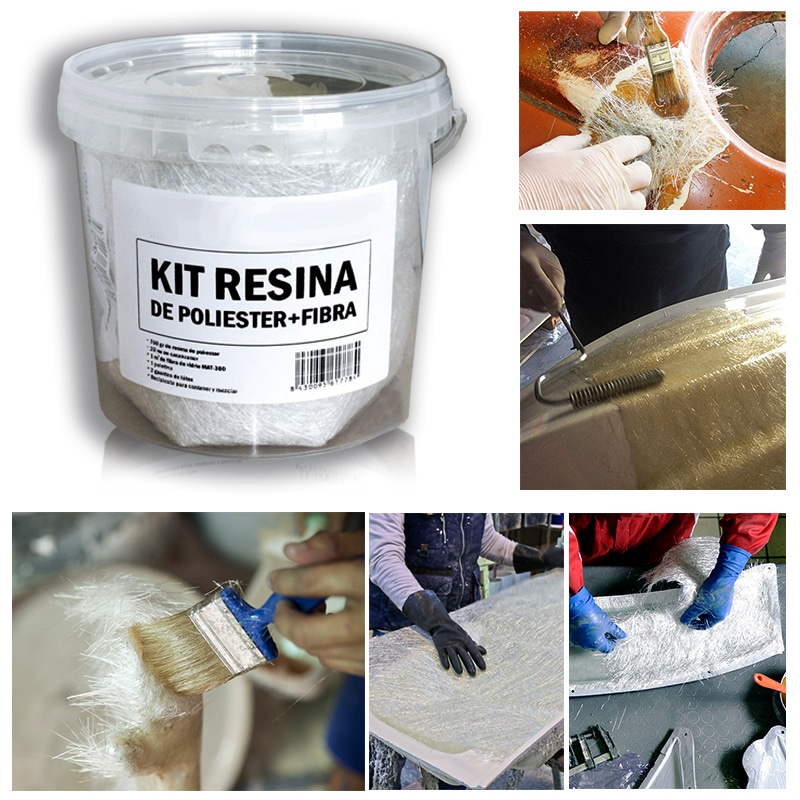
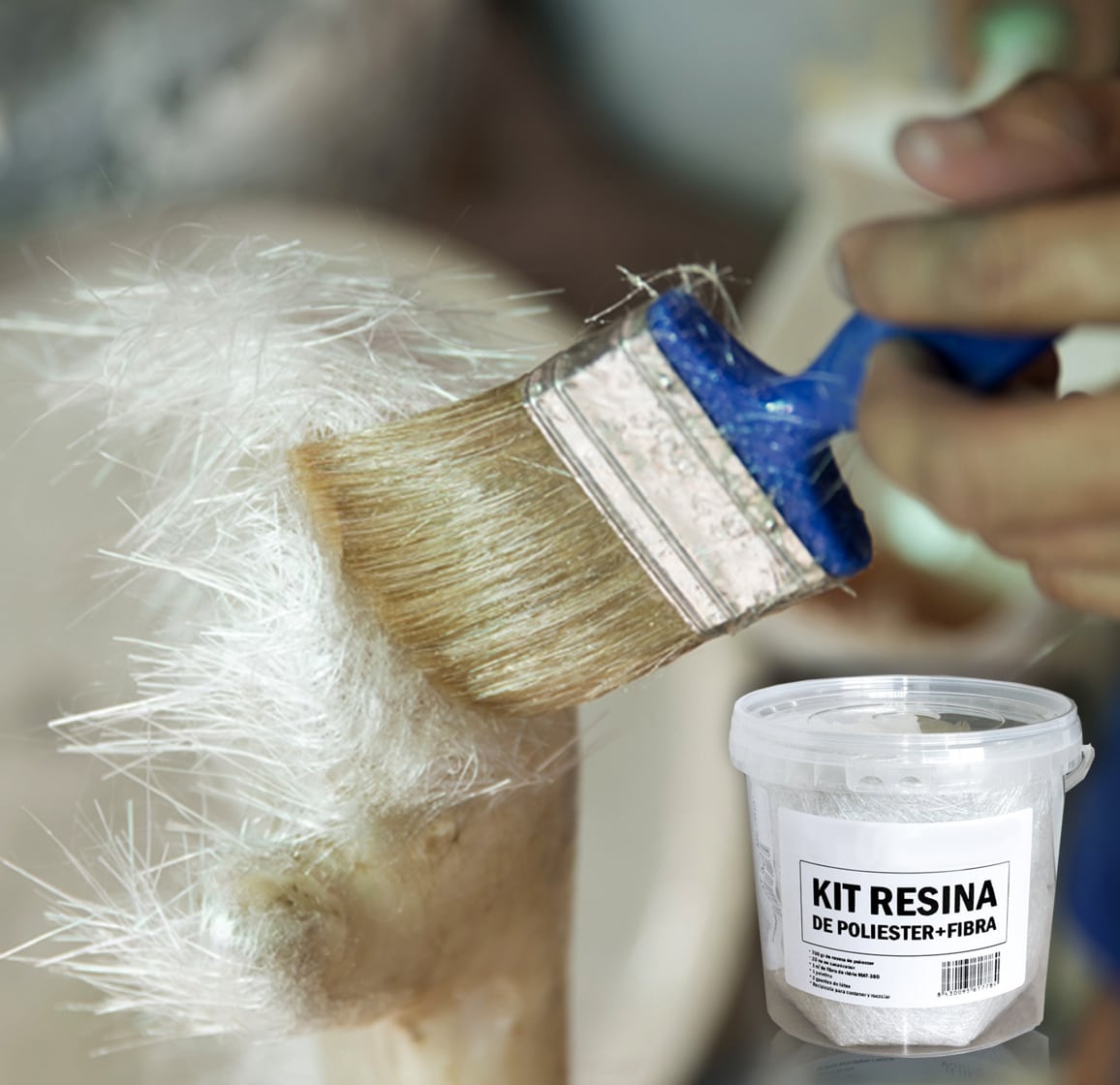
Choosing and using an impact-resistant epoxy
Look for a resin that states good impregnation and room-temperature curing if you are working in a typical workshop or driveway. The Carbon Resin epoxy for carbon fibre and fibreglass is one option designed for this kind of technical fabric work. Before mixing, read the product instructions and make sure the work area and resin are not too cold, as low temperatures can make epoxy cloudy or harder to work with.
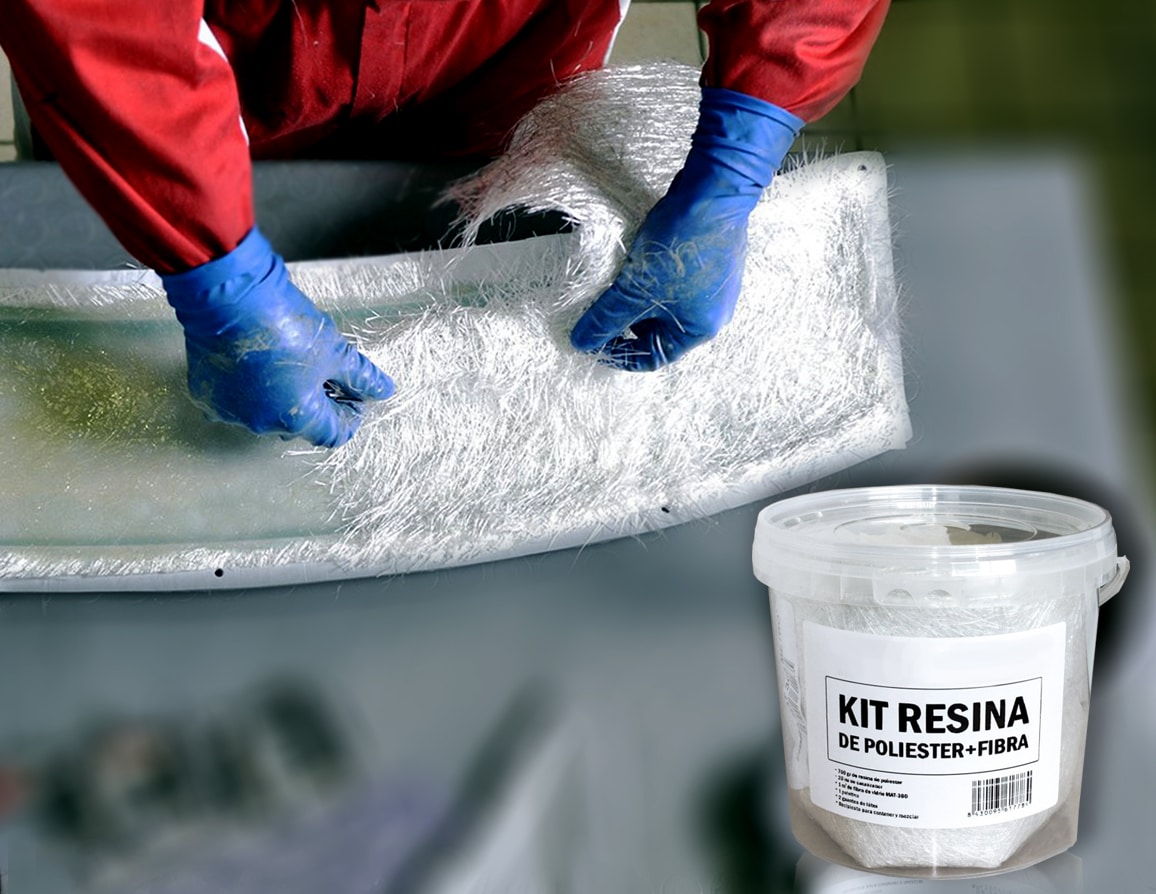
- Cut the fibre cloth to size before mixing the resin
- Work in thin, controlled layers to maintain even saturation
- Use a roller or brush to press out air pockets
- Allow full room-temperature cure before sanding or further work
When this matters for motorhome leak prevention
This matters most when you are repairing an area that takes mechanical load or sits near a potential water entry point, such as a cracked skirt, a stressed corner, or a damaged section of composite panelling. A laminate with high impact resistance is less likely to crack again under movement, which helps keep the repaired area sealed against moisture.
If the repair is on a dry, structural surface, this type of epoxy can form part of a longer-lasting waterproof barrier. Always prepare the surface properly and confirm the existing material is compatible before applying the resin.
Related products
Related guides
Used carefully, an impact-resistant epoxy with reliable impregnation supports stronger composite repairs that contribute to keeping water out of motorhome structures. For a broader look at sealing vulnerable areas, return to the guide on preventing water leaks in motorhomes.