 Free shipping on orders over £29,85
 Shipping Tracking!



 Google
 Facebook
← Back to How to polish a tile with clear resin for a glossy finish?

Selecting the right coating is crucial for achieving the perfect look and performance on your tiles. Let’s compare epoxy and polyurethane, so you can make an informed decision for your tile project.
Epoxy: Gloss, Clarity and Self-Levelling
Epoxy is a favourite for those aiming for a glass-like, highly reflective finish on tiles. It self-levels to fill minor surface imperfections, creating a smooth, ultra-clear layer that brings out the detail and colour below. If your priority is a striking, decorative finish—such as in kitchens, splashbacks, or artistic spaces—epoxy resin such as “Trasparente” – Multipurpose Clear Epoxy Resin can deliver the vibrant clarity and high gloss you’re looking for. Epoxy is best suited for interior surfaces where foot traffic or exposure to the elements is moderate.


Polyurethane: Durability and Versatility
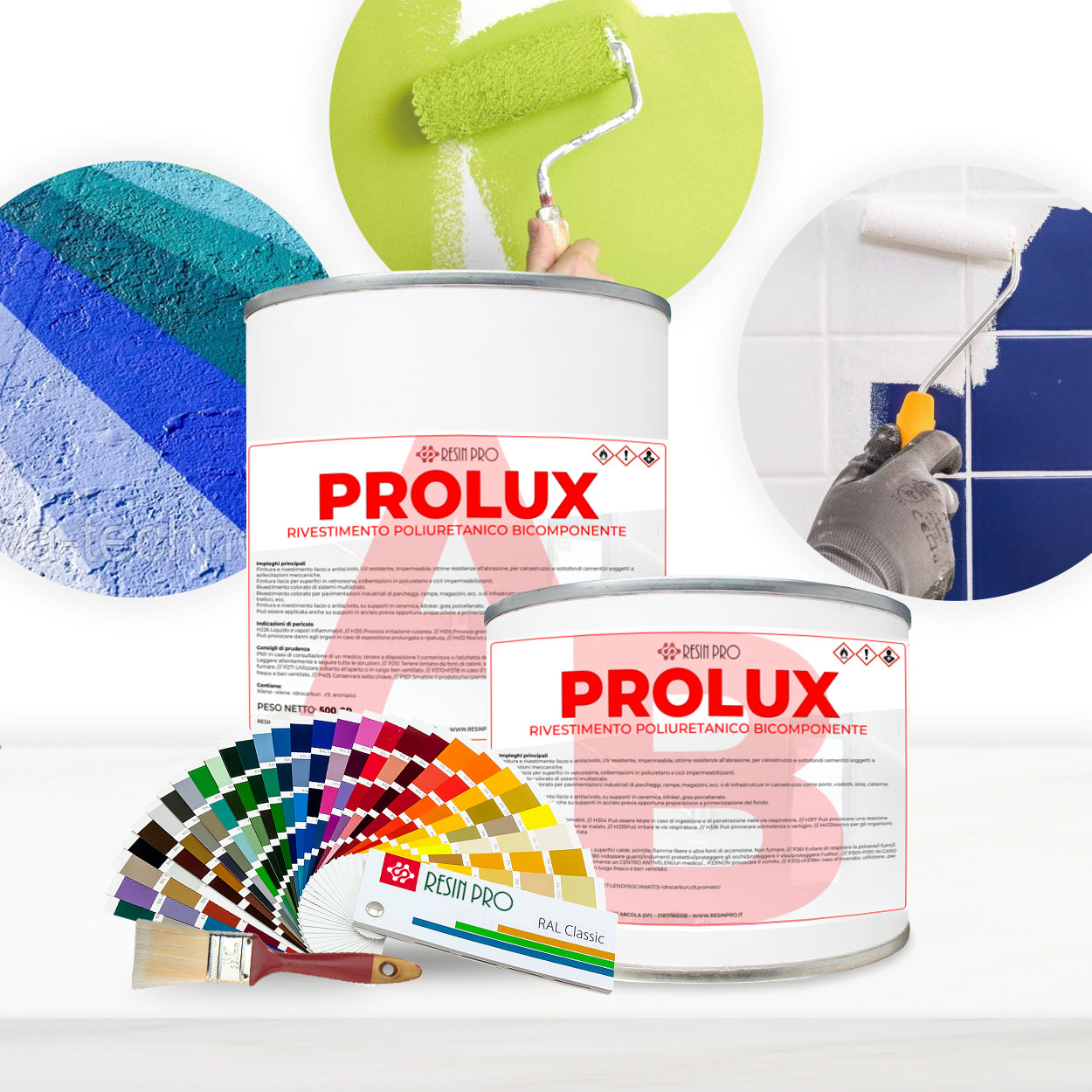
Polyurethane (PU) coatings are designed for tiles that must stand up to daily wear, weather, or heavy footfall, such as hallways, commercial floors, patios, or garages. A product like “Prolux” – PU coating offers resistance to abrasion, UV rays, and moisture, making it genuinely suitable for both indoors and out. Polyurethane can be applied in gloss or satin, and remains robust in high-traffic or damp areas, extending the life and maintaining the look of your tiles in even challenging conditions.
When the Choice Matters Most
- Choose epoxy for visual impact, especially on feature tiles and where a deep, glossy finish is desired.
- Choose polyurethane for hardworking areas, wet zones, or outdoors where resilience and longevity are key.

Related products
Related guides
Weighing up these options helps ensure your tiles stay glossy and protected, whether you’re chasing pure aesthetics or ultimate durability. For further advice on polishing tiles and choosing the right finish, visit the main guide on how to polish a tile with clear resin.