 Free shipping on orders over £29,85
 Shipping Tracking!



 Google
 Facebook
Epoxy Wall Coatings: Custom Style with Robust Splash Resistance
← Back to Bathroom protective film
Quick answer
Epoxy wall coatings are thick, moisture-resistant surface finishes that combine decorative colour effects with durable splash protection. Applied to vertical and sloping areas such as bathroom walls, they preserve textured patterns because they do not self-level. Pigments, including metallic effects, can be added to create a tailored look. Once cured, the surface forms a washable layer that resists moisture and everyday cleaning.
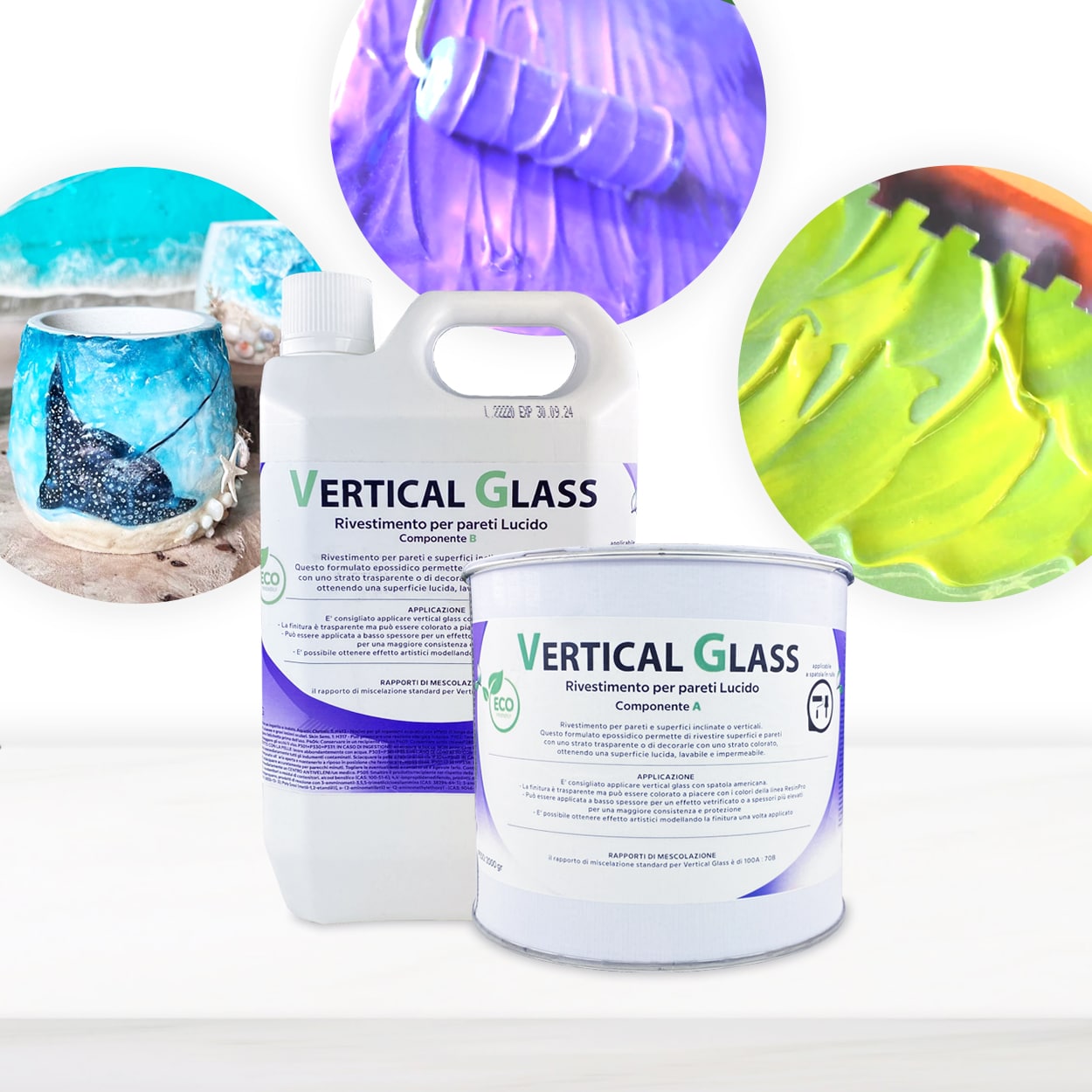
Choosing an epoxy wall coating usually comes down to two things: the look you want and the level of moisture the surface has to handle. A decorative vertical resin can do both, but it is worth understanding how it behaves before you buy.
When splash resistance matters most
Bathrooms, shower surrounds, and wash zones put walls under constant moisture stress. Thin paint films can discolour, peel, or allow water to reach the substrate. An epoxy wall coating forms a durable, non-porous layer that resists splashes and is easier to wipe clean.
A thicker coating like Vertical Glass is useful here because it stays on vertical surfaces without slumping. This allows it to hold textures and patterns while still providing a washable, moisture-resistant finish.
Creating a custom finish
Customisation is the main reason to choose an epoxy wall coating instead of a standard splashback panel. Pigments can be added to the resin to create solid colours, translucent washes, or metallic effects. The final sheen can also be controlled: apply thinly for a more vitrified look, or build up the coating for additional depth and protection.
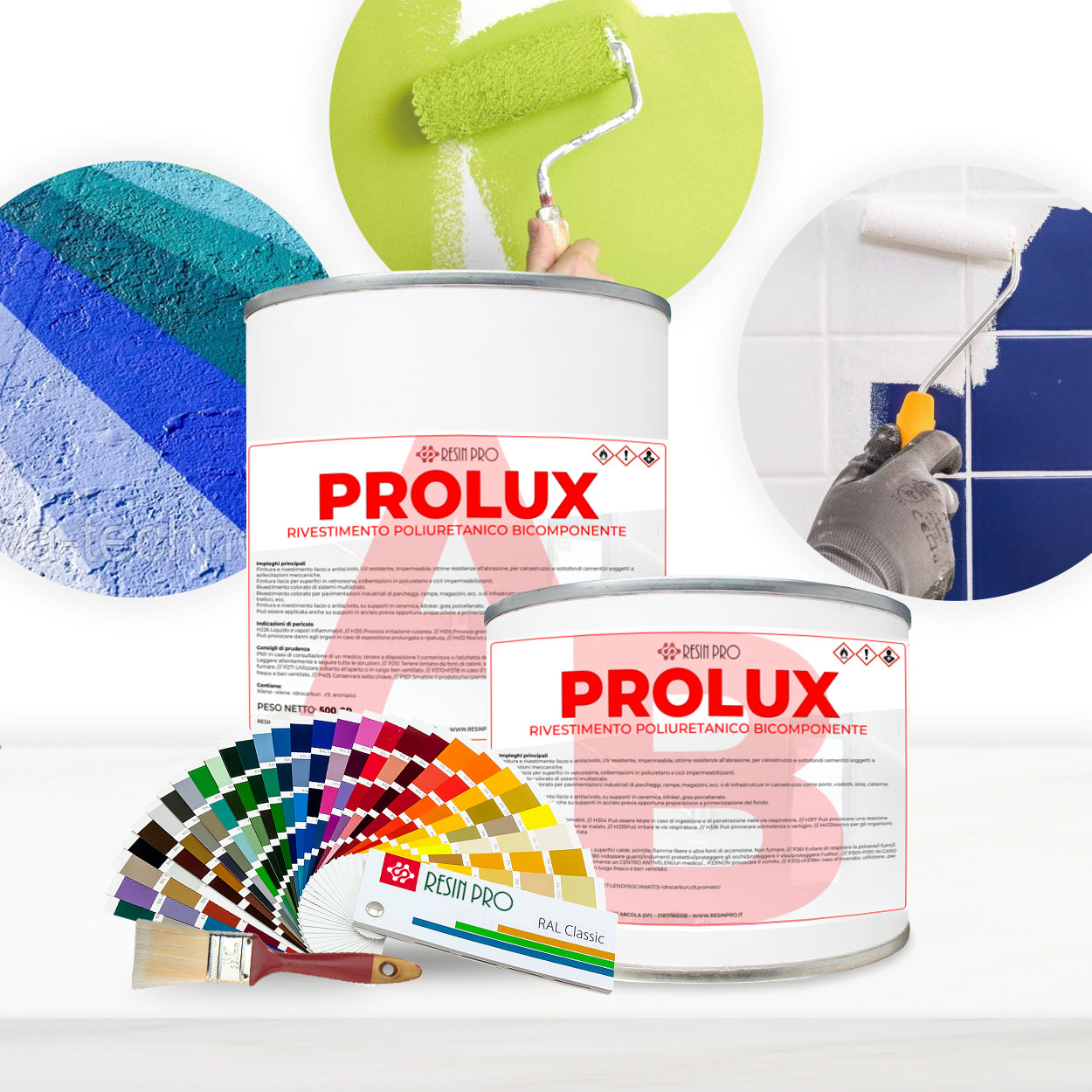
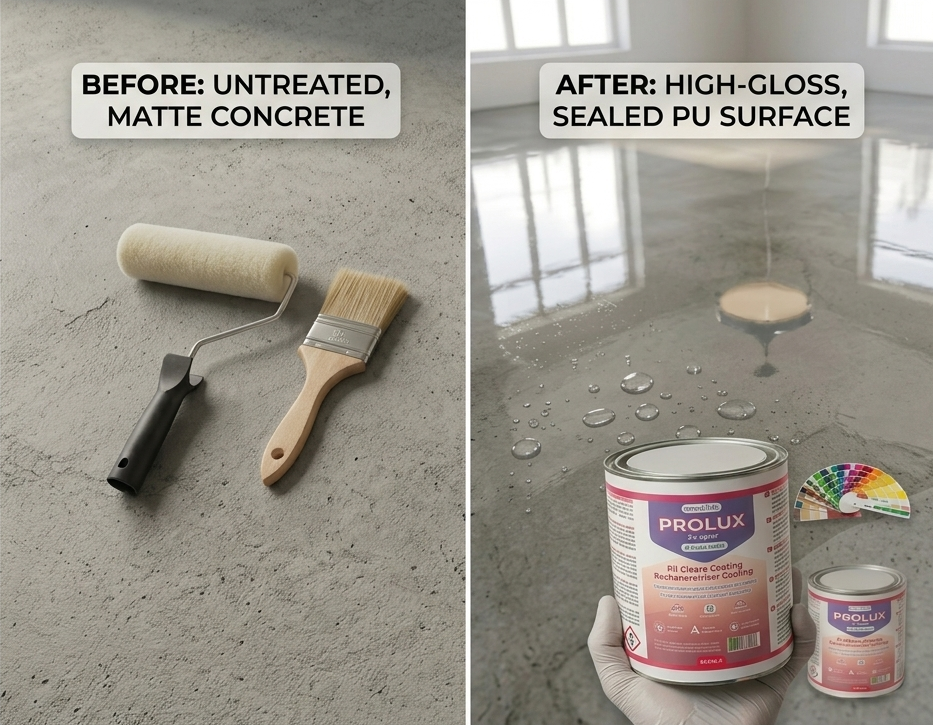
For a more industrial or satin finish on tiles and concrete, Prolux PU coating is an alternative that can be mixed in any colour and supplied in gloss or satin. While it is polyurethane rather than epoxy, it serves a similar purpose in wet, high-traffic areas.
Practical buying and preparation notes
Before buying, check the coating’s recommended substrates and application limits. Vertical epoxy products are usually applied with a spatula rather than poured. Surfaces should be clean, dry, and structurally sound. Some coatings suit tiles and concrete; others also work on wood or brick.
- Choose a non-self-levelling resin for vertical walls if you want pattern definition.
- Check moisture and UV resistance if the wall receives direct light or heavy splashback.
- Confirm the maximum layer thickness per application to avoid curing issues.
If you need a clear, odourless protective layer on smaller bathroom surfaces or furniture, Icrystal clear epoxy resin can be an option, though it is better suited to coating rather than heavily textured wall builds.
Related products
Related guides
Epoxy wall coatings offer a more permanent way to address splash and moisture than temporary protective films, but they demand more preparation and are harder to reverse. If you are still weighing up surface protection options, treat this as one end of the bathroom protective film spectrum: decorative, built-in, and designed for daily contact with water.