 Free shipping on orders over £29,85
 Shipping Tracking!



 Google
 Facebook
Fibreglass Reinforcement for Moisture and Chemical Resistance
← Back to Professional anti-infiltration product
Quick answer
Fibreglass reinforcement in two-component polyester putty is a method of adding short glass fibres to the filler, which increases mechanical strength and improves resistance to moisture, water, chemicals and corrosion. Compared with standard fillers, reinforced putty is better suited to deeper repairs, areas subject to mechanical stress or vibration, and surfaces that may be regularly damp or exposed to chemical contact. The cured material can be sanded to a smooth, paint-ready finish, making it useful for repair work where durability is essential.
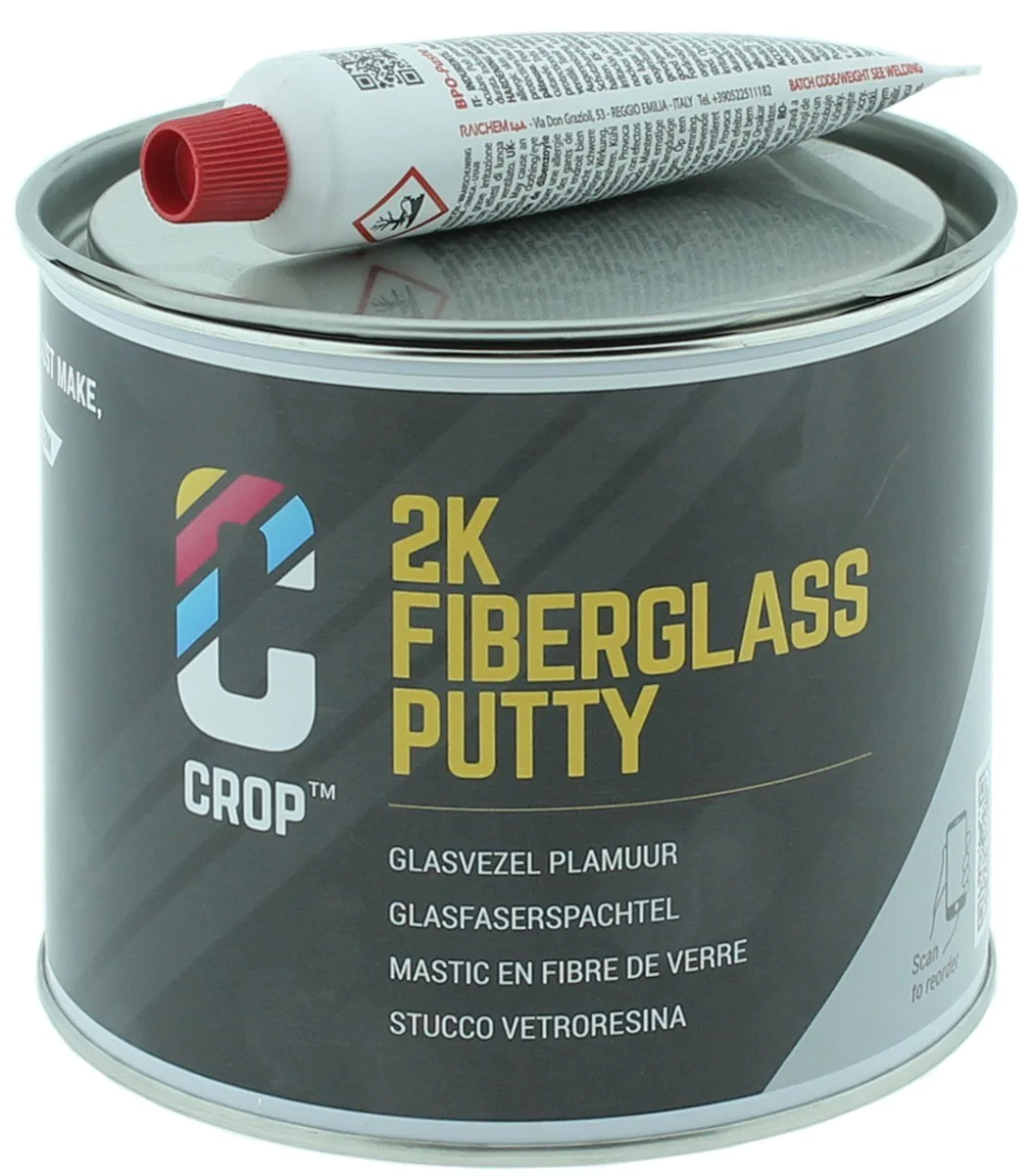
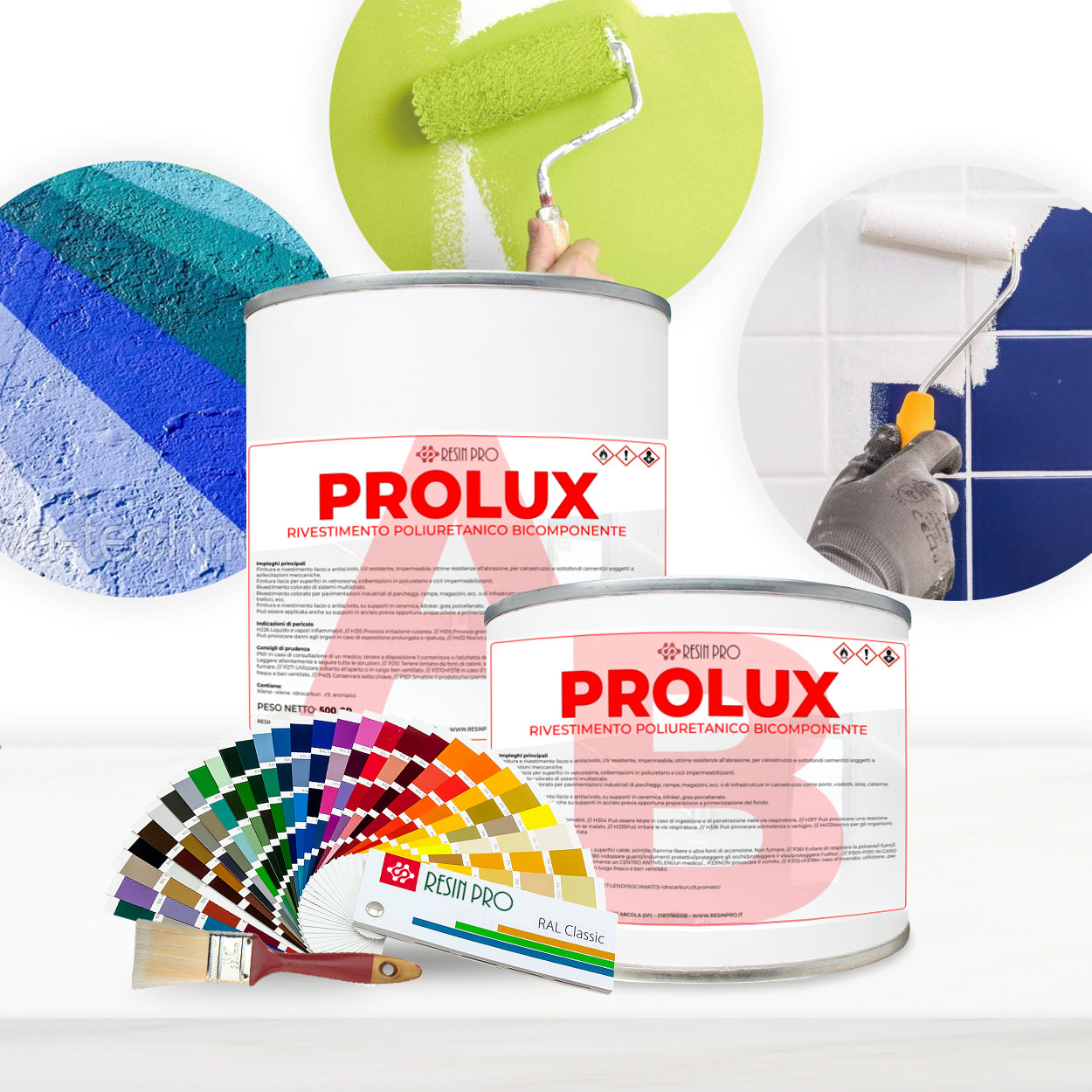
If you are repairing a surface that will face damp conditions, chemical splashes or repeated movement, a fibreglass-reinforced filler is often a more dependable choice than a standard body filler. The glass fibres help the cured material hold together under stress, reducing the likelihood of cracking or moisture ingress over time.
What fibreglass reinforcement actually does
Glass fibres distributed through a polyester putty act like internal reinforcement. Once the two components are mixed and cured, the fibres help bridge small cracks and create a repair layer that is less likely to shrink or crack under load. This is particularly useful when a repair needs to be built up in thicker sections rather than applied as a thin skim.
The CROP 2K Fibreglass Putty is a practical example: it is formulated for deeper filling and can be sanded back to a smooth finish before priming and painting.
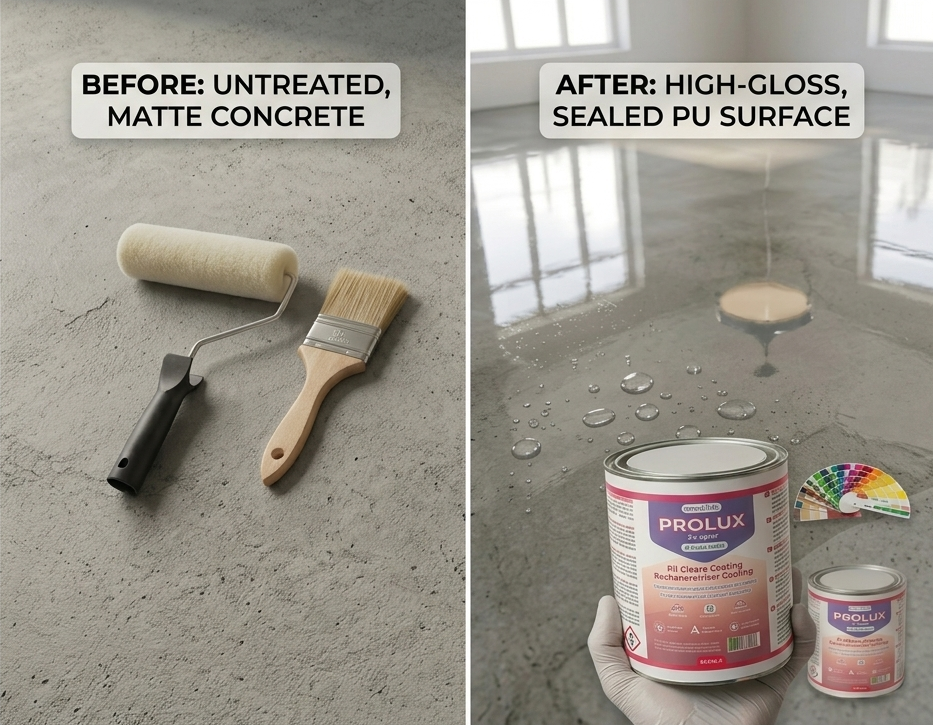
When this matters: damp, chemical and vibration exposure
Fibreglass reinforcement becomes more relevant when a surface is not simply cosmetic. Garages, plant rooms, vehicle repair areas and exterior metalwork can all expose a filled repair to moisture or mild chemical contact. In these conditions, standard fillers may absorb water or degrade more quickly, while a reinforced formula is designed to hold up better.
- Deep cracks and dents that need a thicker fill
- Areas subject to movement, vibration or mechanical stress
- Surfaces likely to come into contact with water, humidity or cleaning chemicals
- Repairs that will be overcoated with a protective anti-infiltration finish
Practical application and finishing tips
For best results, work on a clean, dry and degreased surface. Mix the putty and hardener thoroughly according to the product instructions, then press the material firmly into the repair area to reduce air pockets. Because reinforced putty can be applied in thicker sections, it is often possible to fill deeper damage without multiple thin layers.
Once fully cured, sand the repair gradually to a level surface. A fibreglass-reinforced putty is intended as a repair layer, not a final topcoat, so follow with a suitable primer and paint or a protective coating if the surface needs ongoing moisture or chemical resistance.
Related products
Related guides
For professional anti-infiltration work, fibreglass reinforcement is one stage in a longer-lasting system. Repairing a surface with a moisture- and chemical-resistant filler, then sealing it with a compatible protective coating, helps keep water and contaminants out. You can find more guidance in the professional anti-infiltration product area.