 Free shipping on orders over £29,85
 Shipping Tracking!



 Google
 Facebook
Fibreglass Reinforcement for Extra Strength in RV Roof Seams
← Back to Waterproofing RV roof seams
Quick answer
Fibreglass reinforcement is a repair technique that combines polyester or epoxy resin with glass-fibre matting or filler to produce a stronger, more rigid bond than resin alone. On RV roof seams, the fibre layer helps spread stress across the repaired area and reduces the chance of cracking, lifting or water penetration. When applied to clean, dry, rigid surfaces, a reinforced repair can create a durable waterproof bridge that supports the surrounding roof structure.

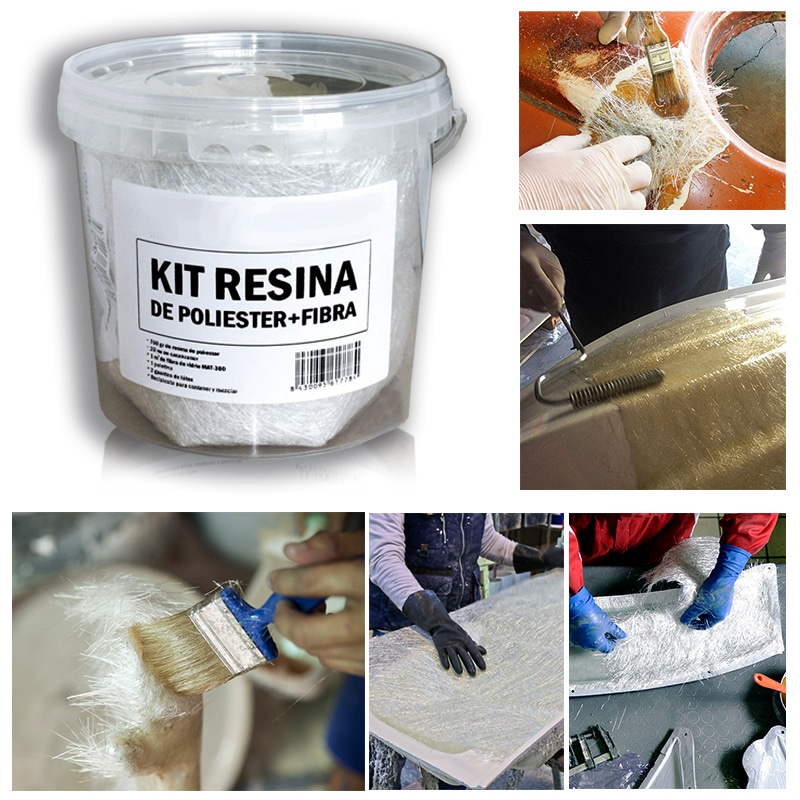
Many roof seam leaks start at points of repeated flex, where a thin sealant line eventually splits. Adding fibre reinforcement gives the repair extra body, making it better suited to areas that move slightly or carry standing water after rain.
What Fibreglass Reinforcement Adds to a Repair
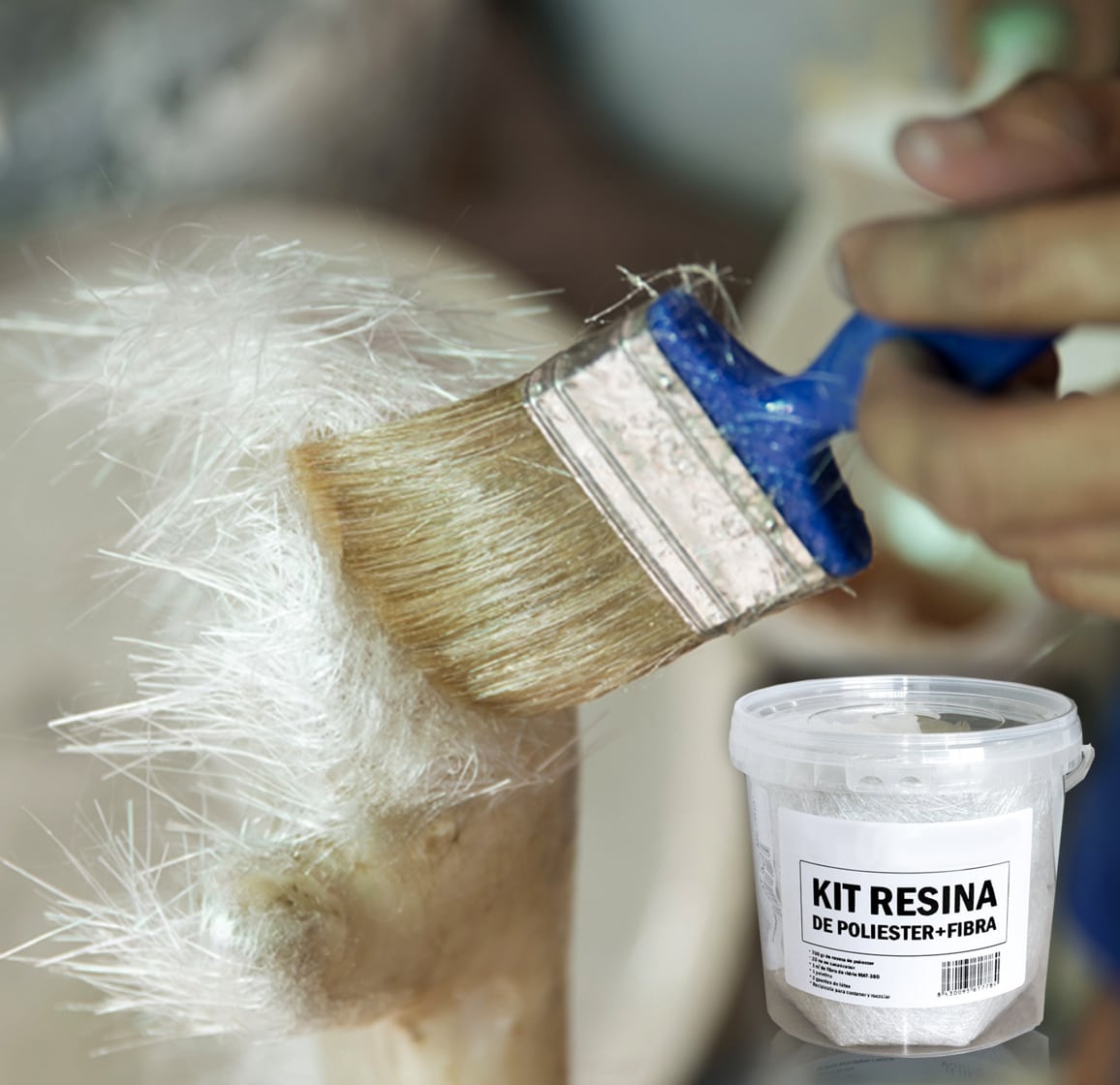
A standard resin coat can seal a small surface gap, but it remains relatively thin and may crack if the roof flexes. Fibreglass matting or reinforced filler changes that by giving the cured layer a supporting internal structure.
- Distributes stress across the seam rather than concentrating it at one edge
- Prevents cracking and breakage after curing when the roof is under stress
- Adds impact resistance and waterproof body to repairs on rigid surfaces
- Creates a sandable surface that can be finished and painted where the repair is visible
Material Choices for Roof Seam Reinforcement
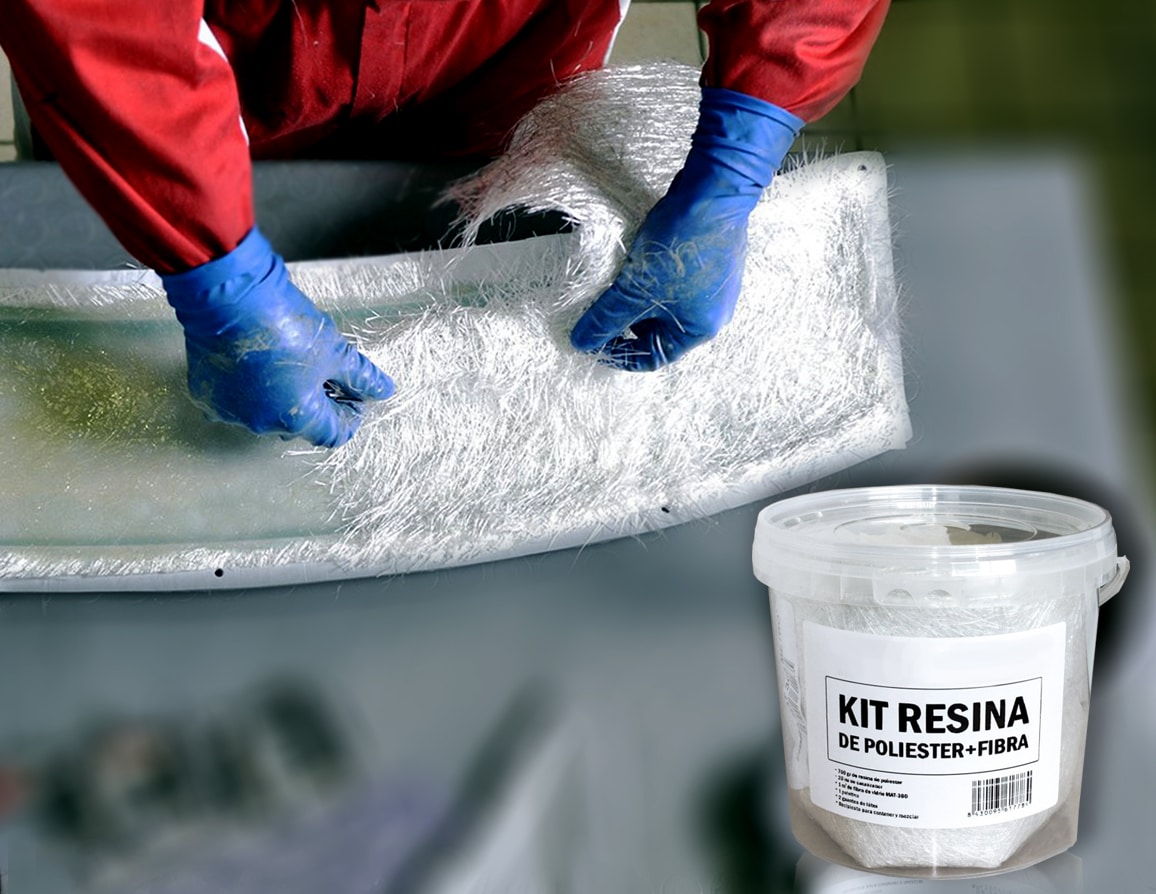
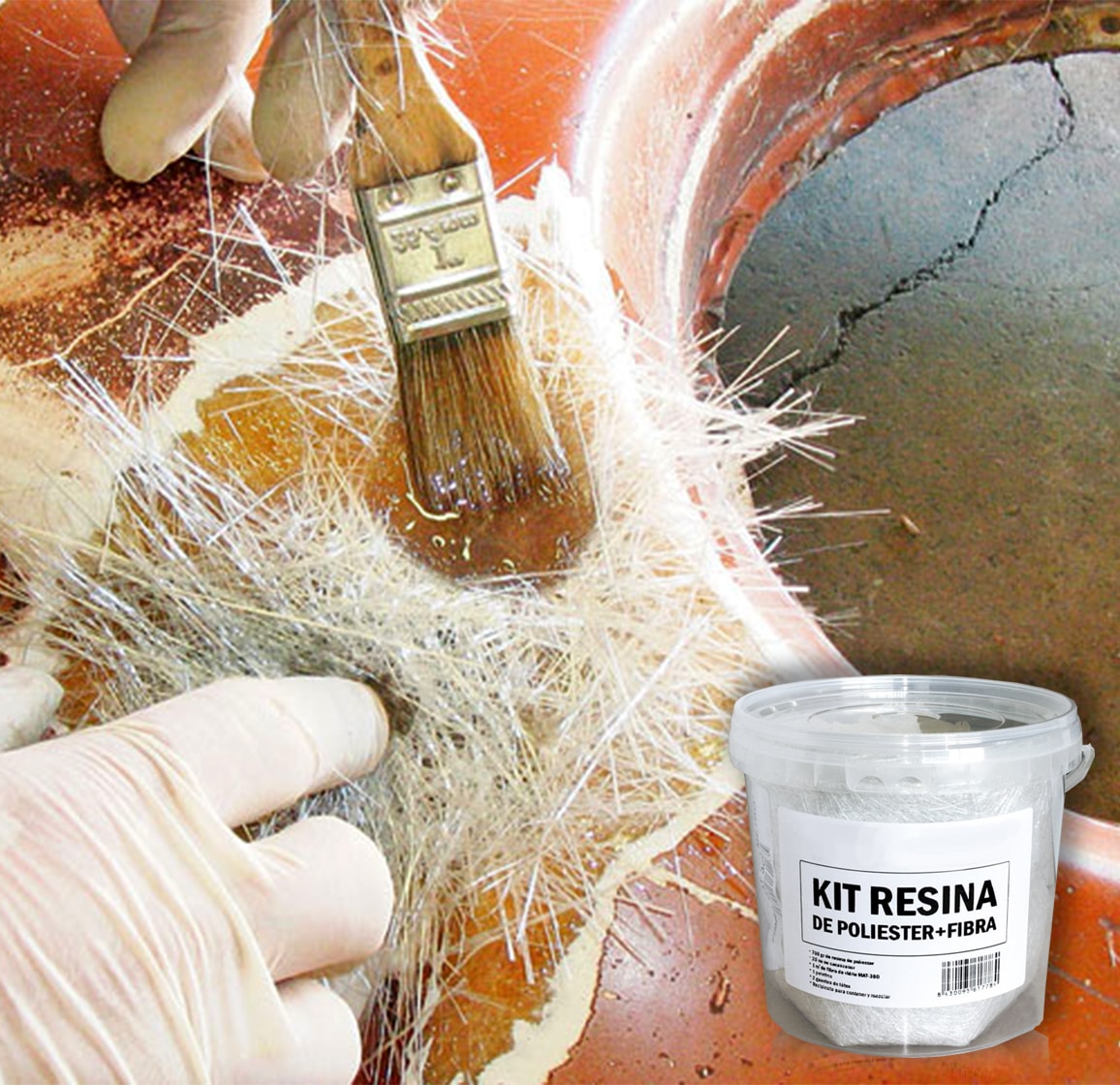
For most RV roof seams, a complete polyester resin and fibreglass mat kit is the most direct option. The Resin Fibreglass Repair Kit includes resin, hardener, matting and basic application tools, and is designed for waterproof structural repairs on rigid surfaces.
- Fibreglass mat and polyester resin: good for bridging cracked or split seams with a reinforced waterproof layer
- Fibreglass-reinforced putty: useful for filling deeper cracks, dents and cavities before top coating
- Low-viscosity epoxy: can penetrate and reinforce dry wood surfaces that form part of the roof structure
When Fibreglass Reinforcement Matters
Reinforcement is most useful when a seam is structurally weak, deeply cracked or showing signs of repeated movement. A simple bead of sealant may be enough for a fine surface line, but it is less likely to hold once water pressure, sun exposure and roof flex are involved.
If the surrounding substrate is sound and rigid, the extra strength from fibre matting or reinforced filler can help the repair survive longer between maintenance checks.
Related products
Related guides
Used as part of a systematic roof seam repair, fibreglass reinforcement improves durability at the point where many leaks begin. For guidance on preparation, sealing and finishing the surrounding area, view the full waterproofing RV roof seams guide.