 Free shipping on orders over £29,85
 Shipping Tracking!



 Google
 Facebook
Using Fibreglass Kits on Flexible Camping Gear
← Back to Waterproofing Instructions for Campers
Quick answer
Fibreglass repair kits are rigid bonding systems designed for hard surfaces, so a standard polyester resin kit is generally unsuitable for tents or other flexible camping fabrics. They work best on rigid plastics, metals, fibreglass panels and camper shells where a waterproof structural repair is required. The cured resin remains stiff, so it does not move with a flexible material. For soft shelters and fabric gear, a specialist fabric repair or a resin system intended for technical fabrics is usually more appropriate.

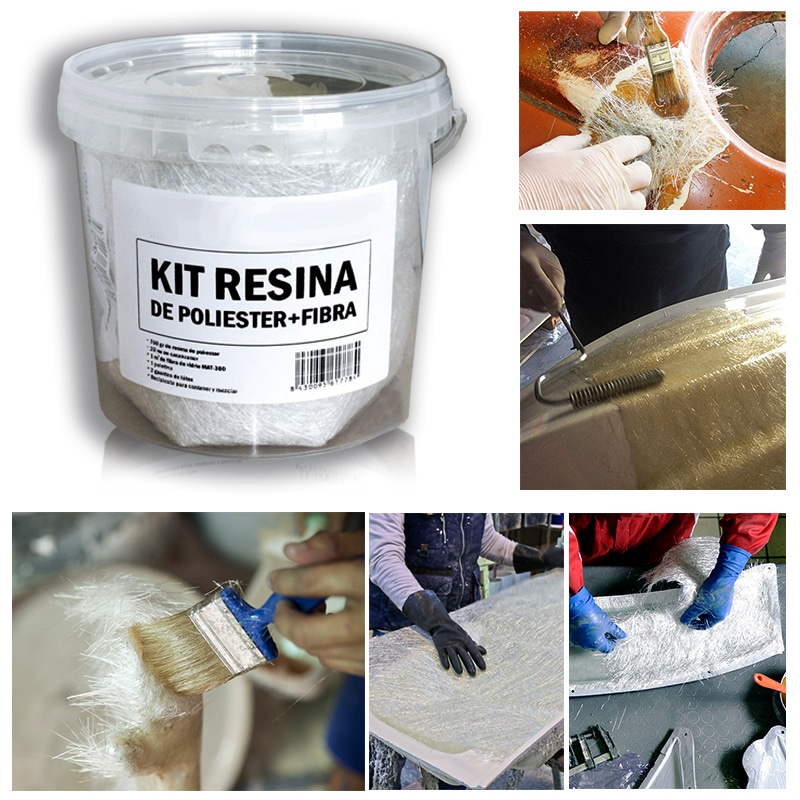
The question often comes up when a groundsheet tears or a tent pole sleeve splits and a fibreglass kit is already to hand. The useful distinction is movement: if the damaged area flexes during packing or in the wind, a rigid polyester repair can pull away from the edges. Save the fibreglass kit for rigid repairs and choose a flexible approach for fabric.
Where a fibreglass kit works well
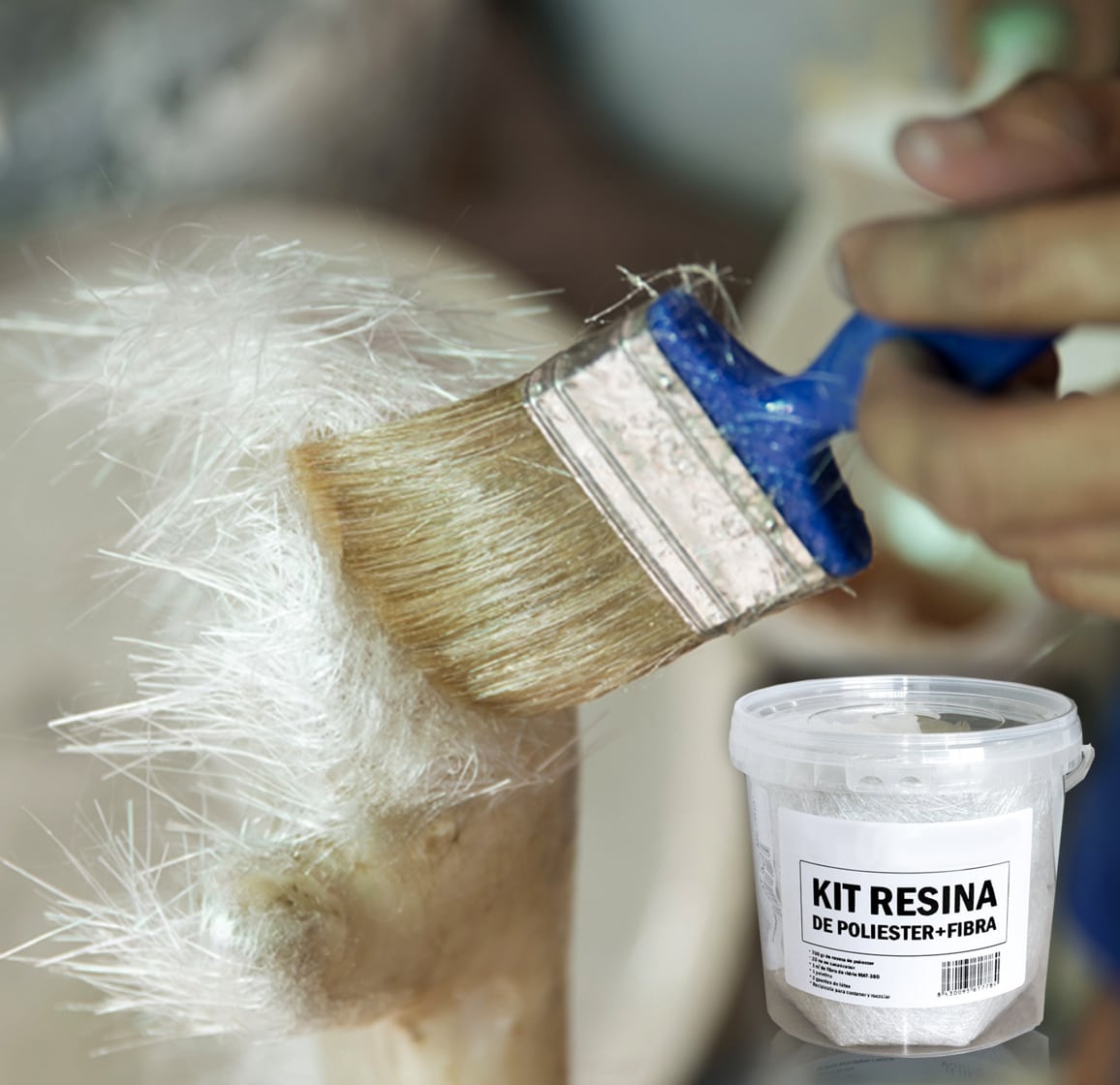
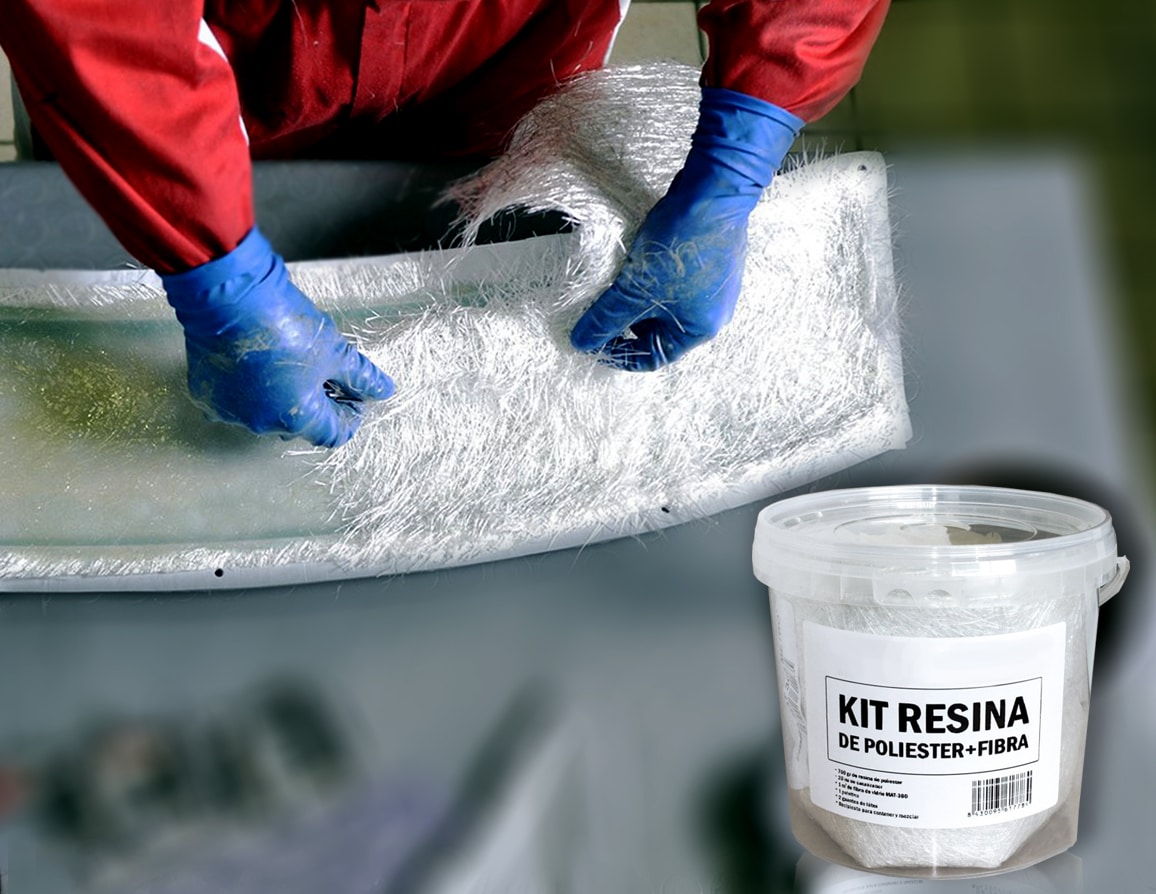
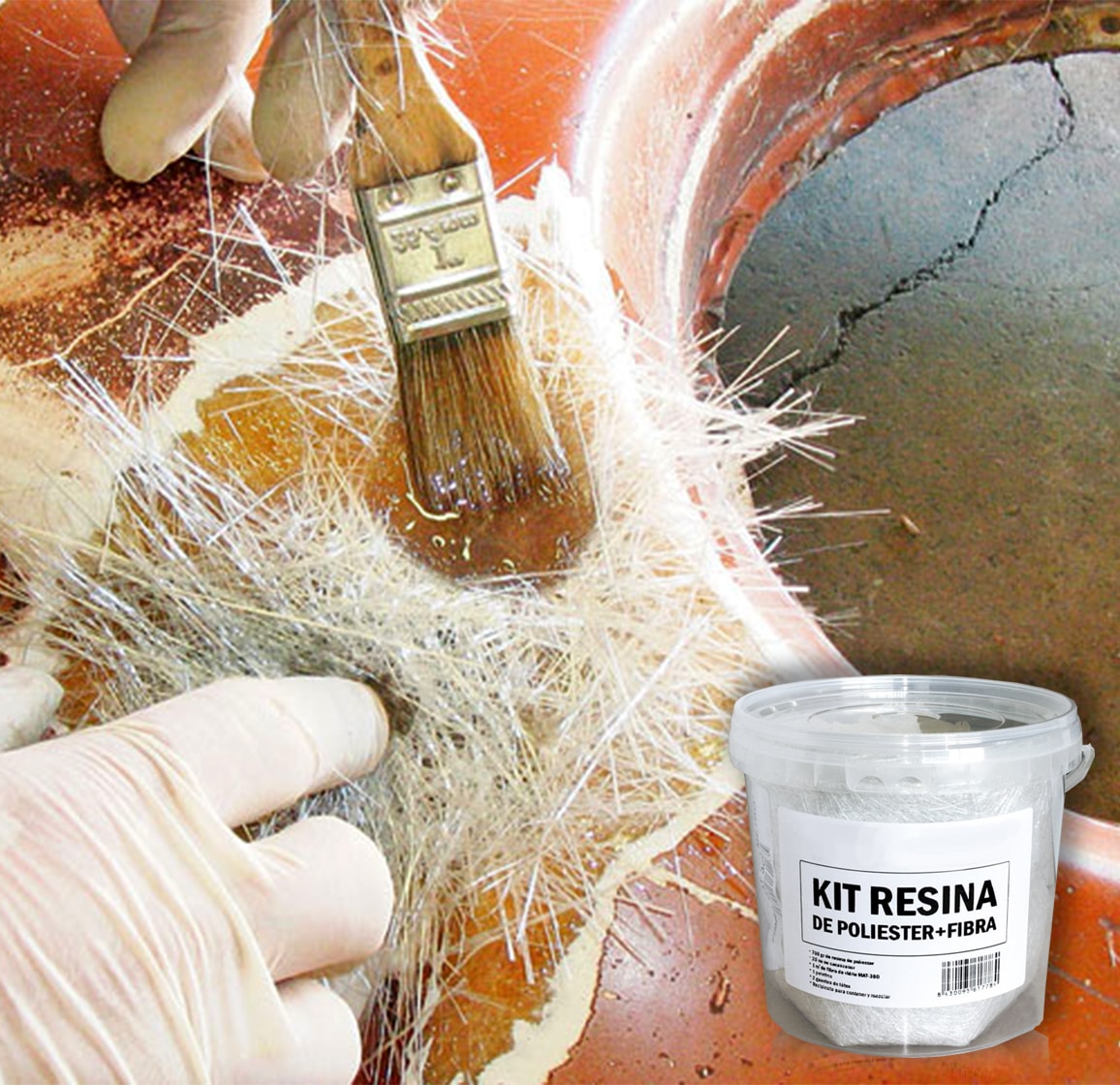
A polyester resin and fibreglass mat kit is designed for solid reinforcement and waterproofing. It cures into a hard, impact-resistant layer that adds strength to rigid surfaces such as camper shells, hard-sided roof boxes, rigid plastic fittings and metal brackets.
For this type of repair, a complete kit such as the Resin Fibreglass Repair Kit includes the resin, hardener and mat in one box, which keeps preparation straightforward.
- Camper shell cracks and splits
- Rigid plastic storage boxes or hard cases
- Metal brackets and hard-shell panels
- Fibreglass surfaces that do not flex in use
Why tents and flexible fabrics need a different repair
Flexible camping materials stretch, fold and move as the shelter is pitched, packed or hit by wind. Polyester resin cures faster and is suited to rigid shells and fibreglass; epoxy is typically used for technical fabric repairs and may be chosen where some flexible bonding is needed.
Before applying any resin to a tent or soft bag, check whether the product is formulated for the specific fabric and whether it can accommodate the expected movement. A general fibreglass kit is not a fabric adhesive.
- Tent flysheet and inner fabric tears
- Groundsheet punctures underfoot
- Soft luggage, awning panels and pole sleeves
When this matters
The risk is highest where a repair crosses a seam, a fold point or an area that stretches when the shelter is pitched. A rigid patch in those zones can stop the fabric from moving naturally. In contrast, a hard-shell camper repair benefits from a stiff, waterproof bond because the panel itself should not flex.
Related products
Related guides
Matching the repair to the material is the first step before any sealing or coating. For more on preparing surfaces and keeping gear weatherproof, see the main waterproofing instructions for campers.