 Free shipping on orders over £29,85
 Shipping Tracking!



 Google
 Facebook
Floor adhesion primer for industrial concrete flooring
Quick answer
Floor adhesion primers for industrial concrete flooring are essential preparatory products used to maximise the bond between substrates and subsequent coatings. They are crucial for ensuring long-lasting, stable surfaces in environments exposed to heavy traffic, chemicals, or moisture. Selecting the right primer or coating helps prevent defects, enhances durability, and tailors floors for specific industrial requirements.


Find the ideal primer or coating for concrete, timber or tile floors
Choosing the right primer or coating for industrial concrete flooring is vital to achieving a durable, stable, and professional finish. Whether you’re working on a warehouse, factory, car park, or a renovation project, the right adhesion primer ensures strong bonding and long-lasting performance. This guide compares leading options from ResinPro for concrete, tile, and timber surfaces to help you select the best fit for your industrial flooring needs.
Overview: Comparing the Top Primers and Coatings
Industrial concrete floors demand different adhesion primers depending on the environment and specific use. Epoxyprimer offers versatile substrate compatibility with easy indoor use, while Resinstone excels at sealing and protecting absorbent concrete for both indoor and outdoor spaces. Prolux stands out when enhanced surface protection against abrasion, UV, and chemicals is required—including driveable and exposed areas. For specialist repair and bonding, Magelstick provides targeted solutions for both vertical and horizontal surfaces. Consider your site requirements, substrate type, and environmental exposure to narrow down your choice.
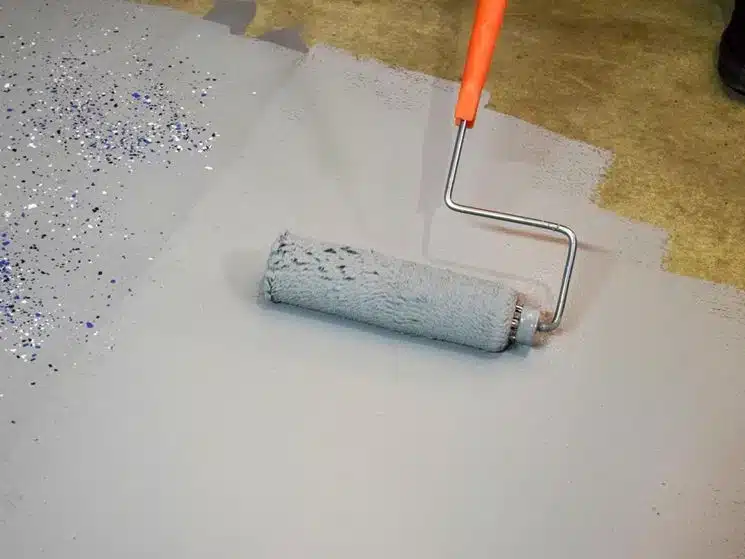
Visual Guide to Industrial Flooring Primers
See the differences between water-based epoxy primers, polyurethane coatings, and methacrylic resins in action across various industrial flooring scenarios. Observe the finishes, opacity levels, and substrate compatibility options demonstrated on-site.
“Epoxyprimer” – Universal Water-Based Two-Component Epoxy Floor Primer
Epoxyprimer is a universal water-based two-component epoxy floor primer engineered to maximise adhesion between concrete, wood, tiles, or screeds and any subsequent epoxy coatings. This odourless, eco-friendly formula is ideal for environments requiring safe indoor application, offering a reliable barrier that reduces pinholes and air bubbles. With quick and simple application by roller, brush, or spatula, it suits professionals and serious DIYers aiming for consistent project results. Cure time ranges from 24 to 48 hours, and the consumption rate adapts to substrate porosity to control costs.
“Epoxyprimer” – Universal Water-Based Two-Component Epoxy Floor Primer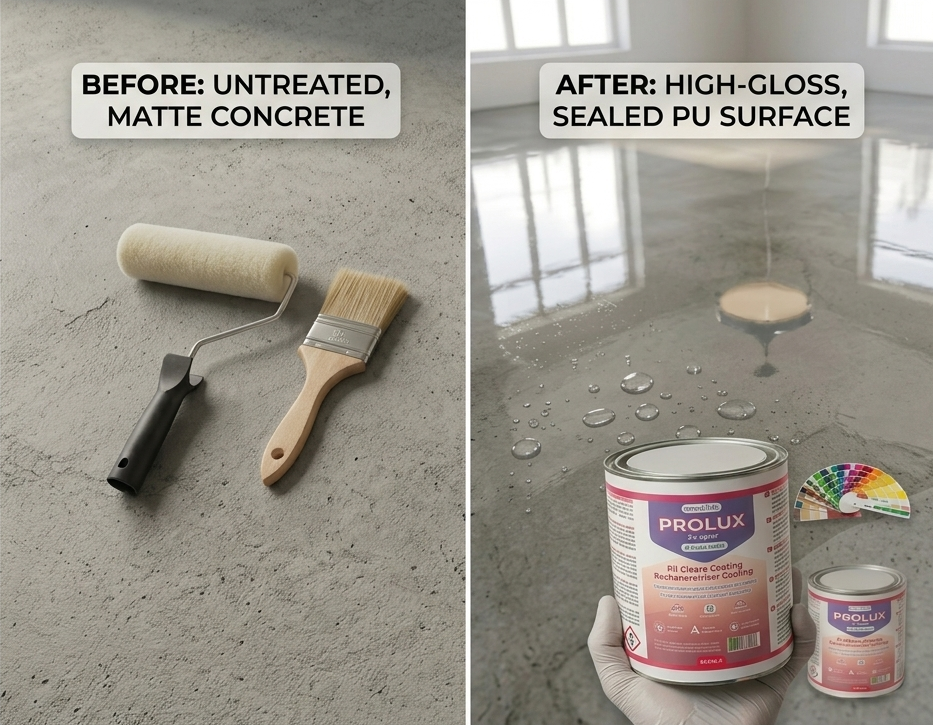
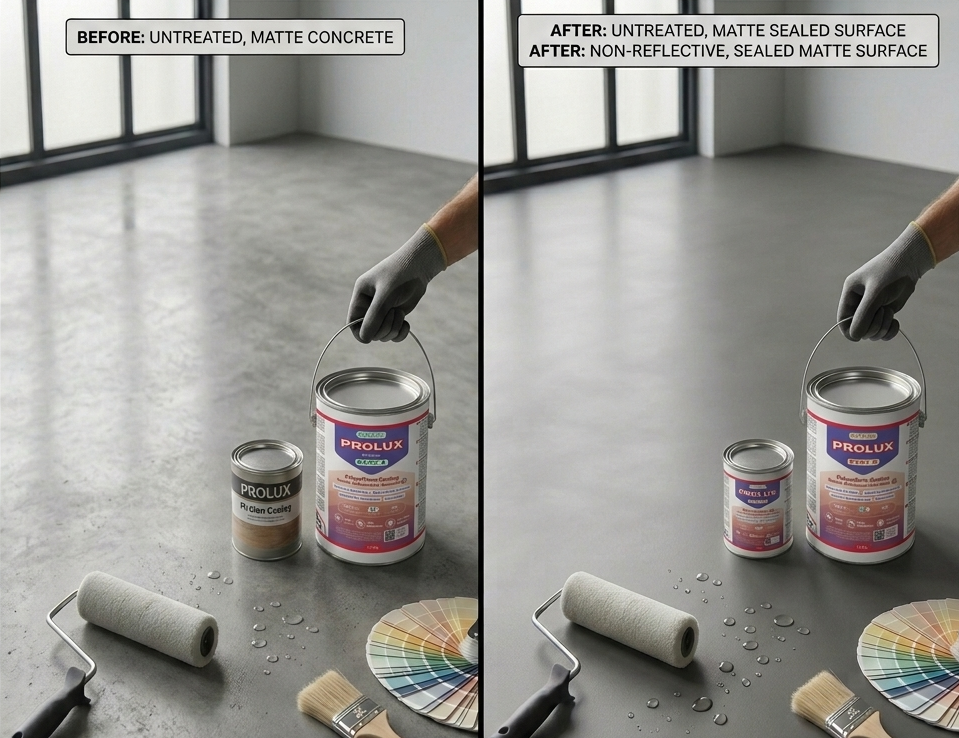
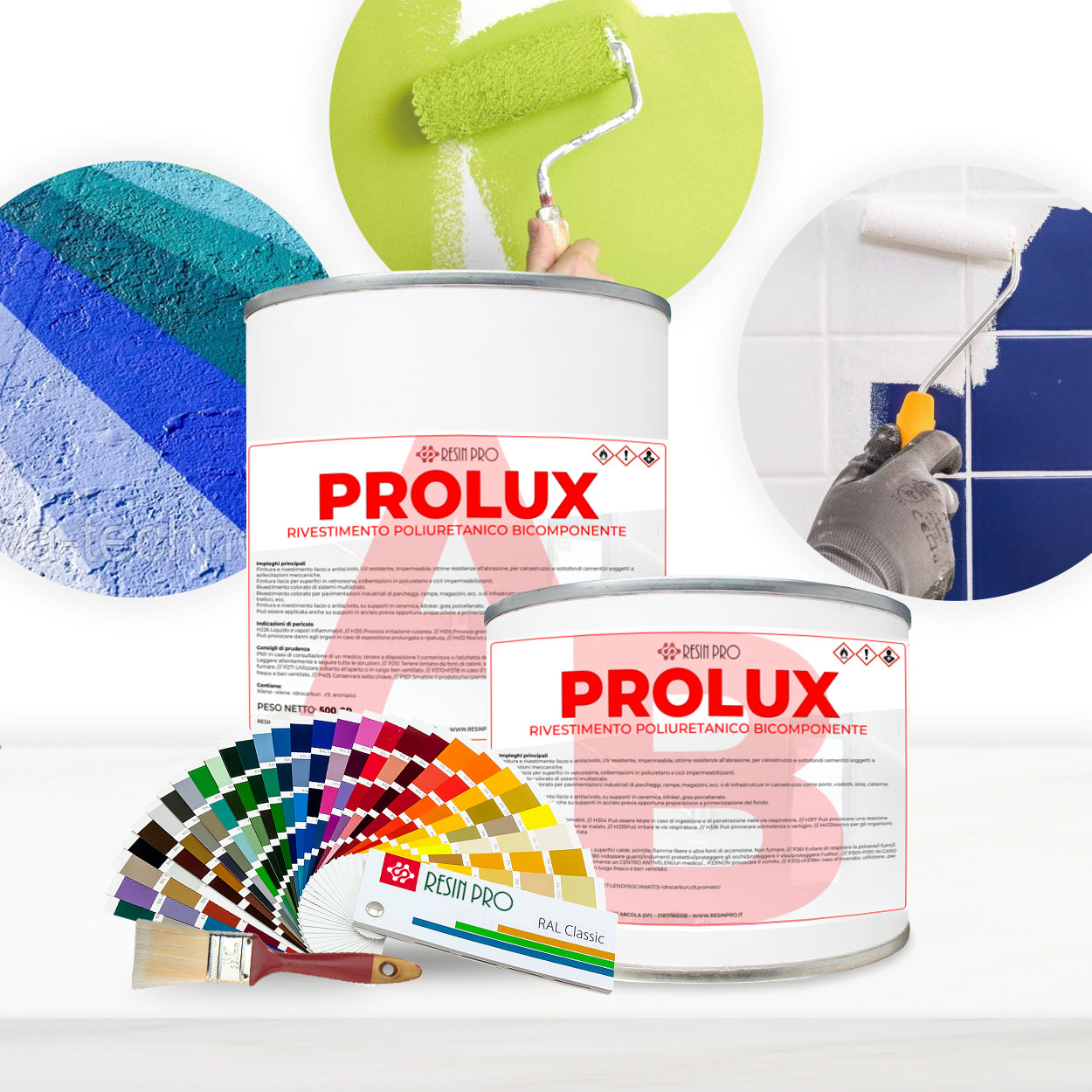
“Prolux” – PU coating for tiles, concrete, plastic and metal – suitable for driveable surfaces
Prolux delivers a high-durability polyurethane finish, suitable for multiple surfaces including concrete, tile, and metal. This two-component system excels in high-traffic, damp, or exterior environments, thanks to resistance against UV rays, abrasion, yellowing, and weathering. Prolux is CE marked (EN 1504-2) and can be applied in a gloss or satin finish, with colour options to match your space. Its high coverage and adaptability—such as the ability to create anti-slip surfaces—make it a popular choice for parking areas, warehouses, driveways, and more, wherever robust long-term protection is a priority.
“Prolux” – PU coating for tiles, concrete, plastic and metal – suitable for driveable surfaces“Resinstone” – One-Component Methacrylic Resin for Concrete Floors and Driveways
Resinstone is a one-component methacrylic resin formulated for sealing, hardening, and protecting absorbent concrete surfaces. It offers superior mechanical resistance for long-lasting results and waterproof, yet breathable, protection against chemicals, UV rays, and weather. Its fast-drying composition means floors are ready for use in less than 12 hours—a major advantage for sites with tight turnaround times. Applied via pour-over or spray, Resinstone is suitable for garages, driveways, stamped concrete, and industrial yards seeking maintenance-free performance.
“Resinstone” – One-Component Methacrylic Resin for Concrete Floors and Driveways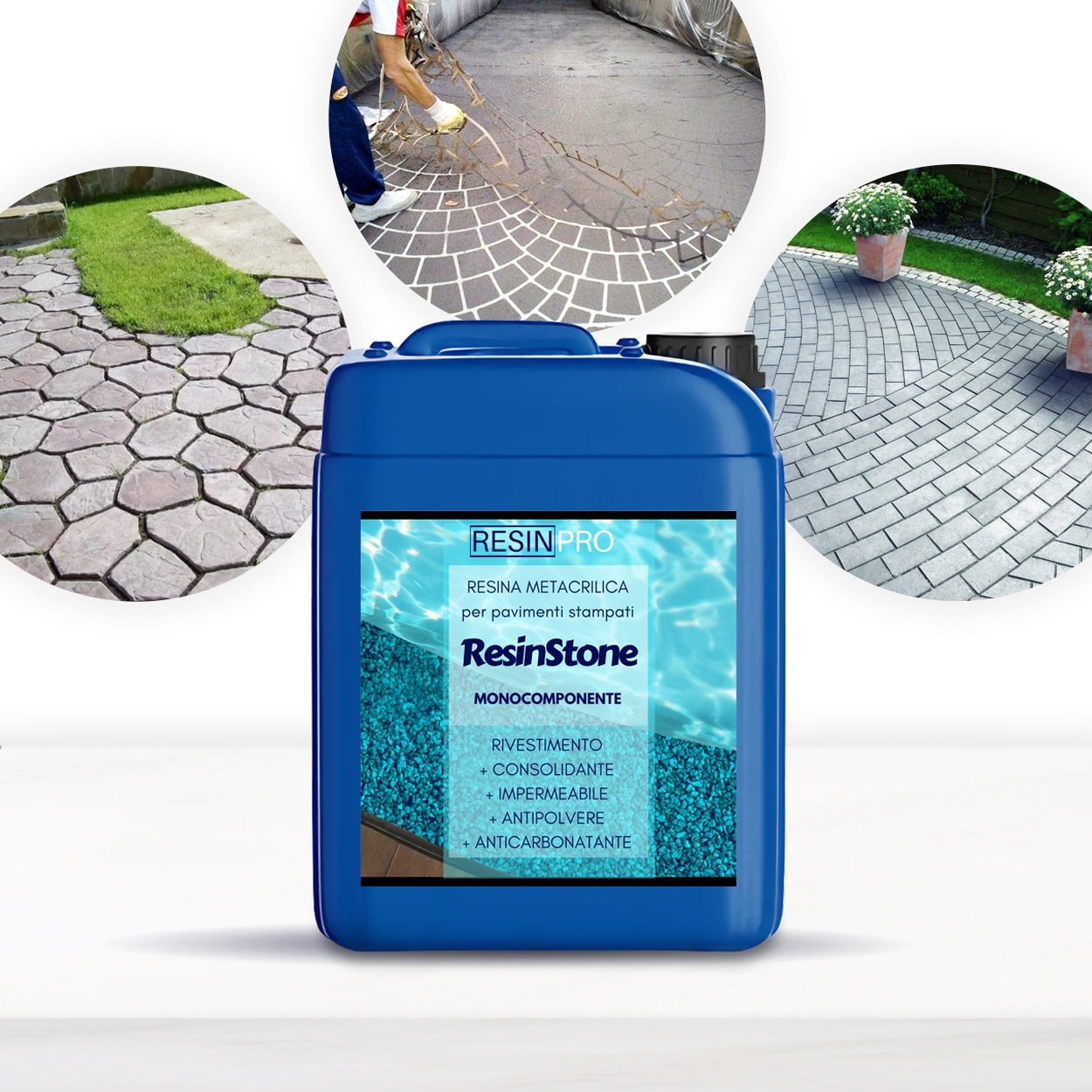
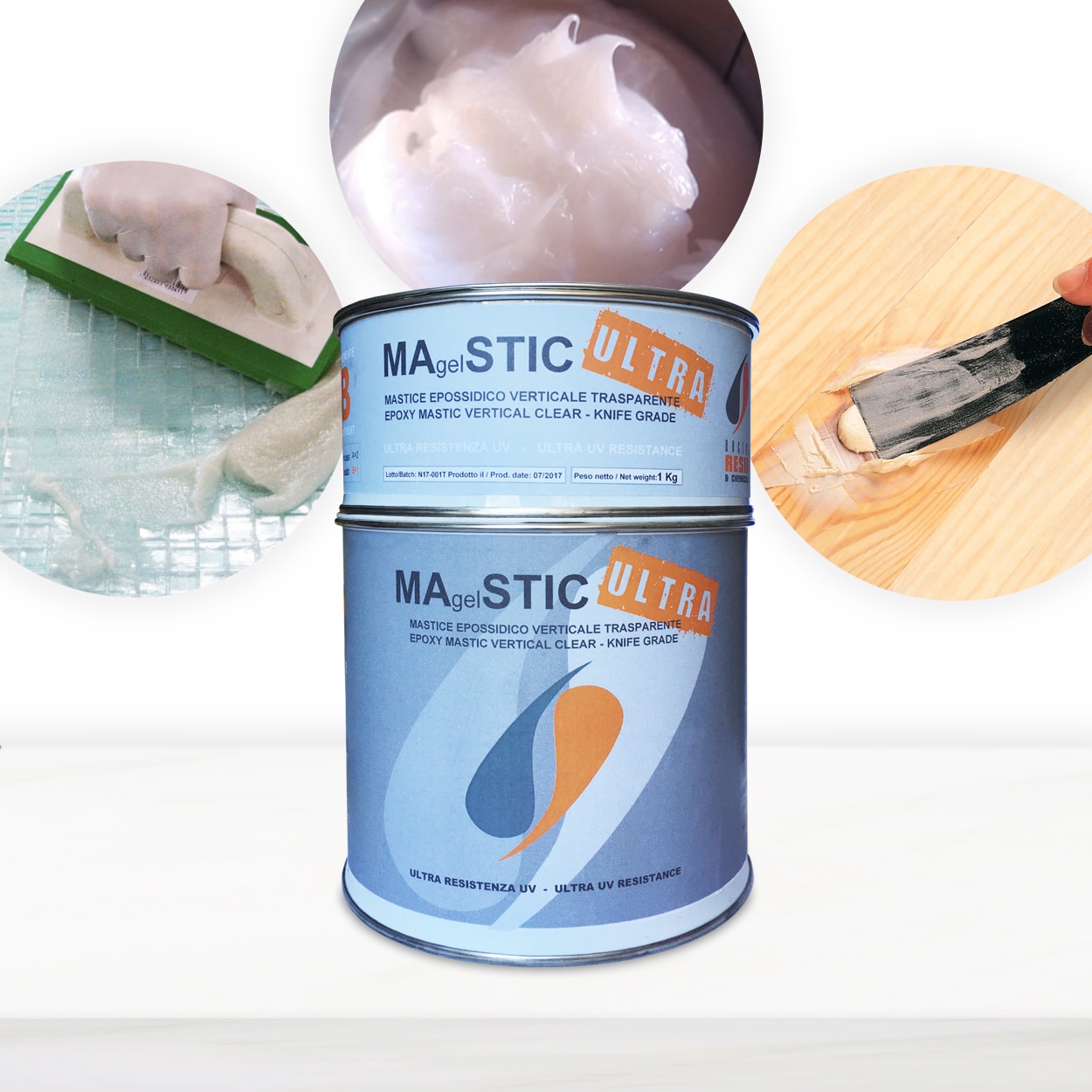
“Magelstick” – Epoxy Mastic for Stone, Metal, and Cement Bonding and Grouting
Magelstick Epoxy Mastic is a specialised bi-component epoxy putty for the restoration and repair of industrial concrete flooring, stone, and metal surfaces. Its thixotropic formula enables gap-filling and vertical surface treatment without risk of sagging, while also boasting exceptional mechanical strength and resistance to weathering and UV exposure. Magelstick is best for targeted bonding and grouting jobs, especially during maintenance and renovation works where minimal shrinkage and high durability are required.
“Magelstick” – Epoxy Mastic for Stone, Metal, and Cement Bonding and GroutingTips for Selecting and Using Industrial Floor Adhesion Primers
To achieve optimal results, always verify substrate compatibility and assess the intended traffic load, chemical exposure, and environmental conditions of your space. Eco-friendly and odourless for indoor applications should be prioritised in sensitive environments, while exterior or heavy-duty locations may require delivers advanced protection for high-traffic surfaces. Ensure all substrates are clean, dry, and prepared as recommended, and follow manufacturer application ratios and cure times closely. Using the right primer not only enhances performance but also extends the lifespan of your flooring investment.
Expert Tips for Floor Preparation and Application
Preparing your concrete substrate properly ensures reliable adhesion and durability. Remove dust, old coatings, and grease before priming. Choose your primer or coating based on the location’s moisture and traffic for long-term floor performance.
Frequently Asked Questions
Do I need a primer before applying epoxy to concrete floors?
Yes, using a dedicated primer like Epoxyprimer enhances adhesion, reduces pinholes, and ensures a lasting, even finish on concrete surfaces.
Which primer or coating is best for driveable concrete floors?
For driveable or high-traffic areas, Prolux PU coating is recommended due to its abrasion resistance and weatherproof finish.
How long do industrial epoxy primers take to cure?
Epoxyprimer typically cures in 24–48 hours depending on substrate and conditions. Always check manufacturer instructions for exact timings.
Is methacrylic resin suitable for sealing old or worn concrete floors?
Resinstone is ideal for sealing and protecting absorbent concrete, including old or worn surfaces, giving breathable and lasting protection.
Are water-based, odourless primers safe for indoor applications?
Yes, products like Epoxyprimer are formulated to be odourless and are safe for indoor use without harmful fumes.
Can epoxy mastic be used for repairing cracks in concrete flooring?
Magelstick Epoxy Mastic is designed for filling and repairing cracks or gaps in cement, stone, or concrete flooring, ensuring durable results.
Which substrates are compatible with Epoxyprimer?
Epoxyprimer is suitable for concrete, wood, tiles, screeds, and other stable surfaces after proper preparation.