 Free shipping on orders over £29,85
 Shipping Tracking!



 Google
 Facebook
Floor Primer
Quick answer
Floor primers create a stable base and enhance adhesion when laying resin floors on concrete, tiles, wood or pebbles. The right primer prevents peeling, moisture ingress and uneven results, and is chosen to suit the substrate and end use. Options include water-based epoxy, methacrylic, polyurethane or clear resin binders for decorative finishes.


Expert picks for durable results on concrete, tiles, wood, and decorative floors
Choosing the correct floor primer is crucial to achieving a seamless, long-lasting resin floor. Whether you are a professional contractor, DIY renovator, or artist, the proper primer prepares your substrate for bonding, durability, and resistance to wear or moisture. This guide compares the leading floor primers for concrete, timber, tiles, and decorative pebble flooring, helping you find the ideal solution for your next project.
Comparing Floor Primer Types: Which Is Best for Your Substrate?
Not all floor primers are created equal—choosing the right formula depends on your surface type, project location, and desired finish. Water-based epoxy primers provide strong adhesion and are versatile for many indoor surfaces. Methacrylic resin primers excel in sealing and protecting porous concrete, particularly outdoors. Polyurethane (PU) coatings deliver high mechanical resistance and are suited for areas exposed to heavy traffic or weathering. For decorative pebble or aggregate floors, a transparent epoxy binder stabilises and showcases the vibrant stone finish while providing UV and chemical resistance. Understanding these differences ensures a resilient, beautiful floor build-up, no matter your starting surface.
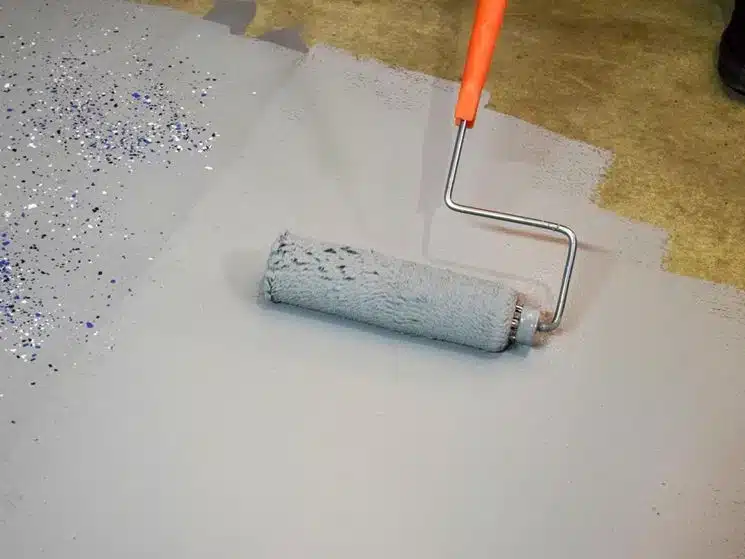
Visualising Floor Primer Applications
See real-life applications of each floor primer and coating—from indoor concrete floors to colourful pebble pathways. Notice how each product delivers surface-specific results with lasting durability and an even finish, whether used in living spaces, exterior driveways or creative installations.
“Epoxyprimer” – Universal Water-Based Two-Component Epoxy Floor Primer
The “Epoxyprimer” – Universal Water-Based Two-Component Epoxy Floor Primer is designed for professionals and enthusiasts tackling epoxy flooring installations on concrete, timber, screed, tiles, or similar absorbent surfaces. Its water-based formula ensures superior adhesion while remaining eco-friendly & odourless, making it safe for indoor spaces. Easy to mix and straightforward to apply with a roller, brush, or spatula, this two-component primer forms the foundation for stable, durable resin floors. Suitable for both new substrates and refurbishments where reliable resin bonding is essential.
Explore “Epoxyprimer” – Universal Water-Based Two-Component Epoxy Floor Primer
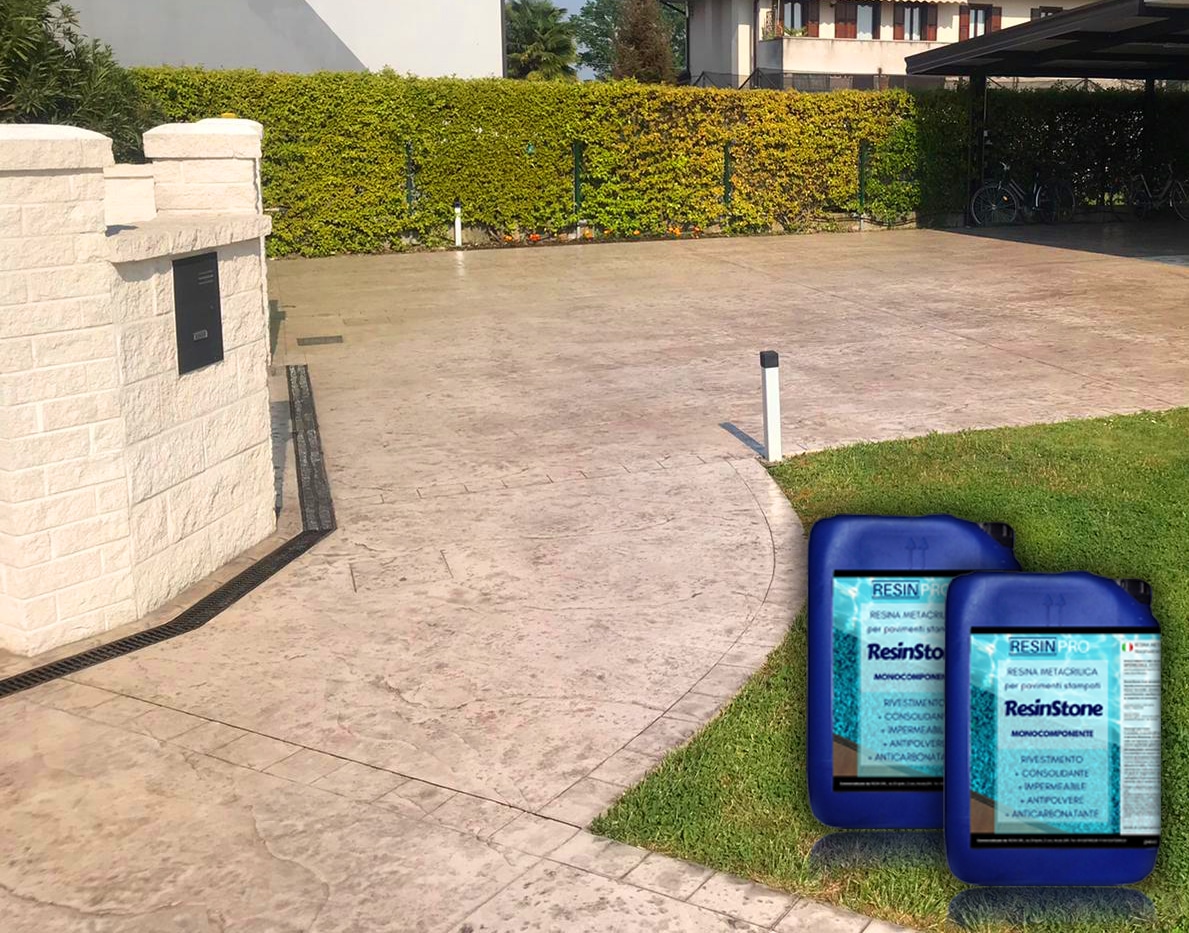
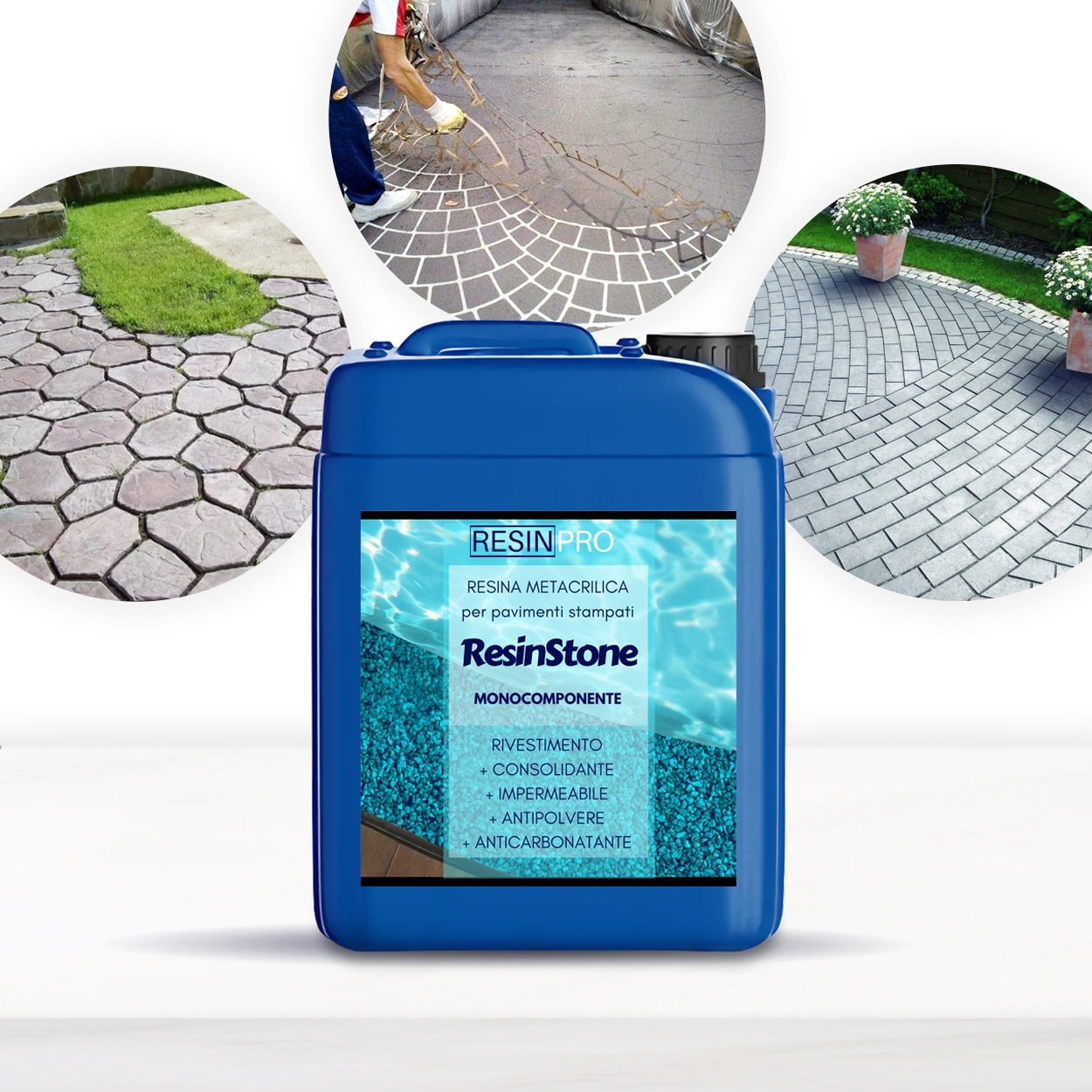
“Resinstone” – One-Component Methacrylic Resin for Concrete Floors and Driveways
For concrete surfaces exposed to moisture and weather—such as driveways, garages, patios or outdoor paths—the “Resinstone” – One-Component Methacrylic Resin for Concrete Floors and Driveways delivers waterproof, durable protection with rapid drying. This methacrylic primer penetrates deeply, sealing the substrate against water and chemicals, and stands out for its ease of use and quick drying times. It is perfectly suited for both contractors and DIYers preparing concrete floors for resin overlays or seeking to restore and protect aging outdoor slabs.
Discover “Resinstone” – One-Component Methacrylic Resin for Concrete Floors and Driveways“Prolux” – PU Coating for Tiles, Concrete, Plastic and Metal – Suitable for Driveable Surfaces
If you need to protect floors that will face heavy foot traffic or even vehicles, “Prolux” – PU coating for tiles, concrete, plastic and metal – suitable for driveable surfaces provides advanced protection against UV, abrasion, and weathering. As a two-component aliphatic polyurethane coating, it delivers a versatile finish—glossy or satin—across diverse substrates, from properly prepared concrete and tiles to plastic or steel. It’s easy to use, CE marked, and ideal for everything from indoor warehouses to external parking bays, where both resilience and aesthetics matter.
See “Prolux” – PU Coating for Tiles, Concrete, Plastic and Metal – Suitable for Driveable Surfaces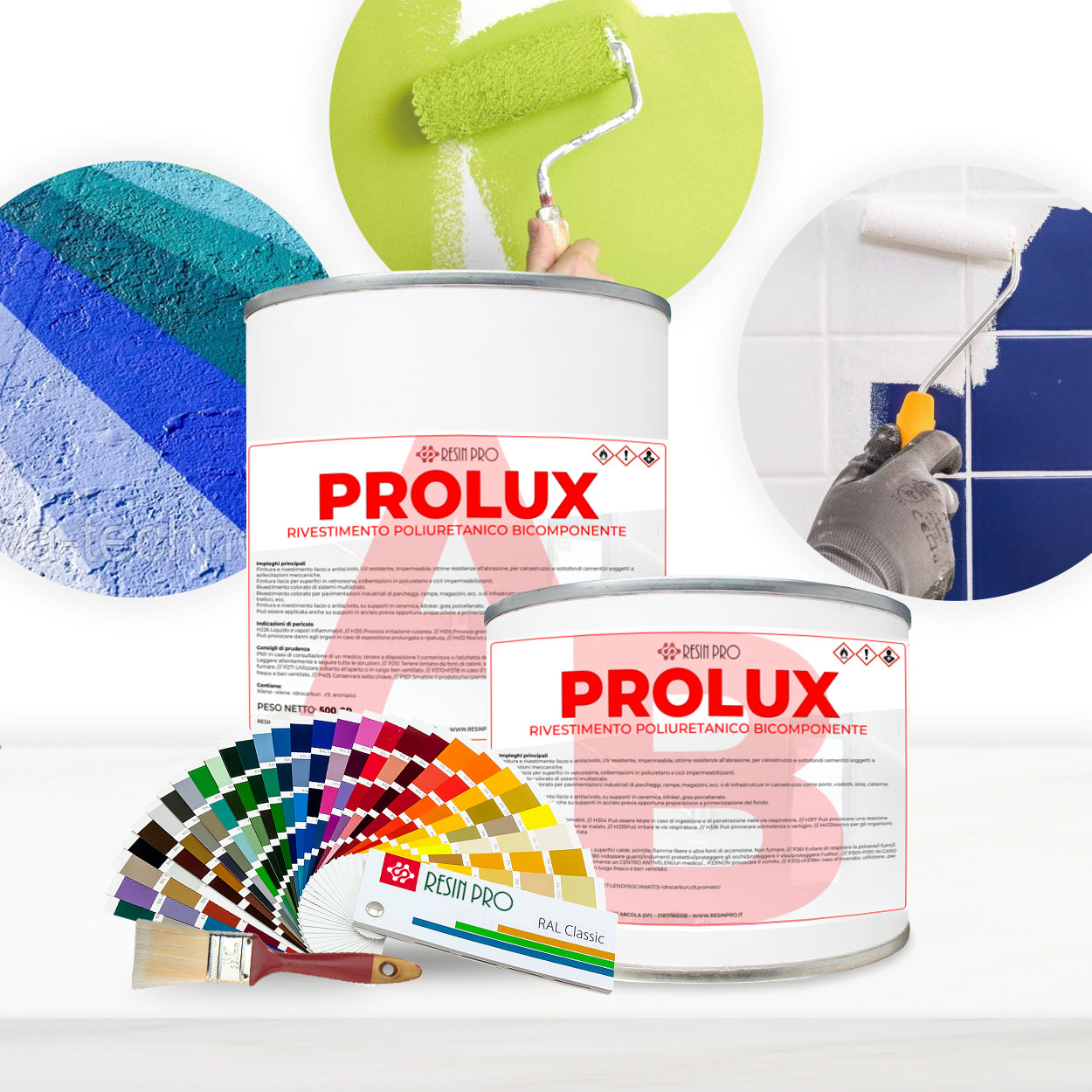
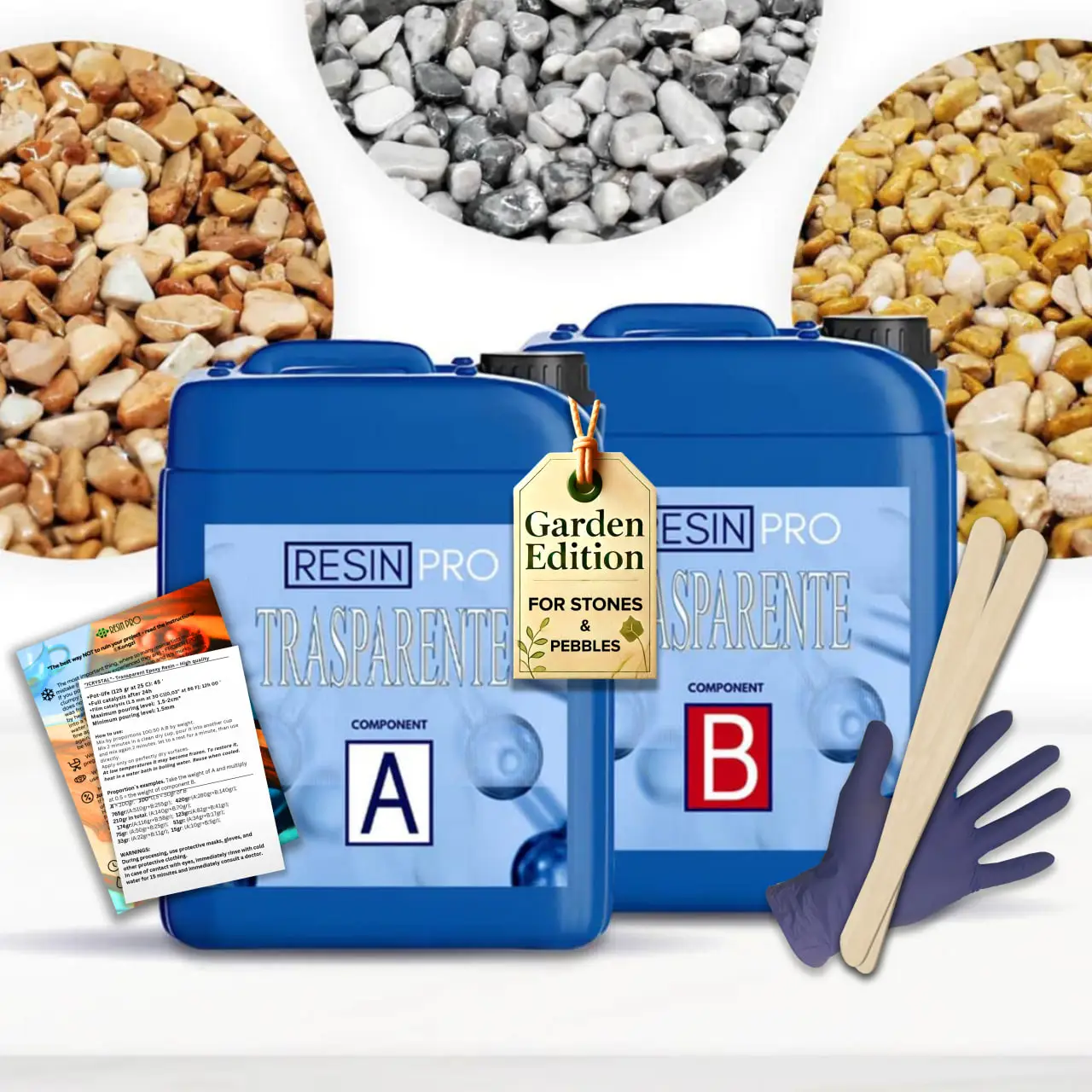
“Trasparente” – Epoxy Binder for Coloured Pebbles and Grits
Transforming natural stone or coloured aggregates into sturdy, visually striking floors is easy with “Trasparente” – Epoxy Binder for Coloured Pebbles and Grits. This low-viscosity, crystal-clear epoxy resin is specially formulated for pebble and grit installations, offering UV-resistant and non-yellowing clarity even with dark or vibrant aggregates. Odourless, solvent-free and safe for skin contact after curing, it’s the go-to choice for walkways, driveways and decorative permeable floors where aesthetic and mechanical performance are vital.
Learn more about “Trasparente” – Epoxy Binder for Coloured Pebbles and GritsTips for Choosing and Using Floor Primers
Consider both the intended use and substrate when selecting a floor primer. Always start by thoroughly cleaning and preparing the surface—removing dust, oil, or old coatings to ensure proper adhesion. Match water-based epoxy primers to indoor projects or delicate spaces, methacrylic resins to large concrete areas, polyurethane coatings to demanding, high-traffic or outdoor locations, and clear epoxy binders to artistic and permeable pebble floors. Test a small area first for compatibility. Follow the manufacturer’s instructions for mixing ratios, application conditions, and curing times for the best results and long-term performance.
Expert Techniques for Flawless Floor Priming
For best results, apply primer in dry, dust-free conditions and use the recommended tool: rollers or brushes for water-based epoxies, spray applications for methacrylic resin, and spatulas for pebble binders. Allow full cure time before proceeding with your floor system for a base that stands the test of time.
Frequently Asked Questions
Do I need to use a floor primer before applying resin?
Yes, a primer improves adhesion, reduces defects, and increases the lifespan of your resin floor on most substrates.
What is the best primer for concrete versus tiles?
Water-based epoxy primers are excellent for both, but for outdoor or highly porous concrete, a methacrylic resin like Resinstone offers extra protection.
What is the difference between epoxy and polyurethane floor primers?
Epoxy primers excel at adhesion and sealing, while polyurethane coatings offer stronger resistance to UV and mechanical wear, ideal for driveable surfaces.
Can I use a resin floor primer on wooden floors?
Yes, as long as the wood is properly prepared. Water-based epoxy primers are suitable for timber substrates before resin overlays.
What primer should be used for pebble or aggregate floors?
A clear epoxy binder is formulated for stabilising and showcasing coloured pebbles or grits in decorative flooring.
How long should the primer cure before resin coating?
Curing time depends on the product, but most require at least 24 hours to ensure full bonding and stability.
Is a primer necessary for all substrates?
While not always essential, primer is highly recommended for the best adhesion and finish, especially on porous or tricky surfaces.