 Free shipping on orders over £29,85
 Shipping Tracking!



 Google
 Facebook
Filling and Sealing Wider or Irregular Cracks in Concrete Surfaces
← Back to Waterproofing Roof Cracks
Quick answer
Wider or irregular cracks in concrete surfaces are most effectively filled and sealed with a reinforced repair compound that can bridge the gap, bond to the prepared edges, and restore a continuous waterproof barrier. Epoxy mastics and polyester-based putties are commonly used for this work, with fibreglass reinforcement adding strength where cracks are wide, deep, or exposed to movement and weather. Choosing the right product depends on the crack width, position, and whether the surface is vertical or horizontal.

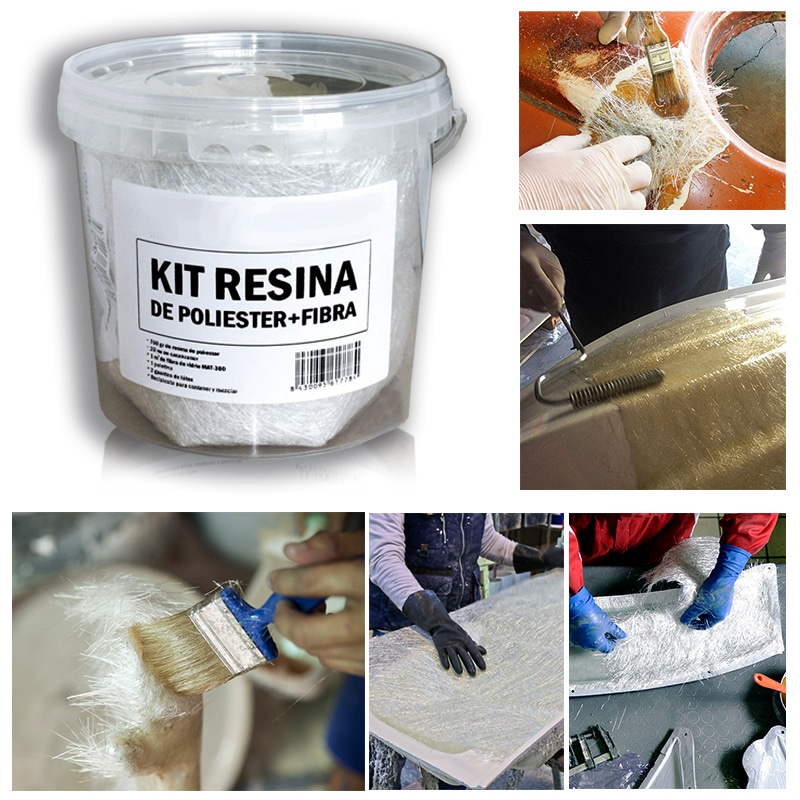
On roofs and other exposed concrete surfaces, narrow cracks can often be sealed with a simple filler, but wider or irregular cracks need more body and reinforcement. Epoxy mastic, polyester putty, and fibreglass mat systems each have a role depending on the crack depth, position, and outdoor exposure.
Choosing a repair material for wider concrete cracks
Wider cracks often expose fresh concrete edges that need more than a thin surface sealer. A thixotropic epoxy mastic such as Magelstick Epoxy Mastic is useful on vertical concrete and cement surfaces because it resists sagging while it cures. For deep voids and uneven cavities, a fibreglass-reinforced polyester putty such as CROP 2K Fiberglass Putty can be built up in thicker layers and sanded back once hardened.
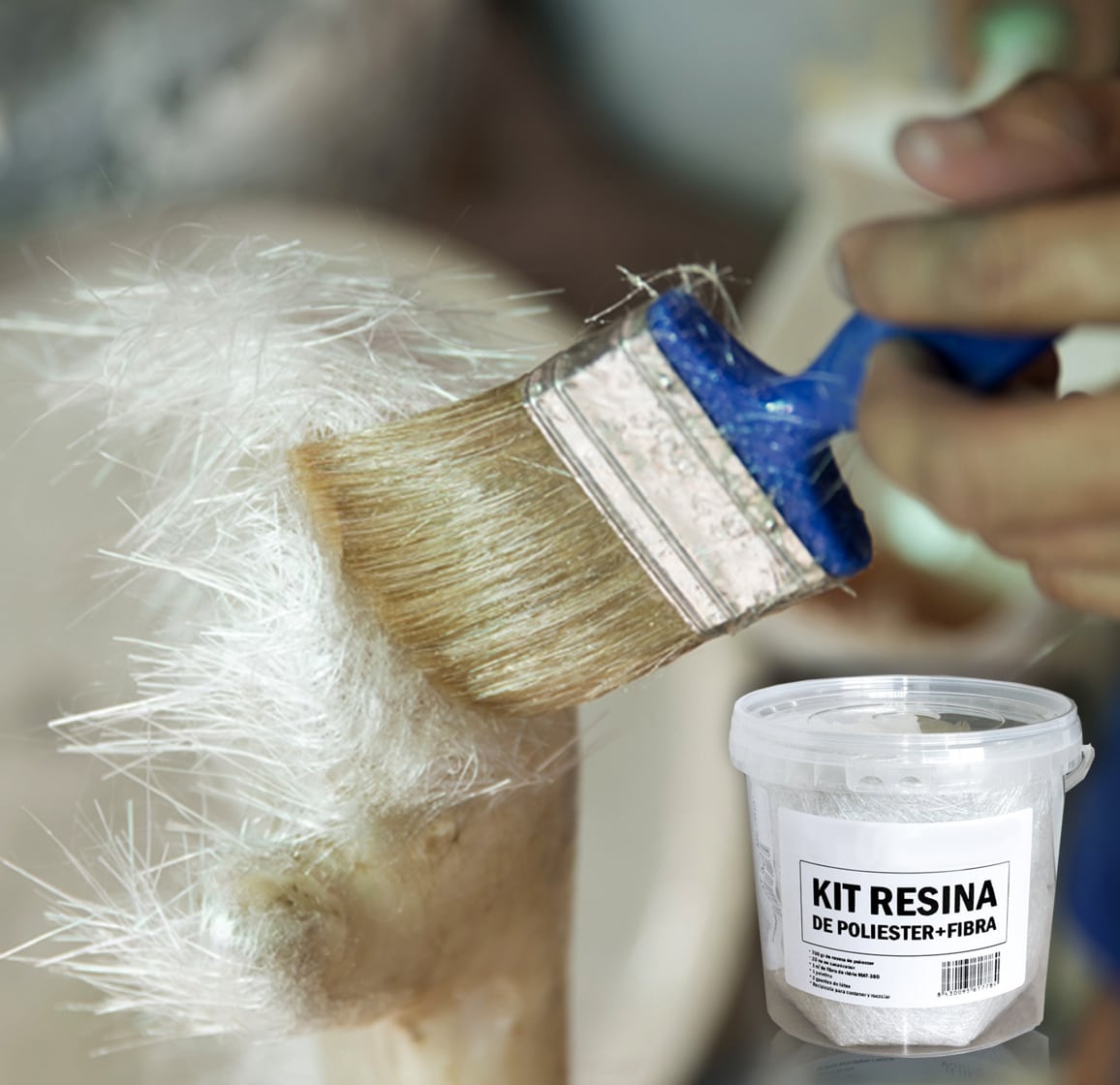
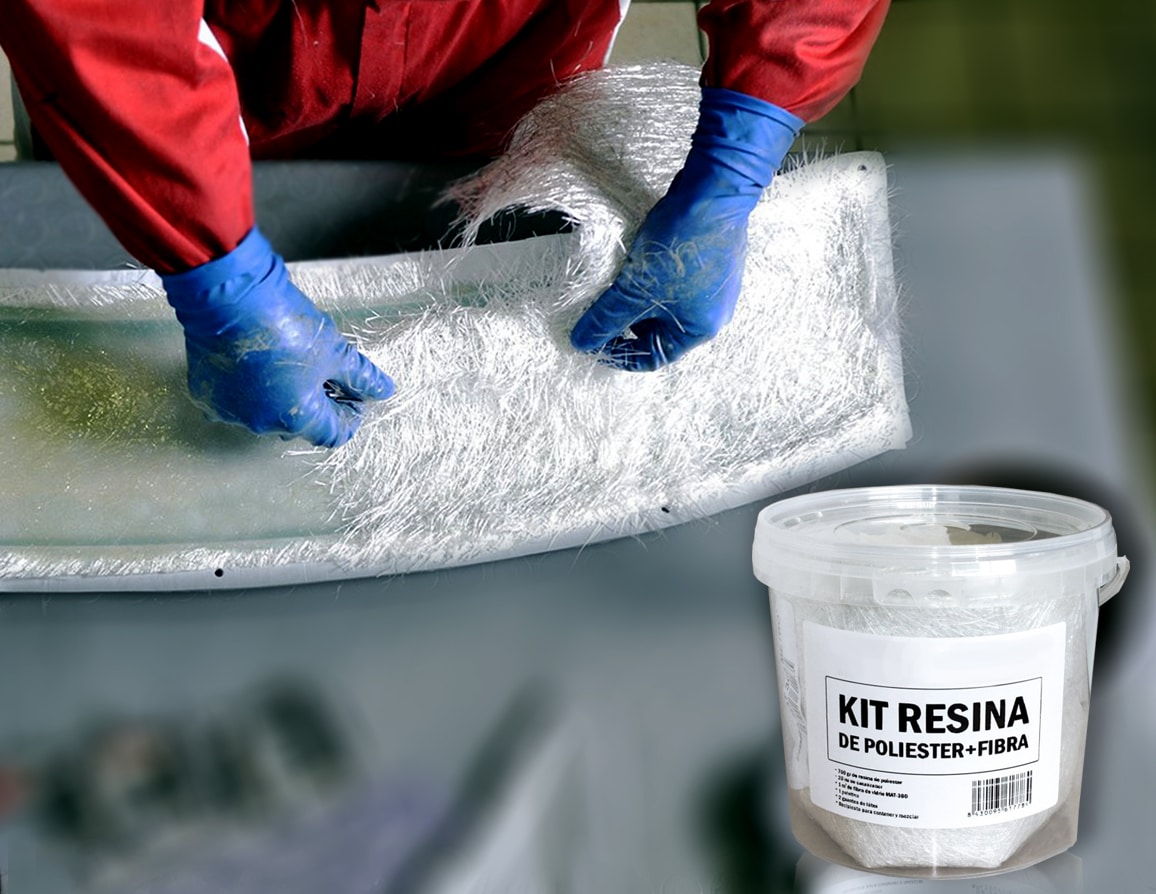
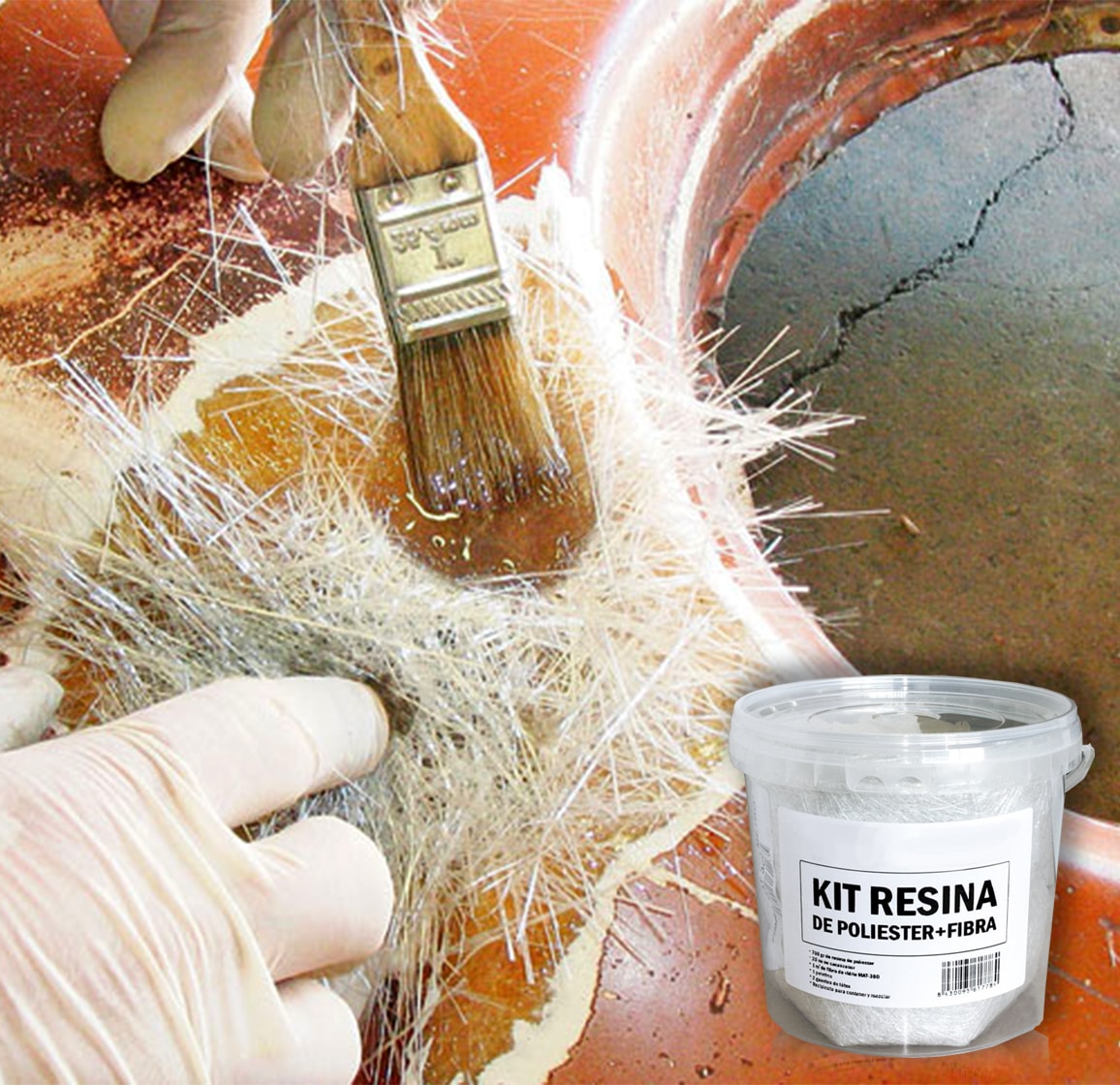
If the crack also needs structural bridging and waterproofing, a polyester resin and fibreglass mat system can reinforce the repair. The Resin Fibreglass Repair Kit includes a mat that helps bridge the damaged area and creates a waterproof bond on rigid surfaces.
Preparing and applying the filler
A durable repair starts with a clean, sound surface. Remove loose material, dust, and any previous coating from the crack edges. Dry surfaces are generally easier to bond, and some products such as Magelstick Epoxy Mastic should be applied at temperatures of 10°C or above for best results.
- Clean the crack with a brush or vacuum and remove any crumbling concrete.
- Lightly key the edges if they are smooth, so the repair material can grip mechanically.
- Mix two-component products in the ratio stated on the label before applying.
- Work the product into the full depth of the crack rather than just over the surface.
- Allow the repair to cure fully before exposing it to water or foot traffic.
When reinforcement and weather resistance matter
Wider irregular cracks often benefit from fibreglass reinforcement. A polyester putty with fibre strands can reduce the likelihood of cracking or breakage after curing compared with standard fillers, particularly where there is vibration or mechanical stress. For roof cracks and other exterior concrete, a waterproof bond is important because water can penetrate through even small gaps and lead to further cracking and deterioration.
If the repair is on a vertical edge or soffit, choose a thixotropic product that stays in place without running. If the surface will be exposed to sun and rain, a UV and weather resistant epoxy mastic offers a more stable exterior finish.
Related products
Related guides
Wider concrete cracks need a repair that fills the void, grips the surrounding surface, and resists ongoing moisture. For more advice on sealing and protecting roof cracks specifically, see the full waterproofing roof cracks guide.