 Free shipping on orders over £29,85
 Shipping Tracking!



 Google
 Facebook
Grip protection for industrial flooring
Quick answer
Grip protection for industrial flooring is essential for ensuring workplace safety, reducing slip risks, and prolonging floor lifespan in high-traffic environments. Solutions such as polyurethane, epoxy, and methacrylic resin coatings are designed to increase traction and resist wear, making them ideal for factories, warehouses, and driveable surfaces. The right system supports safe, durable workspaces while protecting a variety of substrates.
Enhance floor safety and durability with advanced resin coatings
Effective grip protection in industrial settings is crucial for reducing slip hazards and extending the life of flooring under heavy use. Whether you manage a warehouse, garage, or external driveable area, selecting the right resin system is key for maintaining a safe and durable workspace. This guide compares leading grip protection solutions, highlighting which product will best meet your site’s needs, surface type, and expected traffic.
Overview: Choosing the Right Industrial Floor Grip Solution
Not all industrial floor coatings are equal—each resin technology has strengths tailored to specific environments, surfaces, and safety requirements. Polyurethane coatings offer outstanding durability for high-traffic and outdoor zones, while methacrylic resins penetrate deeply to protect concrete from moisture and abrasion. Epoxy primers create strong adhesion, supporting long-lasting finishes, and specialised epoxy binders integrate decorative or permeable aggregates for unique grip surfaces. Consider the base material, project goals, and desired finish before choosing a system.
Grip Coatings in Action
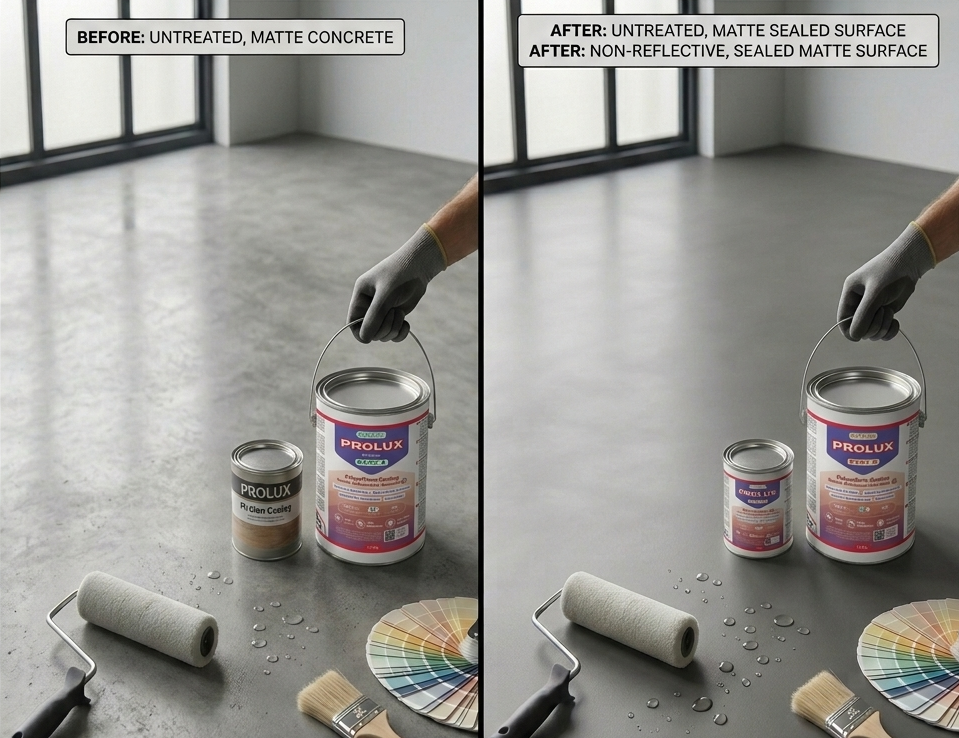
See how advanced polyurethane, epoxy, and methacrylic coatings deliver secure, slip-resistant surfaces for industrial floors—across warehouses, garages, and outdoor areas.
Polyurethane Coating: “Prolux” for Tiles, Concrete, Plastic, and Metal
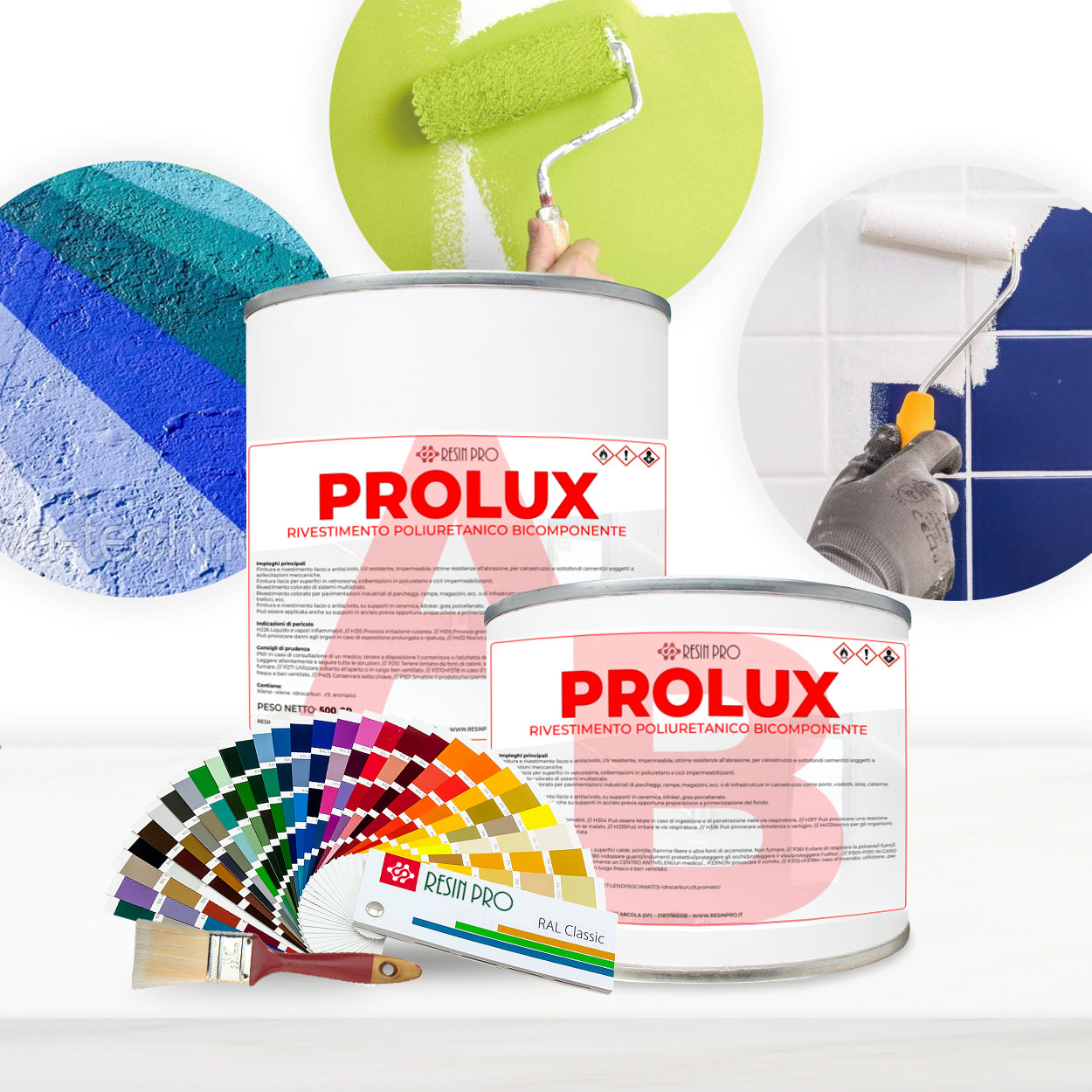
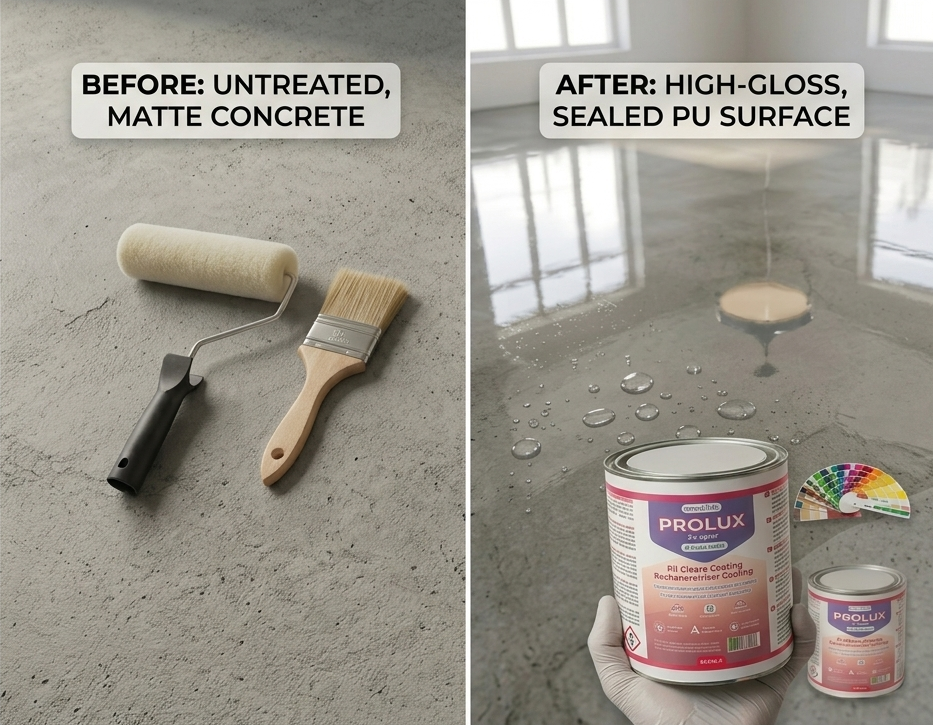
Maximum durability and wear resistance for high-traffic industrial floors. “Prolux” – PU coating for tiles, concrete, plastic and metal – suitable for driveable surfaces stands out for its advanced two-component aliphatic polyurethane formula. It resists UV, yellowing, abrasion, and weathering, making it ideal for both indoor and outdoor industrial floors. With optional anti-slip finishes available in a spectrum of colours and gloss or satin sheens, “Prolux” can be tailored to specific safety and design needs. The CE-marked system ensures compliance and performance for safety-critical applications.
Best suited for: warehouse floors, parking areas, workshops, and any surfaces exposed to heavy mechanical stress or frequent scrubbing. Versatile compatibility covers concrete, tiles, properly prepared steel, and more, ensuring protection is robust across substrates.
Explore Prolux PU Coating
Methacrylic Resin: “Resinstone” One-Component for Concrete Floors and Driveways
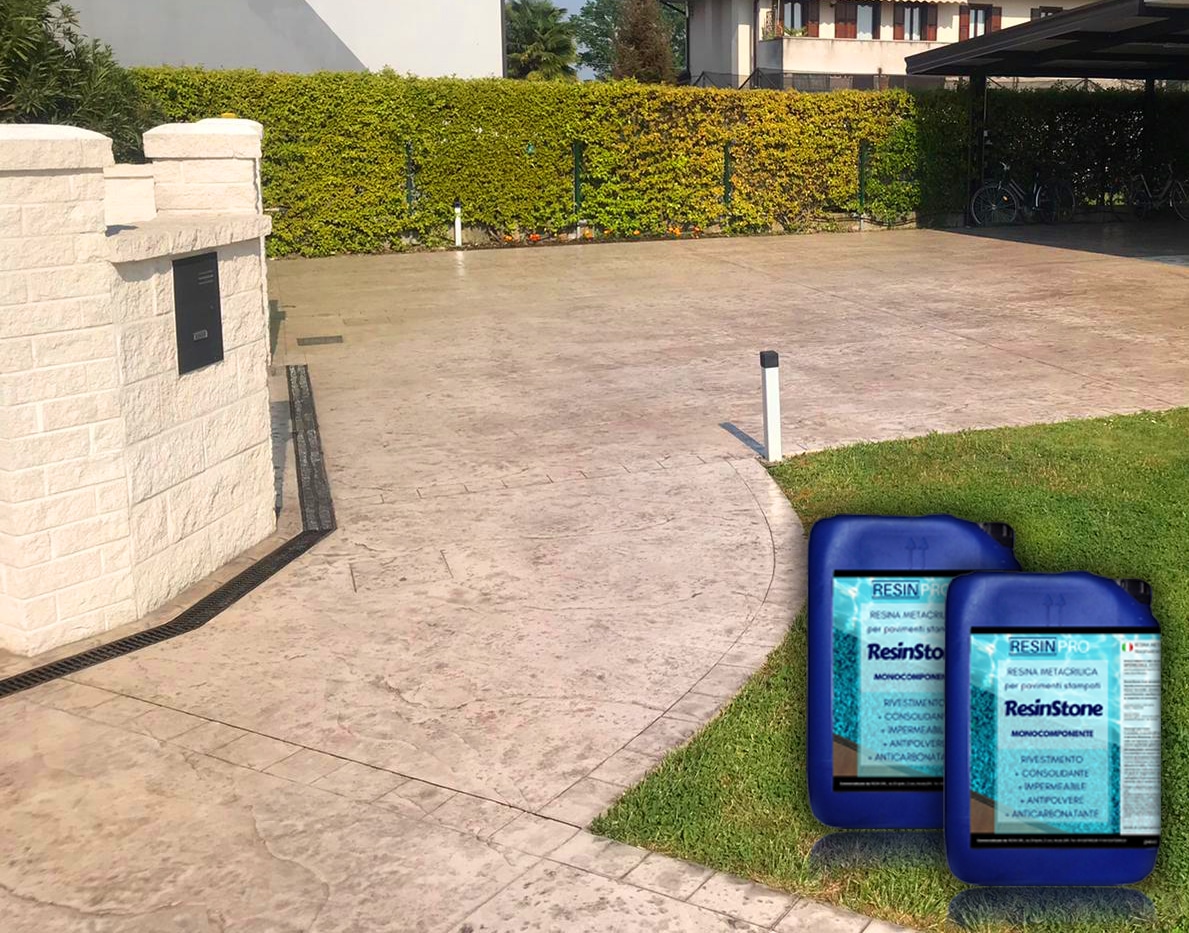
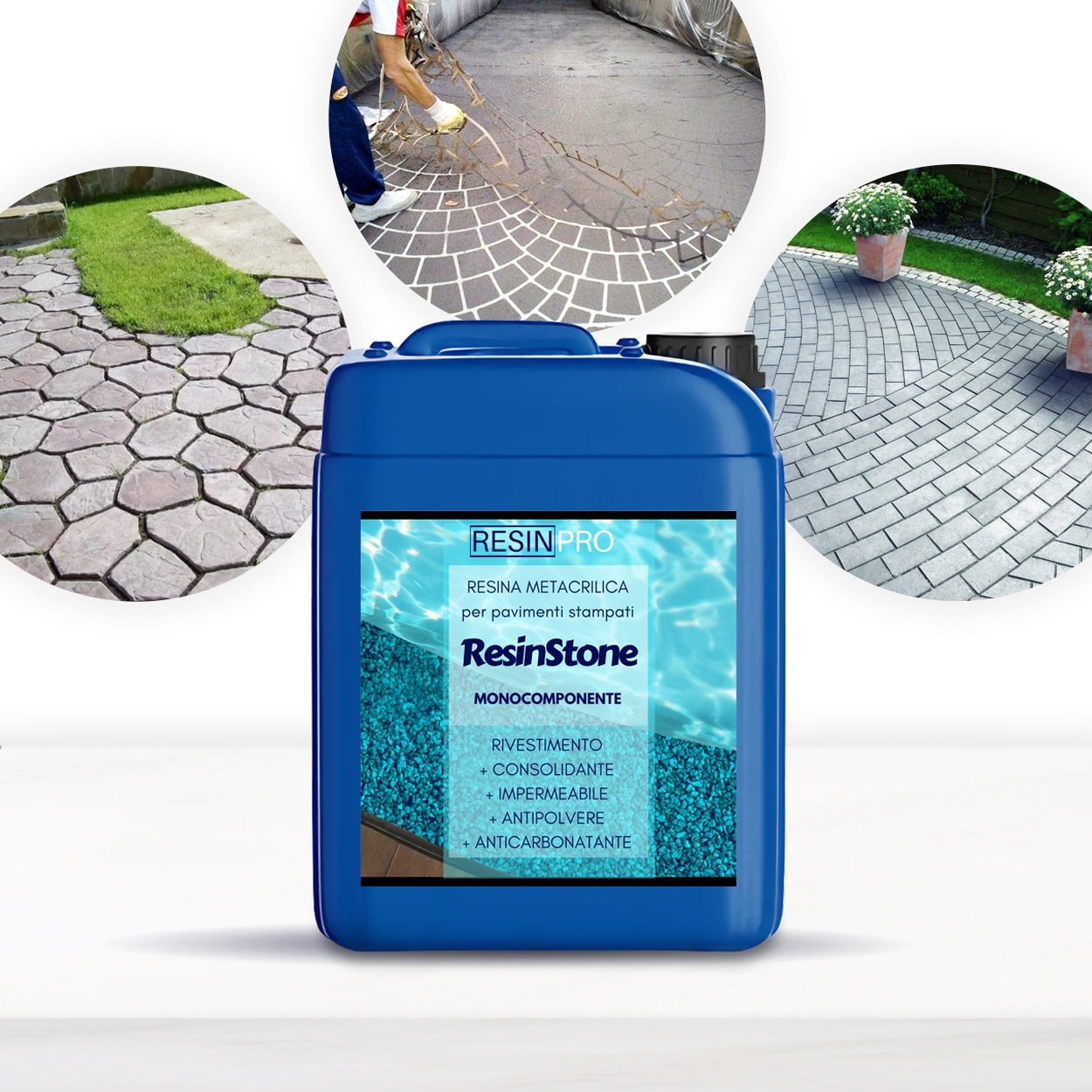
Deep penetration and robust moisture protection for concrete surfaces. The “Resinstone” – One-Component Methacrylic Resin for Concrete Floors and Driveways offers an easy-to-apply solution specifically developed for sealing and strengthening industrial and domestic concrete. Acting as a tough, breathable, and waterproof barrier, Resinstone improves both grip and longevity—ready for use in under 12 hours. Its one-component formulation is especially valued for garages, patios, garden paths, and heavy-use driveways where a quick return to service is required.
By preventing moisture ingress and resisting chemicals, UV, and chemical aggression, it supports safe and stable flooring in even the most punishing environments. Note this product is not suitable as a binder for loose gravel systems.
Shop Resinstone Methacrylic ResinEpoxy Primer: “Epoxyprimer” for Reliable Floor Adhesion
Essential primer step for lasting industrial floor finishes. For floors requiring resin coatings, the “Epoxyprimer” – Universal Water-Based Two-Component Epoxy Floor Primer is indispensable. It bonds powerfully to concrete, tiles, wood, and screed, building a stable base layer for subsequent epoxy or PU coatings. Its water-based and odourless composition suits indoor environments, delivering a smooth primed surface for ultimate adhesion and durability.
This primer is simple to apply by roller, brush, or spatula, making it accessible to both professionals and capable DIYers. For high-performance industrial floors, proper priming is a must.
View Epoxyprimer Details
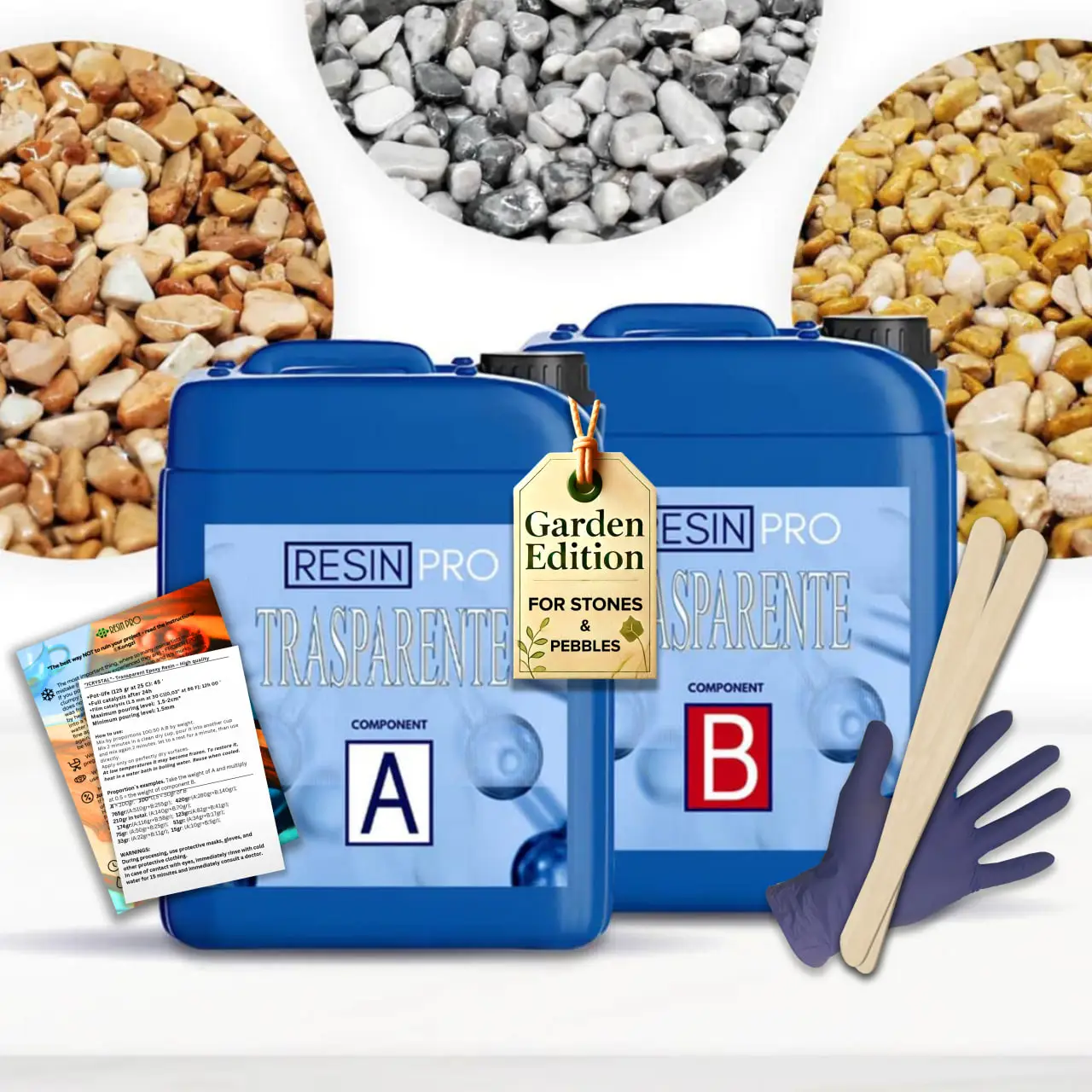
Epoxy Pebble Binder: “Trasparente” for Decorative Non-Slip Floors
Crystal-clear binding for decorative, slip-resistant pebble surfaces. The “Trasparente” – Epoxy Binder for Coloured Pebbles and Grits enables the creation of permeable, attractive, and secure industrial floors. Specially formulated for coloured or dark aggregates, it guarantees a UV-stable, bubble-free, and non-yellowing finish, suitable for paths, drives, and unique internal solutions. Its low viscosity ensures fast aggregate encapsulation, providing a stable, visually striking surface that resists slipping and remains safe underfoot.
Perfect for combining aesthetics with functionality, this binder is an excellent choice where design and grip must go hand in hand—such as entranceways, decorative industrial paths, or transitions between work zones.
Discover Trasparente Epoxy BinderAdditional Tips for Safe and Durable Industrial Floors
For optimal grip and longevity, always assess your substrate before application: clean, degrease, and repair any imperfections. Use primer when transitioning between different materials. Consider environmental conditions—such as humidity or temperature swings—and select a coating system certified for those challenges. Incorporate anti-slip additives where needed, especially on ramps, loading bays, or wet-prone areas. Regularly inspect and maintain coated surfaces to extend the protection and effectiveness of any system.
Professional Results for Floor Safety
Prioritise safety and compliance by using certified resins with correct application and surface preparation. Expertly applied, these systems safeguard both facility and workforce from slips and premature wear.
Frequently Asked Questions
What surfaces can polyurethane grip coatings be used on?
They are suitable for concrete, tiles, plastic, and properly prepared steel. Always ensure the substrate is clean and dry before application.
Can grip protection coatings be used outdoors?
Yes, coatings like Prolux and Resinstone offer UV and weathering resistance, making them ideal for external parking and exposed areas.
How can I achieve an anti-slip finish on industrial flooring?
Choose coatings with optional anti-slip additives, such as Prolux. Always apply according to manufacturer guidance for best safety performance.
When should I use a methacrylic resin like Resinstone?
Resinstone is recommended for sealing and reinforcing concrete floors, especially in garages, patios, and driveways exposed to moisture or chemical stress.
Is a floor primer needed before resin coatings?
Yes, using a dedicated epoxy primer like Epoxyprimer ensures maximum bonding and durability for subsequent resin or polyurethane coatings.
Can epoxy pebble binders improve non-slip properties?
They are excellent for creating decorative, permeable, and slip-resistant surfaces in industrial paths, entrances, or working zones.
How should industrial grip coatings be maintained?
Regular inspections, cleaning, and prompt repairs of scratches or wear areas are recommended to prolong safety and performance.