 Free shipping on orders over £29,85
 Shipping Tracking!



 Google
 Facebook
Heat-resistant waterproofing sealant
Quick answer
Heat-resistant waterproofing sealants are advanced materials designed to protect, seal, and repair surfaces exposed to high temperatures and moisture. Commonly used for concrete, stone, metal, and outdoor areas, they provide lasting performance against water ingress, heat stress, UV exposure, and mechanical wear. Choosing the right product depends on the substrate, environment, and technical requirements.


Seal, protect, and repair surfaces against heat and water
Choosing a heat-resistant waterproofing sealant is crucial for safeguarding floors, structures, outdoor areas, and repairs against water, weather extremes, and elevated temperatures. Whether you are a professional contractor, a renovation expert, or a demanding DIY user, finding the right solution ensures durability and peace of mind.
This page compares our most advanced sealants and coatings suitable for both indoor and outdoor environments, including concrete, stone, metal, and more. Read on to understand their strengths and select the best solution for your project.
Comparing Heat-Resistant Waterproofing Sealants
There are several classes of heat-resistant waterproofing sealants, each designed for specific surface types and applications:
- Epoxy adhesives and mastics—best for repairs and bonding on stone, metal, wood, or composite surfaces, with rapid curing and transparency.
- Methacrylic resins—engineered for absorbent concrete, patios, and driveways, providing waterproofing while still allowing the substrate to breathe.
- Polyurethane (PU) coatings—suitable for tiles, concrete, plastic, and metals, these offer long-lasting protection in high-traffic or external areas with advanced resistance to abrasion and UV.
The best product will depend on your surface material, expected heat load, and whether breathability or mechanical resilience is your top priority.
Examples of Waterproofing and Heat-Resistant Projects
Waterproofing solutions are commonly used on driveways, external floors, tiles, and stone features exposed to rain and sunlight. High-strength epoxies and PU coatings support repairs in workshops, garages, and outdoor architectural elements exposed to splashes, spills, and elevated temperatures. Carefully selected sealants protect both new projects and restoration work.
“Klebfix” – Two-Component Fast Epoxy Glue 2K, 25g Syringe
For demanding repairs and assemblies, “Klebfix” – Two-Component Fast Epoxy Glue 2K, 25g Syringe stands out with rapid setting and high strength. Its transparent, BPA-free formulation bonds plastics, glass, metal, and wood in only five minutes. Klebfix hardens even under water, remains waterproof, and withstands short-term heat exposure up to 200°C. It is perfect for applications requiring quick turnaround, creative repairs (can be tinted), and projects exposed to moisture or temperature swings indoors and out. A resealable syringe and 1:1 dosing make it user-friendly and ideal for repeated uses.
The combination of speed, bonding power, and true heat and water resistance makes “Klebfix” a top choice for professional repairers, hobbyists, and emergency fixes.
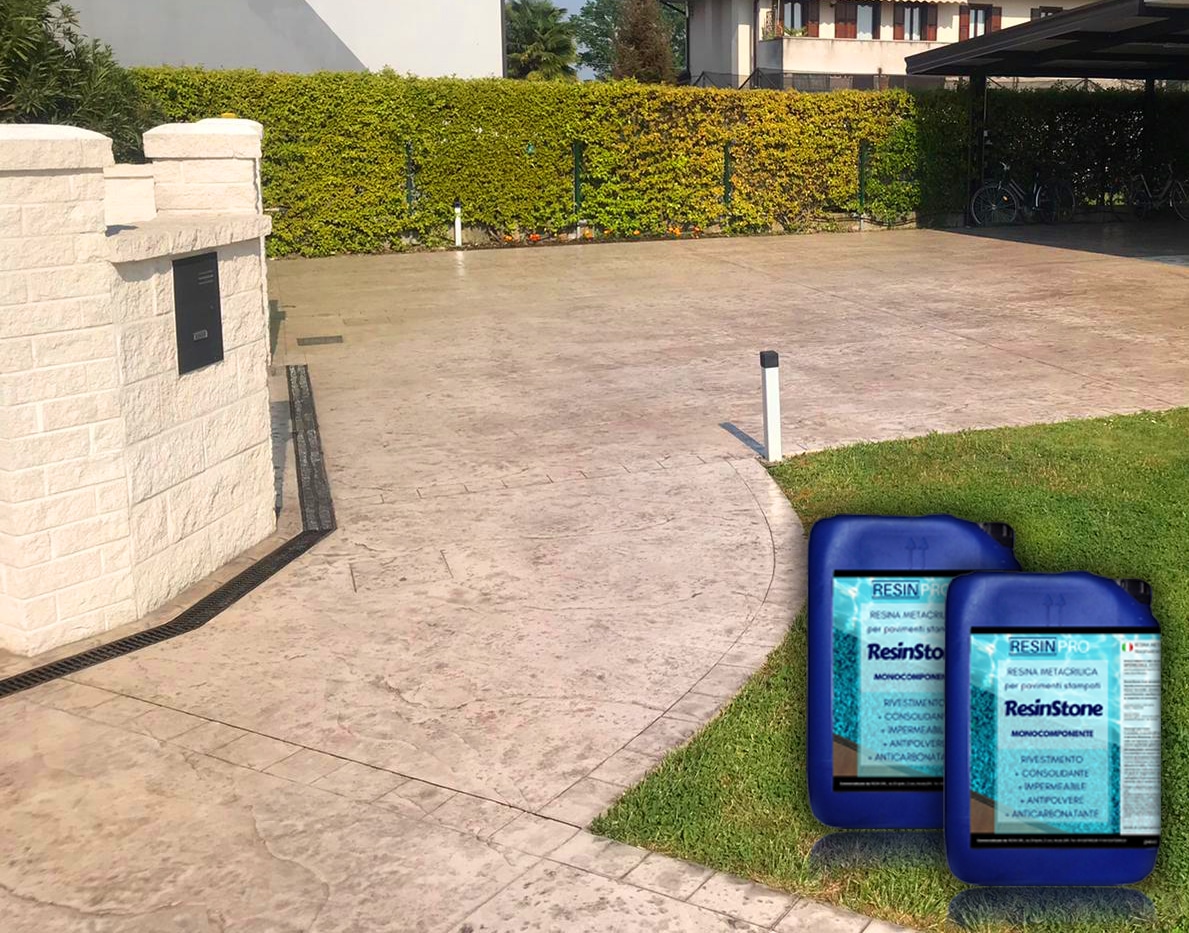
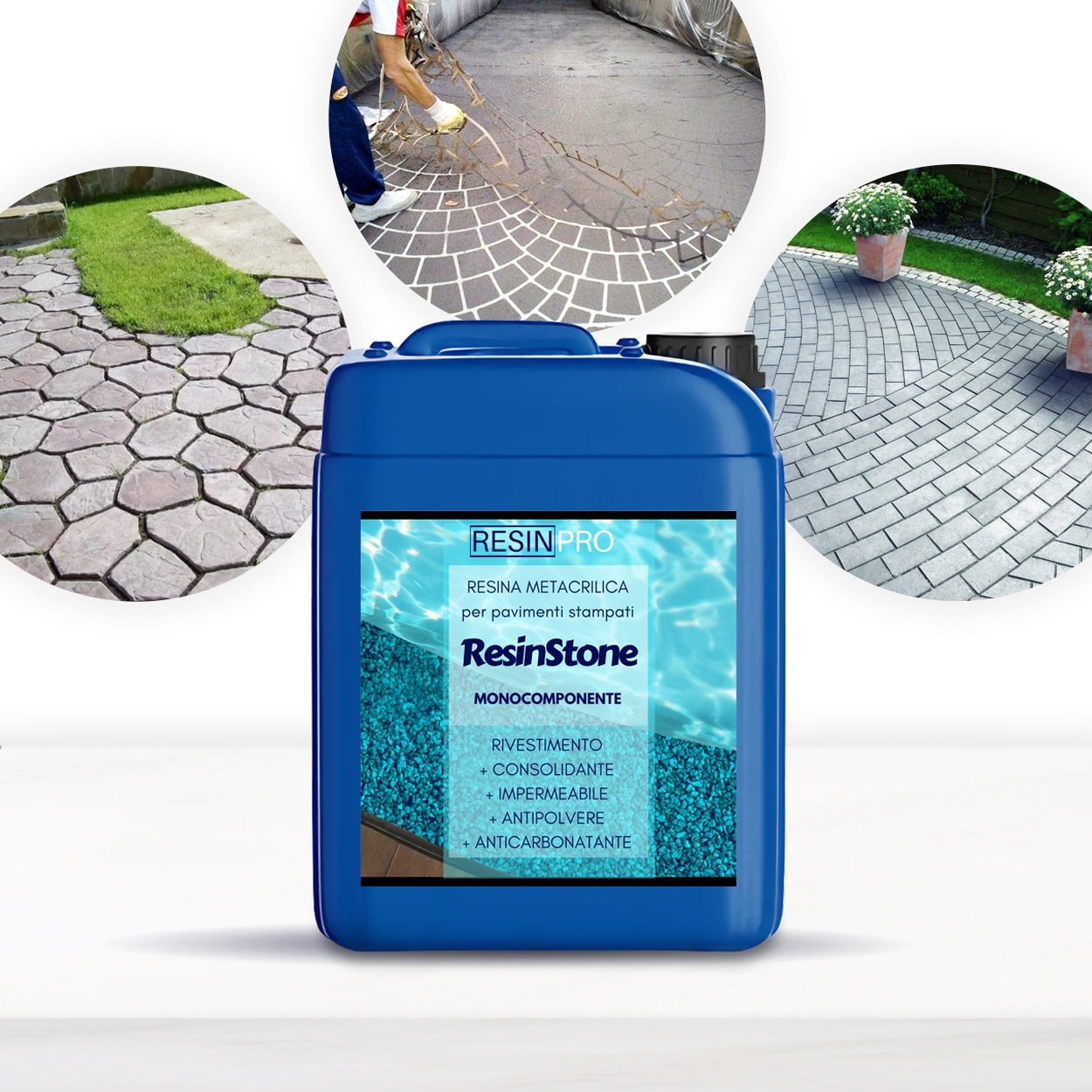
“Resinstone” – One-Component Methacrylic Resin for Concrete Floors and Driveways
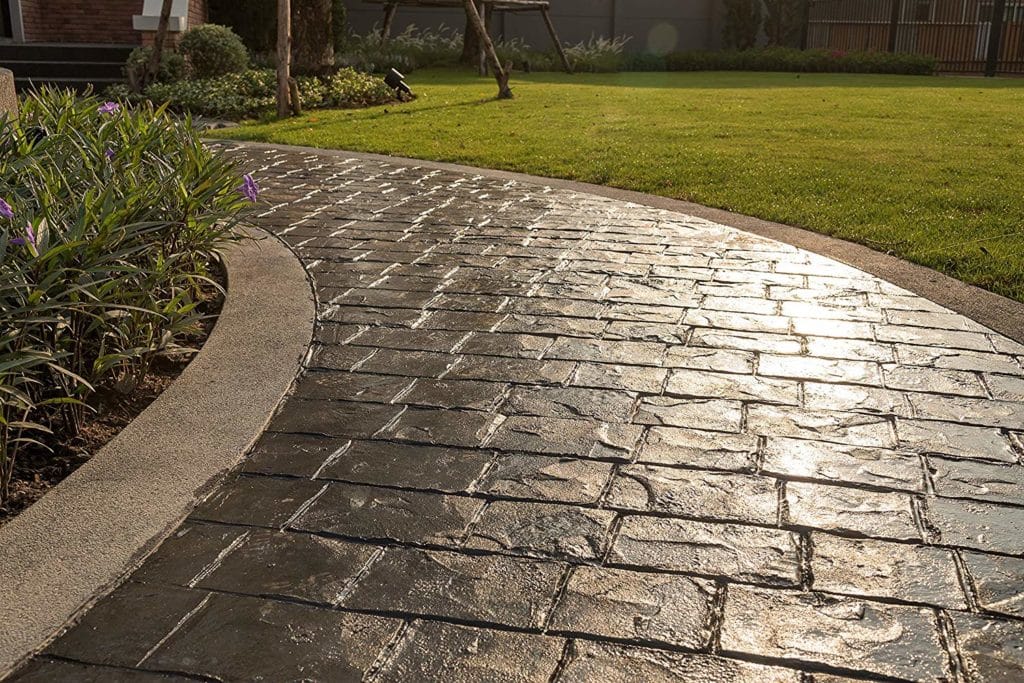
“Resinstone” – One-Component Methacrylic Resin for Concrete Floors and Driveways is specifically engineered for sealing and protecting concrete. Its methacrylic base penetrates absorbent surfaces, providing durable waterproofing protection without trapping moisture, so your floors can “breathe” and resist cracking. The resin cures quickly (under 12 hours) and is suitable for garages, patios, yards, and stamped driveways. It also adds chemical, oil, scratch, and UV resistance for long-lasting performance—making it ideal for outdoor and high-traffic settings.
Use “Resinstone” on structurally sound, absorbent concrete substrates that require weather-proofing, longevity, and improved resistance to environmental stress.
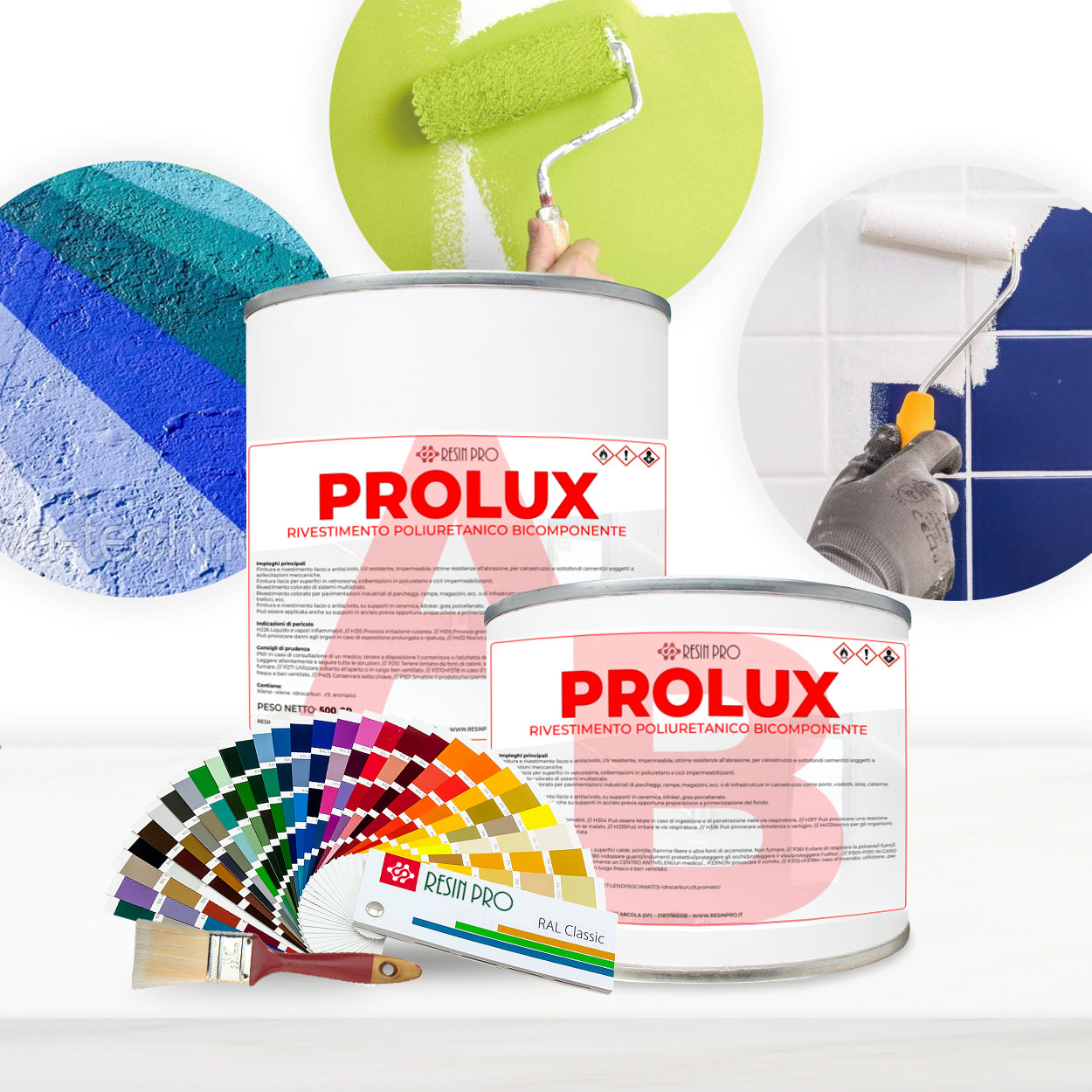
“Prolux” – PU coating for tiles, concrete, plastic and metal – suitable for driveable surfaces
If you need a finish that endures abrasion, sunlight, and traffic, “Prolux” PU coating offers exceptional versatility and strength. This two-component polyurethane coating is certified to EN 1504-2, and is suitable for a wide range of surfaces including concrete, tiles, fibreglass, plastic, and prepared metals. The tough coating resists UV, yellowing, scratches, and chemical attack. Available in gloss or satin and custom colours, “Prolux” is ideal for floors, parking areas, warehouses, and driveable surfaces that demand both abrasion and weathering resistance. Its high-coverage, single-coat performance and easy 2:1 mixing make it suitable for professional installers and experienced DIY users.
Choose “Prolux” for large scale, external, or heavy duty applications where heat, sunlight, and mechanical wear are ongoing concerns.
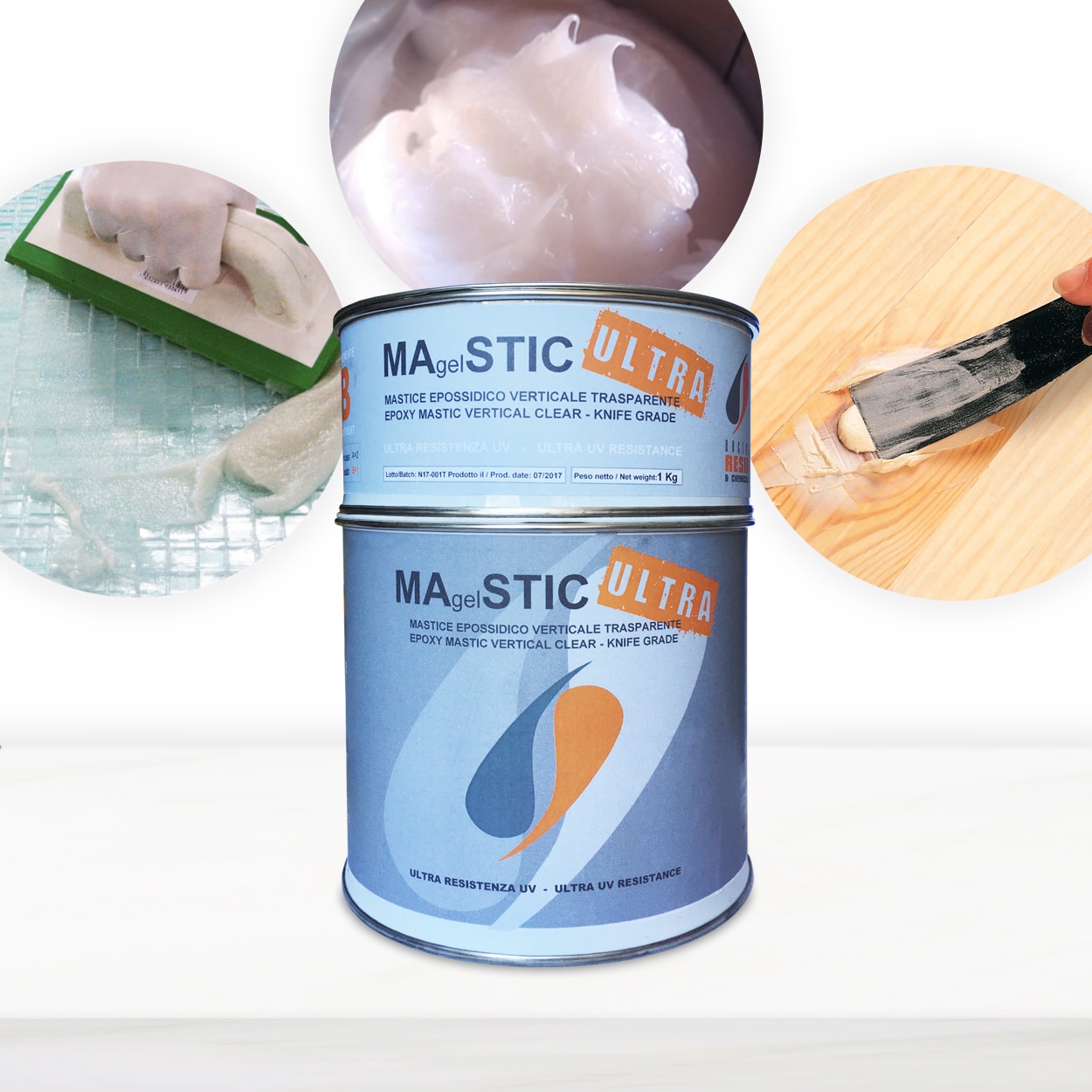
“Magelstick” – Epoxy Mastic for Stone, Metal, and Cement Bonding and Grouting
For structural repair, grouting, and bonding, “Magelstick” – Epoxy Mastic is a bi-component thixotropic putty designed for use on stone, metal, and cement—especially useful for masonry, restoration, and vertical surfaces. Its exceptional mechanical strength ensures lasting repairs, while the thixotropic formula prevents sagging or run-off on overhead or vertical applications. Weather- and UV-resistance allow reliable use outdoors or in sun-exposed areas. Minimal shrinkage preserves both the appearance and performance of the substrate, and precise small-batch preparation supports craftsmanship in specialist projects.
Turn to “Magelstick” for restoration, detailed stonework, or repairs where maintaining form and waterproof integrity is critical, even under variable heat or weather conditions.
Application Tips and Common Surfaces for Heat-Resistant Sealants
To maximise the effectiveness of any heat-resistant waterproofing product:
- Ensure all surfaces are structurally sound, clean, and free of dust or grease before application.
- Follow the recommended mixing ratios and curing times, especially for bi-component products.
- Allow for proper ventilation and observe minimum and maximum temperature requirements.
- For vertical or overhead repairs, select a thixotropic or mastic product to prevent sagging.
- For concrete or stone, choose a formulation that either penetrates (for absorbency) or bonds firmly for long-term results.
- Match the product’s properties to the use-case—chemical resistance, traffic durability, and flexibility are key in many outdoor or industrial settings.
Best Practices for Applying Heat-Resistant Sealants
Always test the sealant on a small area before full application to check for compatibility and appearance. In high-traffic or heat-prone zones, observe the correct curing time to achieve full strength. Use protective clothing and follow ventilation guidelines when working indoors. Store remaining product according to label directions to preserve quality for future use.

Frequently Asked Questions
Which surfaces can these sealants be applied to?
Different sealants serve various surfaces such as concrete, stone, metal, tiles, plastic, glass, and wood. Always check product specifications for compatibility.
Can epoxy adhesives like Klebfix be used outdoors or in wet conditions?
Yes. Klebfix is waterproof, suitable for both indoor and outdoor use, and can harden under water, making it ideal for damp environments.
Do polyurethane coatings like Prolux need a primer before use?
A suitable primer or proper substrate preparation is recommended for the best adhesion and longevity, especially on concrete or metal.
Will using methacrylic resin like Resinstone trap moisture in concrete?
No. Resinstone provides waterproofing while remaining breathable, helping prevent trapped moisture and surface degradation.
What is the difference between epoxy mastic and epoxy adhesive for repairs?
Epoxy adhesives like Klebfix provide quick-bonding for diverse materials, while epoxy mastics like Magelstick are tailored to fill, grout, and repair larger gaps, especially on stone or vertical surfaces.
Are these sealants suitable for driveways, garages, and parking surfaces?
Yes. Both Resinstone and Prolux are designed with driveable, weather-exposed surfaces in mind, providing durable, long-term protection.
What is the minimum application temperature for epoxy mastics like Magelstick?
A minimum substrate temperature of 10°C is required for proper application and curing of Magelstick.
Can methacrylic resins like Resinstone be used as a gravel binder?
Resinstone is formulated for use on absorbent concrete and not intended as a binder for loose gravel. Use a dedicated stone binder for that purpose.