 Free shipping on orders over £29,85
 Shipping Tracking!



 Google
 Facebook
How to Choose a Protective Camper Membrane
← Back to Protective Camper Membrane
Quick answer
The right camper membrane is selected by matching the protective material to the surface and working environment. The choice depends on whether protection is needed indoors or outdoors, the size of the area, and whether the material must be left in place or removed after use. Common options include lightweight protective film for covering worktops and floors, liquid latex for drip-prone creative work, and pegs for holding ground membranes securely during outdoor resin or driveway preparation.
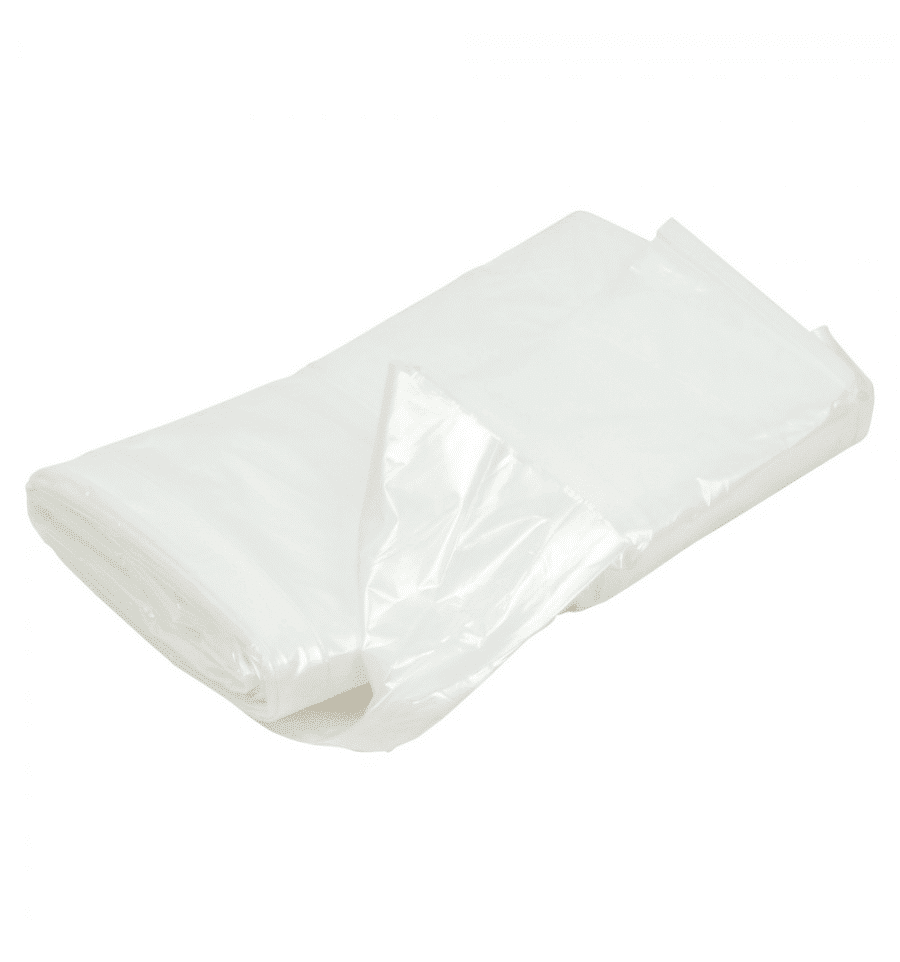

Before buying, it helps to think about how the membrane will be used. A single product rarely suits every task, so narrowing the choice by surface type and working conditions makes the decision easier.
Match the surface and setting first
Start with the surface you need to protect. Indoor worktops and floors usually call for a clean, removable barrier, while outdoor ground preparation may need a membrane that stays fixed while you work. Consider whether the area is flat, textured, or exposed to weather.
If the surface is likely to come into contact with resin drips, choose a product that can be removed cleanly or remain in place without interfering with the next stage.


Film, latex or pegs: what each option does
Different products suit different tasks. A lightweight protective film is a practical choice for flat worktops and floors, and it can be cut down to fit smaller areas. For surfaces with curves, edges or detailed shapes, a liquid latex coating can be applied more precisely and forms a barrier against resin drips.
When the job is outdoors and involves ground preparation, plastic fixing pegs help hold a geotextile membrane in place before pouring.
- Film: flat indoor surfaces, removable coverage.
- Liquid latex: irregular or detailed areas, drip-prone work.
- Fixing pegs: outdoor ground membranes that need anchoring.
When this matters
Getting the match right matters most when you are working between indoor and outdoor areas, or when a project moves from surface protection into ground preparation. A film that works on a table may not hold up outdoors, and a peg is only useful when there is a membrane to anchor.
If you regularly do resin work and occasional outdoor ground preparation, keeping at least two types on hand can reduce delays.

Related products
Related guides
Once the right camper membrane is chosen for the task, the wider Protective Camper Membrane range can help you prepare surfaces, manage drips, and keep outdoor ground work stable from start to finish.