 Free shipping on orders over £29,85
 Shipping Tracking!



 Google
 Facebook
How to Fill Cracks Before Waterproofing an RV Roof
← Back to RV roof waterproofing
Quick answer
Fibreglass-reinforced polyester putty is a practical way to fill holes and deep cracks before applying an RV roof waterproof coating. The filler bonds to rigid roof materials, builds up damaged areas, and cures hard enough to sand flat. Once smoothed, the repaired area forms a more stable base for the waterproofing layer, reducing the risk of water collecting in depressions or leaking through damaged sections.
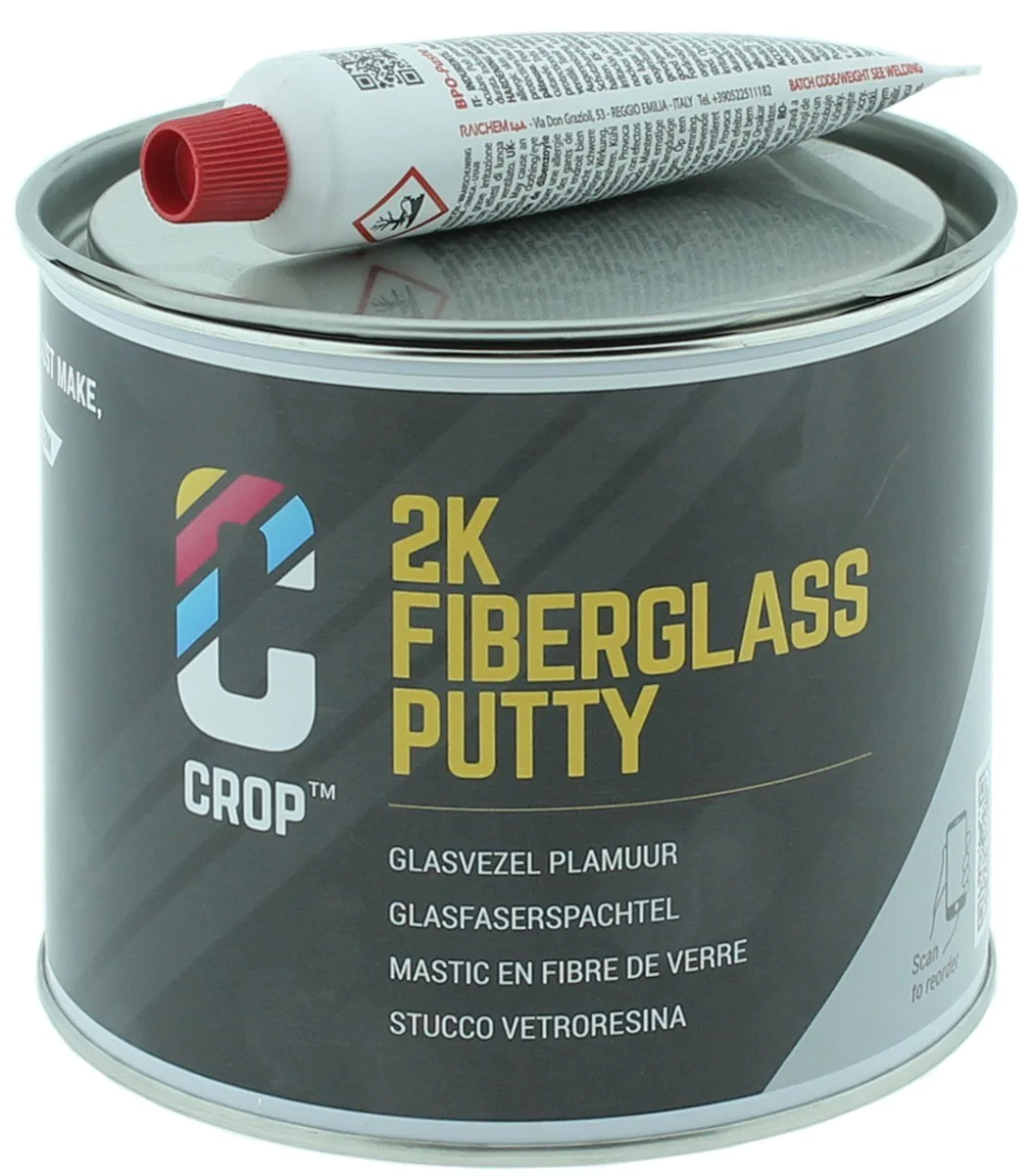

Getting the roof repair right before waterproofing matters because a flexible sealant alone may not bridge deeper structural damage. A filled and sanded repair helps the final coating adhere evenly and avoids low spots where water can sit.
Why crack preparation matters
Before a roof waterproofing layer is applied, the surface needs to be as stable and continuous as possible. Deep cracks and holes create weak points where water can sit or where the final coating may have to stretch further than intended. Filling those areas first gives the coating a flatter, more predictable surface to bond to.
Loose debris, flaking old sealant, and any surface contamination should be removed first. The repair area should be clean and dry so the filler can key properly to the surrounding roof material.
How to fill and smooth deep cracks
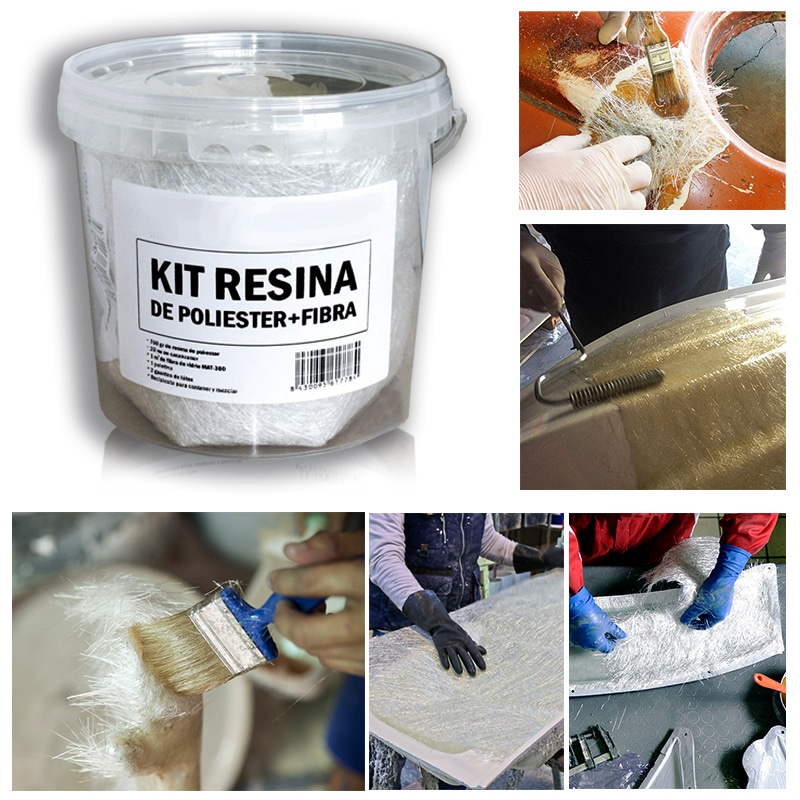
A fibreglass-reinforced polyester putty is a practical choice for this stage. CROP 2K Fiberglass Putty is formulated to fill cracks, dents, holes and deeper cavities, then sand back to a smooth finish once cured. Mix the two components according to the product instructions and work the material firmly into the damaged area.
- Remove dust and loose material before filling
- Press filler into the crack to reduce trapped air
- Slight overfill allows you to sand back flat
- Check the cured surface is sound before coating
When this matters
This preparation step is especially useful when cracks are deep enough to hold water, when the roof surface is uneven, or when the finished repair will be exposed to standing water. Hairline surface cracks may be handled differently, but larger voids are better filled before coating.
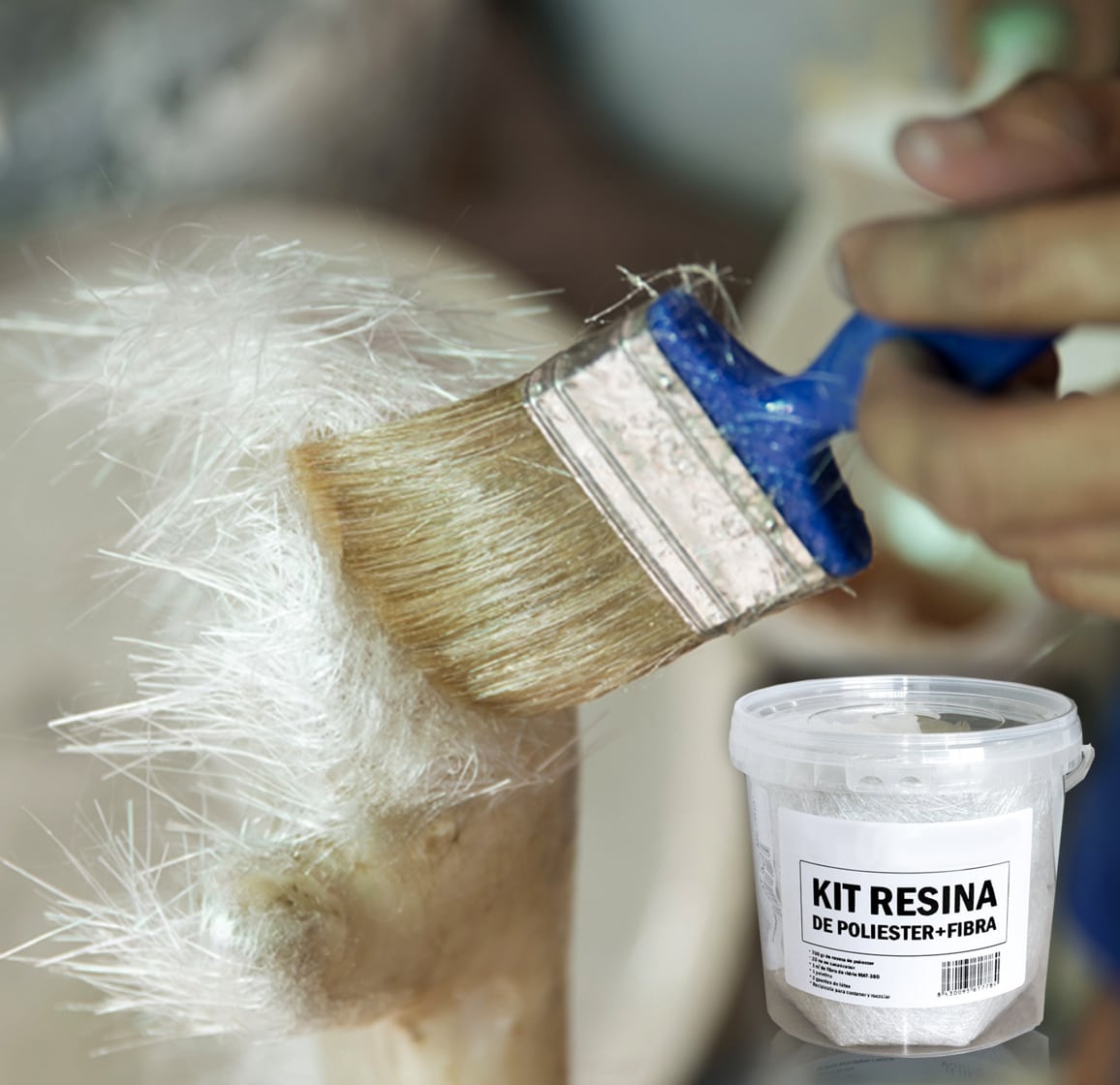
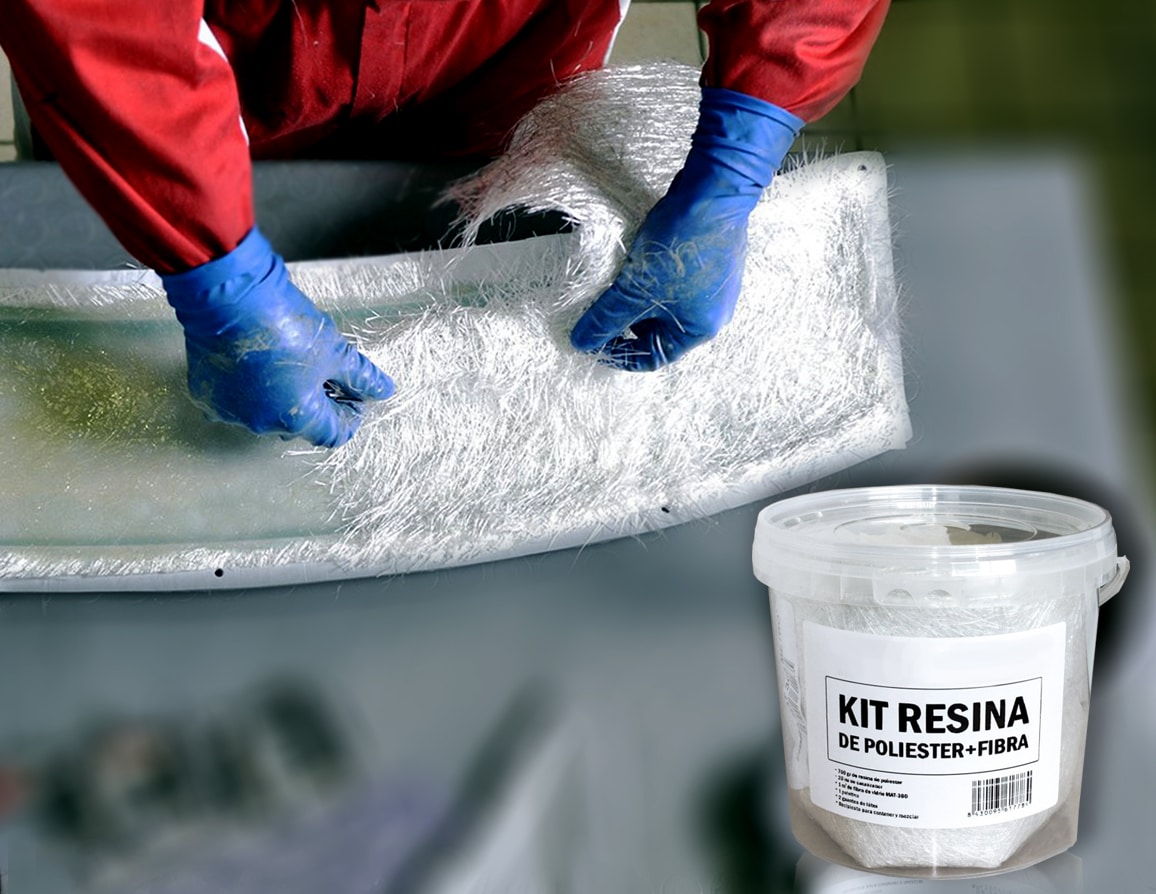
For wider structural damage, a fibreglass repair kit can reinforce the area before final filling and smoothing. After sanding, a durable topcoat such as “Prolux” PU coating can form the waterproof layer on many prepared roof surfaces.
Related products
Related guides
After filling, sanding and cleaning, the roof is ready for its main waterproofing treatment. This intermediate repair step sits between raw damage and the finished RV roof waterproofing system, helping the protective layer bond more evenly and last longer in use.