 Free shipping on orders over £29,85
 Shipping Tracking!



 Google
 Facebook
How do you clean resin from brushes and tools?
Expert tips for safe and thorough resin tool cleaning at home

If you work with epoxy resin regularly, keeping your brushes and tools clean is essential to achieving professional results and extending the lifespan of your equipment. Whether you are an artist, DIY enthusiast, or woodworker, learning the correct method to remove resin (both uncured and cured) makes all the difference. This guide outlines simple, safe steps to clean resin from brushes and tools, avoid stubborn build-up, and protect your workspace.
What You’ll Need
- Pure Isopropyl Alcohol 99.9% – 1000ml Bottle for Epoxy Resin Projects & DIY – ideal solvent for uncured resin removal.
- Strong Technical Degreaser for Resin Projects – 100% Natural Formula – safe for thorough post-project cleaning.
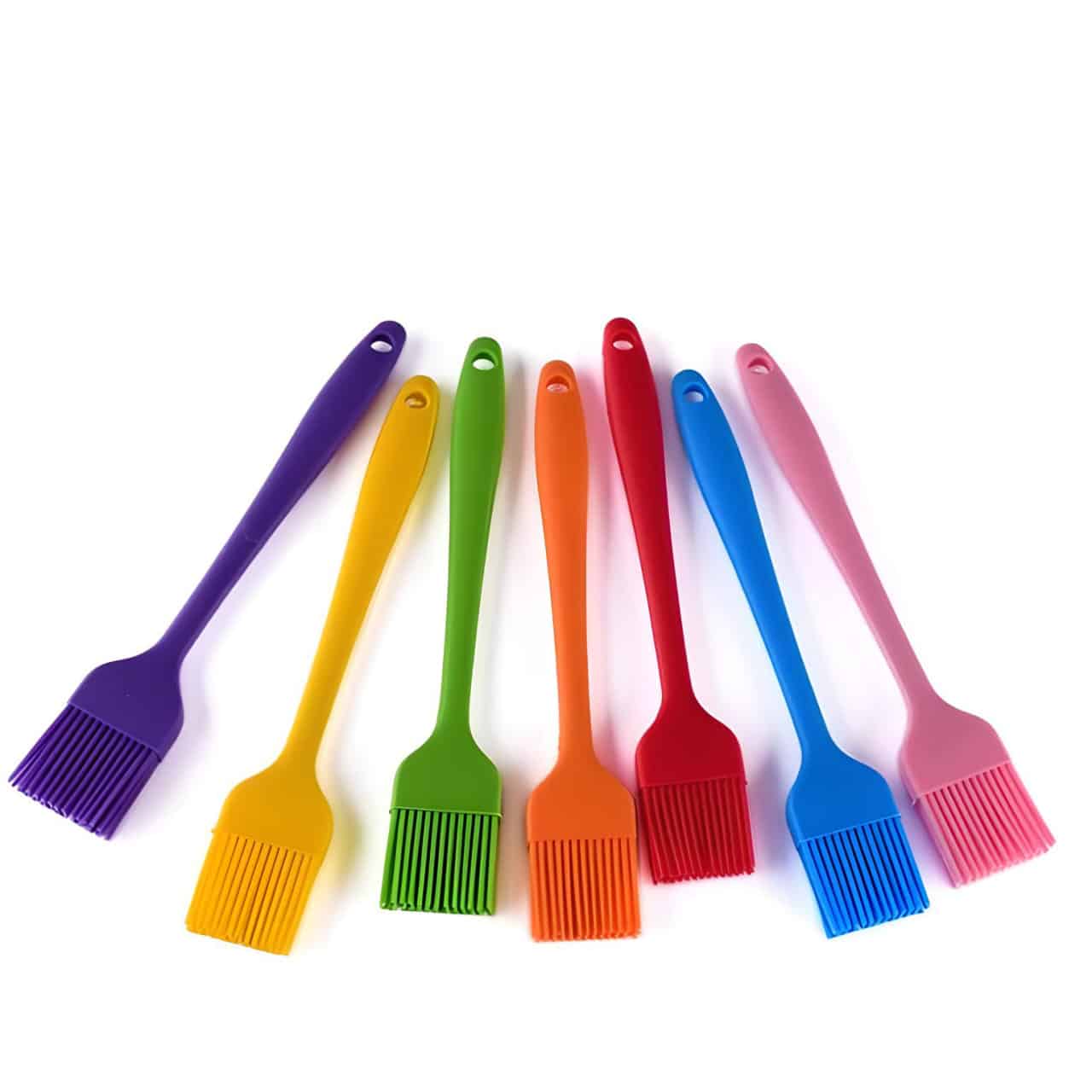
- Reusable Silicone Resin Brush for Epoxy Art and Wood Applications or standard/wood-handled brushes – for actual resin application and cleaning practice.
- 5-Piece Disposable Paint Brush Set for Art, Crafting & DIY Projects (optional for single-use tasks).
- Nitrile gloves, cleaning cloths, warm soapy water, disposable containers for rinsing.
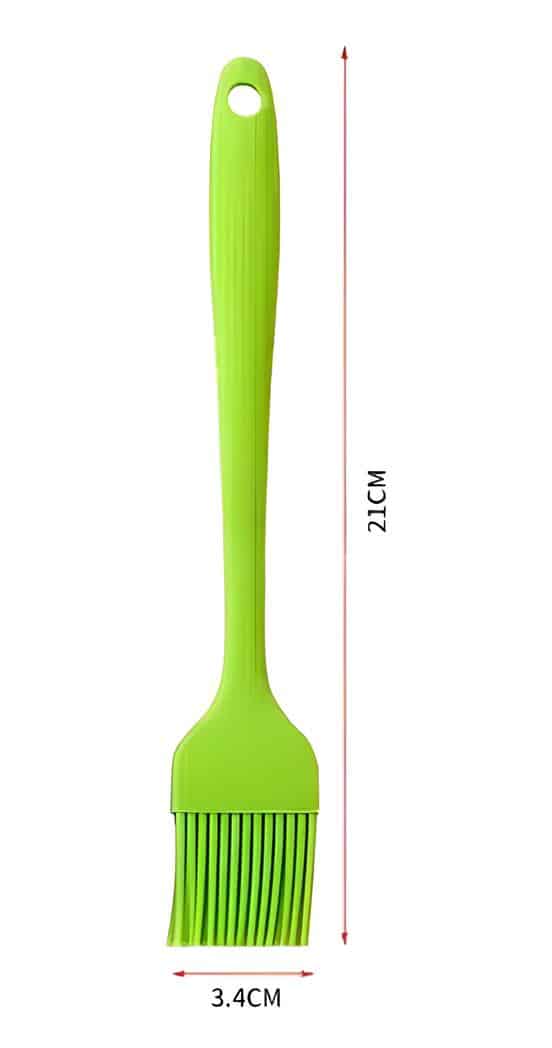
Visual Guide to Essential Resin Cleaning Tools
See examples of brushes, degreasers, and accessories that streamline resin cleanup. Proper tools ensure tools last longer and projects stay mess-free. Explore our Accessories for Resin selection for all your studio needs.

Step 1: Clean Immediately After Use
As soon as you finish working with resin, clean your brushes and tools before the resin sets. Fresh, uncured resin is much easier to remove than hardened material. Wipe off as much residue as possible with a disposable cloth or paper towel. If the resin is still wet, immerse your brushes or tools in a container of Pure Isopropyl Alcohol 99.9%, swirling gently to dissolve the resin. Allow several minutes for the alcohol to break down the resin before rinsing in warm, soapy water.
Always wear gloves and eye protection when handling resin or cleaning agents. Perform this step in a well-ventilated area and dispose of any used cleaning cloths responsibly.
Step 2: Remove Hardened or Cured Resin
If the resin has partially or fully cured on your brushes or tools, removal becomes more difficult. For heat-resistant, robust tools (not brushes), carefully try to peel or gently scrape away the hardened resin with a craft blade or spatula. For stubborn patches, soak the tool in Strong Technical Degreaser for Resin Projects – 100% Natural Formula. This product is formulated to tackle resin, silicone, and other contaminants without damaging surfaces or skin.
Allow your tools to soak for 15–30 minutes, then scrub gently with a soft brush under running water. For delicate brushes, avoid excessive mechanical action that might damage bristles. Rinse thoroughly and repeat if needed for persistent residue.


Step 3: Choose the Right Brush and Maintenance Method
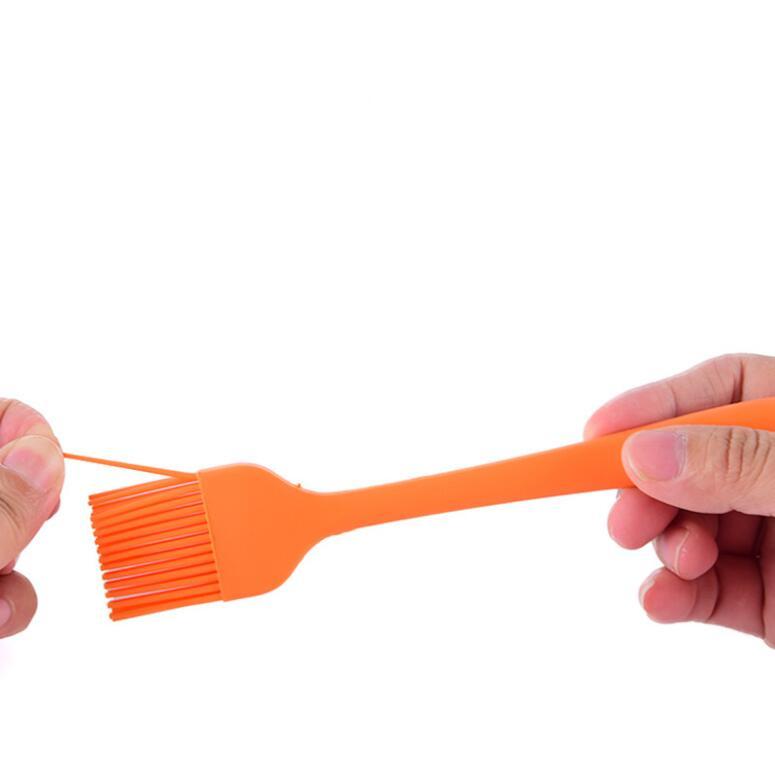
Selecting the right type of brush can reduce cleanup time and extend usefulness. For repeat resin projects, opt for a Reusable Silicone Resin Brush, which is specifically designed to resist resin build-up and can be easily cleaned in warm, soapy water after each session. For high-detail or one-off work, disposable brush sets are a practical choice to avoid difficult resin clean-up entirely.
Always rinse reusable brushes in soapy water after using solvents to avoid bristle degradation. Dry thoroughly before storage to prevent mould and odours.
Tips and Common Mistakes When Cleaning Resin Tools
Never let resin fully cure on your brushes or tools. Once set, many resins are almost impossible to remove without damaging the tool. Avoid acetone or harsh solvents that may damage sensitive tools or surfaces. Always prefer products intended for resin removal, and clean up promptly for easiest results. Store brushes upright and ventilate your workspace to extend tool longevity. If in doubt, test any cleaning solution on a small, inconspicuous section first.
Care and Upkeep for Resin Cleaning Equipment
Regularly inspect your brushes and tools for resin build-up and wear. Prompt removal and gentle cleaning preserve bristle quality and tool shape. Save time and money by incorporating simple cleaning habits using the right products.
- Pure Isopropyl Alcohol 99.9% – 1000ml Bottle for Epoxy Resin Projects & DIYPrice range: £10.45 through £20.95Pure Isopropyl Alcohol 99.9% is suitable for epoxy resin projects and cleaning tools, supporting resin craft maintenance.
- Reusable Silicone Resin Brush for Epoxy Art and Wood Applications£3.62Reusable Silicone Resin Brush designed for precise epoxy resin application, suitable for art and wood projects with easy cleaning.
- 5-Piece Disposable Paint Brush Set for Art, Crafting & DIY Projects£6.45A set of 5 disposable brushes designed for detail work and crafting, including epoxy resin projects and general artistic tasks.
 Strong Technical Degreaser for Resin Projects – 100% Natural FormulaOriginal price was: £10.95.£9.45Current price is: £9.45.A natural, gentle degreaser suitable for cleaning tools and surfaces involved in resin projects.
Frequently Asked Questions
What is the safest way to clean epoxy resin brushes?
Use isopropyl alcohol for uncured resin and a natural degreaser for stubborn residue, always wearing gloves and working in a ventilated area.
How do you remove cured resin from tools?
Soak tools in a strong degreaser, gently scrape off residue, then wash with soapy water. For delicate tools, avoid harsh scraping.
Can I reuse my brushes after cleaning resin?
Yes, as long as all resin residue is thoroughly removed. Silicone brushes are especially suitable for repeated use.
Is isopropyl alcohol better than acetone for resin?
Isopropyl alcohol is safer and leaves less residue, making it preferable for most resin cleaning tasks compared to acetone.
Should I use disposable brushes for resin projects?
Disposable brushes are ideal for detailed or single-use tasks where cleaning is impractical or time-consuming.
How can I prevent resin drying on my tools?
Clean tools promptly after every use and never leave resin to set before removing it from brushes and spatulas.
What is the best cleaner for epoxy resin on silicone brushes?
Warm soapy water and isopropyl alcohol both remove uncured resin effectively from silicone brushes.