 Free shipping on orders over £29,85
 Shipping Tracking!



 Google
 Facebook
How do you clean tools after using resin?
Clear step-by-step advice for a residue-free finish


Cleaning your tools properly after using epoxy resin is vital for extending their lifespan and keeping your future projects free from contamination or sticky residue. Whether you’re an artist, DIY enthusiast, or professional, following the right steps ensures efficient and safe removal of both cured and uncured resin from brushes, buckets, and other equipment.
What You’ll Need
- Pure Isopropyl Alcohol 99.9% – 1000ml Bottle for Epoxy Resin Projects & DIY – for dissolving fresh resin and cleaning surfaces
- Strong Technical Degreaser for Resin Projects – 100% Natural Formula – for residue and oil removal
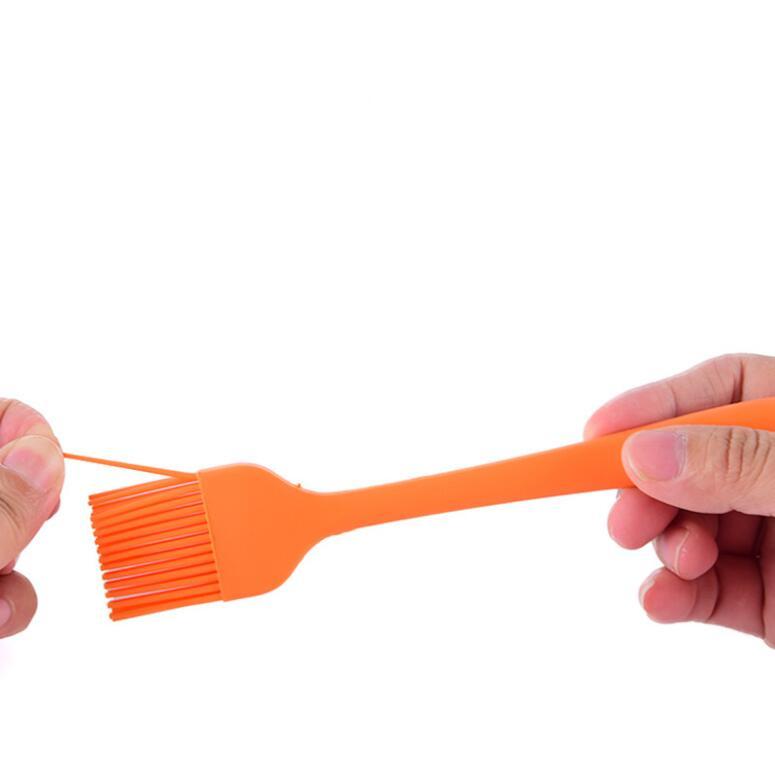
- Reusable Silicone Resin Brush for Epoxy Art and Wood Applications – easy to clean and reusable tool
- Mixing Buckets Kit for Epoxy Resin Art – Easy Clean Flexible Design – flexible for easy removal of cured resin
- Warm soapy water
- Paper towels or lint-free cloth
- Protective gloves
- Waste container for used cleaning materials
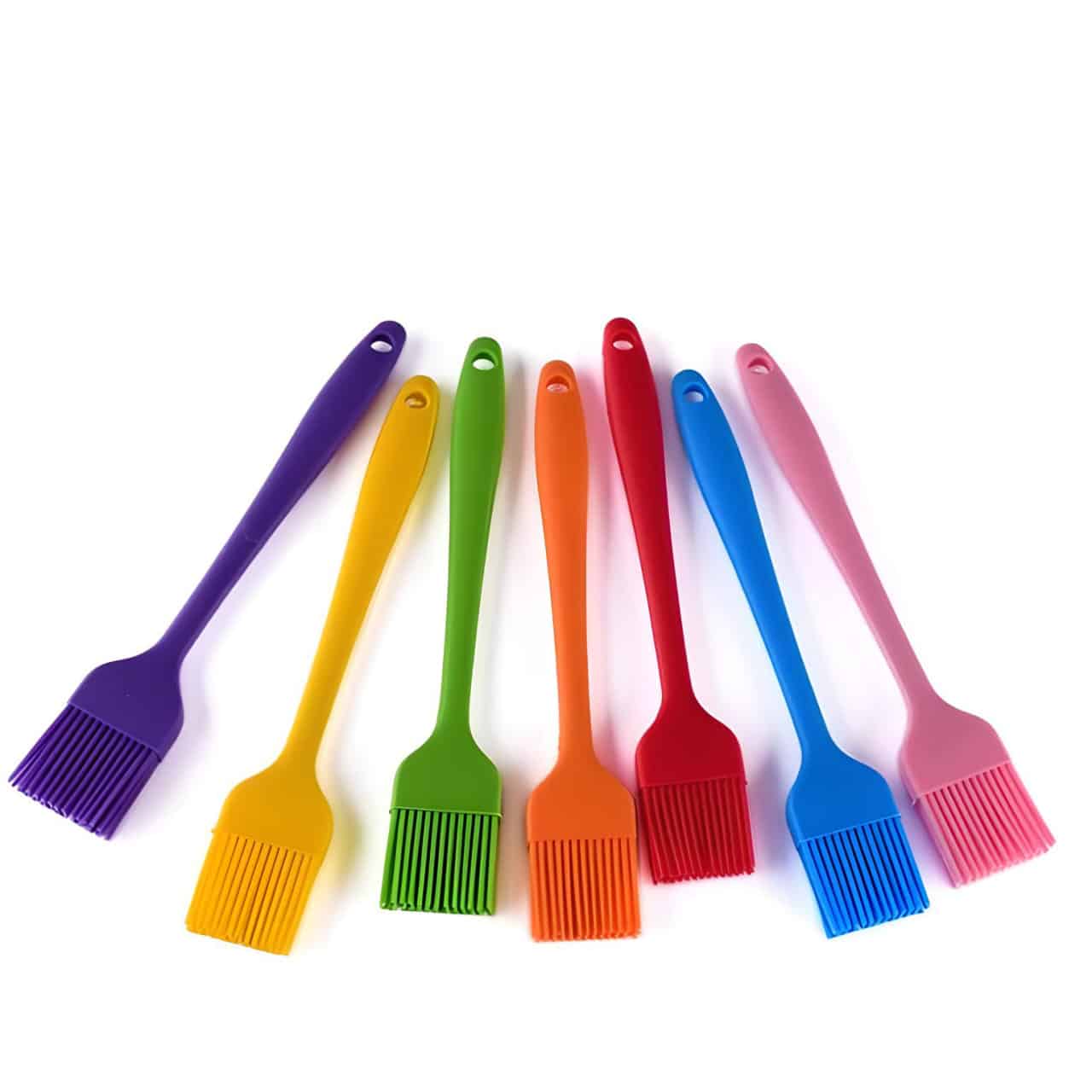
Essential Cleaning Tools in Action
See how the right brush or bucket streamlines cleanup. Durable and flexible designs are engineered to peel away cured resin, making it easier to maintain tool quality over time. Well-chosen equipment drastically shortens post-project chores and reduces material waste. Select reusable or easily cleaned accessories for lasting convenience.
Step 1: Wipe Away Excess Resin Promptly
Cleaning up after resin work prevents stubborn build-up on your tools. Directly after pouring or brushing, use a paper towel to wipe off any uncured resin from spatulas, brushes, and mixing buckets. The fresher the resin, the easier it is to remove, so act as soon as your project is complete. Paying attention to this quick action helps limit the need for intensive scrubbing later.
With Reusable Silicone Resin Brush for Epoxy Art and Wood Applications, you can simply wipe off any excess before it cures to save significant cleaning time.
Step 2: Use Alcohol or Degreaser for Residue
Remove as much uncured resin as possible before it sets but if sticky residue remains, a solvent is necessary. Pour a small amount of Pure Isopropyl Alcohol 99.9% – 1000ml Bottle for Epoxy Resin Projects & DIY onto a cloth, and gently rub tools to loosen and pick up fresh resin. This technique is especially useful for metal, plastic, or silicone surfaces. Avoid excessive use on painted or delicate materials as alcohol may dull finishes.
Isopropyl alcohol helps dissolve any remaining sticky residue. For more persistent, oily, or silicone-based residues, apply Strong Technical Degreaser for Resin Projects – 100% Natural Formula. This solution is plant-based and gentle, making it suitable for frequent use on tools that come into direct contact with skin.
Step 3: Deep Clean with Warm Soapy Water
After removing the majority of resin with alcohol or degreaser, wash all tools in warm soapy water to eliminate leftover solvent and trace resin. Work the soap into any textured or hard-to-reach areas, then rinse thoroughly. This step ensures your tools are safe to use in your next project without carrying over residues that might affect new resin pours.
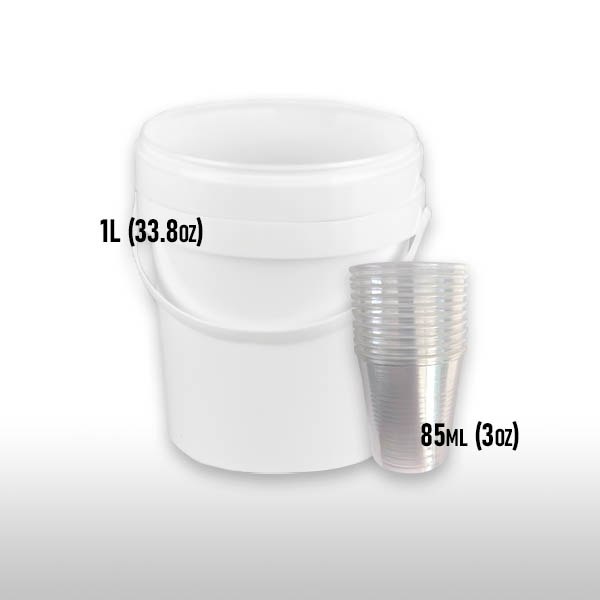
For mixing equipment like the Mixing Buckets Kit for Epoxy Resin Art – Easy Clean Flexible Design, allow any remaining resin to cure fully, then flex or squeeze the sides—the cured resin will peel away easily, reducing ongoing cleaning effort.
Step 4: Dry and Store Tools Properly
Allow time for your tools to fully dry before putting them away. Leaving moisture can attract dust, cause rust, or impact the next resin mix. Lay tools flat on a lint-free towel or hang up brushes so bristles retain their shape. Storing in a dry, dust-free environment will preserve tool condition for your next project.
Tips, Common Mistakes, and Troubleshooting
Safety is essential when handling resin and cleaning agents. Always wear gloves and ensure your workspace is well-ventilated—especially when using isopropyl alcohol, which is flammable and should never be used near open flames. Never pour cleaning fluids or resin remnants into drains; collect them in a waste container for safe disposal.
Avoid waiting too long to clean; cured resin is much harder to remove. For brushes or tools with hardened resin, sometimes only physical removal or replacement is feasible. Choosing reusable tools like the silicone brush and flexible mixing buckets makes the cleaning process easier for future projects.
Safe Disposal and Clean Workspaces
Responsible handling of waste keeps your project area safe. Always collect alcohol-soaked cloths, resin scraps, and dirty water for proper disposal in accordance with local regulations. Maintaining a clean workspace not only supports your health but also ensures the professional standard of your future resin creations.
- Pure Isopropyl Alcohol 99.9% – 1000ml Bottle for Epoxy Resin Projects & DIYPrice range: £10.45 through £20.95Pure Isopropyl Alcohol 99.9% aids epoxy resin projects by removing bubbles and supporting creative effects with a clean finish.
- Strong Technical Degreaser for Resin Projects – 100% Natural FormulaOriginal price was: £10.95.£9.45Current price is: £9.45.A natural and gentle degreaser suitable for cleaning tools and surfaces involved in resin projects.
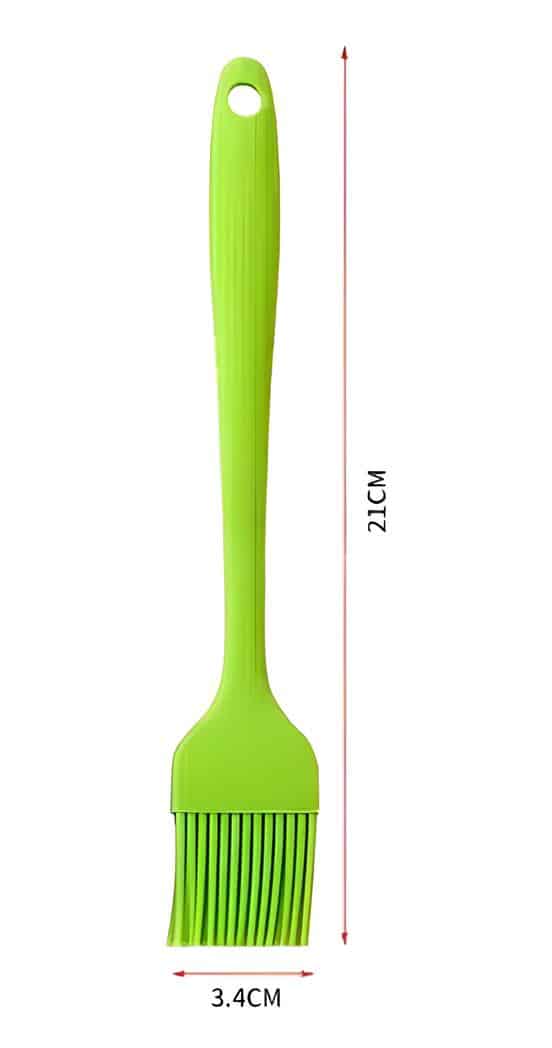
- Reusable Silicone Resin Brush for Epoxy Art and Wood Applications£3.62Reusable Silicone Resin Brush is designed for smooth resin application and easy cleaning, suitable for precise work in resin art and wood projects.
- Mixing Buckets Kit for Epoxy Resin Art – Easy Clean Flexible DesignPrice range: £2.05 through £8.95Mixing buckets with flexible walls designed for easy cleaning, suitable for various epoxy resin mixing tasks.
Frequently Asked Questions
How do I clean epoxy resin tools with alcohol or degreaser?
Apply isopropyl alcohol or a plant-based degreaser to a cloth and wipe away uncured resin. Follow with warm soapy water for thorough cleaning.
How do I remove cured epoxy from mixing buckets?
Once resin is fully cured, flex the bucket to release the hardened resin, peeling it away for easy removal.
How should I clean a silicone resin brush after use?
Rinse the brush with warm soapy water before the resin sets. Any cured material can be peeled off once dry.
Are there safety precautions for cleaning resin tools?
Yes, wear gloves and work in a ventilated area. Avoid using flammable cleaning agents near open flames.
How should I dispose of resin cleaning waste?
Collect resin residues and soiled cloths in a waste container and dispose of them according to local hazardous waste guidelines.
How do I prevent resin build-up on tools?
Clean tools immediately after use, before the resin has a chance to cure and harden.