 Free shipping on orders over £29,85
 Shipping Tracking!



 Google
 Facebook
How do you clean tools used with resin?
Simple steps to keep your resin tools in top condition

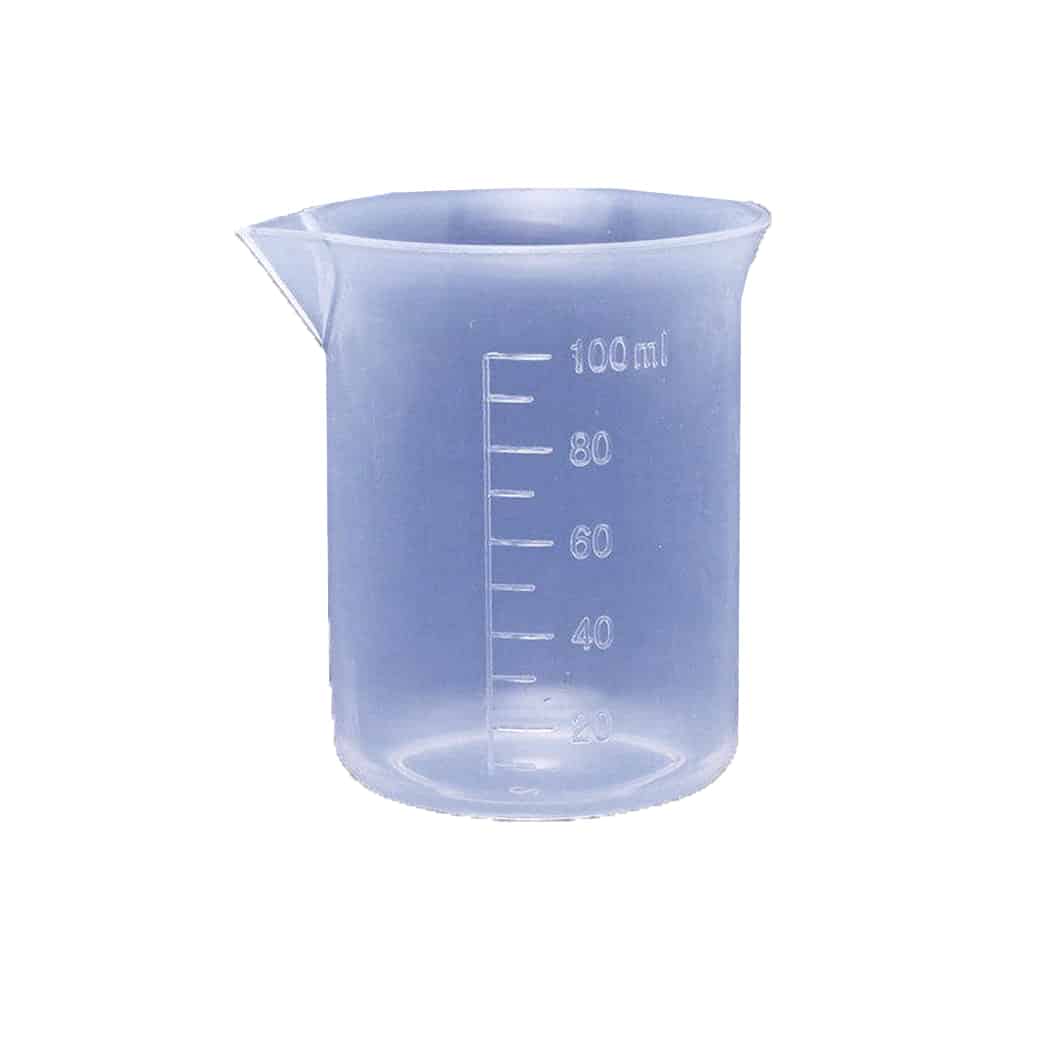
Cleaning your tools after working with resin is essential to prolong their lifespan and ensure a quality finish on every project. Whether you are mixing, pouring, or applying resin, keeping containers, brushes, and cups clean helps prevent contamination and waste, making your crafting smoother and more enjoyable.
What You’ll Need
- Pure Isopropyl Alcohol 99.9% – 1000ml Bottle for Epoxy Resin Projects & DIY: Efficient for cleaning cured and uncured resin residues.
- Flexible Silicone Cup for Mixing and Pouring Resin: Makes post-project cleanup straightforward with its easy-release surface.
- Mixing Buckets Kit for Epoxy Resin Art – Easy Clean Flexible Design: Easy to clean due to its flexible durable construction.
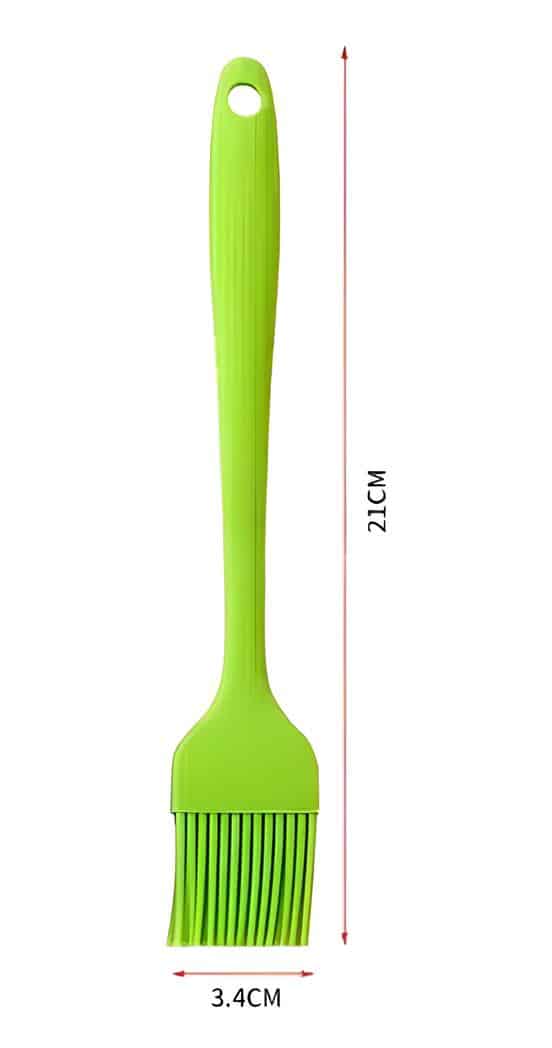
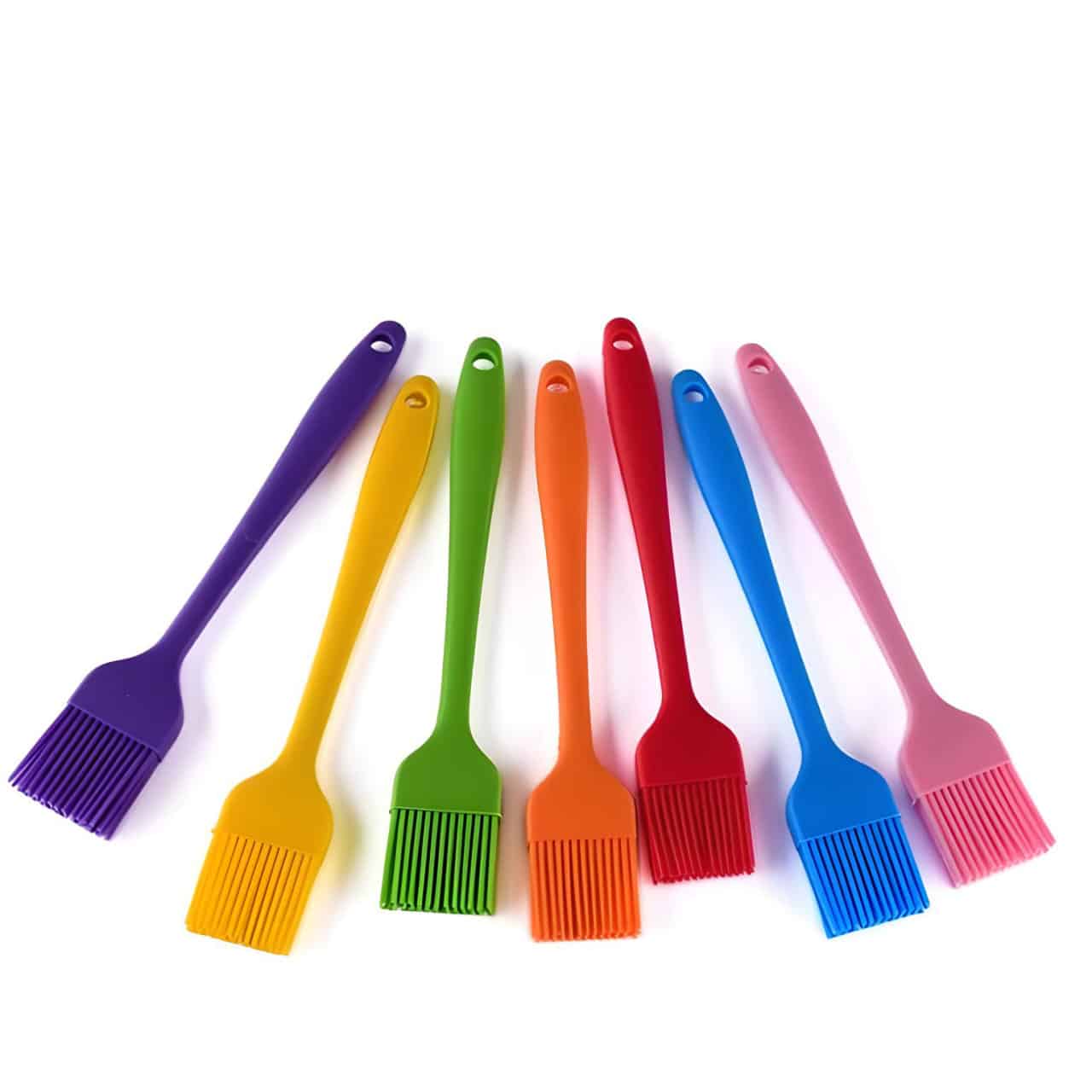
- Reusable Silicone Resin Brush for Epoxy Art and Wood Applications: Allows for quick rinsing and reuse, cutting down on waste.
- Warm soapy water
- Lint-free cloth or paper towels
- Nitrile gloves for protection
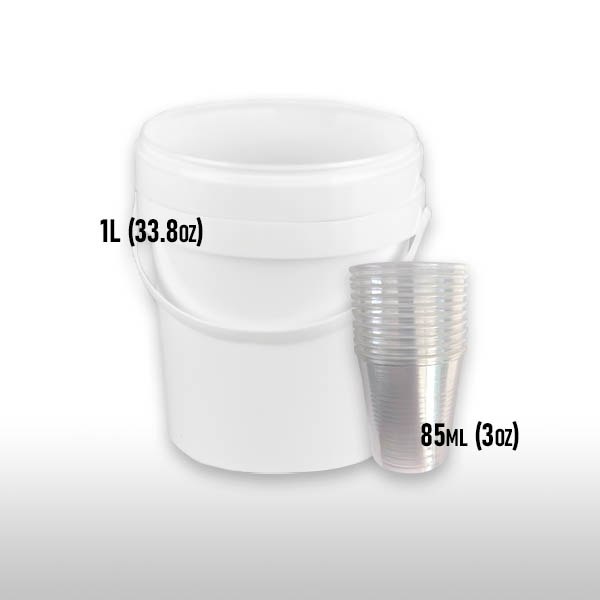
Visual guide to essential resin cleaning tools
Flexible Silicone Cup for Mixing and Pouring Resin, Mixing Buckets Kit for Epoxy Resin Art – Easy Clean Flexible Design, and Reusable Silicone Resin Brush for Epoxy Art and Wood Applications are all designed to make cleanup after resin projects quick and straightforward. Their flexible and washable nature drastically reduces tool waste and downtime between creative sessions.
Step 1: Remove Excess Resin Immediately
The key to effective tool cleaning is to act quickly—clean resin tools as soon as you have finished working, before the resin begins to cure. Use a spatula or disposable wipe to remove as much uncured resin as possible from brushes, containers, and mixing cups. This helps make the next cleaning steps more efficient and protects your equipment from stubborn build-up.
For flexible containers like the Flexible Silicone Cup for Mixing and Pouring Resin, allowing the residue to partially cure before flexing the cup helps peel out any remaining resin with minimal effort.
Step 2: Wash with Warm Soapy Water
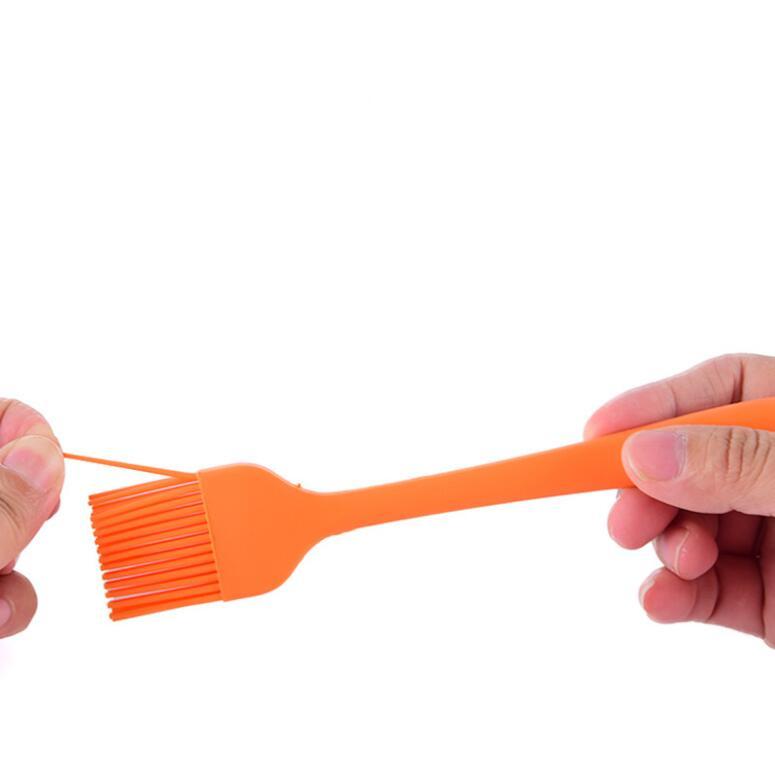
Once most of the residue is gone, wash silicone and plastic tools with warm soapy water. This is particularly effective for reusable items such as the Mixing Buckets Kit for Epoxy Resin Art – Easy Clean Flexible Design and the Reusable Silicone Resin Brush for Epoxy Art and Wood Applications. Simply rinse the surface and gently wipe off remaining traces with a cloth or sponge.
Take extra care not to use harsh abrasives, which could scratch or degrade silicone tools and make them harder to clean in the future.
Step 3: Use Isopropyl Alcohol for Stubborn Residue
If residue remains after washing, apply a small amount of Pure Isopropyl Alcohol 99.9% – 1000ml Bottle for Epoxy Resin Projects & DIY to a lint-free cloth and gently wipe the tool’s surface. This helps dissolve cured or sticky resin and is safe for use on most silicone, plastic, and glass tools. Always wear gloves during this step and ensure good ventilation.
Avoid open flames or heat sources when using isopropyl alcohol, as it is highly flammable.
Step 4: Dry and Store Your Tools
Once tools are clean, rinse any chemicals away thoroughly and dry completely with a lint-free towel. Proper drying prevents dust or contaminants from settling and keeps your equipment ready for your next resin project.
Store silicone and plastic tools out of direct sunlight, which can degrade materials over time. Designate a dust-free storage box or drawstring bag exclusively for your resin gear.
Tips and Common Mistakes When Cleaning Resin Tools
Clean your tools before the resin cures—removing uncured resin is much easier than battling hardened residue. Avoid using harsh abrasives that could damage silicone or plastic—gentle wipes or soft sponges work best. Work in a well-ventilated area and wear gloves to protect your skin and respiratory system, especially when using isopropyl alcohol. Never pour resin or solvents down drains; instead, collect waste in a disposable container for safe disposal.
Technique-focused cleaning reminders
If resin has already cured in a flexible container, allow it to fully set, then flex or peel the container to remove the hardened mass. For stubborn sticky residues, Pure Isopropyl Alcohol 99.9% – 1000ml Bottle for Epoxy Resin Projects & DIY is highly effective. Always check compatibility of solvents with your tool material, and prioritise gentle cleaning to keep equipment in optimal condition.
- Pure Isopropyl Alcohol 99.9% – 1000ml Bottle for Epoxy Resin Projects & DIYPrice range: £10.45 through £20.95Pure Isopropyl Alcohol 99.9% is suitable for epoxy resin projects and tool cleaning related to resin craft.
- Flexible Silicone Cup for Mixing and Pouring Resin£6.45Flexible Silicone Cup designed for mixing and pouring epoxy resin with easy cleaning and removal of cured resin.
- Mixing Buckets Kit for Epoxy Resin Art – Easy Clean Flexible DesignPrice range: £2.05 through £8.95Mixing Buckets Kit designed for epoxy resin art, supporting easy cleaning and versatile mixing tasks.
- Reusable Silicone Resin Brush for Epoxy Art and Wood Applications£3.62A reusable silicone brush designed for epoxy resin applications, easy to clean and suitable for art and wood projects.
Frequently Asked Questions
What’s the safest way to clean tools after using resin?
Clean up before the resin cures, use warm soapy water for silicone and plastic tools, and use isopropyl alcohol for stubborn spots.
How do I remove cured resin from mixing cups?
Let the resin fully harden, then flex the cup to release the cured piece or peel it out if using silicone containers.
How can I remove epoxy resin from brushes and utensils?
While uncured, wash with warm soapy water; for cured residue, use isopropyl alcohol on a cloth.
Is acetone suitable for cleaning resin tools?
Isopropyl alcohol is preferred as it leaves no residue; acetone can damage some plastics and silicones.
Is it safe to pour resin or cleaning liquids down the sink?
Never pour resin or solvents down drains. Dispose of waste in accordance with local hazardous waste guidelines.
Do I need gloves when cleaning resin tools?
Wearing nitrile gloves protects your skin from irritation and resin contact during cleaning.