 Free shipping on orders over £29,85
 Shipping Tracking!



 Google
 Facebook
How do you properly clean resin off work tools?
A practical guide for safe, thorough cleaning of resin tools.


Cleaning resin off your work tools is essential for maintaining their longevity, ensuring high-quality results on your next project, and preventing stubborn build-up that can hamper your creative process. This guide walks you through the best practices and practical steps to remove uncured and cured resin from brushes, scrapers, and other essential tools, supporting both hobbyists and professional resin users.
What You’ll Need
- Pure Isopropyl Alcohol 99.9% – 1000ml Bottle for Epoxy Resin Projects & DIY – Ideal solvent for dissolving uncured resin and cleaning surfaces.
- Strong Technical Degreaser for Resin Projects – 100% Natural Formula – Effective for removing greasy residues and silicone build-up.
- Scraper for Paint & Dry Resin Removal – 10 Double-Sided Blades – For lifting cured resin off flat surfaces or tools.
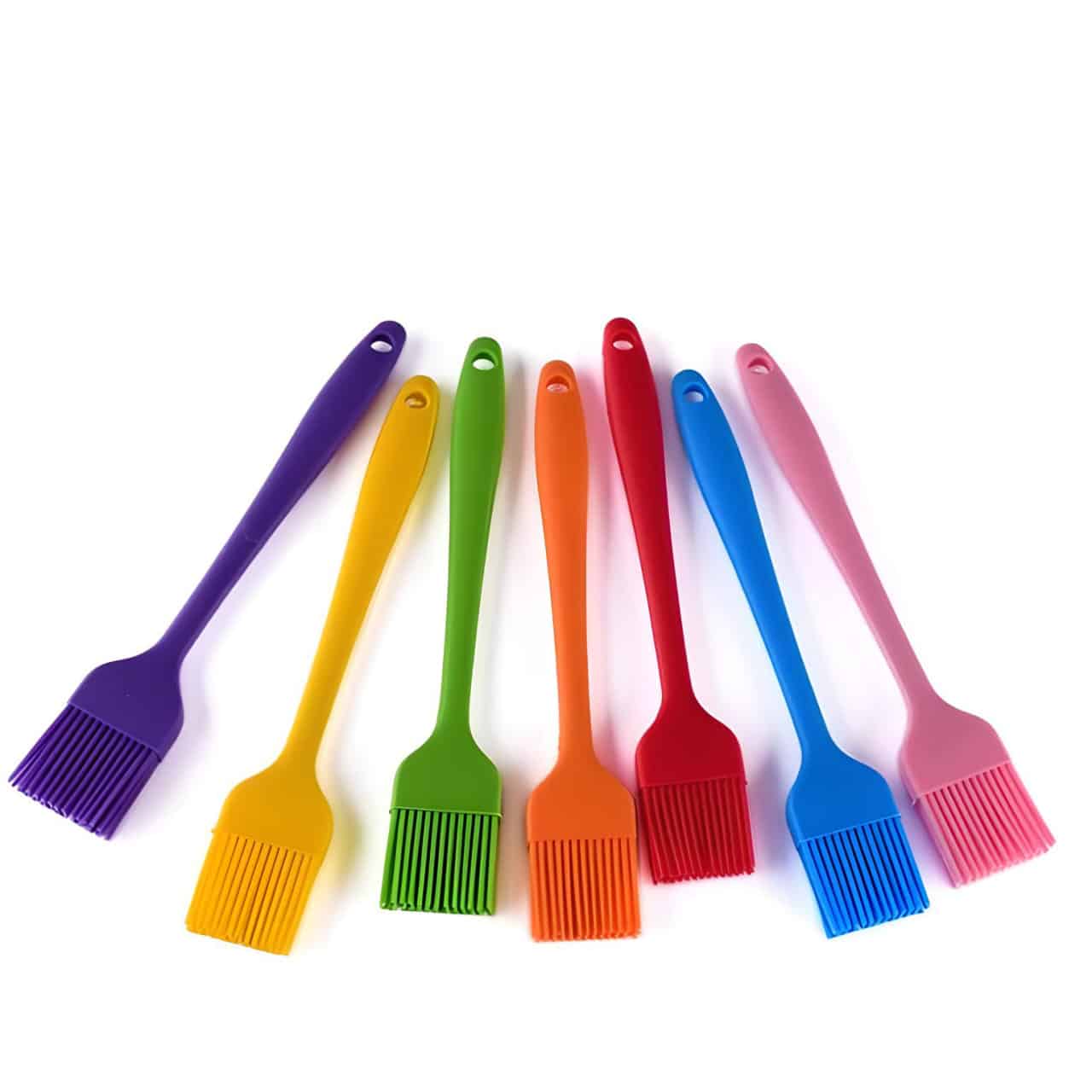
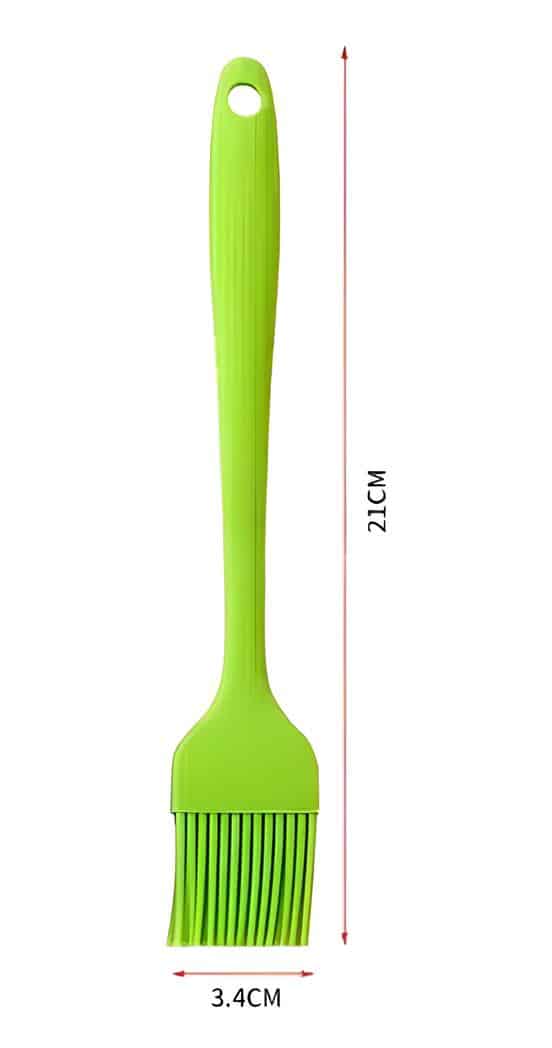
- Reusable Silicone Resin Brush for Epoxy Art and Wood Applications – Easy to clean after resin use, reducing tool waste.
- Protective gloves
- Clean rags or paper towels
- Warm soapy water

Visual Guide: Removing Resin Residue from Tools
Watch examples of best practices for resin tool cleaning, including removing uncured resin, using warm water, and applying solvents. Images demonstrate the safe handling of cleaning agents and the effectiveness of a dedicated scraper. For more detailed visuals, visit the accessories for resin category.

Step 1: Remove Excess Resin Immediately After Use
Start by scraping off as much uncured resin as possible from your tools right after you finish your work. Uncured resin is much easier to remove before it begins to harden. Use a clean rag or paper towel to wipe down surfaces, and gently press with a scraper to lift away thicker deposits from flat or smooth surfaces. Quick action at this stage significantly reduces the effort required later.
Step 2: Rinse and Wash Tools Thoroughly
Once most of the resin is gone, rinse your tools in warm, soapy water to wash away remaining residue. For brushes such as the Reusable Silicone Resin Brush for Epoxy Art and Wood Applications, a gentle soak helps to soften any lingering product. Rubbing gently ensures thorough cleaning without damaging the bristles (or silicone tips).


Step 3: Dissolve Stubborn Resin with Solvents
If sticky or partially cured resin remains, use a suitable solvent to break down the residues. Pure Isopropyl Alcohol 99.9% is excellent for dissolving uncured or slightly cured resin. Soak a rag in the alcohol and wipe over contaminated areas, or submerge small metal tools for a few minutes to loosen tough spots. Always wear gloves and work in a well-ventilated area, as the solvent is flammable.
Step 4: Remove Hardened Resin Mechanically
For resin that has fully cured and become solid, gentle scraping is often the most effective removal method. The Scraper for Paint & Dry Resin Removal lets you carefully lift dried resin from flat surfaces or tools without damaging them. Avoid excessive force which may scratch or gouge delicate tools. Change blades regularly for a clean edge and safer experience.
Step 5: Degrease and Finalise Cleaning
After resin is removed, residual oils or silicones can linger on your tools. Apply a natural degreaser such as the Strong Technical Degreaser for Resin Projects – 100% Natural Formula. Spray or wipe onto your tools and rinse with water. This ensures your tools are free from contaminants that could disrupt future resin projects.
Tips, Troubleshooting and Common Mistakes
Always clean resin before it fully cures – Cured resin is significantly harder to remove and may permanently damage tools. Avoid mixing cleaning chemicals – Stick to one solvent or cleaner at a time to prevent harmful reactions. Allow tools to dry thoroughly before reuse – Moisture or leftover cleaner can affect resin cures in your next project. Routine cleaning not only saves on replacement costs but also leads to higher-quality results and more enjoyable resin crafting sessions.
Photo Reference: Common Cleaning Pitfalls to Avoid
See close-ups of resin build-up when tools are not promptly cleaned. Visuals also highlight improved results achieved with the correct degreasing process and regular maintenance. Explore our Glossy Finishes and Additives for compatible cleaning and finishing products.

- Pure Isopropyl Alcohol 99.9% – 1000ml Bottle for Epoxy Resin Projects & DIYPrice range: £10.45 through £20.95Pure Isopropyl Alcohol 99.9% is suitable for cleaning and removing bubbles in epoxy resin projects.
- Strong Technical Degreaser for Resin Projects – 100% Natural FormulaOriginal price was: £10.95.£9.45Current price is: £9.45.Strong Technical Degreaser is a natural, gentle cleaner suitable for removing grease and silicone from multiple surfaces in epoxy resin projects.
- Scraper for Paint & Dry Resin Removal – 10 Double-Sided Blades£4.95The Scraper for Paint & Dry Resin Removal supports safe, tool-free blade changes and is suitable for both professionals and DIY users.
- Reusable Silicone Resin Brush for Epoxy Art and Wood Applications£3.62The Reusable Silicone Resin Brush supports easy cleaning and is suitable for detailed epoxy resin art and wood projects.
Frequently Asked Questions
What solvent should I use to clean resin from tools?
Isopropyl alcohol (99.9%) is recommended for most uncured or slightly cured epoxy resin residues on tools.
Can I save a tool with cured resin on it?
Yes, if the resin is on a hard surface, use a scraper to carefully remove it. Timely cleaning is much more effective.
Are there safety precautions for using resin cleaning agents?
Always wear gloves, ensure good ventilation, and avoid open flames when working with flammable solvents like isopropyl alcohol.
When should I use alcohol versus a degreaser?
Use isopropyl alcohol to dissolve resin residue, and a degreaser for oily contaminants after resin removal.
How do I clean a silicone brush after resin use?
Rinse the brush with warm soapy water immediately after use to remove uncured resin and prevent build-up.
What happens if I do not clean resin from tools?
Resin can cure and permanently stick, damaging tools and affecting the finish of future projects.