 Free shipping on orders over £29,85
 Shipping Tracking!



 Google
 Facebook
How Long Before Surfaces Can Be Used After Sealing?
← Back to Ready-to-use waterproofing sealant
Quick answer
Sealed surface use times depend on the coating chemistry, surface absorbency, film thickness and site conditions. One-component methacrylic sealers such as Resinstone are typically ready within 12 hours on concrete floors and driveways. Epoxy and polyurethane systems generally require longer, and should be left for the full time stated on the product label before foot traffic, vehicles or water exposure. Rushing that stage can compromise adhesion, appearance and long-term waterproofing performance.
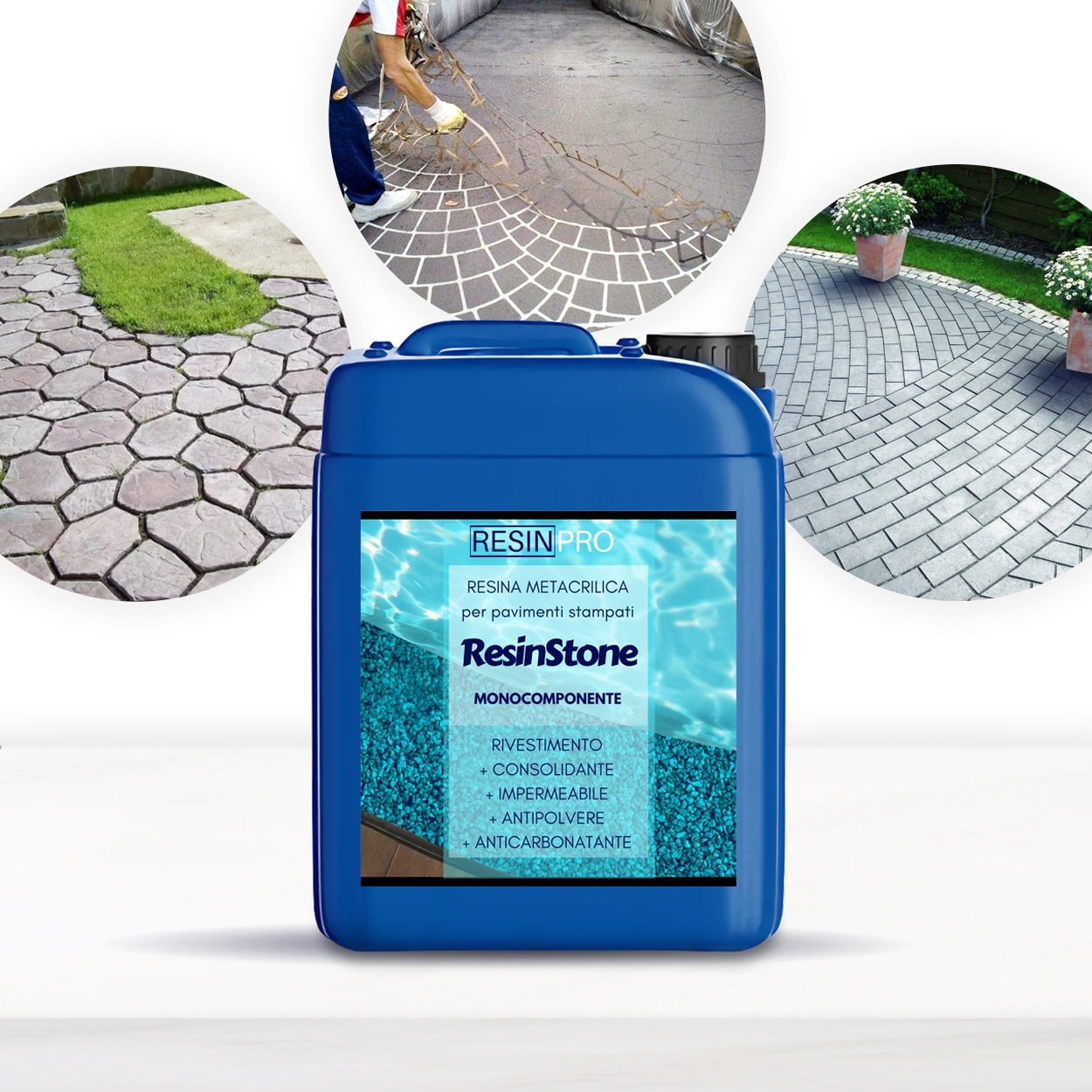

A surface can feel dry long before it is genuinely ready for foot traffic, furniture or vehicles. That gap between touch-dry and fully cured is where most sealing problems begin.
Why drying and curing times vary
The time before a sealed surface can be used is not a single fixed figure. Different resin chemistries, the porosity of the substrate, the thickness of the coat and the surrounding temperature and ventilation all change how quickly the seal reaches a serviceable state.
- Product chemistry: Methacrylic, epoxy and polyurethane systems cure differently, even if they feel dry on the surface.
- Substrate absorbency: Porous concrete can draw in sealer differently from dense tiles or prepared steel.
- Application thickness: Thicker coats or multiple layers may need longer before heavy use.
- Conditions: Low temperatures and high humidity can slow cure times, while good airflow can help.
What to expect from common sealers
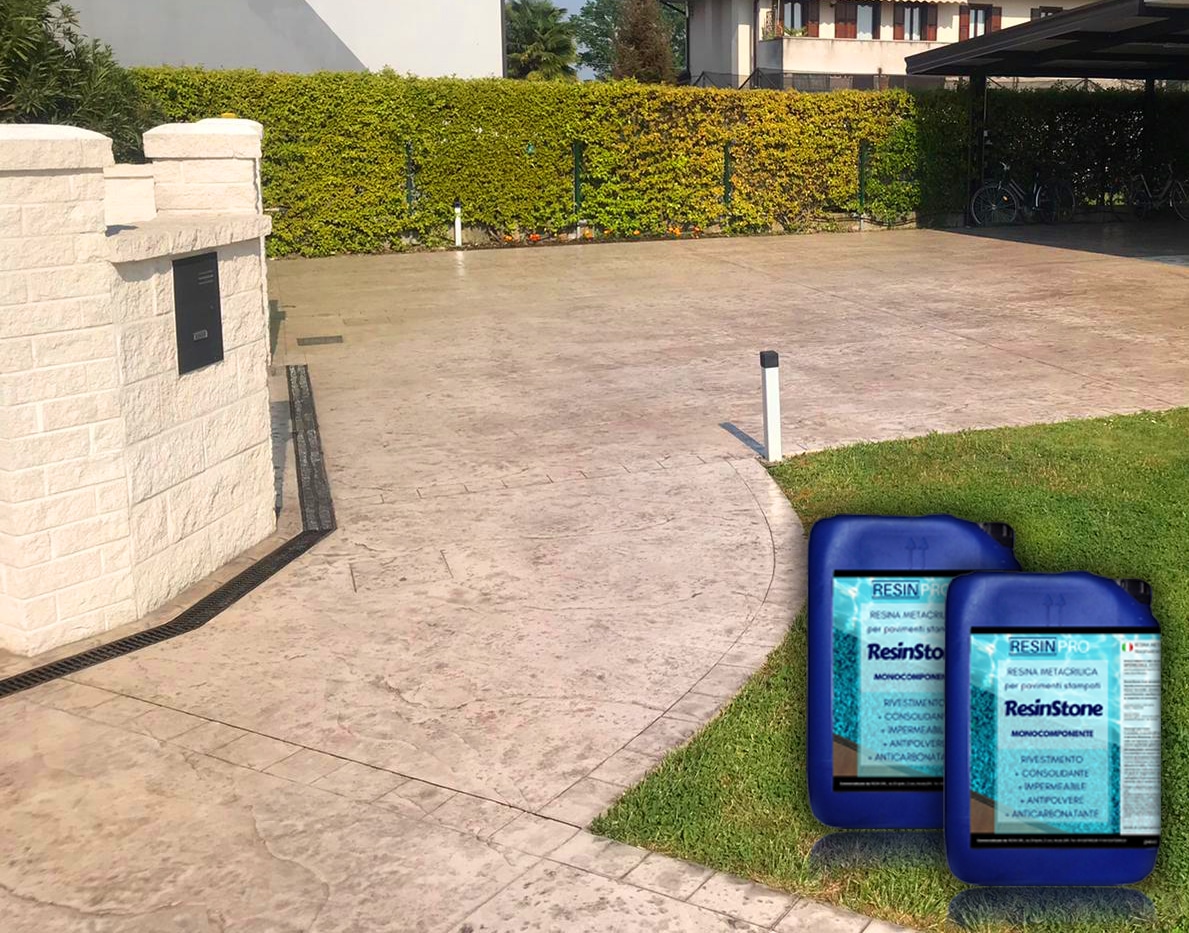
For a methacrylic concrete sealer like Resinstone, the product is designed to be ready for use in under 12 hours. That makes it a practical choice for driveways and paths where downtime needs to be short.
Two-component epoxy and polyurethane coatings, such as Prolux PU coating, depend more heavily on the label instructions. The mixed system needs the full stated curing window before driveable or high-traffic use, even if it looks dry. Wood restoration epoxies like EpoxyWood also require dry, prepared wood and the label-specific cure time before the surface is put back into service.
When this matters
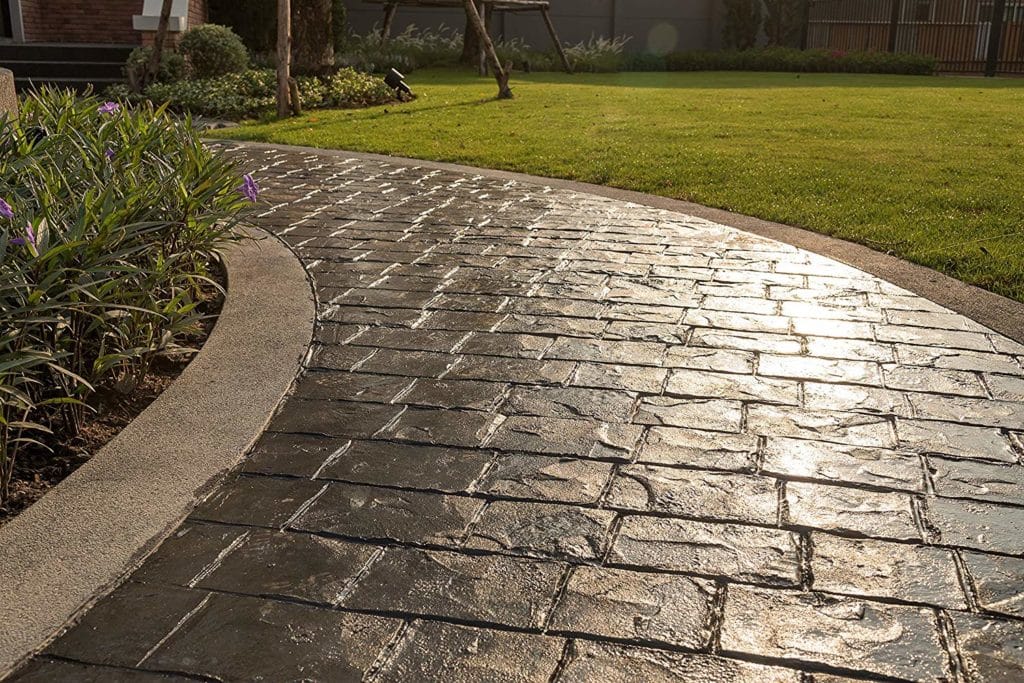
Getting the waiting time right matters most on driveways, garage floors, commercial entrances and any surface that will take vehicles or repeated foot traffic. If a floor is opened too early, the coating may mark, soften or lose bond, which is harder to fix than waiting a few extra hours.
For best results, confirm the full cure time before moving furniture back, parking vehicles or allowing water to pool on the surface. A simple touch test is not enough; follow the label and keep the area clear until the recommended point.
Related products
Related guides
If you are comparing ready-to-use waterproofing sealants, factor the waiting time into your project plan. The right product, left to cure properly, gives a safer and more durable finish on concrete, wood and prepared floors. See the full ready-to-use waterproofing sealant guide to match the sealer to your surface and schedule.