 Free shipping on orders over £29,85
 Shipping Tracking!



 Google
 Facebook
How Thick Can Each Transparent Waterproofing Product Be Applied?
← Back to Transparent waterproofing for motorhomes
Quick answer
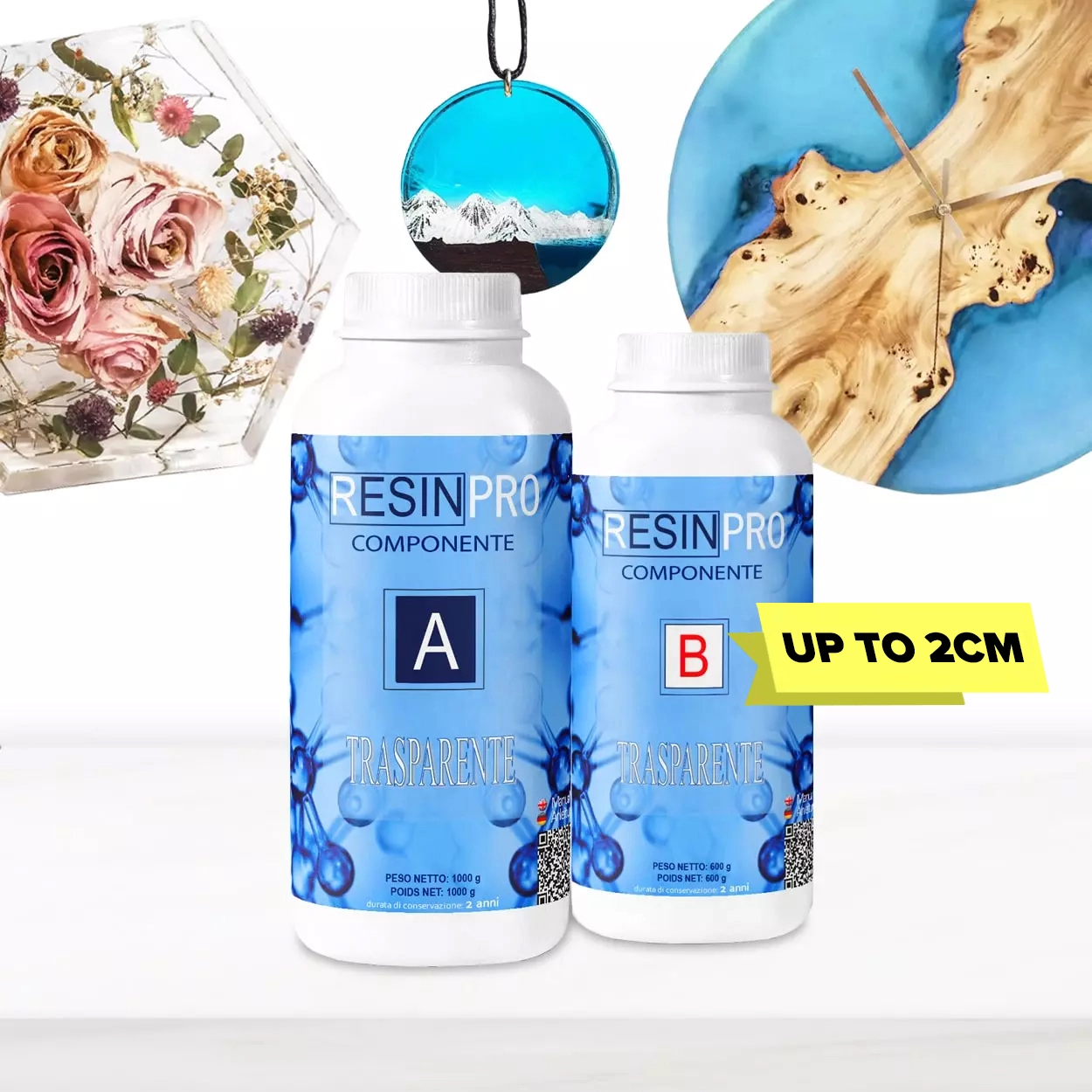
Transparent waterproofing products have different maximum pour depths. Trasparente epoxy can be cast up to 2cm per pour, Icrystal up to 1.5cm, and Prolux is applied as a single-layer polyurethane system. These limits help control curing, clarity, and surface quality; exceeding them can cause overheating, clouding, or poor adhesion. Manufacturer guidance should always be followed for the specific substrate and conditions.
If you are sealing or coating a motorhome surface, the practical thickness limit affects everything from cure time to final clarity. The three systems below are often compared because their application depths are quite different, so it is worth matching the resin to the job rather than trying to force a single product to do everything.
Thickness limits by product
The three products most often compared for transparent waterproofing work have different application rules.
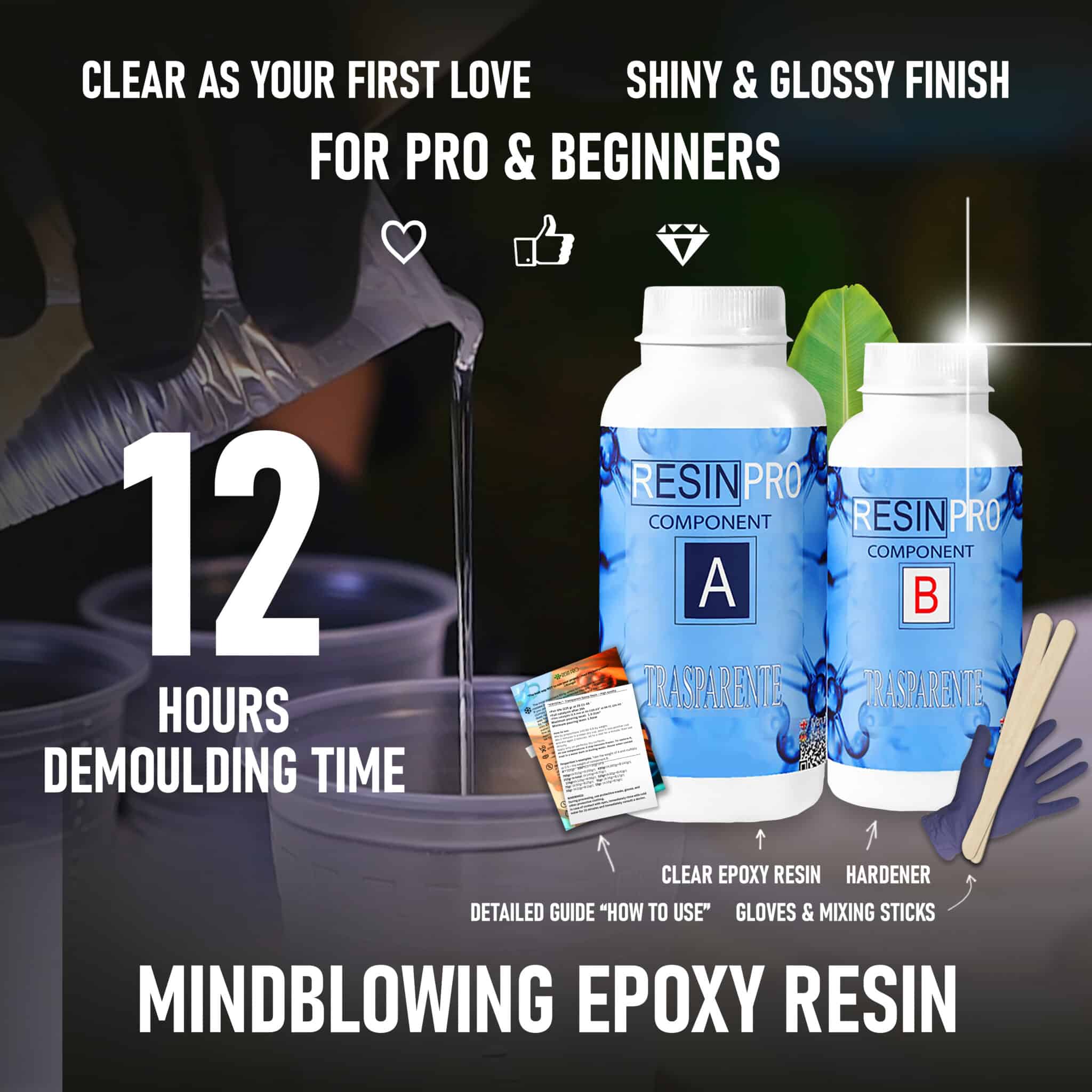
- Trasparente – suitable for pours up to 2cm in a single layer. This makes it a common option for small castings and resin table finishes.
- Icrystal – designed for layers up to 1.5cm per application, with an odourless formulation often preferred for indoor work.
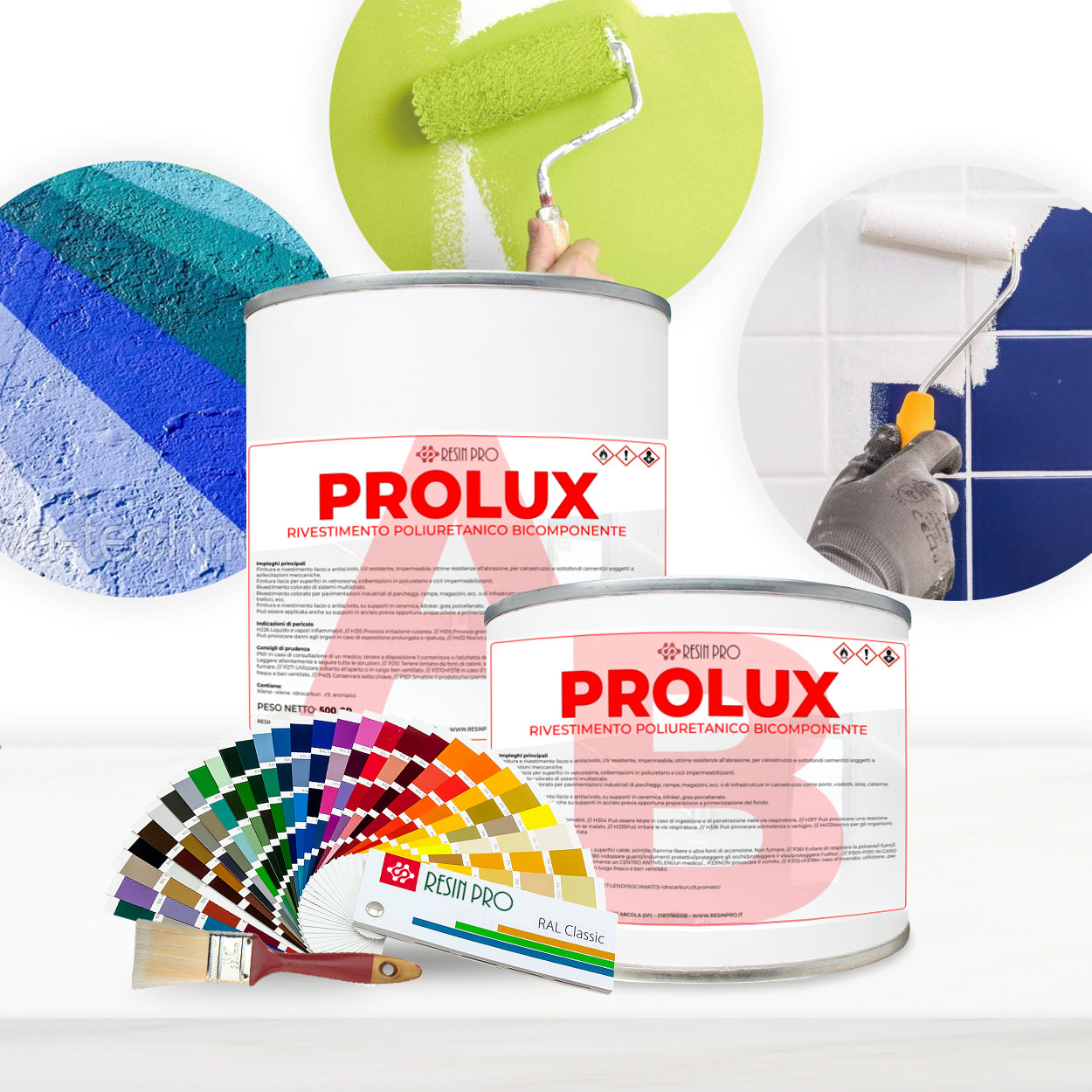
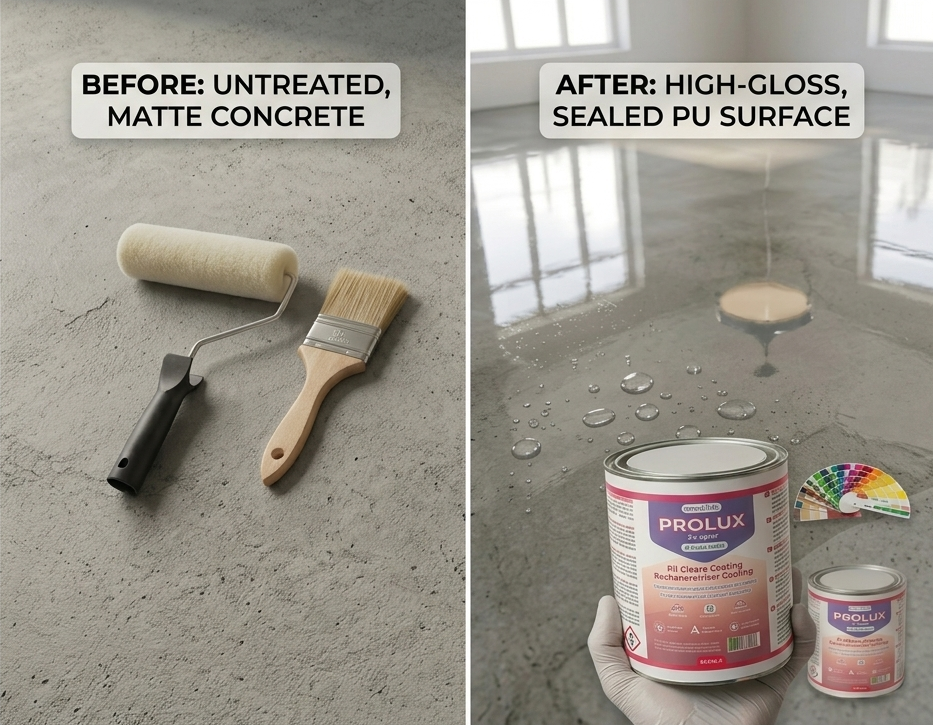
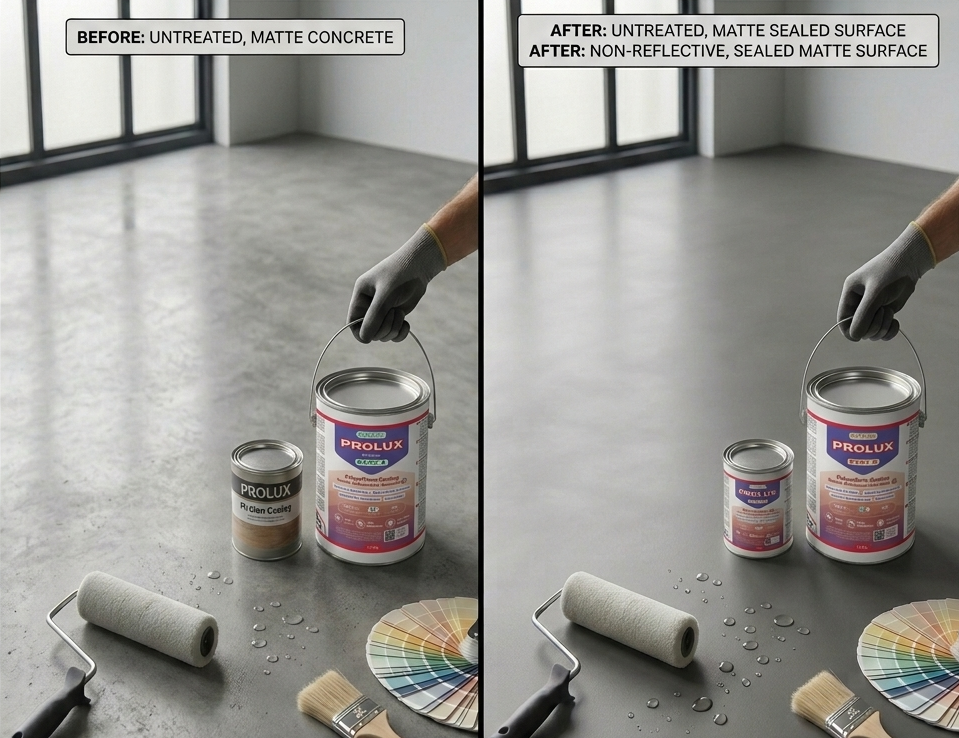
- Prolux – a single-layer polyurethane coating rather than a poured casting resin. It is usually applied thinly to floors and prepared surfaces rather than built up in thick decorative layers.
These figures are maximum per pour or application recommendations, not a target thickness for every job. In practice many coatings are applied thinner for better control and adhesion.
Why pour depth affects the finished result
Pour depth is not just a technical number; it directly influences how the resin cures. A layer that is too thick can trap heat as the resin reacts, which may cause clouding, micro-bubbles, or surface defects in the cured coat.
For clear waterproofing on motorhome interiors or exterior trim, a thinner build often gives a more uniform gloss and reduces the risk of a visible line between layers. If more thickness is genuinely needed, building up in controlled layers within the product’s stated limit is generally safer than exceeding it in one go.
When thickness matters for motorhome work
Motorhome waterproofing jobs rarely need a very thick resin layer. Most surfaces benefit from a smooth, continuous film that sheds water and resists wear. A product like Prolux is more relevant when you need a single protective coating on a floor or high-traffic area, while Trasparente and Icrystal are better suited to smaller cast or surface-sealing tasks where a clear build is useful.
If the area will be walked on, driven over, or exposed to weather, choose the thinnest reliable coating and follow the manufacturer’s recoat guidance. For vertical or curved areas, apply in controlled passes rather than trying to build thickness in one heavy coat.
Related products
Related guides
Thickness limits are only one part of the decision, but they help narrow down which transparent waterproofing product will perform well on a motorhome surface. If you are still comparing systems, the main transparent waterproofing for motorhomes guide covers the wider selection and application considerations.