 Free shipping on orders over £29,85
 Shipping Tracking!



 Google
 Facebook
How to Choose the Right Resin or Coating for Your Roof Leak
← Back to Roof leak insulation solutions
Quick answer
Roof leak resin selection depends primarily on the material you are repairing. Fibreglass kits suit rigid composite areas, while polyurethane coatings handle larger or exposed surfaces. Epoxy resins are the practical choice for wood, and methacrylic formulas seal concrete. Matching the product to the substrate helps create a waterproof bond, improves durability, and avoids adhesion problems. Preparation and coverage also affect the final result, so checking the surface condition before buying is essential.

The steps below help you narrow down the options for a leaking roof. Start with the surface guide, then think about ongoing moisture exposure and how much area you need to cover.
How surface type narrows the choice
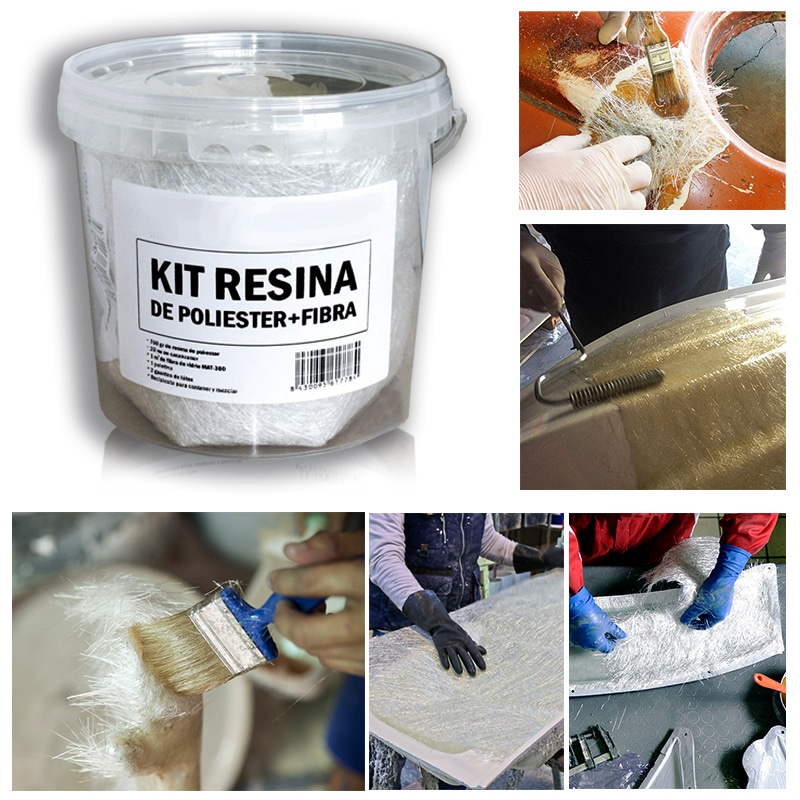
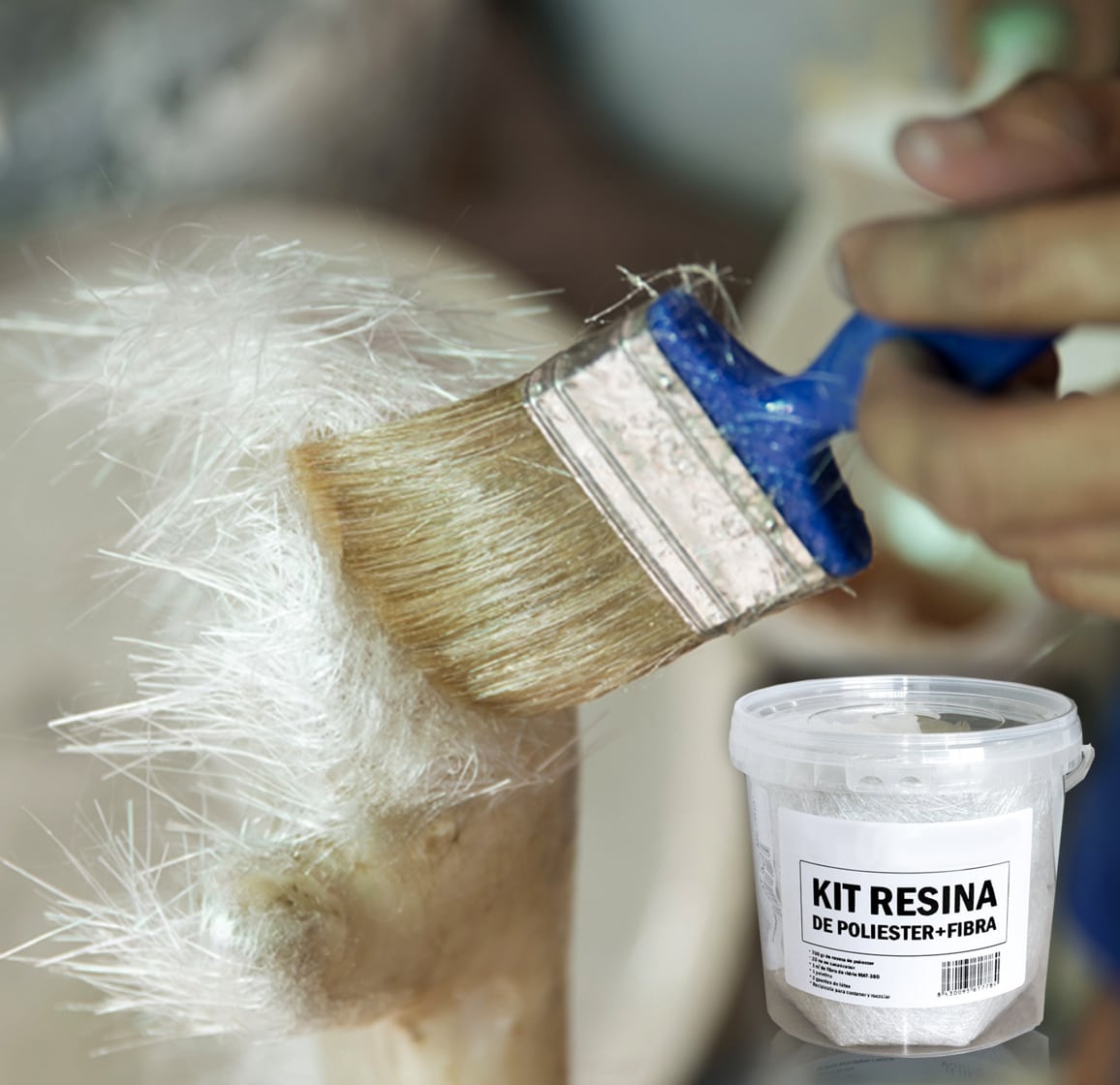
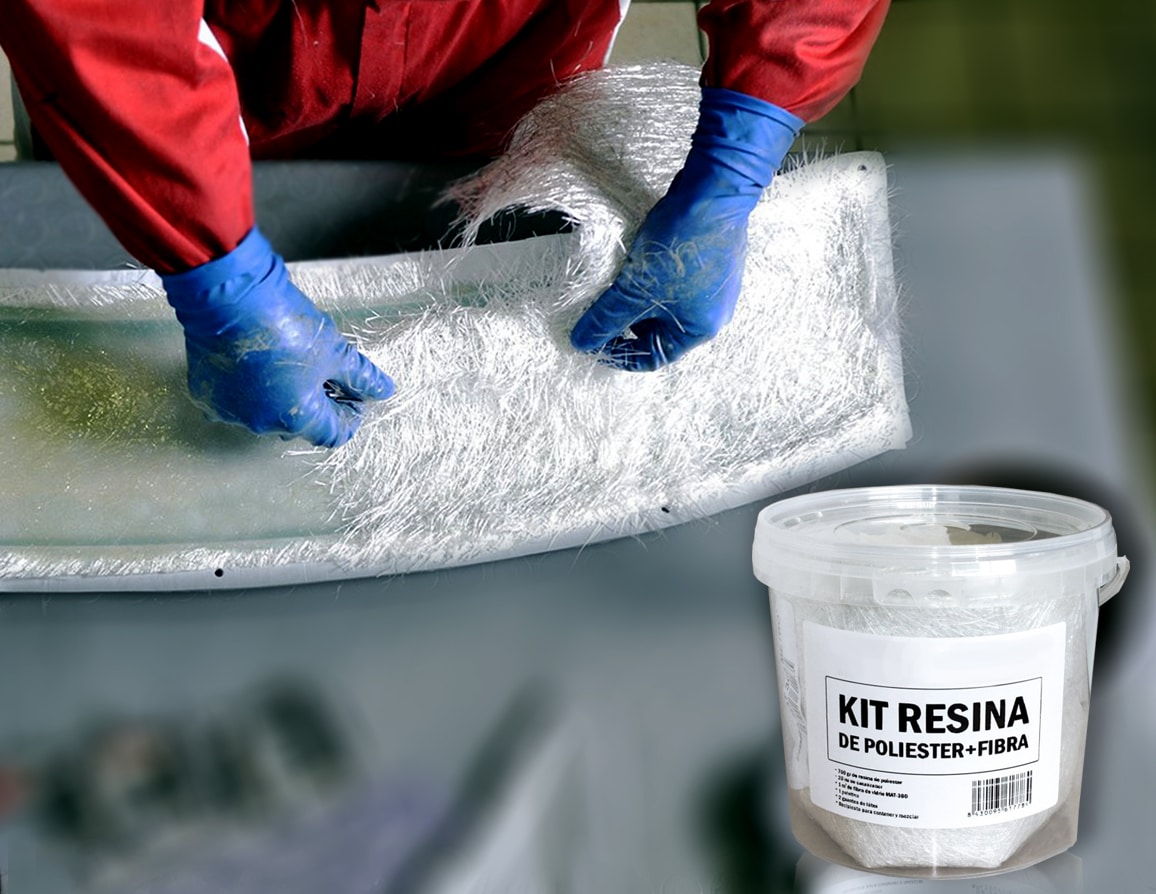
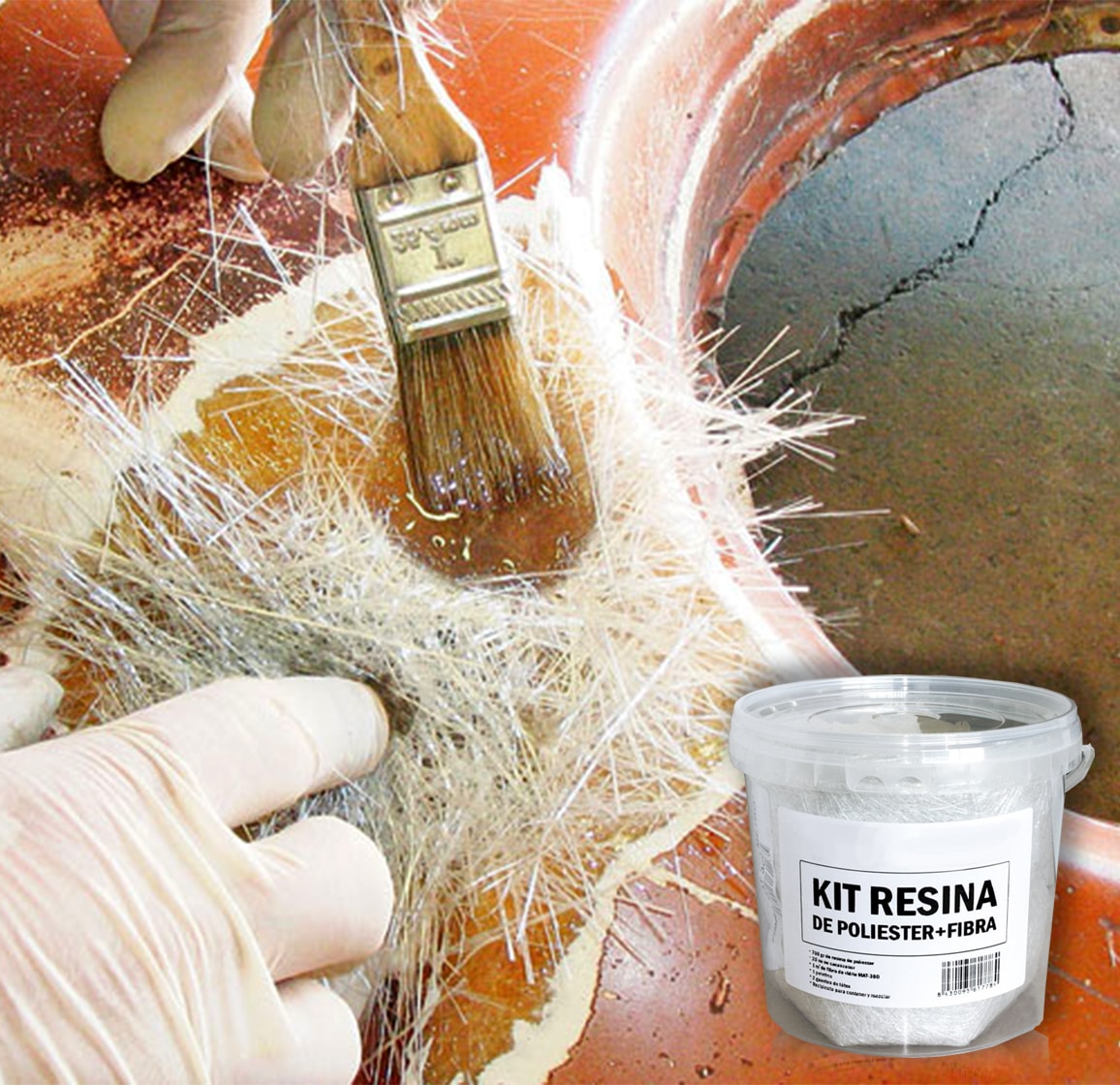
The quickest way to shortlist a roof repair product is to confirm what you are actually coating. Rigid composite areas such as fibreglass panels and similar structural sections are best served by a Resin Fibreglass Repair Kit, which includes resin, hardener, a fibreglass mat, gloves, brush, mixing container and instructions. Polyurethane coatings suit larger or exposed surfaces, while epoxy is the more natural fit for timber and methacrylic resin for concrete.
- Fibreglass/composite: polyester resin and fibreglass mat kits
- Large or exposed areas: two-component polyurethane coatings
- Wood: low-viscosity epoxy wood restorer
- Concrete: one-component methacrylic sealer
If you are unsure, inspect the damaged area and remove any loose material first. A porous concrete roof edge, a cracked timber fascia, and a split fibreglass panel each need a different chemistry, so matching the product to the substrate prevents weak adhesion later.
How waterproofing and exposure affect your choice
Roof leaks often mean the repair will sit in standing moisture or direct weather. Fibreglass kits create a waterproof bond for outdoor exposure, while polyurethane coatings such as Prolux are formulated to resist UV, yellowing and abrasion on surfaces that see all-weather use. This matters on roof areas, parapets, or adjacent walkways where water pools or traffic passes.
For damp or high-traffic areas, two-component polyurethane is a practical option because it can be built up over prepared concrete, fibreglass, ceramic, plastic or steel. Always check whether the product is intended for permanent water contact or simply occasional moisture, and follow the stated mixing ratio and priming steps.
Surface preparation and coverage before you buy
Most adhesion problems come from skipping preparation. For epoxy wood repair, the timber should be dry and sanded. For polyurethane, concrete and steel need sanding, degreasing and priming where specified. Fibreglass kits work best when the damaged area is clean, dry and roughened enough for the resin to grip. Methacrylic sealers are applied to absorbent concrete, usually by brush or airless spray, and can be ready in under 12 hours depending on conditions.
Measure the area before ordering so you can estimate coverage. Check whether the product is a one-coat system or needs multiple layers, and whether it includes everything you need. Some kits come complete; some coatings require separate primer or topcoat.
Related products
Related guides
Choosing the right roof leak resin is the first step in a wider roof leak insulation solution. Once the surface is correctly matched, the repair will hold better and make any added insulation more effective. See the main roof leak insulation solutions guide for more on fitting these products into a fuller repair plan.