 Free shipping on orders over £29,85
 Shipping Tracking!



 Google
 Facebook
How to clean and polish epoxy resin objects
Achieve a crystal clear shine on your resin creations


Cleaning and polishing epoxy resin objects is essential for maintaining their brilliant clarity and smoothness. Whether you are preserving artwork, jewellery, or practical resin pieces, following the right methods ensures your creations stay vibrant and scratch-free for years to come.

What You’ll Need
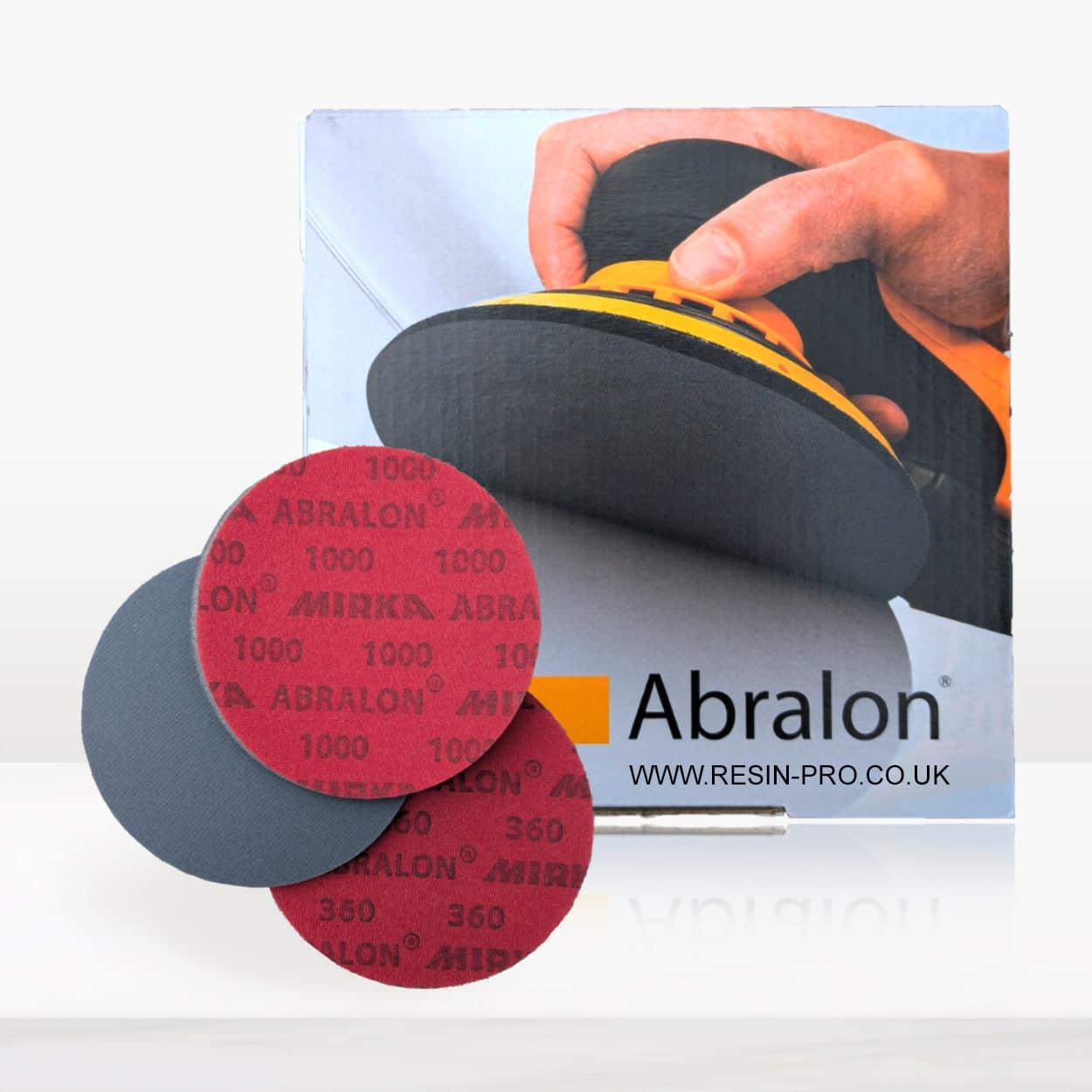
- “Ebonite Abralon” – Sanding Pads 360-4000 Grit for Resin and Wood – for smoothing surface imperfections
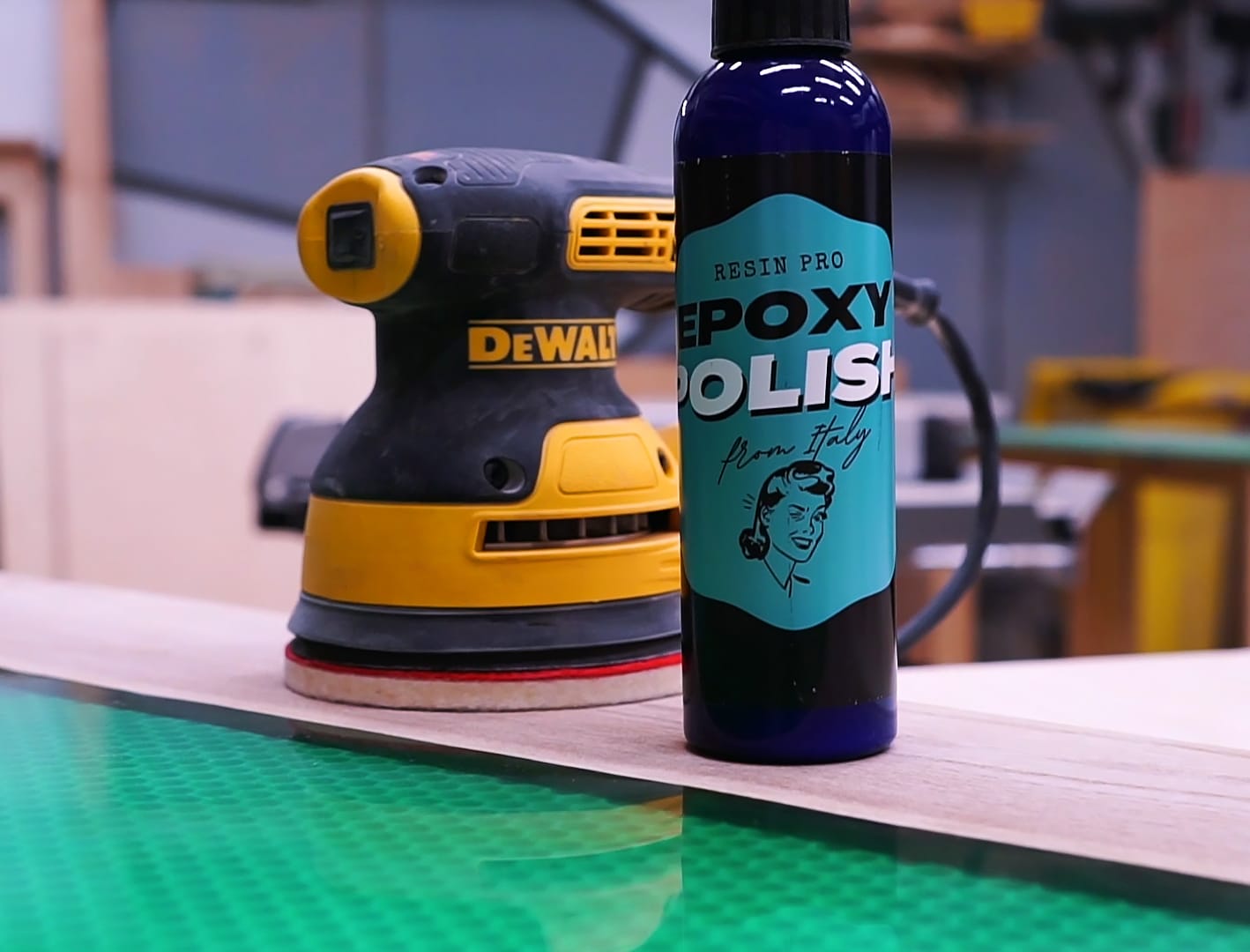
- “Epoxy Polish” – Epoxy Resin Polishing System – to achieve a high-gloss, scratch-free finish on clear resin
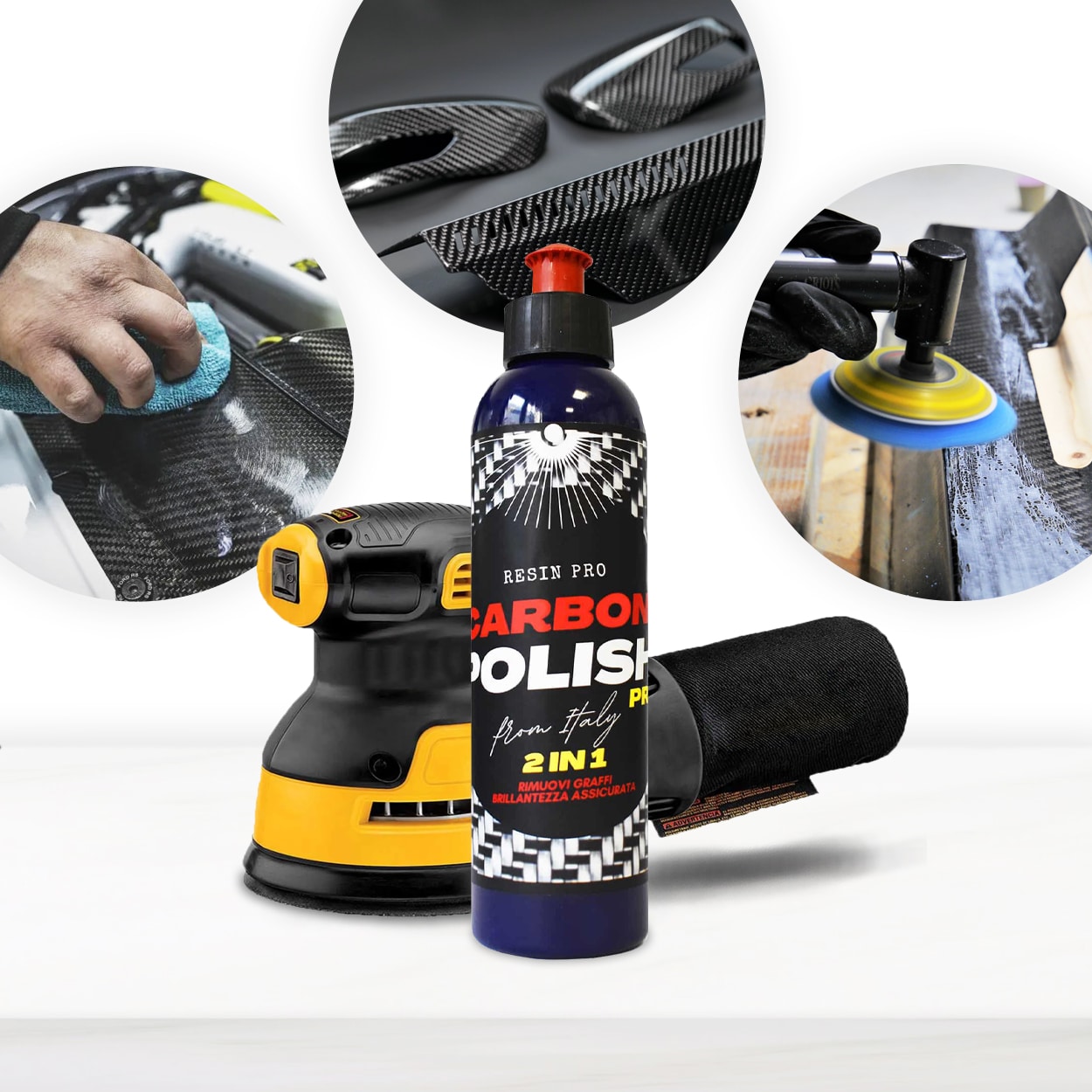
- “Carbon Polish” – Polishing System for Dark and Black Surfaces, 250ml – for dark, black, or coloured resin objects
- 1200W Polisher for Sanding and Buffing – Variable Speed, D-Handle – to speed up the polishing process and improve consistency (optional for large pieces)
- Microfibre cloths
- Mild soap and water
- Bowl of clean water (for wet sanding)
- Protective gloves (if sensitive to polishing agents)

Essential tools for resin cleaning and polishing
Gathering the right materials is the first step to success. Specialist sanding pads, dedicated polishing systems, and quality microfibre cloths will make the cleaning and polishing process smoother, safer, and more effective.
Step 1: Clean the Resin Surface
Begin by removing surface dust and any greasy residues. Use a soft microfibre cloth with mild soap and lukewarm water to gently wipe your epoxy resin object. This prevents dirt from becoming embedded during sanding and ensures a clear starting point.
Rinse the piece with clean water, then dry thoroughly using a lint-free cloth. Avoid scrubbing with abrasive sponges or harsh chemicals, as these can scratch or cloud the resin.
Step 2: Sand Out Imperfections
If your resin object shows minor scratches, surface unevenness, or a slightly dull appearance, carefully sand these areas with fine-grit sanding pads. Gradually work through the grits, starting around 1000 and progressing to 4000 for the best finish. Always sand lightly and in even motions to preserve the contours of the piece.
For this step, “Ebonite Abralon” – Sanding Pads 360-4000 Grit for Resin and Wood provide exceptional control and are suitable for wet or dry use. Wet sanding with water can help minimise dust and reduce heat—simply dip your sanding pad in water and keep the surface moistened as you work.
Once sanding is complete, rinse away any residue and dry your object. Take care to check under good light to ensure all scratches have been eliminated before moving on.
Step 3: Polish to a High-Gloss Finish
To restore maximum gloss, apply a suitable polishing system using either a microfibre cloth or a buffing tool for larger pieces. Place a small amount of polish onto the surface, spreading it gently to avoid excess build-up.
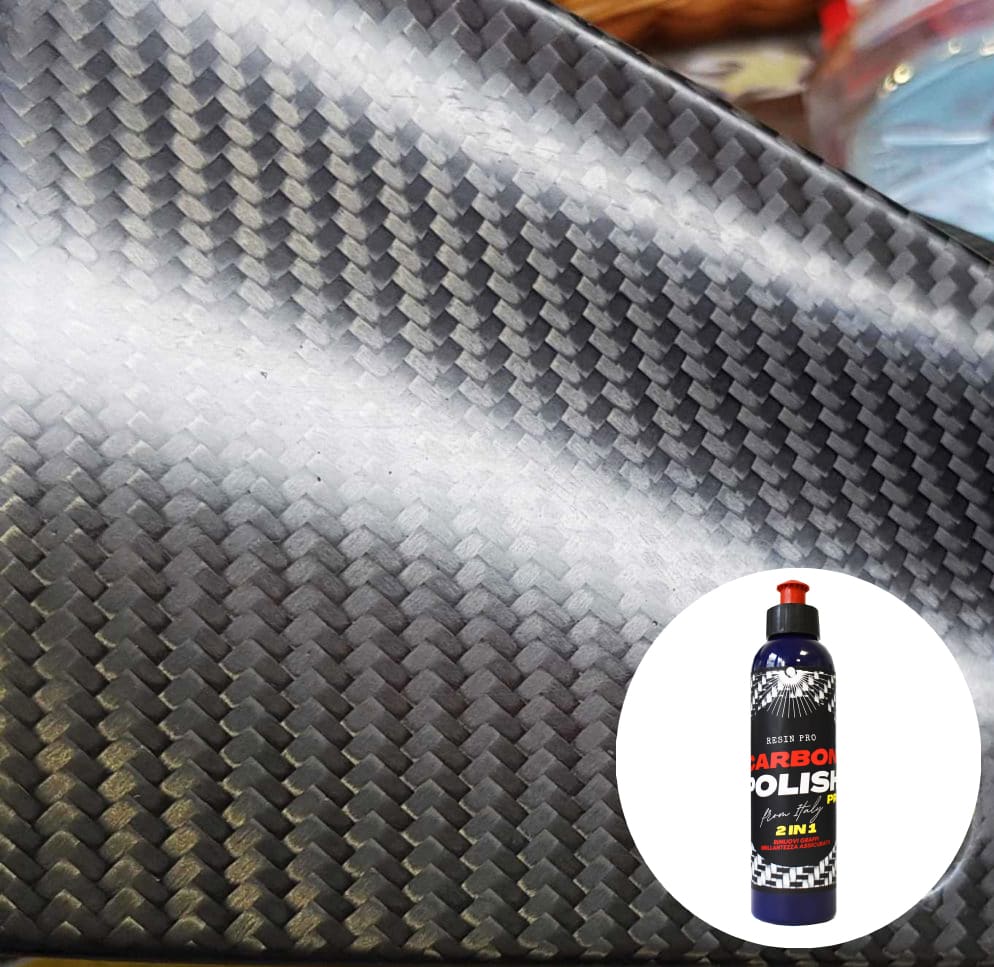
For standard clear resin projects, “Epoxy Polish” – Epoxy Resin Polishing System is designed to bring out a brilliant, mirror-like shine. If you’re working with dark or black resin, use “Carbon Polish” – Polishing System for Dark and Black Surfaces, 250ml to avoid any white residue and ensure even results.
Buff by hand or use the 1200W Polisher for Sanding and Buffing – Variable Speed, D-Handle on low to medium speed to accelerate polishing and achieve a uniform gloss on larger objects. Check your progress regularly and reapply a small amount of polish as needed.

Step 4: Final Cleaning and Maintenance
After polishing, remove any remaining residue with a clean, dry microfibre cloth. Gently buff the object to enhance clarity and brilliance. Store your resin items away from direct sunlight and dust when not in use, and handle them by their sides to minimise fingerprint marks.
With regular care, your epoxy resin objects will keep their dazzling finish and resist dulling over time.
Tips and Common Mistakes to Avoid
- Polish in stages for a flawless shine: Gradually move through sanding and polishing steps — skipping grits or rushing can leave visible marks.
- Avoid abrasive cleaners and rough cloths: Only use microfibre cloths and specialist products suited for resin to prevent accidental scratching.
- Always work with clean tools and water: Contaminants trapped in pads or cloths can mar your finished surface. Clean all accessories between each stage.
Take your time. Haste often leads to missed imperfections or swirl marks that are hard to remove in later stages. Patience is key for the highest quality finish.
Expert advice for a crystal clear finish
Patience, gentle technique, and product selection are crucial for achieving professional results. A smooth workflow boosts gloss and helps you avoid common polishing pitfalls, leaving your resin objects looking their best.

- "Epoxy Polish" – Epoxy Resin Polishing SystemPrice range: £18.95 through £47.45"Epoxy Polish" provides a polishing system designed to restore a glossy finish to epoxy resin and similar materials.
- "Carbon Polish" – Polishing System for Dark and Black Surfaces, 250mlPrice range: £18.95 through £47.45Carbon Polish is designed for polishing dark and black epoxy resin surfaces, providing a scratch-free finish without white residue.
- "Ebonite Abralon" – Sanding Pads 360-4000 Grit for Resin and Wood£4.15Ebonite Abralon Sanding Pads are designed for precise sanding of epoxy resin and wood surfaces in polishing and finishing tasks.
 1200W Polisher for Sanding and Buffing – Variable Speed, D-Handle£90.45The 1200W Polisher is a versatile tool suitable for sanding and polishing epoxy resin surfaces, offering variable speed and improved grip.
Frequently Asked Questions
What tools should I use to clean and polish epoxy resin?
Soft microfibre cloths, dedicated sanding pads, and specialised resin polishing compounds provide the best results without scratching the surface.
Is it safe to use normal household cleaners on epoxy resin?
Avoid harsh or abrasive household cleaners, as they may damage or cloud epoxy resin. Mild soap and water are recommended.
How can I remove small scratches from epoxy resin?
Fine-grit sanding pads and appropriate polishing compounds can reduce or eliminate most minor scratches on epoxy resin surfaces.
When should I use Epoxy Polish versus Carbon Polish?
Epoxy Polish is best for clear resin, while Carbon Polish prevents white marks on dark or black resin objects.
Is it necessary to use an electric polisher on resin?
Hand polishing is effective for small items; larger surfaces benefit from the consistency and speed of a powered polisher.
How should I care for polished resin jewellery?
Keep resin jewellery stored away from direct light and dust, and clean gently with a microfibre cloth to maintain shine.