 Free shipping on orders over £29,85
 Shipping Tracking!



 Google
 Facebook
How to clean and polish resin objects
Reveal a flawless finish with expert resin cleaning methods


Maintaining the clarity and gloss of resin objects is essential for showcasing their true beauty, whether you’ve crafted jewellery, coasters, tables, or decorative pieces. This guide provides a straightforward method to safely clean and polish resin surfaces, helping you remove imperfections and restore their original glass-like brilliance.

What You’ll Need
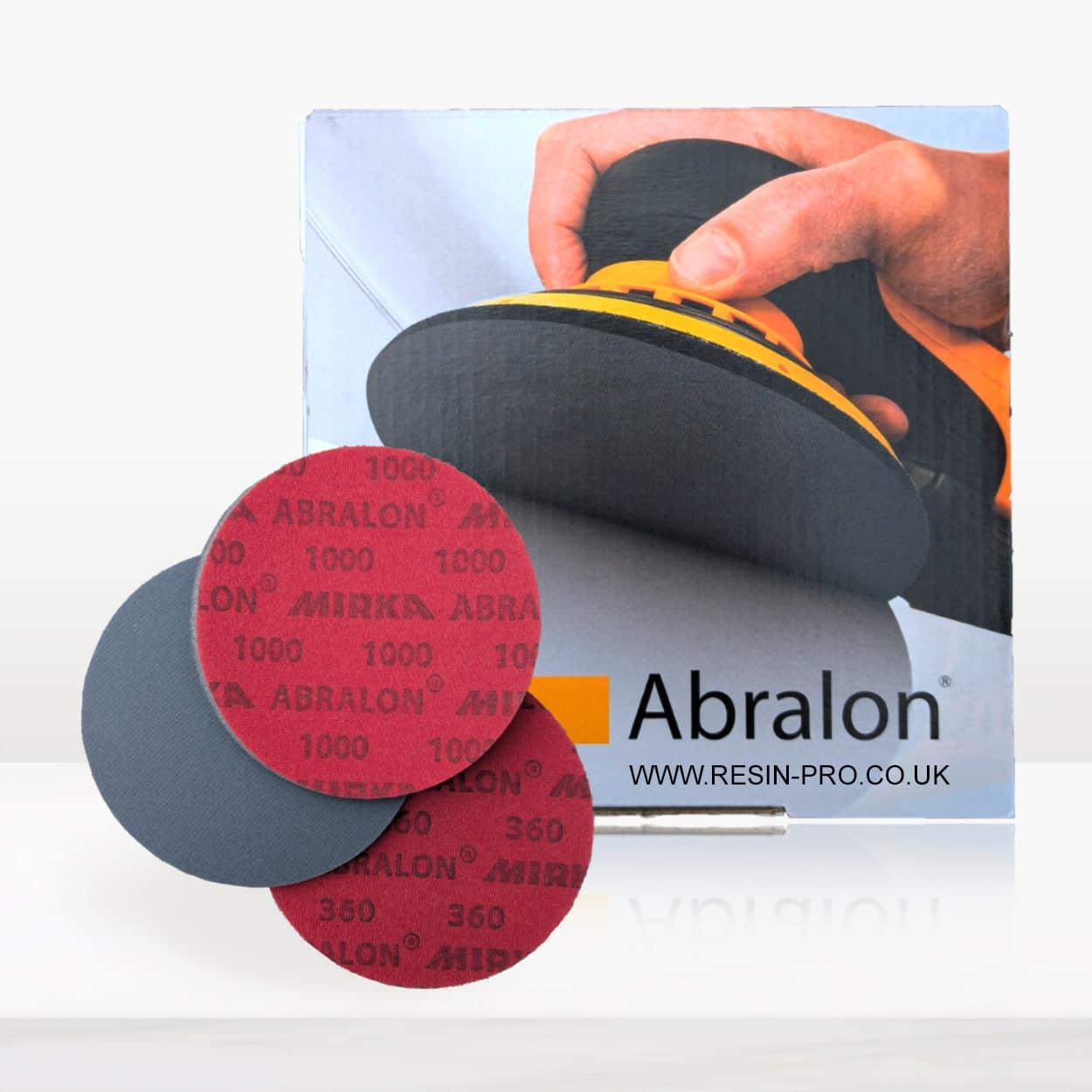
- “Ebonite Abralon” – Sanding Pads 360-4000 Grit for Resin and Wood – for controlled, even sanding
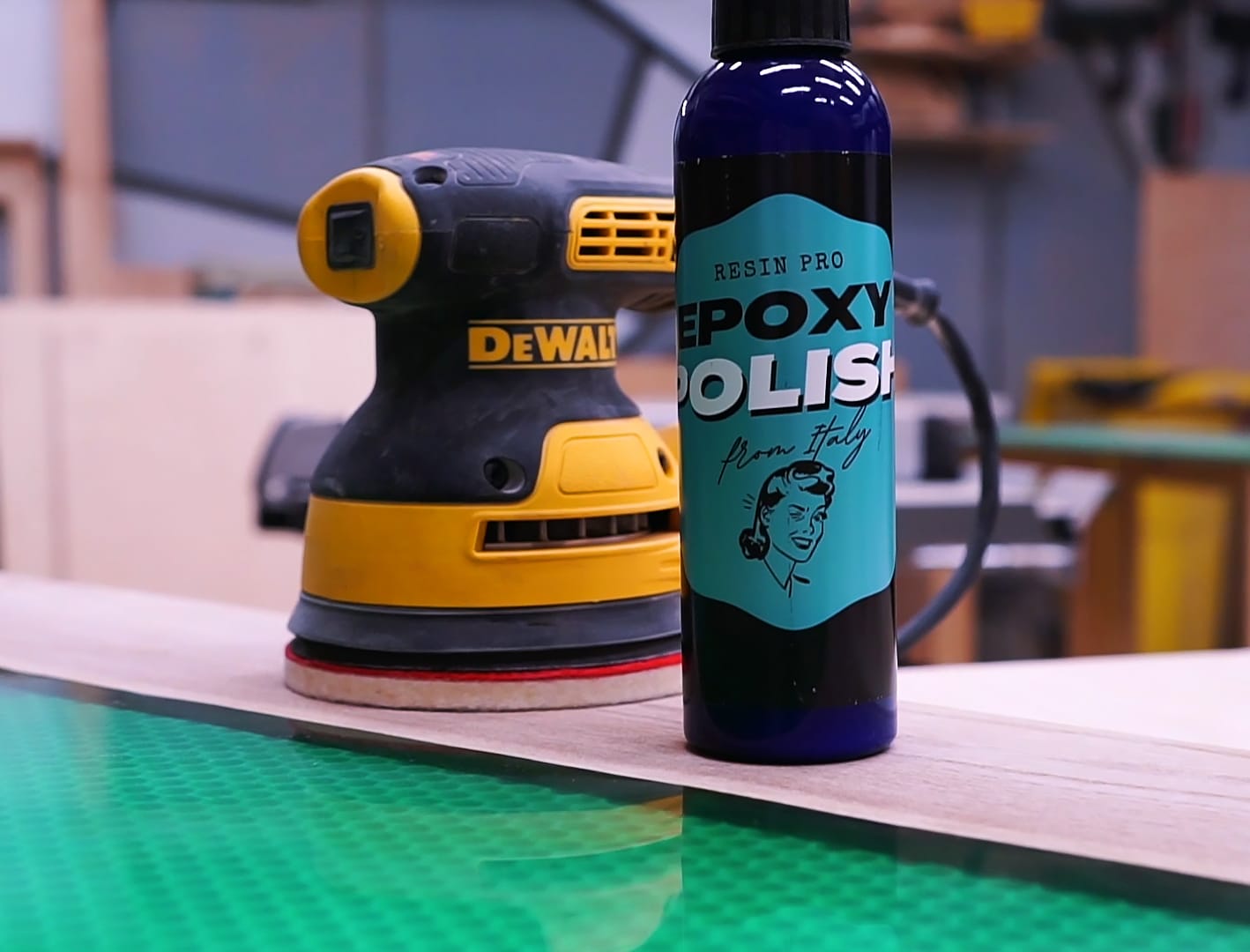
- “Epoxy Polish” – Epoxy Resin Polishing System – for high-gloss finish and scratch removal on most resin
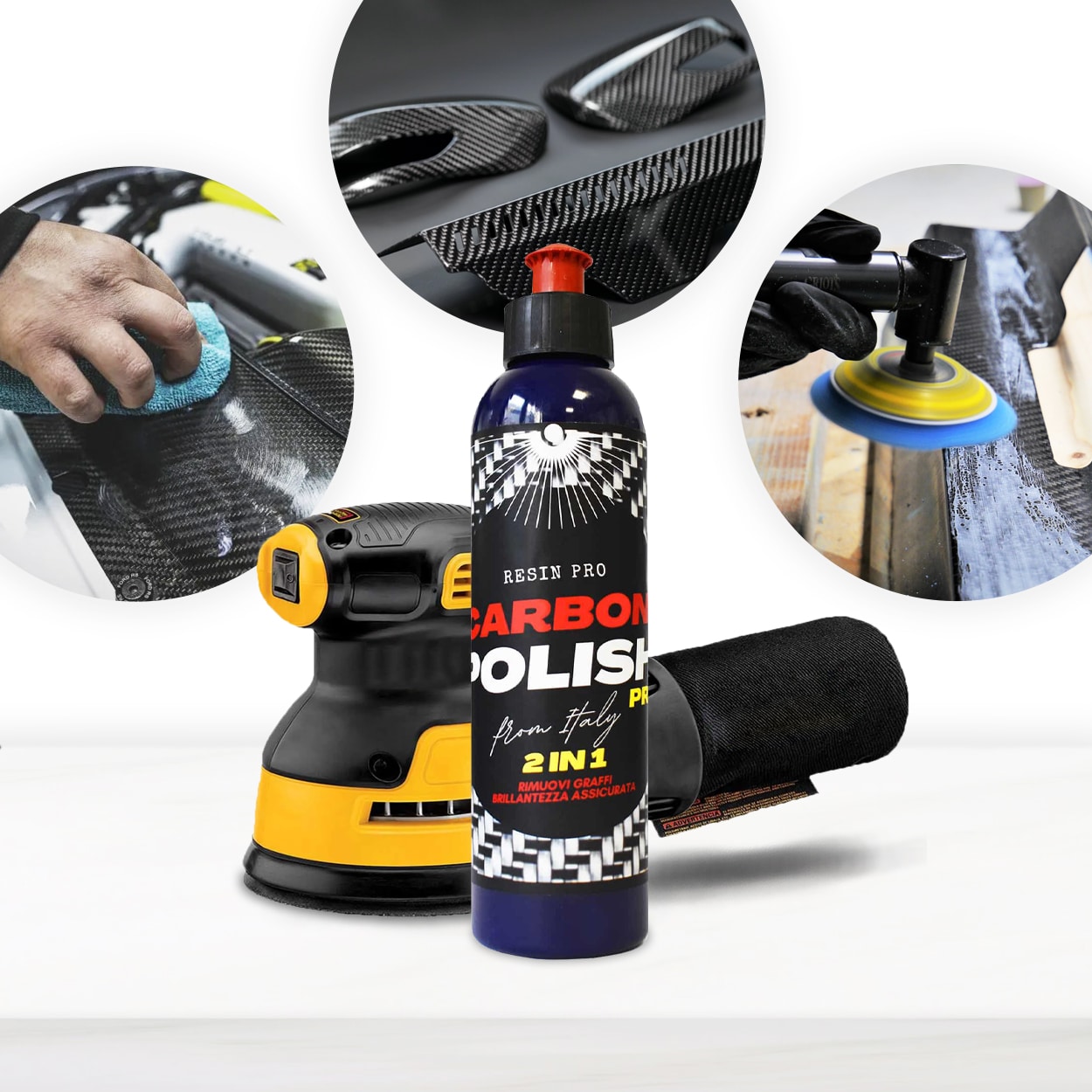
- “Carbon Polish” – Polishing System for Dark and Black Surfaces, 250ml – recommended for dark-coloured or black resin
- 1200W Polisher for Sanding and Buffing – Variable Speed, D-Handle (optional, for larger surfaces)
- Soft microfibre cloths or polishing pads
- Basin of clean water (for wet sanding)
- Protective gloves and mask (recommended if sanding by machine)

Essential Materials and Tools for Resin Polishing
Choosing the right materials is critical for achieving that flawless, mirror-like finish on resin objects. Select sanding pads such as Ebonite Abralon for even abrasion, polishes specially made for resin surfaces, and use a variable speed polisher for consistency on larger projects.
Step 1: Clean the Surface Thoroughly
Begin by removing any loose dust or debris from your resin object using a soft, dry microfibre cloth. If the surface has sticky fingerprints or oily residues, dampen the cloth slightly (avoid flooding the resin) and gently wipe. Give extra care to edges and crevices to prevent dirt scratching the resin during the next stages. Allow the surface to dry completely before proceeding.
Step 2: Sand to Remove Blemishes and Scratches
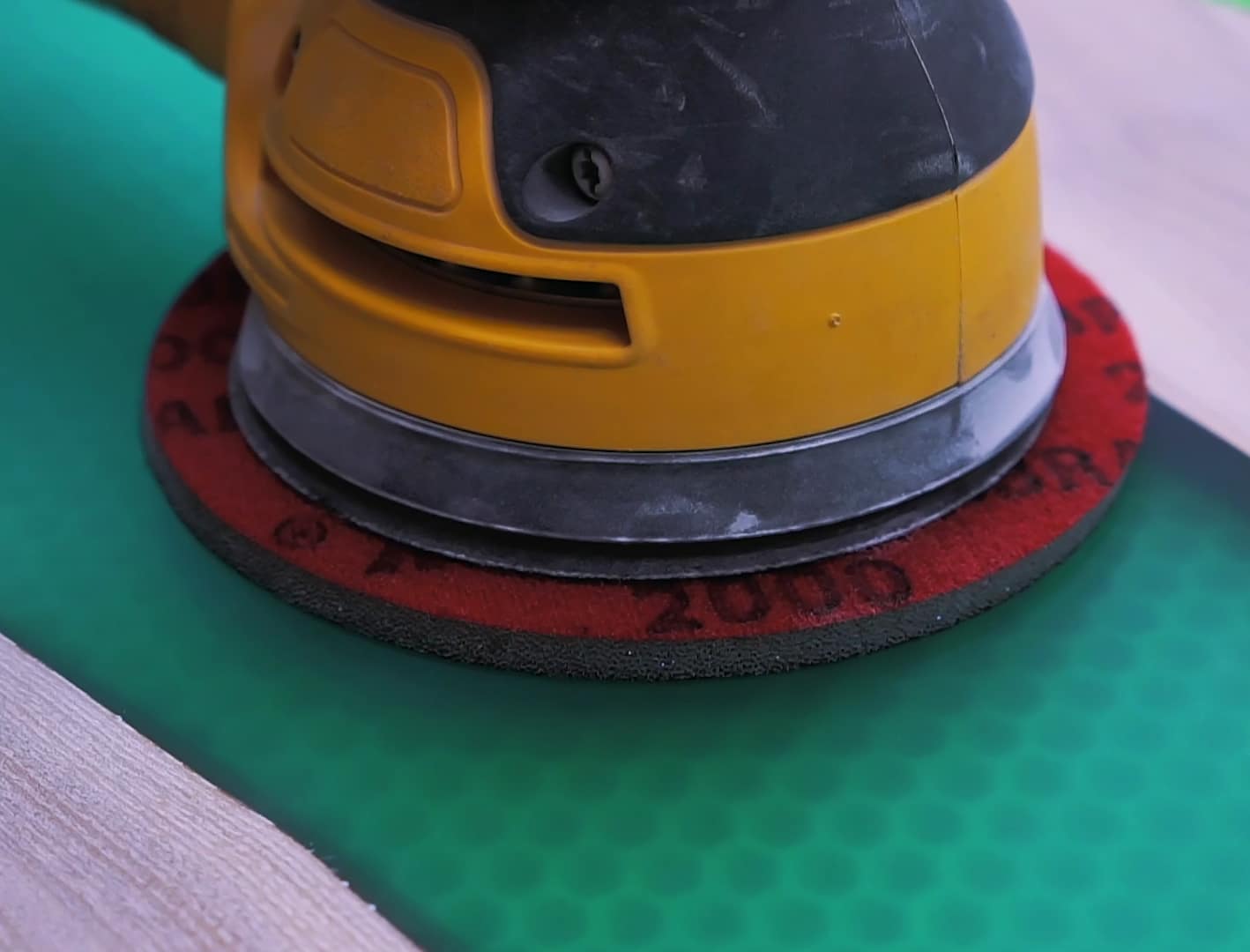
If your piece has visible scratches, sanding is essential to create a smooth base for polishing. Always start with the lowest grit necessary to remove imperfections, such as 360 or 500 grit, and work up through finer grits (up to 2000 or even 4000 for best results). Wet sanding is recommended to keep heat and dust to a minimum – simply dampen the surface and your sanding pad in clean water.
For optimal control and consistent results, use “Ebonite Abralon” – Sanding Pads 360-4000 Grit for Resin and Wood, which are engineered for resin and offer a gentle foam backing. Sand evenly, using circular motions, and wipe the surface clean between grits to check your progress. Ensure all scratches from the previous grit are eliminated before moving finer.
Step 3: Polish the Resin to a Glossy Finish
After sanding through the finest grit, it’s time for polishing. Dispense a small amount of polish onto a fresh microfibre pad or polishing cloth. For general or transparent resin, use a specialist product such as “Epoxy Polish” – Epoxy Resin Polishing System, which removes micro-scratches and brings out a stunning, professional gloss.
Gently buff the polish in circular motions over the surface, either by hand (for smaller items) or with a variable speed polisher – a 1200W Polisher for Sanding and Buffing – Variable Speed, D-Handle can make larger projects much easier. Work slowly to avoid overheating the resin or spreading the polish too thinly. Wipe off any residue with a clean, dry cloth.

Step 4: Special Care for Dark or Black Resin Objects
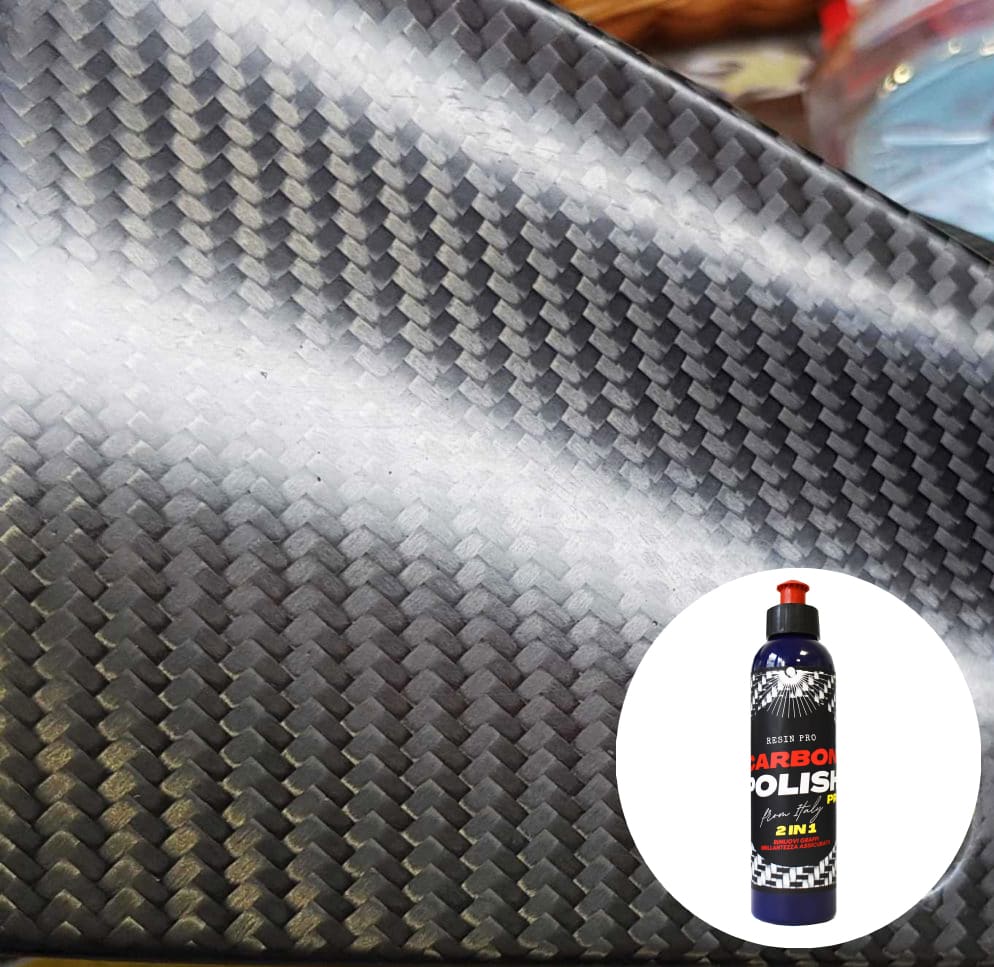
Deep-coloured or black resin requires additional care as generic polishes may leave white marks or cloudiness. For these projects, choose a dedicated product such as “Carbon Polish” – Polishing System for Dark and Black Surfaces, 250ml, which is specially formulated to prevent light-coloured residues. Apply and buff as above, ensuring you polish evenly for a perfect, mirror-like shine with no swirl marks.
Finishing Touches and Ongoing Maintenance
After polishing, let the resin object rest for a short period before handling. Give a final wipe with a clean microfibre cloth to remove any remaining polish traces. To maintain shine, regularly dust with a soft cloth and avoid exposure to harsh chemicals or abrasives.
Pro Tips & Common Mistakes
- Always sand with progressively finer grit pads for the smoothest result – skipping grits will leave visible scratches.
- Work gently on dark or black resin using suitable polishes to avoid white residues – never use universal compounds on dark surfaces.
- Avoid excessive pressure or high speeds when polishing – this can cause heat build-up or surface distortion.
- Use a dedicated microfibre cloth for final buffing – reused or dirty cloths may reintroduce scratches.
Maintaining Shine and Preventing Surface Damage
Regular gentle cleaning and the right maintenance routine preserve the lustre of your resin creations. Always store resin objects away from direct sunlight and aggressive cleaners to minimise cloudiness and scratching over time.

- "Epoxy Polish" – Epoxy Resin Polishing SystemPrice range: £18.95 through £47.45"Epoxy Polish" is designed for restoring a glossy finish and removing scratches from resin objects.
- "Carbon Polish" – Polishing System for Dark and Black Surfaces, 250mlPrice range: £18.95 through £47.45Carbon Polish Black is designed for polishing dark and black surfaces, suitable for epoxy resin projects and aligned with cleaning and polishing…
- "Ebonite Abralon" – Sanding Pads 360-4000 Grit for Resin and Wood£4.15Sanding pads designed for detailed finishing on resin and wood, suitable for wet or dry use with foam backing for consistent pressure.
 1200W Polisher for Sanding and Buffing – Variable Speed, D-Handle£90.45The 1200W Polisher provides variable speed control and a sturdy D-handle for sanding and polishing resin projects.
Frequently Asked Questions
What is the best sanding grit to use before polishing resin?
Start with 360 or 500 grit for scratches and progress to 2000 or 4000 grit for the final sanding to ensure optimal polishing results.
How should I polish dark or black resin objects?
Use a polish specifically designed for dark resin surfaces, such as those with non-whitening formulas, to avoid clouding or white marks.
Is machine polishing better than hand polishing for resin?
Machine polishing gives consistent results on large surfaces, while hand polishing is sufficient and safer for smaller items or intricate shapes.
How do I remove fine scratches from clear resin?
Sand with very fine grit pads then buff with a dedicated resin polish to restore gloss and clarity.
How can I avoid overheating the resin during polishing?
Work slowly and gently, avoid excessive pressure, and take breaks to allow the surface to cool between passes.
How should I maintain polished resin objects?
Dust regularly with a soft cloth and clean with mild soap if needed. Avoid abrasives and store away from sunlight.