 Free shipping on orders over £29.85
 Shipping Tracking!



 Google
 Facebook
How to clean brushes used with epoxy resin
Step-by-step methods to restore and reuse your resin brushes
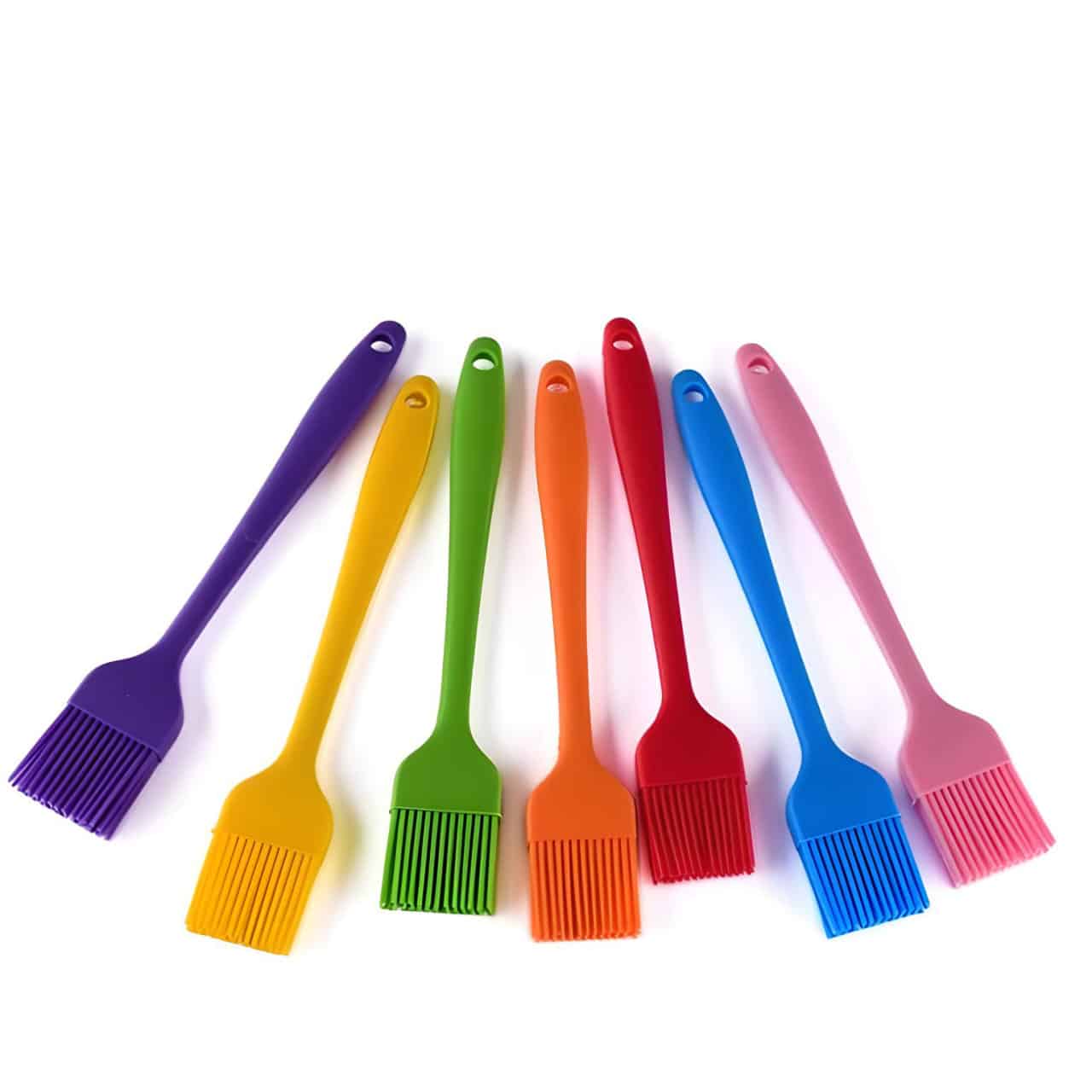
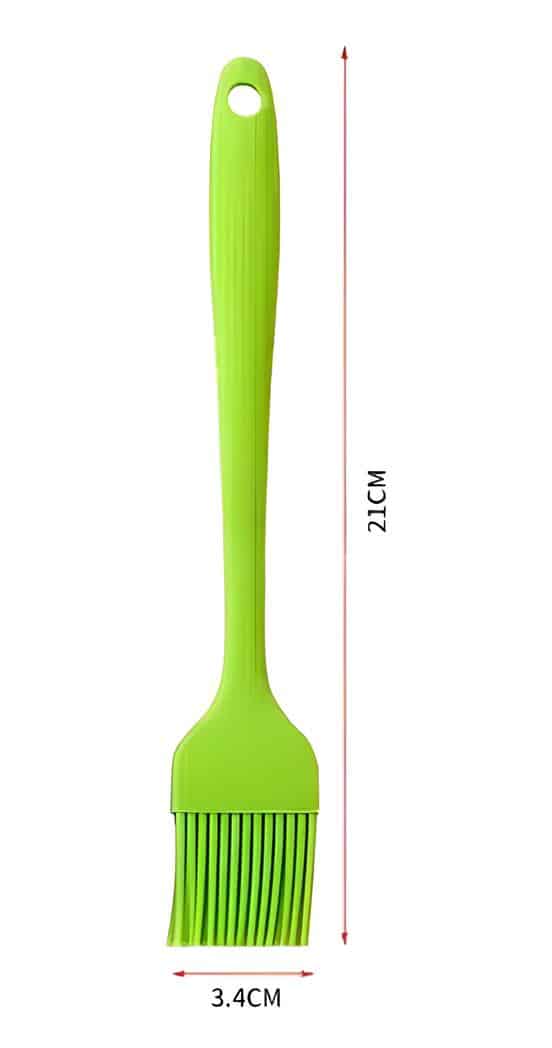
Cleaning brushes after working with epoxy resin is crucial for achieving smooth, professional finishes and extending the life of your tools. Whether you are an artist, DIY enthusiast, or working on a craft project, proper cleaning prevents resin build-up and ensures your brushes are always ready for your next creation. This guide covers clear, practical methods to remove resin, minimise waste, and keep your workspace tidy.

What You’ll Need
- Reusable Silicone Resin Brush for Epoxy Art and Wood Applications
- 5-Piece Disposable Paint Brush Set for Art, Crafting & DIY Projects
- Pure Isopropyl Alcohol 99.9% – 1000ml Bottle for Epoxy Resin Projects & DIY
- Strong Technical Degreaser for Resin Projects – 100% Natural Formula
- Protective gloves
- Paper towels or lint-free cloths
- Warm, soapy water
Visual Guide: Essential Resin Cleaning Tools and Materials
Get acquainted with the cleaning materials that simplify brush maintenance: from protective gloves ensuring your hands stay safe, to specialised cleaning agents and multi-use or disposable brushes tailored for effective resin removal. See our Accessories for Resin for more options.
Step 1: Wipe Away Excess Resin Immediately
Wipe Away Excess Resin Immediately before it begins to cure. As soon as you finish applying epoxy resin, use a paper towel or lint-free cloth to remove as much resin as possible from the brush. Do this gently but thoroughly to avoid pushing resin deeper into the bristles. Acting quickly at this stage significantly simplifies later cleaning.
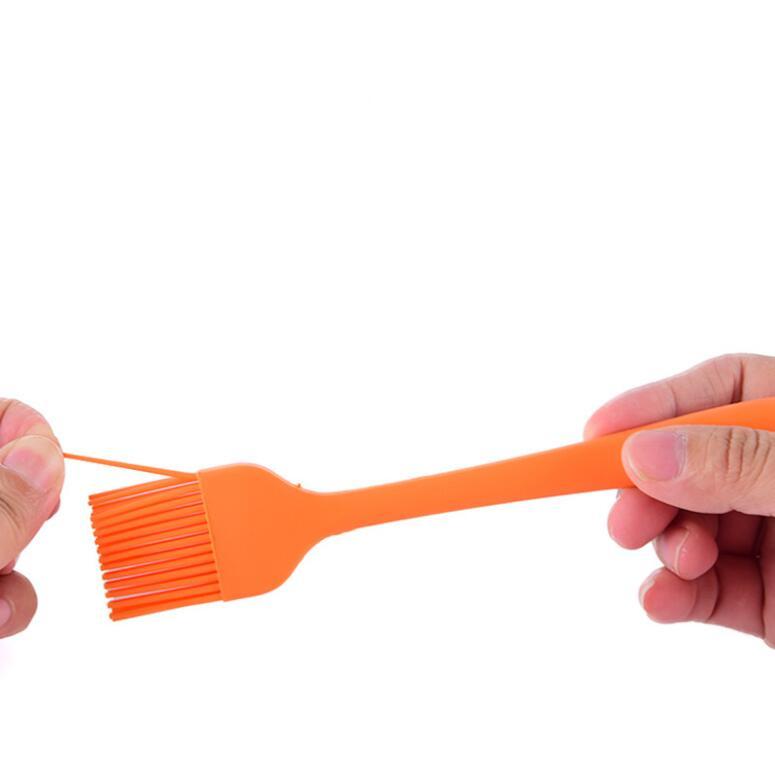
For silicone brushes, excess resin will usually peel off after it sets, making this step especially effective. Disposable brushes can be wiped and then discarded if further cleaning is not desired.


Step 2: Rinse and Wash with Suitable Chemicals
Rinse and Wash with Suitable Chemicals to dissolve and remove resin residue. For most brushes, especially those with natural or synthetic bristles, rinse them in a container of Pure Isopropyl Alcohol 99.9%. Swirl the brush thoroughly and work the alcohol through the bristles to break up sticky material. You may need to repeat this with fresh alcohol until the brush runs clear.
If you prefer a natural cleaning option or want to avoid stronger solvents, a small amount of Strong Technical Degreaser for Resin Projects – 100% Natural Formula can also be highly effective. Work it into the bristles, leave it for a minute, then rinse with warm water. For silicone brushes, warm soapy water can be enough to remove residue if cleaned promptly.
Step 3: Drying and Storing Your Brushes
Drying and Storing Your Brushes correctly helps maintain their longevity. Once the brush is free of resin and thoroughly rinsed, gently shake out excess moisture and reshape the bristles. Lay flat on a clean towel or hang them to air dry in a dust-free area. For silicone brushes, simply allow to air dry after washing.
Ensure brushes are completely dry before storing them, especially in sealed containers or drawers. Proper drying prevents issues such as mould or bristle deformation.


Tips, Common Mistakes, and Troubleshooting
- Always clean brushes before resin begins to cure. Cured resin is very difficult to remove and may damage brush fibres or render them unusable.
- Choose your cleaning solution based on brush type and personal preferences: strong solvents for a deep clean, or natural degreasers for gentle, eco-friendly maintenance.
- Use isopropyl alcohol in a well-ventilated space and wear protective gloves to avoid skin irritation.
- Avoid abrasive scrubbers that can damage bristles, especially on fine or delicate brushes.
- Consider using disposable brushes for quick jobs where cleaning isn’t practical.
- Peeling off cured resin from silicone brushes can be a clever strategy if resin sets before you clean them.
Quick Reference: Preventing Residue Build-up and Extending Brush Life
Consistent cleaning routines and the right products dramatically increase your brush lifespan and ensure each new project starts with smooth, residue-free tools. For best results, act promptly and store brushes properly after each use.

- Reusable Silicone Resin Brush for Epoxy Art and Wood Applications£3.62Reusable Silicone Resin Brush designed for precise application and easy cleaning in epoxy resin projects.
- 5-Piece Disposable Paint Brush Set for Art, Crafting & DIY Projects£6.45A set of five brushes designed for detailed epoxy resin and craft projects, suitable for both casual and professional use.
- Pure Isopropyl Alcohol 99.9% – 1000ml Bottle for Epoxy Resin Projects & DIYPrice range: £10.45 through £20.95Pure Isopropyl Alcohol 99.9% in 1000ml is suitable for epoxy resin projects including bubble removal and cleaning purposes.
- Strong Technical Degreaser for Resin Projects – 100% Natural FormulaOriginal price was: £10.95.£9.45Current price is: £9.45.Strong Technical Degreaser is a natural formula safe for cleaning epoxy resin projects and various surfaces.
Frequently Asked Questions
What is the best way to clean epoxy resin brushes without damage?
Clean brushes immediately after use with isopropyl alcohol or a natural degreaser, and avoid harsh scrubbing.
Which products safely remove resin from brushes?
Isopropyl alcohol and strong degreasers break down resin safely; warm soapy water works for silicone brushes.
How can I prevent brushes from going hard after resin work?
Clean brushes before the resin cures and store them dry to maintain flexibility.
Can I use disposable brushes for epoxy resin projects?
Yes, disposable brushes are convenient for resin work and avoid post-use cleaning.
Is isopropyl alcohol better than natural brush cleaner?
Isopropyl alcohol removes resin quickly; natural degreasers are gentler and non-toxic but may require more effort.
How do I remove cured resin from a silicone brush?
Gently peel cured resin off silicone brushes; most residue comes off without damaging the tool.
Which brush types are best for epoxy resin application?
Silicone and disposable brushes are best, as they're easy to clean or replace after curing.