 Free shipping on orders over £29.85
 Shipping Tracking!



 Google
 Facebook
How to clean epoxy resin from tools
Keep your resin tools residue-free for lasting performance


Cleaning epoxy resin from your tools helps maintain their effectiveness and extends their usable life, whether you are a frequent resin artist or an occasional DIY enthusiast. Taking the right approach after each project ensures you can reuse mixing containers, scrapers, and brushes, saving you time and money in the long run. In this guide, you’ll learn the safest, most efficient ways to remove uncured and cured epoxy residue from all types of tools.
What You’ll Need
- Strong Technical Degreaser for Resin Projects – 100% Natural Formula: A natural, solvent-free cleaner ideal for fresh resin residue on various surfaces.
- Pure Isopropyl Alcohol 99.9% – 1000ml Bottle for Epoxy Resin Projects & DIY: Suitable for dissolving resin and cleaning tools after use.
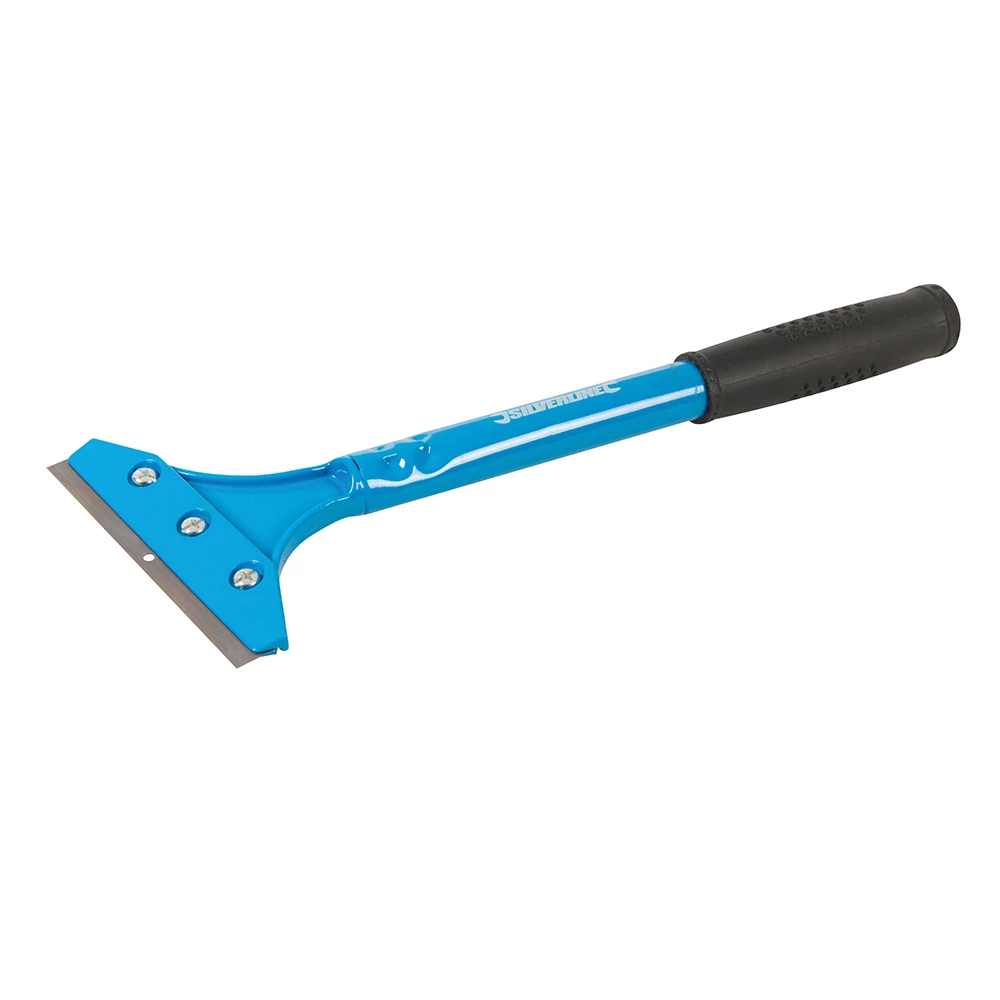
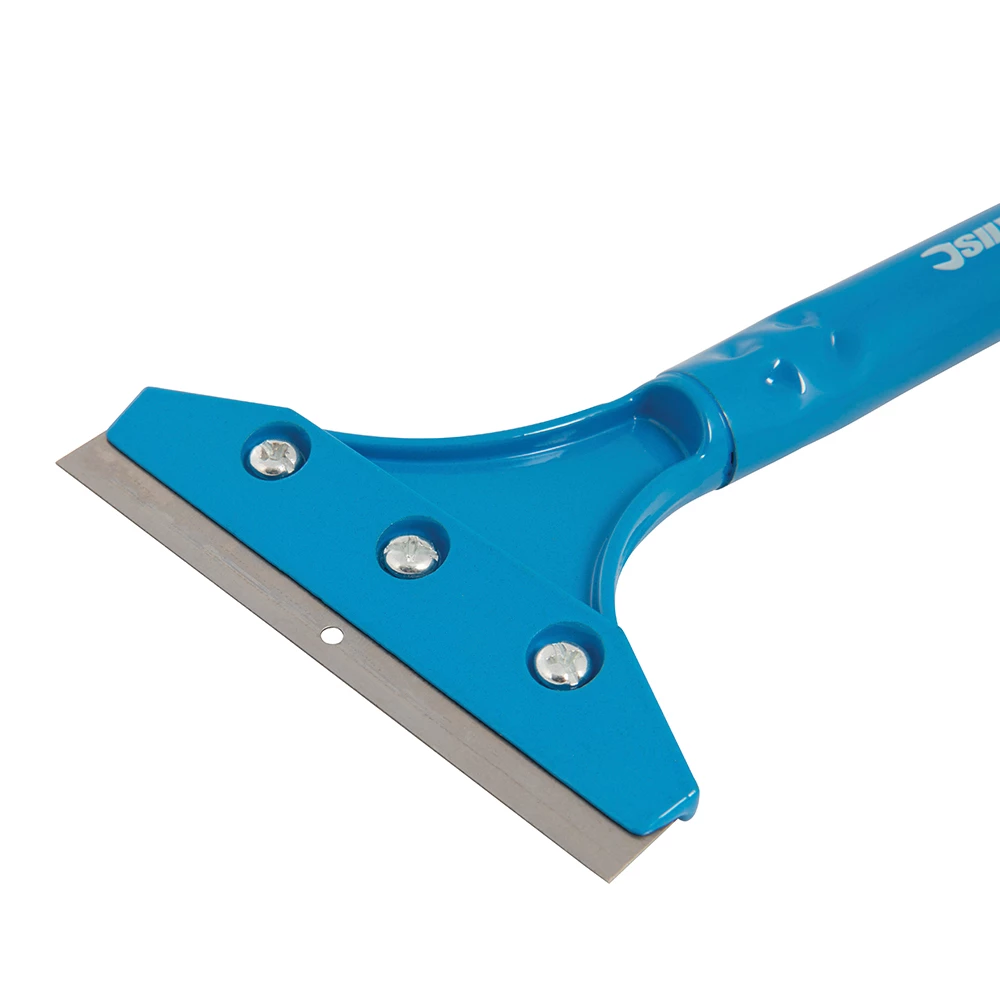
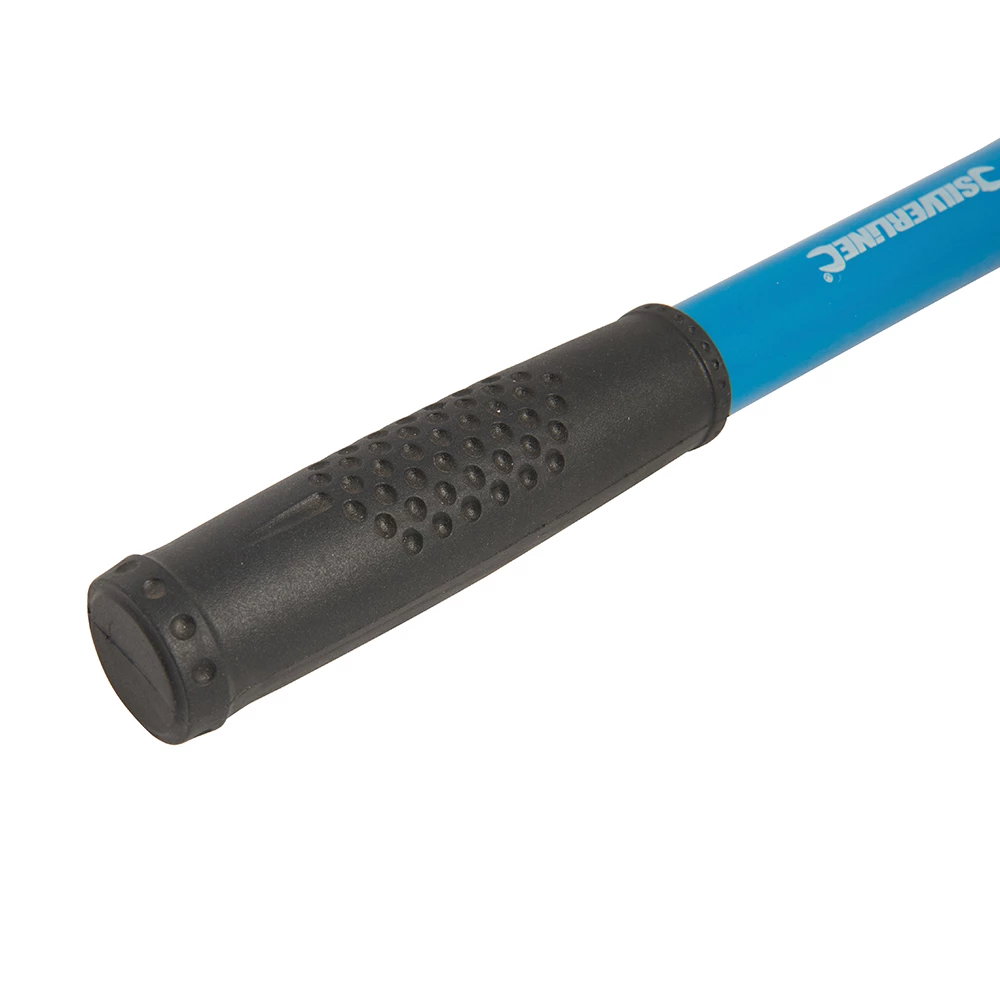
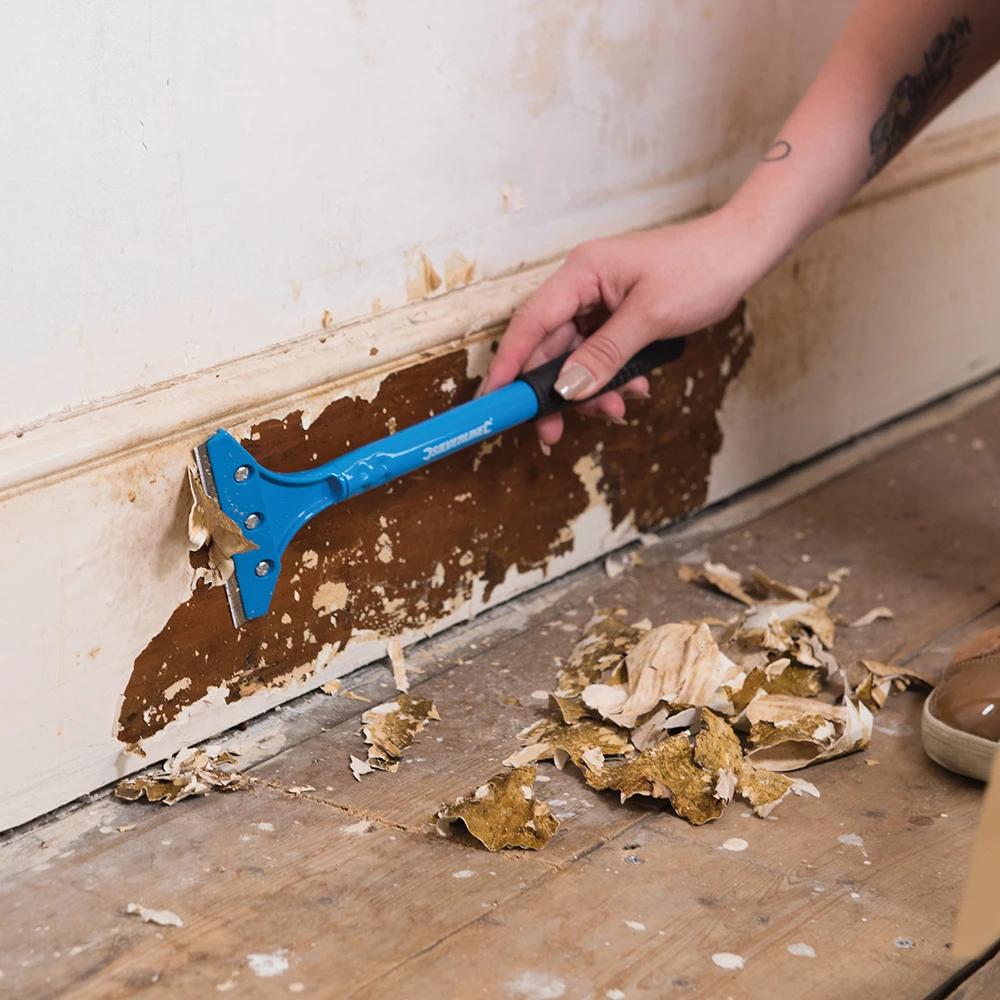
- Heavy Duty Scraper for Paint and Epoxy Resin Removal: Useful for removing hardened or cured epoxy from robust tools.
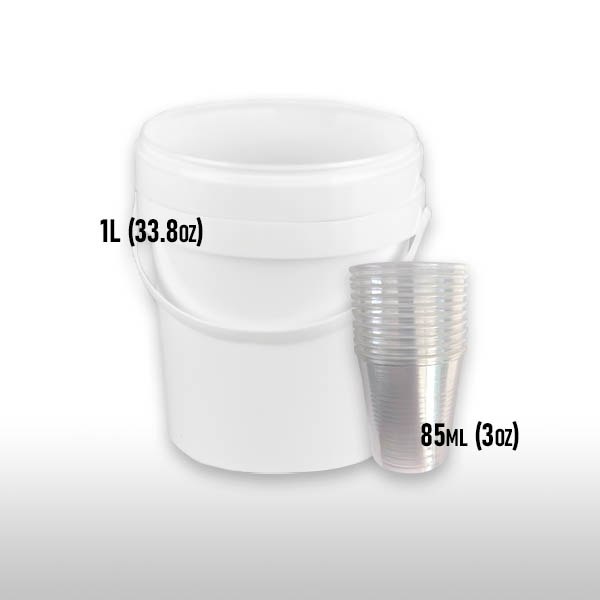
- Mixing Buckets Kit for Epoxy Resin Art – Easy Clean Flexible Design: For easy cleanup; flexible sides help release cured resin simply by squeezing.
- Absorbent cloths or disposable towels
- Nitrile or chemical-resistant gloves
- Warm soapy water
See Essential Tools and Products in Action
Curious about how different products work when cleaning resin tools? Watch practical demonstrations of cleaning actions, removing cured resin from mixing containers, and choosing the right degreaser for safe, effective cleanup. Visuals help you master each step.
Step 1: Wipe Away Uncured Epoxy Immediately
The easiest time to clean epoxy resin from your tools is right after you finish working, before the resin has a chance to cure. While resin is still wet, use absorbent cloths or disposable towels to wipe away as much as possible from spatulas, buckets, or brushes. Soapy warm water can assist in removing water-based formulations, but epoxy often requires more robust cleaning agents.
If you prefer environmentally conscious formulas or have sensitive skin, consider using the Strong Technical Degreaser for Resin Projects – 100% Natural Formula at this stage. This natural cleaner gently removes sticky residue without harsh fumes or irritation, making it an ideal first step for frequent tool cleaning.
Step 2: Dissolve Residual Resin with Alcohol-Based Solutions
For more stubborn remnants that remain after your initial wipe-down, isopropyl alcohol is highly effective. Dampen a clean cloth with Pure Isopropyl Alcohol 99.9% and rub it over the affected tools, focusing on areas where the resin film is tacky or semi-cured. Repeat as required, working in a ventilated space and wearing gloves to protect your skin from prolonged contact.
Isopropyl alcohol not only removes resin but also helps sanitize the tools, ensuring they are ready for the next use. Avoid open flames and heat sources, as alcohol is highly flammable.
Step 3: Remove Cured Resin Mechanically and with Flexible Containers
If resin has fully cured on your tools, chemical removal is usually less effective. Instead, turn to mechanical options. For rigid items, gently break off larger chunks by hand (while wearing gloves) and carefully scrape away stubborn areas using a Heavy Duty Scraper for Paint and Epoxy Resin Removal. Use light pressure to avoid damaging the surface of your tools. Pay special attention to curved or fine-edged tools, where a lighter touch can help maintain their integrity.
For mixing buckets or containers, products with flexible sides, such as the Mixing Buckets Kit for Epoxy Resin Art – Easy Clean Flexible Design, enable you to simply squeeze and peel away cured resin residues, greatly simplifying cleaning.
Tips and Common Mistakes in Resin Tool Cleaning
Let cured resin set for easier removal in flexible buckets or on tools where peeling is possible—trying to wipe partially set resin can cause smears. Avoid harsh abrasives on delicate surfaces; opt for a soft cloth or plastic scraper to prevent scratches. Always clean tools soon after use to minimise build-up. Always wear gloves and ventilate your workspace when handling solvent-based cleaners, and never dispose of resin-contaminated materials in regular waste streams—check local regulations for safe disposal.
Expert Advice for Residue-Free Tools
Discover maintenance secrets from experienced resin artists and professionals. From mechanical removal to choosing gentle cleaners, see which techniques keep your tools in the best condition after repeated resin projects.
- Strong Technical Degreaser for Resin Projects – 100% Natural FormulaOriginal price was: £10.95.£9.45Current price is: £9.45.A natural degreaser designed for cleaning surfaces including those used in epoxy resin projects, suitable for a variety of applications under this…
- Pure Isopropyl Alcohol 99.9% – 1000ml Bottle for Epoxy Resin Projects & DIYPrice range: £10.45 through £20.95Pure Isopropyl Alcohol 99.9% is designed for epoxy resin projects to remove bubbles and assist in creating effects, supporting cleaning and…
- Heavy Duty Scraper for Paint and Epoxy Resin Removal£8.95The Heavy Duty Scraper is designed for effective removal of wall coverings, tiles, and paint with a lightweight design and razor-sharp blade.
- Mixing Buckets Kit for Epoxy Resin Art – Easy Clean Flexible DesignPrice range: £2.05 through £8.95Mixing Buckets Kit designed for easy cleaning and versatile use in epoxy resin art mixing.
Frequently Asked Questions
What is the most effective way to remove uncured epoxy resin from tools?
Wipe fresh resin away with absorbent towels and use a natural degreaser or isopropyl alcohol for thorough cleaning.
How can I remove cured epoxy resin from mixing buckets?
Let the resin fully cure, then flex the bucket’s sides to release the hardened residue in one piece.
Is it safe to use scrapers when cleaning epoxy resin from my tools?
Yes, as long as you use gentle pressure and avoid scratching delicate surfaces. Always use a sharp, flat-edged scraper.
What personal protective equipment should I use when cleaning resin tools?
Wear nitrile gloves and work in a ventilated area. Use goggles when splashes are possible or when handling chemical cleaners.
Can isopropyl alcohol be used on all tools?
Isopropyl alcohol is safe for most tools, but always check manufacturer guidance for rubbers or painted finishes to avoid damage.
Can I reuse mixing buckets after cleaning off resin?
Yes, especially if using flexible buckets designed for resin. Remove cured residue after each use to maintain cleanliness.