 Free shipping on orders over £29,85
 Shipping Tracking!



 Google
 Facebook
How to polish a matte resin surface
Transform dull matte resin into a flawless, glossy masterpiece


Polishing a matte resin surface is an essential step for resin artists, woodworkers, and DIY enthusiasts seeking to elevate the finish of their epoxy creations. This page guides you through the process of transforming dull, lifeless resin into a smooth, mirror-like finish. Whether you are working on artwork, tabletops, jewellery, or handmade crafts, you’ll discover which products and tools are best suited for achieving professional results with minimal effort.
Comparing Essential Tools and Products for Polishing Matte Resin
There are several key products involved in polishing a matte resin surface, each serving a different role in the process. Sanding pads like the “Ebonite Abralon” – Sanding Pads 360-4000 Grit for Resin and Wood deliver a gradual reduction of surface imperfections through grits suited for both wet and dry sanding. Polishing creams such as “Epoxy Polish” – Epoxy Resin Polishing System and “Carbon Polish” – Polishing System for Dark and Black Surfaces, 250ml are specially formulated to restore gloss, remove micro-scratches, and avoid unsightly swirl marks. The 1200W Polisher for Sanding and Buffing – Variable Speed, D-Handle brings power and consistency to your work, helping you achieve even, professional results on larger surfaces.
Choosing the right combination depends largely on your specific project, colour of resin, and the finish you wish to achieve. Read on for a closer look at how each product can help perfect your surface.

See the Transformation: Before and After Polishing Resin Surfaces
Real projects show just how dramatically a matte resin surface can be transformed with the right combination of sanding and polish. Notice how surface clarity and gloss develop as you step through each grit and finish with the appropriate polishing cream. The difference is not just visible—it’s tactile, with a smoothness you can both see and feel.
“Epoxy Polish” – Epoxy Resin Polishing System
The “Epoxy Polish” – Epoxy Resin Polishing System offers a comprehensive solution for removing scratches and dullness from your resin projects. Its advanced formula delivers a professional-quality gloss with minimal effort. Thanks to anti-hologram technology, it leaves no swirl marks and works effectively on resin, carbon fibre, and plastics. This polishing system is suitable for both manual application and use with polishing pads, making it versatile for all skill levels. For best results, use with a rotary polisher or pad holder to work the polish thoroughly into the resin surface.
“Ebonite Abralon” – Sanding Pads 360-4000 Grit for Resin and Wood
Start your journey to a polished surface with the “Ebonite Abralon” – Sanding Pads 360-4000 Grit for Resin and Wood. Available in a wide range of grits, these foam-backed pads are designed for precise, controlled sanding—essential for removing deeper imperfections before polishing. Suitable for wet or dry use, the pads provide exceptional surface pressure, making it easy to transition from a matte to a satin finish and preparing the resin for final buffing or polish application. They are also excellent for wood finishes and detailed finishing work.
“Carbon Polish” – Polishing System for Dark and Black Surfaces, 250ml
For those working with dark or black resin, “Carbon Polish” – Polishing System for Dark and Black Surfaces, 250ml is formulated to deliver a flawless finish without leaving white residue. Its odourless, silicone-free, and eco-friendly formula is safe for use on plastics and is suitable for both hand and machine application. This polish brings out the depth and clarity in darker pieces, avoiding typical issues like scratch highlighting or uneven gloss.
1200W Polisher for Sanding and Buffing – Variable Speed, D-Handle
The 1200W Polisher for Sanding and Buffing – Variable Speed, D-Handle is an essential tool for efficiently handling larger resin projects. It features variable speed control, a comfortable D-handle for superior grip, and a quick-change mechanism for easy maintenance. Ideal for both sanding and polishing, it allows you to tailor your approach according to the needs of your resin surface, ensuring consistent, professional finishes time after time.
Tips for Perfecting Your Resin Polishing Technique
Achieving a flawless, polished finish on resin requires patience and attention to detail. Always begin with the appropriate grit—starting coarser for rough areas and progressing to finer pads. Maintain even pressure throughout sanding and ensure surfaces are clean between grit changes. When polishing, use dedicated products for your resin’s colour and type to avoid swirl marks and residues. Avoid using only cloths for polish application on larger pieces, as this may result in a cloudy finish. For an efficient workflow, invest in a polisher with adjustable speed and grip control.
Popular Surfaces for Polishing: Tables, Jewellery, and Artworks
Polished resin makes a statement on river tables, jewellery pieces, and artwork. Each project has its unique requirements, from intricate shapes to expansive flat areas. Choosing quality sanding pads, polishes tailored to your resin shade, and the right tools ensures consistent, beautiful results across all your creative endeavours.

- "Epoxy Polish" – Epoxy Resin Polishing SystemPrice range: £18.95 through £47.45"Epoxy Polish" is a polishing system designed for epoxy resin surfaces, providing a glossy finish with ease as suited to the theme.
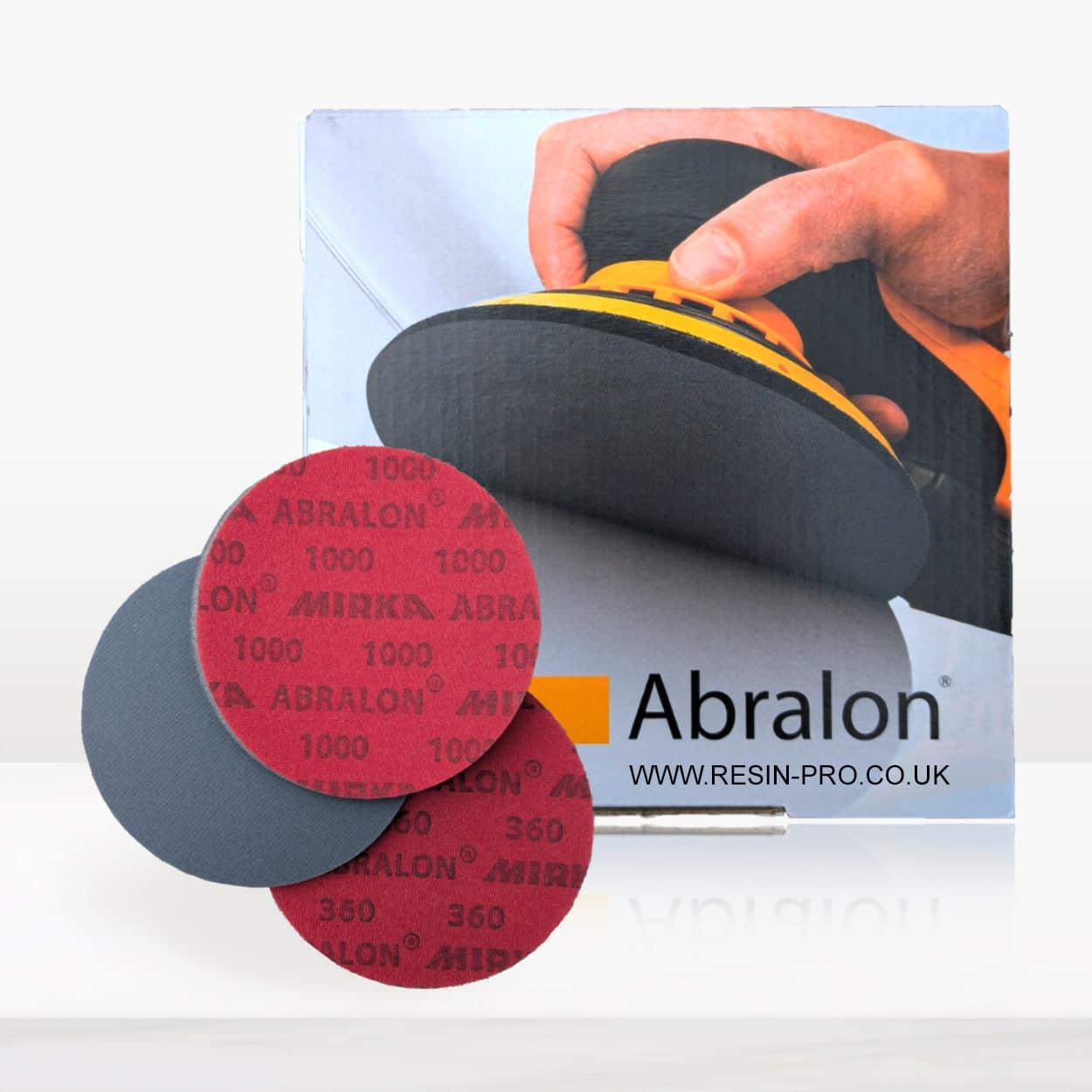 "Ebonite Abralon" – Sanding Pads 360-4000 Grit for Resin and Wood£4.15Ebonite Abralon Sanding Pads provide detailed finishing for epoxy resin and wood surfaces suitable for polishing matte resin finishes.
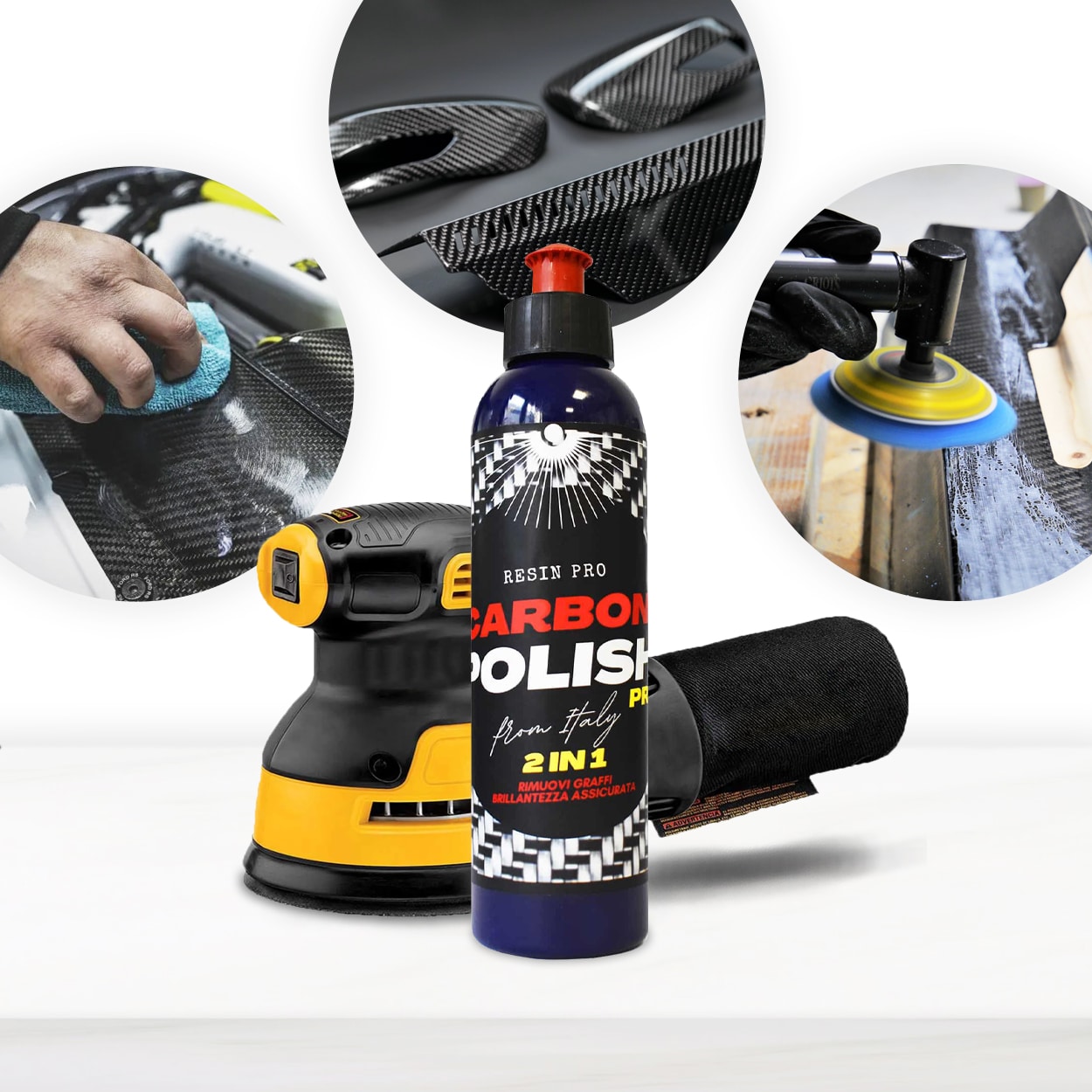 "Carbon Polish" – Polishing System for Dark and Black Surfaces, 250mlPrice range: £18.95 through £47.45Carbon Polish Black offers a suitable polish for dark and black epoxy resin surfaces, supporting a refined finish with easy application.
 1200W Polisher for Sanding and Buffing – Variable Speed, D-Handle£90.45The 1200W Polisher is designed for sanding and polishing epoxy resin surfaces with variable speed and a sturdy D-handle for control.
Frequently Asked Questions
Do you need a polisher to buff resin surfaces?
While you can polish small surfaces by hand, a rotary or variable speed polisher is recommended for consistent and professional results, especially on larger pieces.
What grit sanding pad should I start with on matte resin?
Start with a medium grit like 360 or 1000 depending on surface imperfections, then progress to finer grits up to 4000 to ensure a flawless pre-polish finish.
Can polishing restore clarity to cloudy or scratched resin?
Yes, polishing with the right sanding progression and cream can remove scratches and cloudiness, restoring a transparent or glossy appearance.
How can I avoid swirl marks on black or dark resin?
Use a polishing cream formulated for dark surfaces and avoid dirty pads. Applying gentle, consistent pressure ensures a hologram-free finish.
Should I wet sand or dry sand my resin surface?
Wet sanding helps reduce dust and heat, creating a smoother surface. It is especially useful for finer grits before final polishing.
Is a dedicated resin polishing cream necessary?
For the best gloss and clarity, a specialised resin polish is highly recommended. Standard abrasives may not achieve the desired finish or may leave residue.