 Free shipping on orders over £29,85
 Shipping Tracking!



 Google
 Facebook
How to Remove Metal Paint from the Floor
Quick answer
Removing metal paint from floors requires a combination of the right tools, careful technique, and preparation to avoid damaging the surface underneath. Depending on the type and thickness of the paint, scraping and cleaning methods ensure safe, effective removal for most residential and DIY situations.
Achieve a spotless surface with safe, proven removal methods.
Getting rid of metal paint from flooring can be a challenging task, especially if you wish to restore your surface without causing damage. This guide explains practical, step-by-step techniques to lift old or unwanted paint, covering all safety essentials and common mistakes to avoid. Whether you are refurbishing a room, preparing for a new finish, or tidying up after a renovation mishap, these methods will help you achieve a professional result.

What You’ll Need
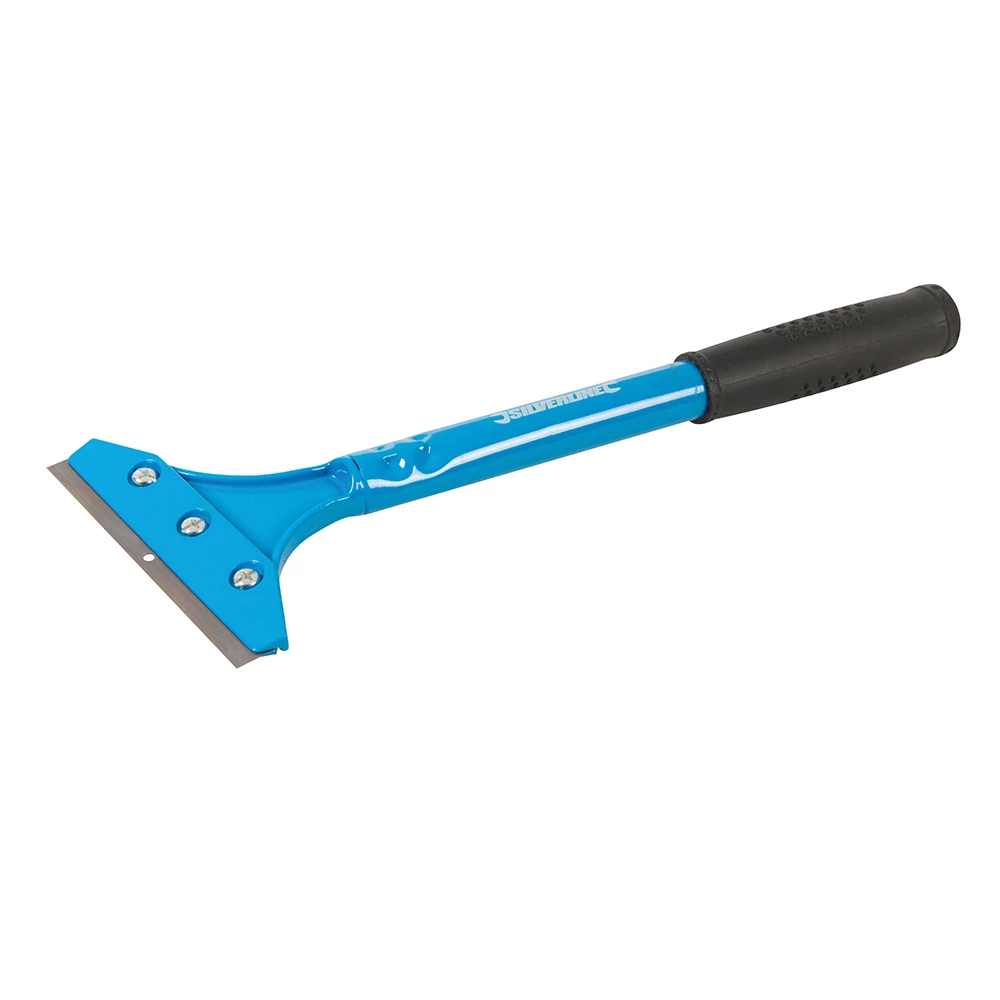
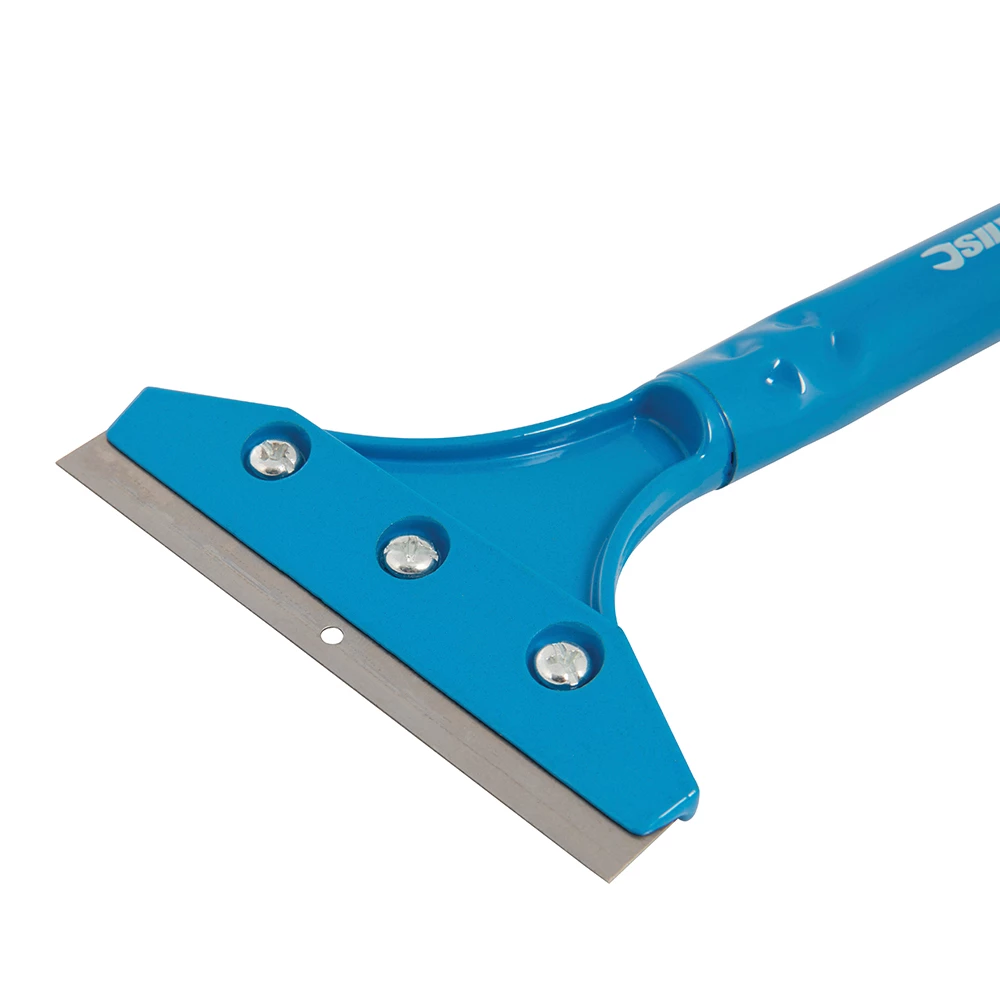
- Heavy Duty Scraper for Paint and Epoxy Resin Removal – For effective removal of stubborn, thick paint and surface residues.
- Scraper for Paint & Dry Resin Removal – 10 Double-Sided Blades – Suited for detailed work and less abrasive surfaces.
- Strong Technical Degreaser for Resin Projects – 100% Natural Formula – Gentle, plant-based cleaner for eliminating remaining residues and prepping the surface after scraping.
- “LatexPro” – Protective Liquid Latex Coating for Artists and Creative Projects – Optional, to protect surrounding areas from new splatters or drips during the process.
- Protective gloves and safety goggles
- Dustpan and soft brush
- Clean cloths for wiping up excess debris
Setting Up for Paint Removal Success
Plan your project by assembling all necessary tools, ensuring ventilation, and preparing the area with protective covers if needed. A little preparation reduces cleanup and helps maintain the integrity of your floors throughout the removal process.

Step 1: Prepare the Work Area
Before you begin, clear the floor of all furnishings and debris. Lay down protective coverings on any adjacent surfaces that are not being treated. Ensure you have adequate ventilation during the removal process to disperse any airborne dust or odours. Wearing gloves and eye protection is advised when dealing with scrapers and cleaning solutions.
Step 2: Test and Score the Paint Layer
Inspect the affected area to assess the paint’s thickness and adhesion. Use the edge of a Scraper for Paint & Dry Resin Removal – 10 Double-Sided Blades to gently score a small section. This helps determine how easily the paint will lift without damaging the floor beneath. If the paint is especially thick, lightly score several parallel lines to make removal in manageable strips.


Step 3: Begin Manual Paint Removal
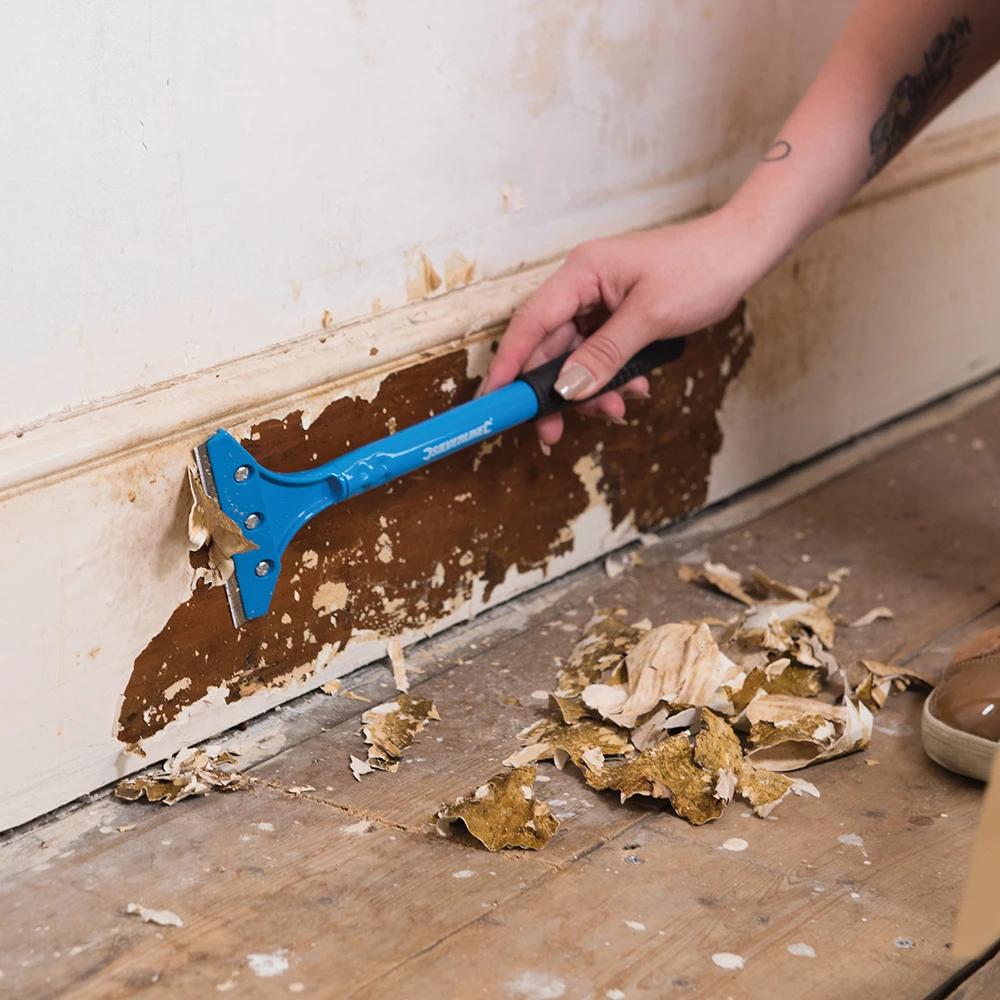
With a suitable scraping tool, such as the Heavy Duty Scraper for Paint and Epoxy Resin Removal, work from the edges of the paint patch towards the centre using smooth, steady pressure. Hold the scraper at a shallow angle to avoid gouging the underlying surface. For stubborn or residual spots, alternate between the heavy duty and finer scrapers for precision.
Step 4: Clean Up and Remove Residue
Once the bulk of the paint has been lifted, use a soft brush and dustpan to collect the debris. If paint fragments, adhesive, or greasy residues remain, apply a Strong Technical Degreaser for Resin Projects – 100% Natural Formula to the floor and gently wipe clean with a soft, damp cloth. This step ensures a pristine, paint-free finish ready for refinishing or regular use.


Step 5: Protect the Surface During Further Work
If you plan to continue work in the area or are concerned about future spills, coat vulnerable sections of the floor with “LatexPro” – Protective Liquid Latex Coating for Artists and Creative Projects. This quick-drying latex forms a removable barrier that prevents staining from paints or resins, making cleanup much easier in the future.
Tips and Common Mistakes
- Always protect yourself with gloves and suitable eye protection when scraping or cleaning.
- Avoid using metal scrapers on delicate surfaces to prevent scratches—opt for less abrasive blades where possible.
- Work in manageable sections to avoid overwhelming yourself and ensure precision throughout the task.
- Do not rush; letting cleaning agents or degreasers sit for a few minutes can help soften persistent residues for easier removal.
- Dispose of paint debris and any used cleaning materials responsibly in accordance with local regulations.
Extra Advice for Safe, Efficient Paint Removal
Patience and steady technique are crucial for removing metal paint successfully. Breaking the process into smaller steps helps you work more safely and prevents accidental surface damage. If in doubt, test a less visible area before tackling the main painted sections.
Frequently Asked Questions
Can I remove metal paint without damaging the floor?
Yes, using suitable scrapers at a shallow angle and gentle cleaning agents helps avoid gouging or scratching most floor types.
Is a degreaser needed after scraping?
A natural, plant-based degreaser is helpful to remove any leftover paint residue for a clean, ready-to-use surface.
Do I need to wear protection during this task?
Yes, protective gloves and goggles are recommended when using scrapers and cleaning products for safety.
How should I dispose of removed paint debris?
Collect and dispose of all paint chips and cleaning waste in accordance with local hazardous waste regulations.
Are these methods suitable for all floor types?
Most scraping and cleaning methods are suitable for hard surfaces, but always test a small spot first, especially on softer floors.