 Free shipping on orders over £29,85
 Shipping Tracking!



 Google
 Facebook
Ideal Products for Vertical Repairs on Sloped and Upright Roof Features
← Back to Waterproofing Roof Cracks
Quick answer
Vertical roof crack repairs on sloped or upright features are best tackled with products that resist sagging while they cure. Thixotropic epoxy mastics hold in place on stone, metal and cement, while fibreglass-reinforced polyester resins and putties add structural strength. Both approaches support outdoor waterproofing when the surface is clean, rigid and prepared at suitable temperatures. Choosing a formulation designed for vertical application reduces the chance of material running before it sets.
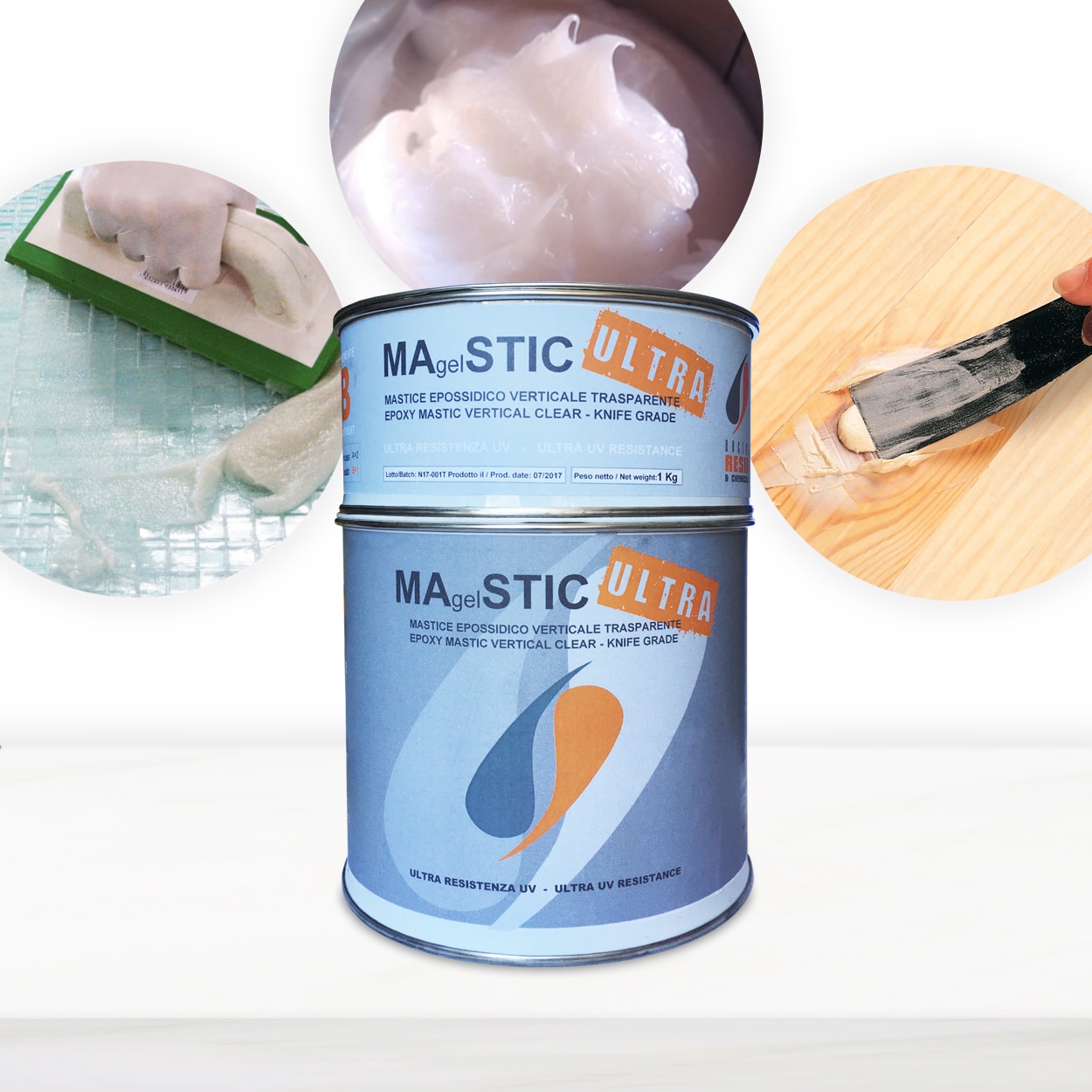

On sloped or upright roof features, gravity works against wet repair materials. The most useful products are therefore those that stay where they are applied, cure to a waterproof finish and bond well to rigid roofing surfaces.
Why vertical surfaces need a different approach
Upright and sloped roof features allow wet repair material to move under gravity. A fluid resin can sag, pool at the bottom of a crack, or fail to bridge the damaged area evenly. Products with a thixotropic or paste-like consistency are generally easier to control and keep in place while they cure.
For stone, metal, and cement bonding on vertical sections, the “Magelstick” Epoxy Mastic is designed with a thixotropic formula to prevent running and aid gap filling.
Which products suit sloped and upright roof repairs
The most appropriate repair material depends on the substrate, crack depth, and whether reinforcement is required.
- Thixotropic epoxy mastic – stays in place on vertical stone, metal, and cement surfaces, and can offer UV and weather resistance for exterior use.
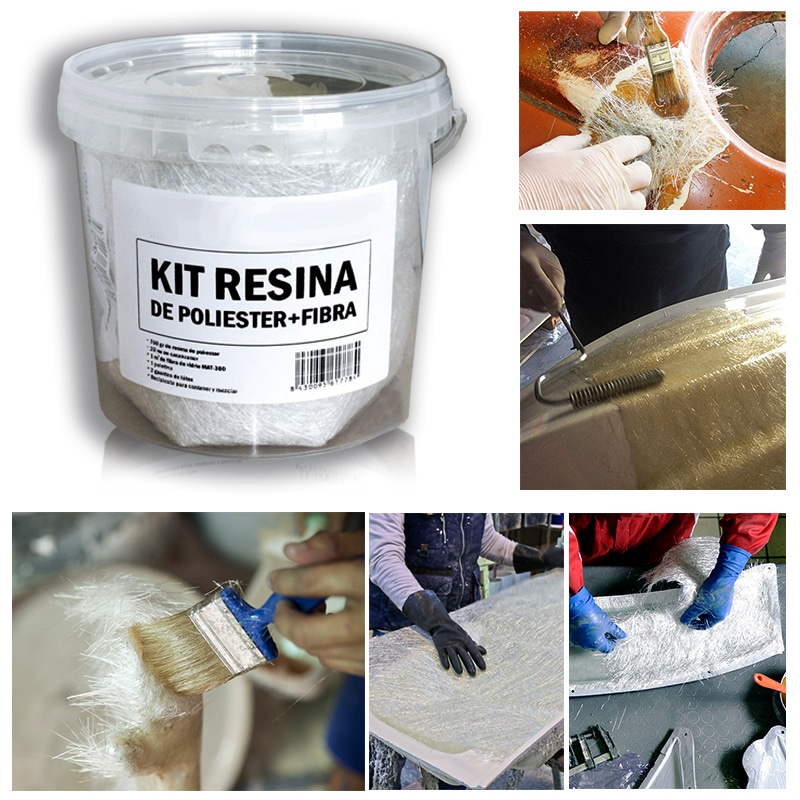
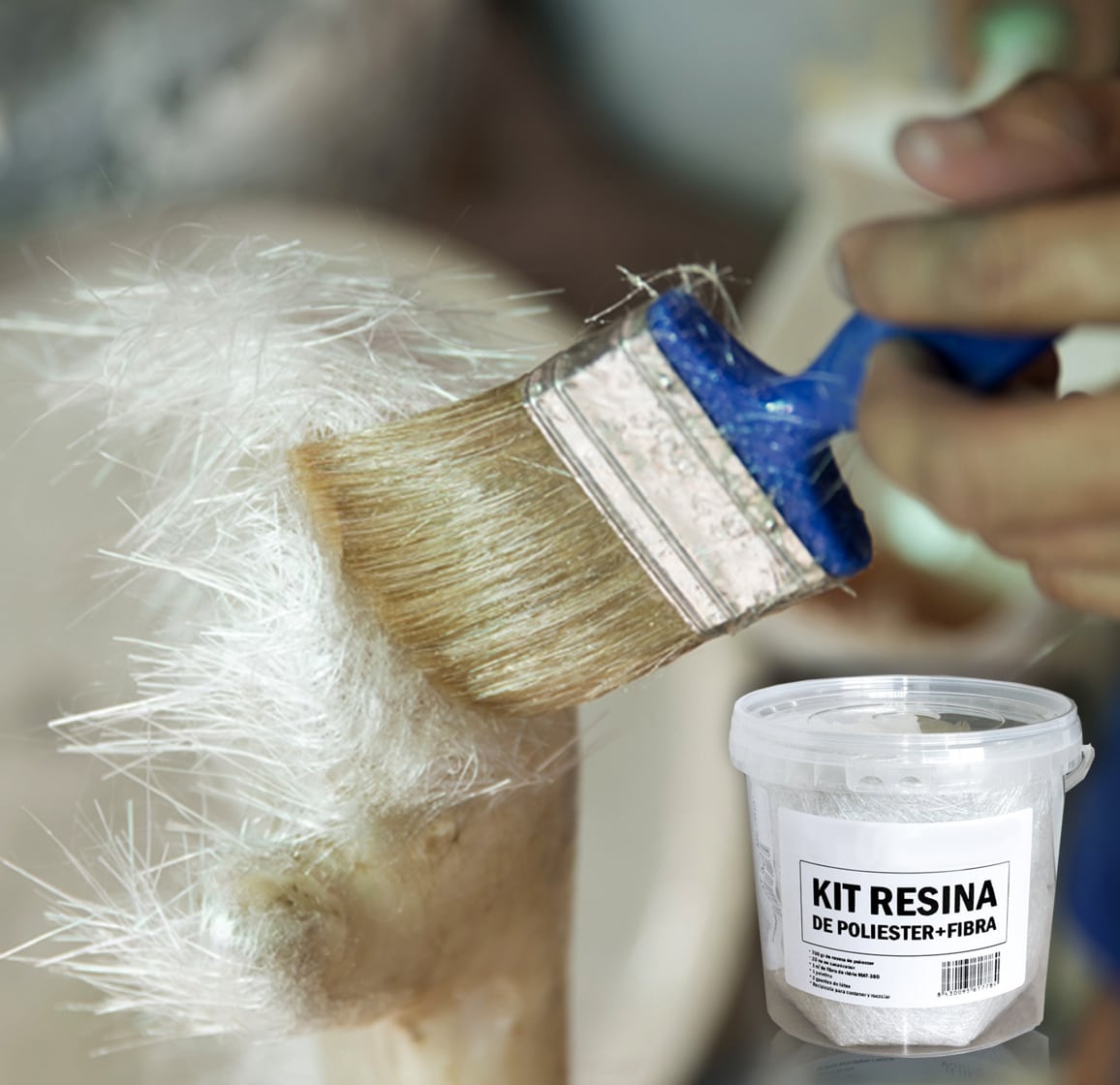
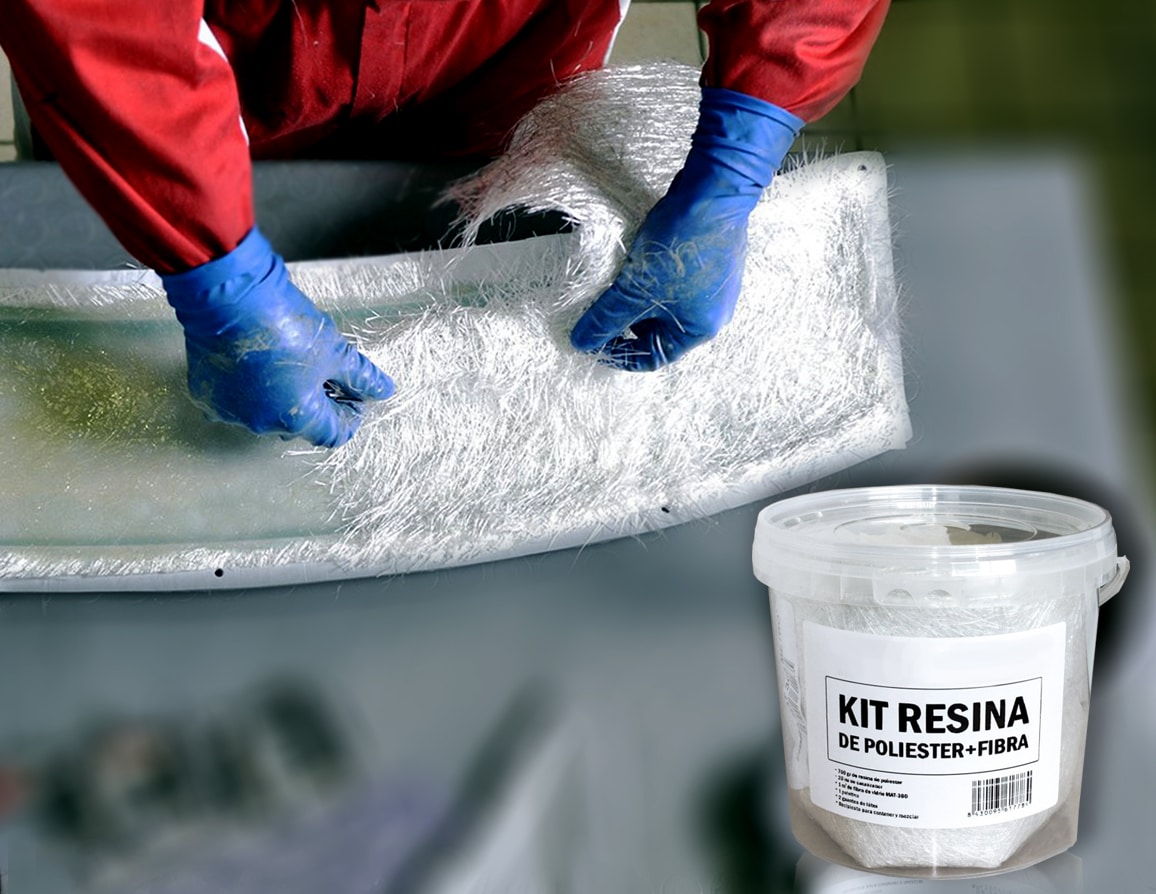
- Fibreglass-reinforced polyester resin kits – combine a resin and fibreglass mat to reinforce and waterproof roof cracks on rigid surfaces.
- Fibreglass-reinforced putty – useful for filling cracks, dents, or deep cavities before sanding, priming, and painting.
Where a crack is wide or needs structural reinforcement, a kit with fibreglass mat may be more suitable than a mastic alone.
Application notes for vertical roof work
This matters most on parapets, pitched roof edges, upright flashing details, and similar features where a repair cannot be laid flat. If the material slumps, the upper part of the crack can remain exposed to water.
- Check the minimum application temperature; epoxy mastic such as Magelstick is generally used at 10°C or above.
- Clean and dry the repair area well so the product can bond to the roof surface.
- Apply in controlled layers on steep or upright sections and allow each layer to firm up if the instructions recommend it.
- Fibreglass-reinforced putty is typically a crack filler rather than a standalone waterproof membrane, so confirm whether a compatible top coat is needed.
Related products
Related guides
Choosing the right vertical-repair product is one part of a wider waterproofing roof cracks strategy. See the main waterproofing roof cracks guide for more context on sealing and reinforcing roof damage.