 Free shipping on orders over £29,85
 Shipping Tracking!



 Google
 Facebook
Impact-Resistant Bonds for Metal Camper Waterproofing
← Back to Waterproofing metal campers
Quick answer
Impact-resistant bonds are structural adhesive joints designed to withstand knocks, vibration and movement without cracking or losing grip. On metal campers, they help keep repaired seams, panels and patches waterproof when the vehicle is moving. Two practical systems are commonly used: polyester fibreglass laminates that build a reinforced shell, and epoxy mastics that fill and bond gaps with strong mechanical hold. The right choice depends on the repair area, surface rigidity and whether vertical or pressure-bearing performance is required.

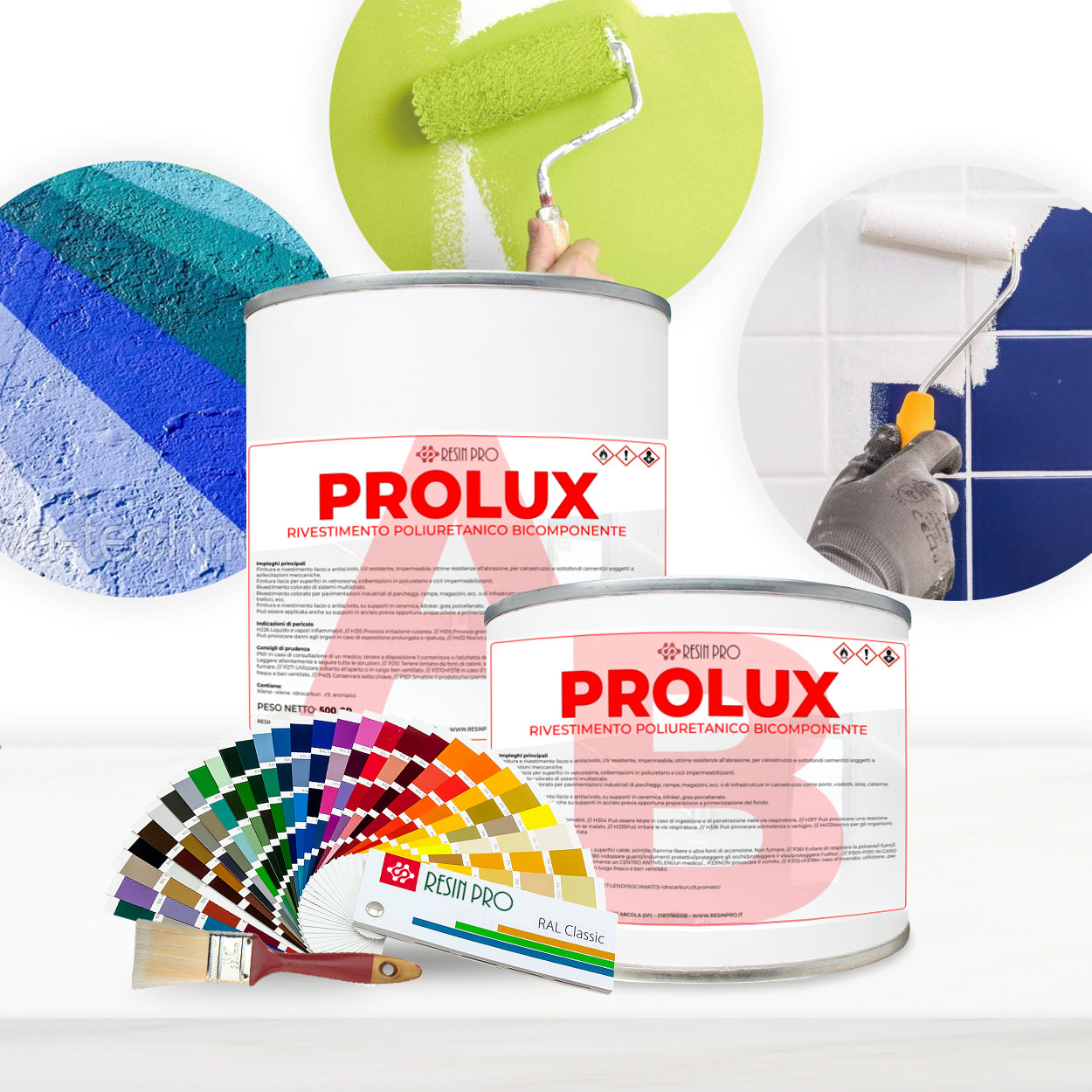
While waterproofing a camper often starts with sealing seams and coatings, impact resistance decides how long that repair survives real use. A bond that handles road vibration and occasional knocks prevents water from creeping back into stressed metal joints.
What makes a bond impact resistant?
Impact-resistant bonds combine adhesion with toughness, so the joined area can absorb sudden force without the repair edge lifting or cracking. On metal campers, that matters because panels flex slightly, road vibration is constant, and doors, skirts and step areas can receive knocks. The key is matching the repair material to the substrate and building enough thickness or reinforcement at the joint.
Rigid surfaces typically respond well to polyester or epoxy systems. Flexible or high-movement areas are generally not suited to brittle resin-only fills, which is why a fibreglass mat reinforcement is often used to spread stress across a wider area.
Fibreglass versus epoxy mastic
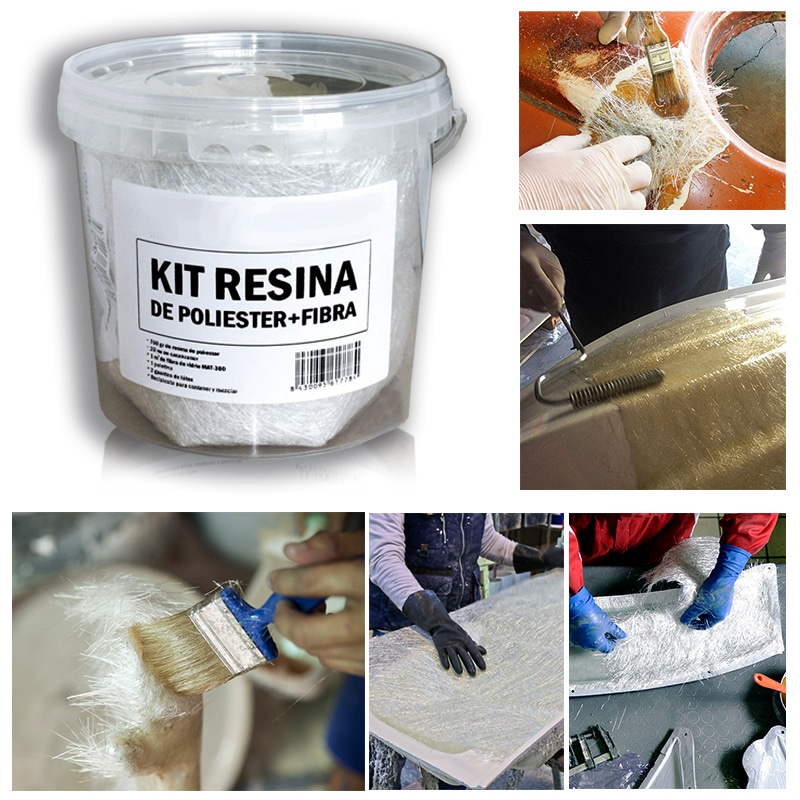
For structural repairs, polyester fibreglass kits create a waterproof, impact-resistant bond by laminating resin with glass mat. This suits larger holes, cracked panels and areas where a rigid shell can be rebuilt. The Resin Fibreglass Repair Kit includes the mat, resin and accessories needed to create that reinforced layer.
Where a thicker adhesive fill or gap-filling bond is required, an epoxy mastic such as “Magelstick” offers high mechanical strength and a thixotropic formula that stays put on vertical metal surfaces. It is designed for bonding and grouting stone, metal and cement, with weather resistance for outdoor use. However, it needs an application temperature of at least 10°C.
- Polyester fibreglass: rebuilds panels and spreads load for larger repairs.
- Epoxy mastic: fills vertical gaps and bonds metal, stone and cement with minimal sag.
- Temperature check: confirm the product works at your planned application temperature before buying.
When impact resistance matters most
Impact resistance becomes a priority anywhere a camper repair faces road stress, water pressure or frequent contact. This includes lower body panels, wheel arches, step wells, roof seams and areas around fixtures. A waterproof coating alone may bridge small cracks, but it cannot compensate for movement if the underlying bond is weak.
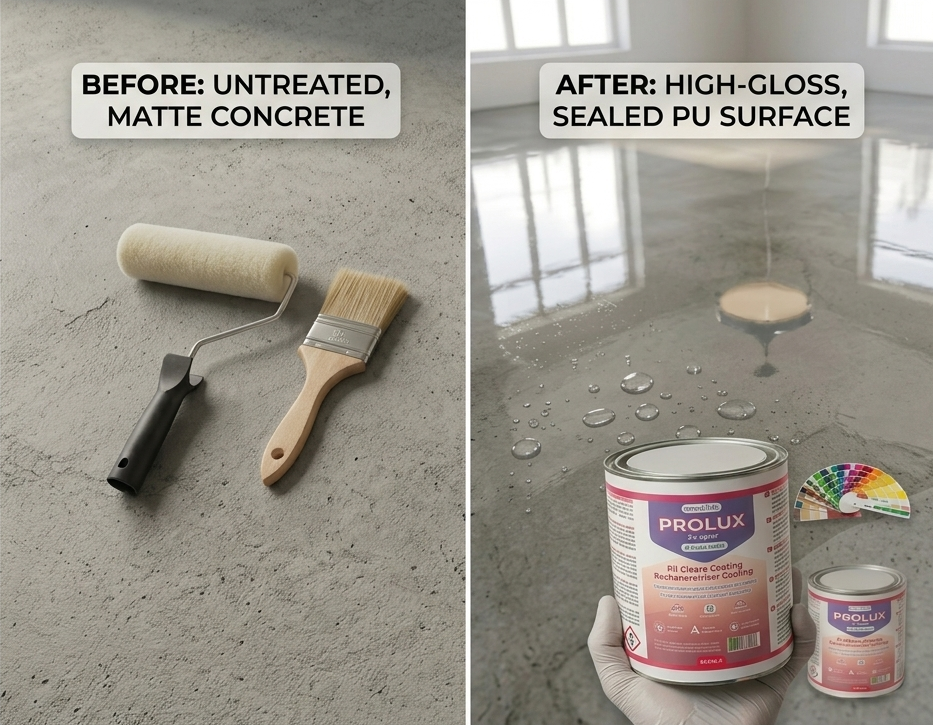
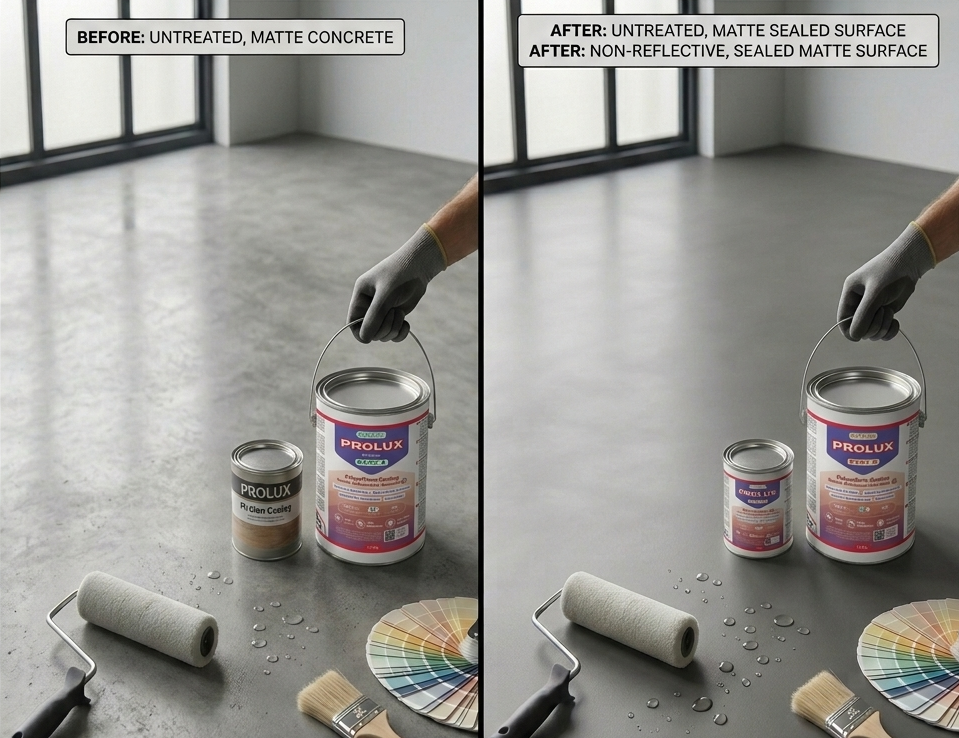
If the repair will be walked on, knocked by equipment, or exposed to pooling water, choose a system that bonds the metal rather than just covering it. A separate PU topcoat can add further protection, but the structural foundation should be impact-resistant first.
Related products
Related guides
For metal campers, waterproofing is only as reliable as the bond holding the repair together. Choosing an impact-resistant fibreglass or epoxy mastic system helps keep seams, patches and panels dry through seasons of movement and weather. Explore waterproofing metal campers approaches that combine surface sealing with durable structural repair.