 Free shipping on orders over £29.85
 Shipping Tracking!



 Google
 Facebook
Insulating Fixative Primer for Flooring
Quick answer
Insulating fixative primers for flooring are specialised undercoats designed to enhance adhesion, provide a stable base and protect a wide range of floor substrates—such as concrete, wood, tiles, and screeds—prior to resin or coating application. These primers not only ensure the durability of the final flooring finish but also increase resistance to moisture and wear, making them essential for both residential and commercial projects.


Compare epoxy, methacrylic, PU and clear floor primers
Choosing the correct insulating fixative primer is crucial for guaranteeing long-lasting, reliable flooring—whether installing epoxy, polyurethane or clear resin systems. This guide compares leading primer options, helping flooring professionals, resin artists and DIY enthusiasts pick the right solution for specific surfaces and application needs.
Overview: Comparing Types of Flooring Primers
Insulating fixative primers come in formulations including epoxy-based, methacrylic, polyurethane and clear resin types. Key considerations include surface compatibility, ease of application, curing time, mechanical durability, and environmental safety. Epoxy primers excel on concrete and tiles, improving resin adhesion. Methacrylic resin primers offer rapid waterproofing for driveways or stamped concrete. Polyurethane (PU) coatings provide UV and abrasion resistance, suitable for high-traffic or outdoor areas. Clear epoxy resin creates a transparent, protective finish ideal for surfaces requiring visible beauty and scratch resistance.
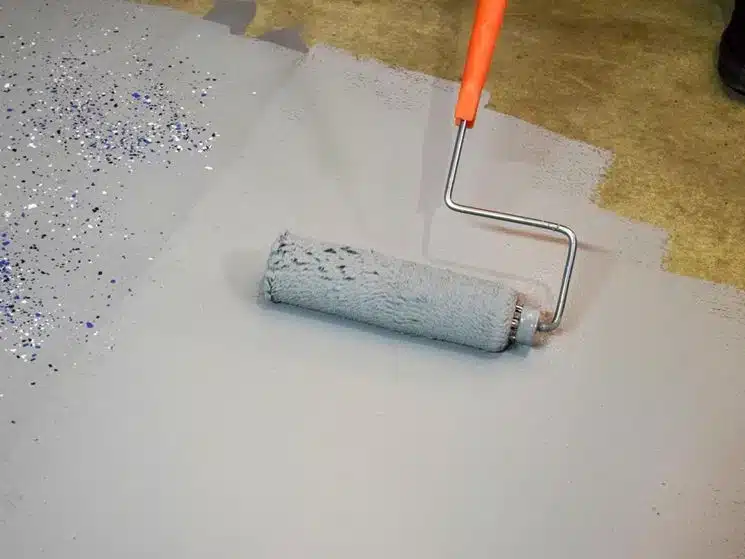
Visual Guide to Flooring Primer Applications
View real-world results achieved with different insulating fixative primers: seamless concrete floors, protected driveways, stylish commercial interiors, and eye-catching clear resin overlays. Compare finish textures and coverage across popular project types to visualise your chosen product in action.
“Epoxyprimer” – Universal Water-Based Two-Component Epoxy Floor Primer
Epoxyprimer is formulated to deliver superior adhesion and long-lasting durability on various substrates—including concrete, wood, screed, tiles and timber. Water-based and odourless, this two-component primer suits sustainable, indoor environments and can be applied with a roller, brush, or spatula for even coverage. Allow 24–48 hours for full cure, achieving a solid bond ready for resin, decorative, or protective coatings.
This primer is ideal for those wanting eco-friendly & odourless solutions on stable floors. It maximises bonding and reduces the risk of delamination over time for a flawless finish.

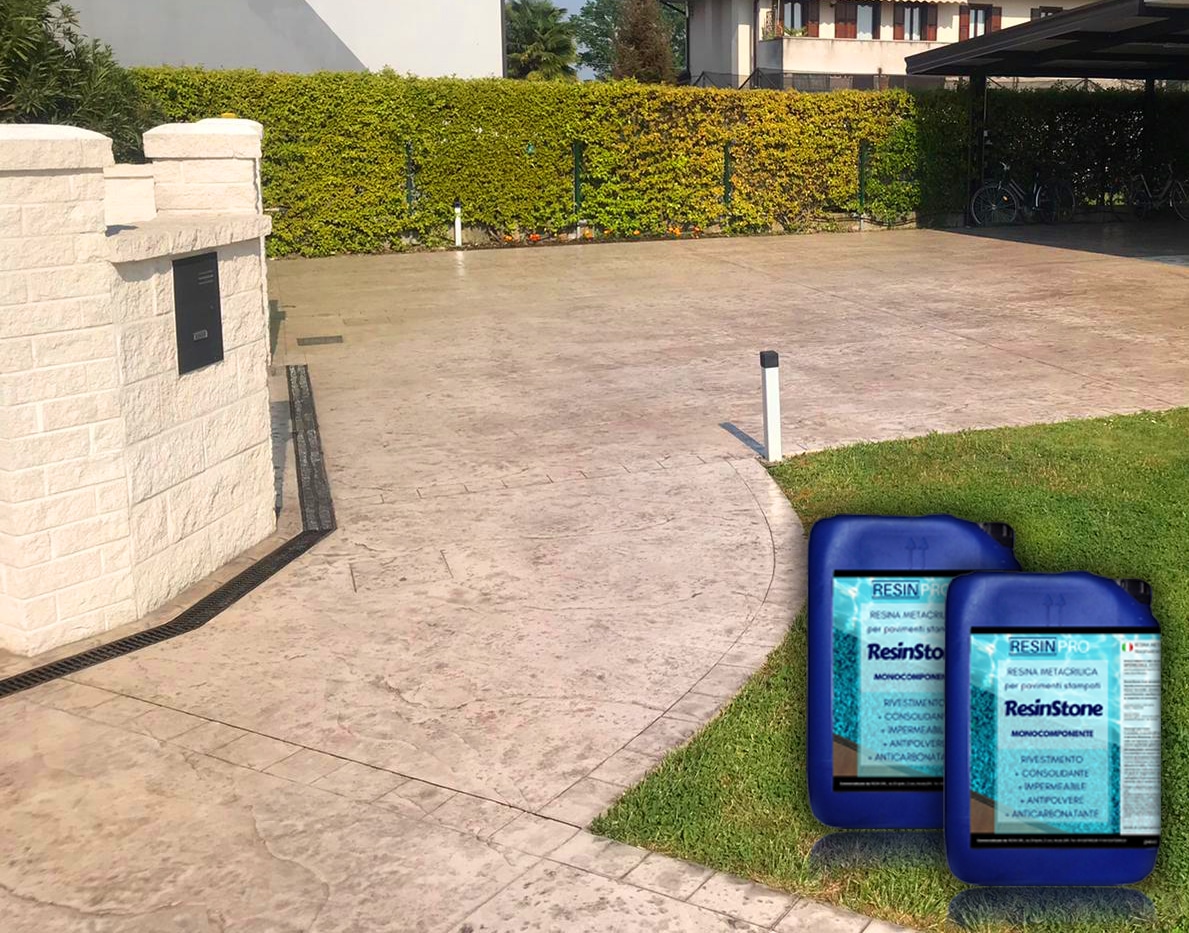
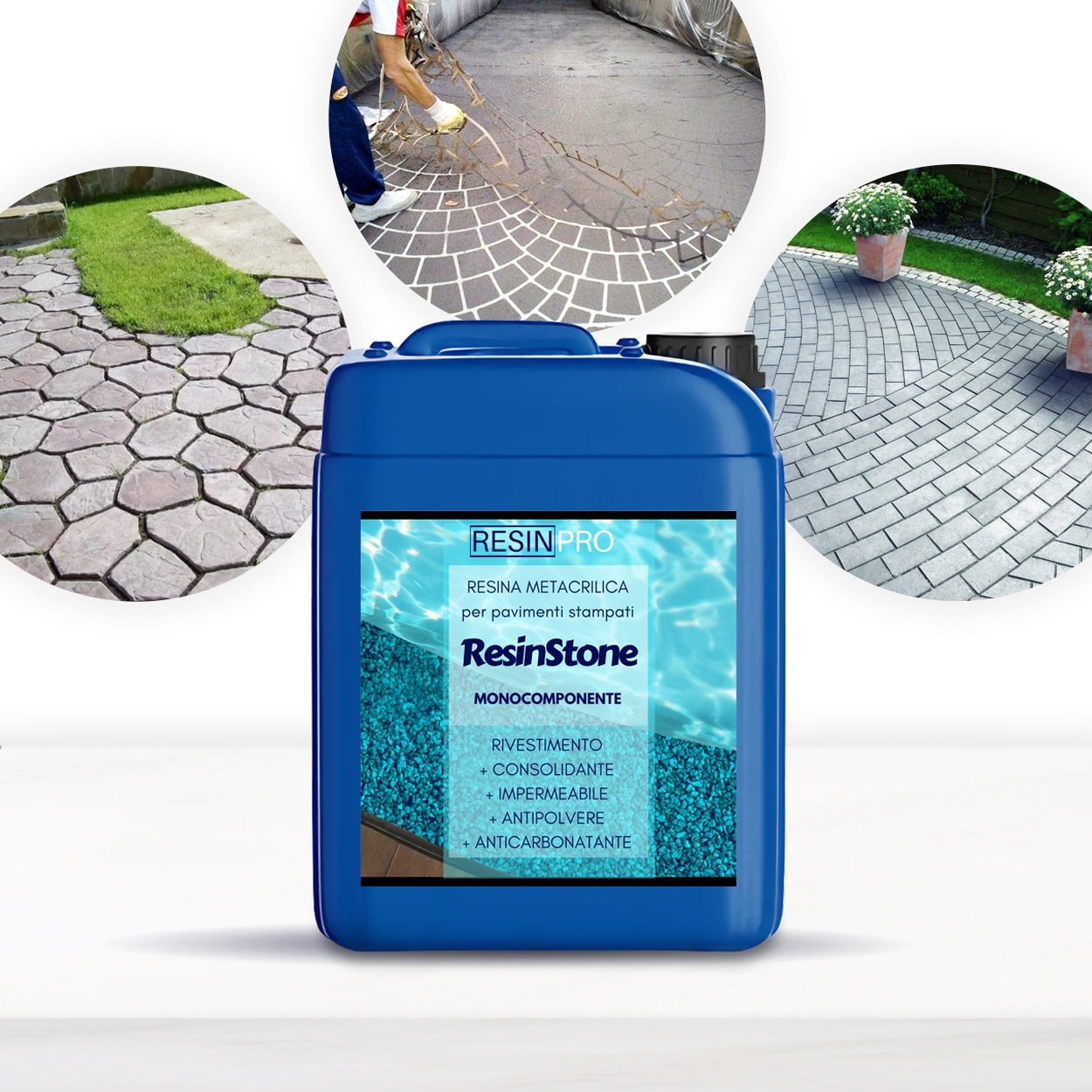
“Resinstone” – One-Component Methacrylic Resin for Concrete Floors and Driveways
Resinstone is a one-component methacrylic resin designed to seal and protect absorbent concrete surfaces with deep penetration. Its formulation provides waterproof and durable protection, resisting chemicals, UV rays, and mechanical wear. Suitable for driveways, garages, patios, and stamped floors, it dries swiftly (under 12 hours), making it perfect for projects requiring quick turnaround.
This primer is recommended where rapid drying and hard-wearing surface sealing are critical—such as outdoor paths or busy garage floors.
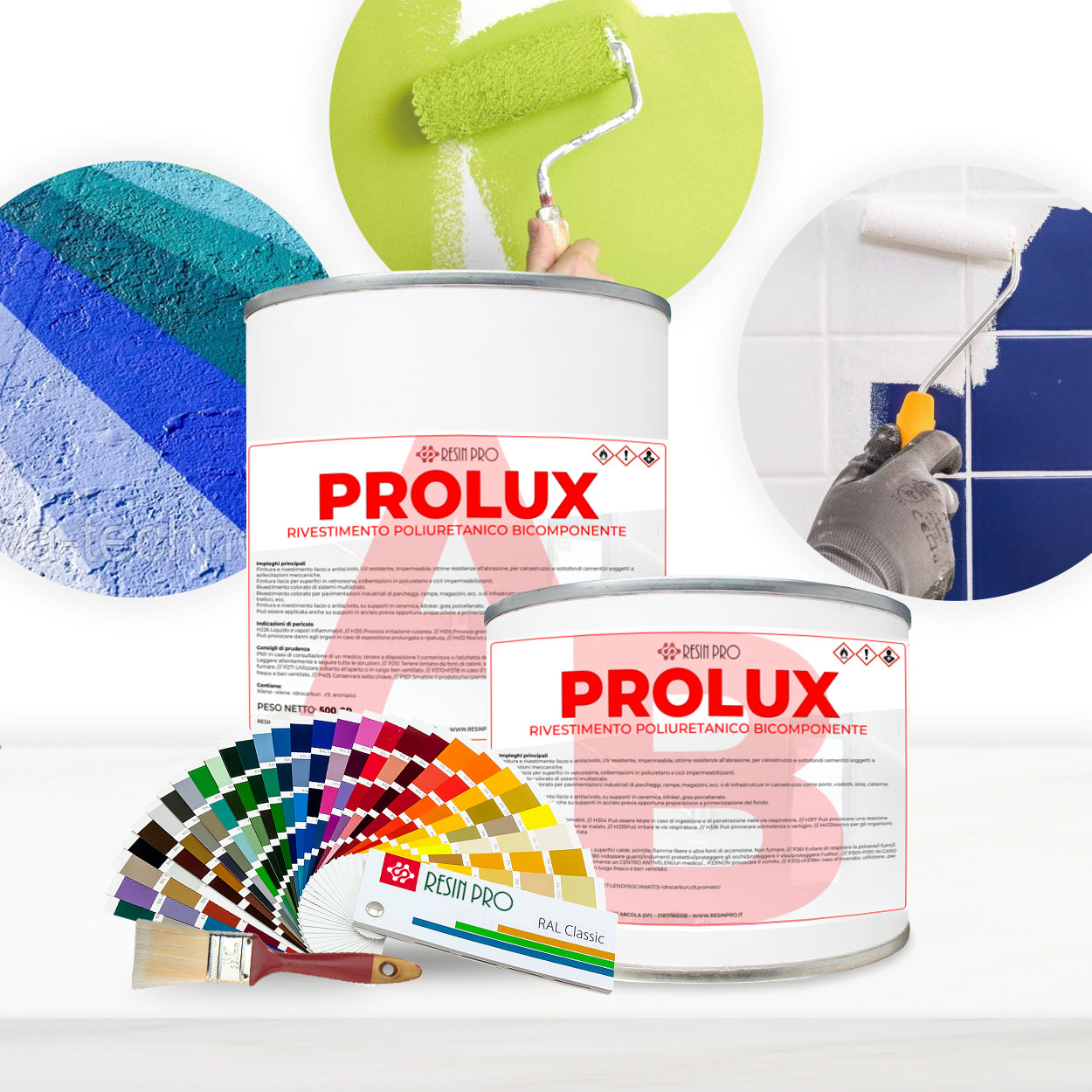
“Prolux” – PU coating for tiles, concrete, plastic and metal – suitable for driveable surfaces
Prolux is a professional-grade two-component polyurethane coating providing advanced protection against UV, abrasion, yellowing and weathering. Its tough, waterproof formula is suitable for damp and high-traffic areas like warehouses, external parking, and driveable surfaces. The coating is available in gloss or satin finishes and can be colour matched to any RAL shade, with anti-slip options for safety.
This CE-marked (EN 1504-2) product is excellent where maximum surface durability and colour customisation are desired.
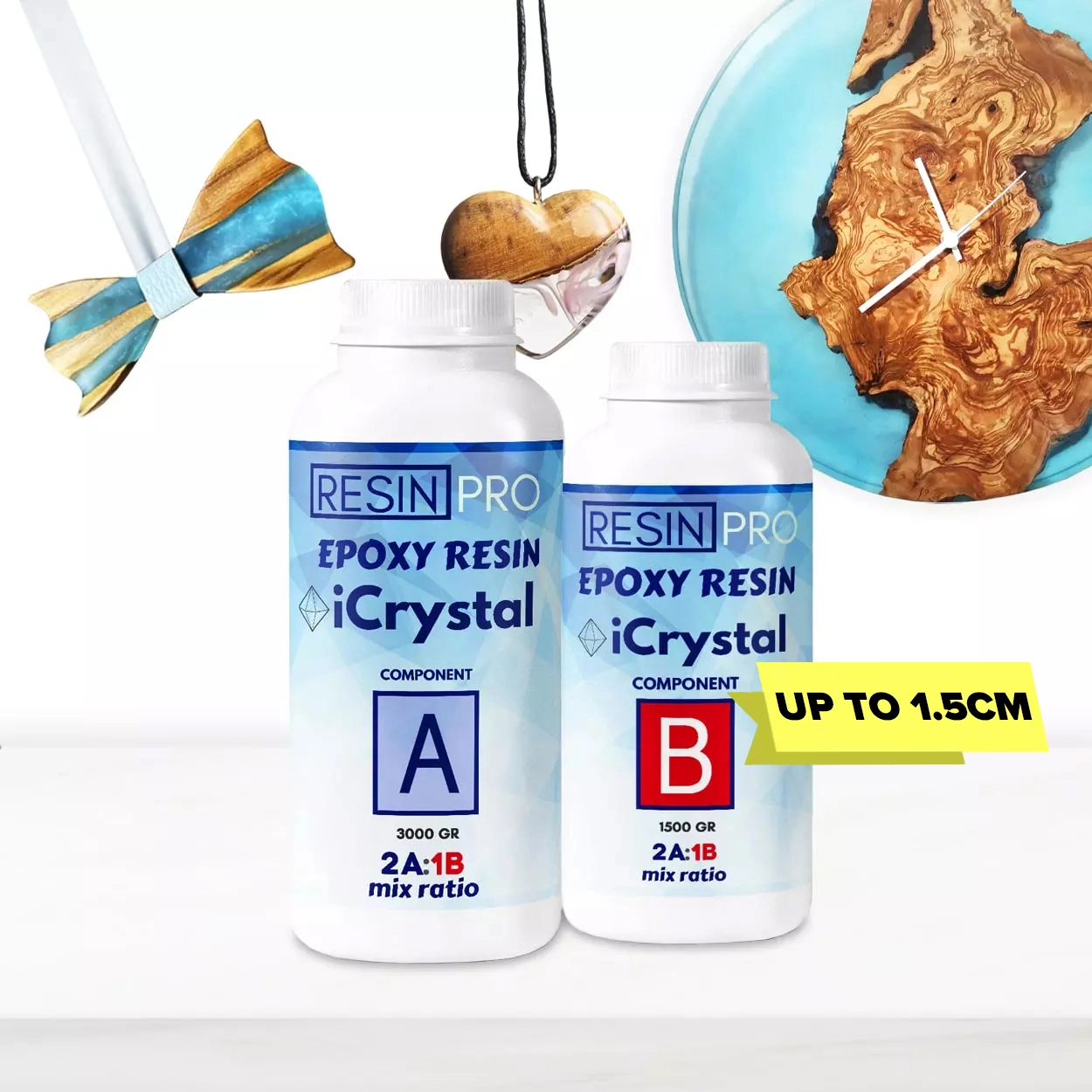
“Icrystal” – Clear Epoxy Resin – Odourless Formula – Up to 1.5cm
Icrystal is an odourless, transparent epoxy resin that achieves perfect transparency and high scratch resistance. Ideal for applications where visible substrates or creative designs must remain on show, it provides a protective overlay up to 1.5cm per application. The UV filter guards against yellowing, and its cruelty-free, vegan-friendly formula ensures environmental safety.
Choose Icrystal for artistic, decorative, or table and furniture projects where a high-gloss, durable finish is essential.
How to Select the Ideal Primer for Your Flooring Project
Selecting the best insulating fixative primer depends on your substrate (e.g., concrete, timber, tile), required cure speed, and the environment. Concrete or ceramic floors needing strong adhesion for epoxy coatings suit epoxy-based primers. For rapid waterproof sealing or driveways, opt for a methacrylic primer. High-traffic or outdoor areas benefit from polyurethane coatings due to their increased abrasion and UV resistance. Meanwhile, choose clear epoxy resin for projects that require both protection and transparency.
Always check substrate compatibility, application method, curing times, and any special requirements like anti-slip finishes. For more tailored options, visit our Interior, Floor primer category, or multipurpose epoxy resins collections.
Pro Tips for Flawless Primer Application
Thorough substrate preparation is vital: clean, dry, and repair all surfaces before priming. Allow the recommended curing time for each product, especially before applying additional resin or topcoat layers. Always match your primer to your project’s traffic level and environmental exposure for optimal longevity.
Frequently Asked Questions
Which fixative primer is best for concrete, wood, tile or screed floors?
For concrete and tiles, epoxy-based primers work well. Timber and screed benefit from water-based epoxy formulations. Polyurethane is suitable for driveable and high-traffic areas.
Is water-based epoxy primer safe for use indoors?
Yes, water-based epoxy primers are odourless and free from harmful fumes, making them safe for indoor environments.
How long should I wait before applying further coatings or using the floor?
Curing times vary: water-based epoxies typically take 24–48 hours, methacrylic primers dry in under 12 hours, and PU coatings require full drying per label.
What are the key differences between epoxy and polyurethane coatings for floors?
Epoxy creates a hard, adhesive layer, while polyurethane provides extra flexibility, UV and abrasion resistance, making it ideal as a topcoat.
Can clear epoxy resin be used directly as a floor primer?
Clear epoxy resin is mainly for decorative protection, not as a primary adhesive primer. It's best for visible overlays or artistic finishes.
Are anti-slip or safety finishes available for floor primers?
Dedicated PU coatings often offer anti-slip options—ideal for wet or high-traffic spaces where safety is critical.
Can insulating fixative primers be applied to outdoor surfaces like driveways or patios?
Yes, methacrylic and polyurethane-based primers are formulated for exterior use, offering weather, UV and moisture resistance.