 Free shipping on orders over £29,85
 Shipping Tracking!



 Google
 Facebook
Is the Fibreglass Repair Kit Suitable for Food Contact Surfaces?
← Back to DIY camper waterproofing
Quick answer
A fibreglass repair kit is not suitable for food preparation surfaces inside a camper. These kits combine polyester resin and fibreglass matting to create strong, waterproof structural repairs, but the cured surface is not designed as a food-contact material. In a campervan or motorhome, any surface that regularly touches food, drinks, or utensils should be treated separately from structural waterproofing. If a repair area could have food contact, plan for a dedicated food-contact-rated coating or an impermeable barrier.

It is easy to treat fibreglass work as a universal waterproof fix, but food surfaces bring different practical and hygiene expectations. The guidance below explains why the kit is better suited to structural areas, and how to keep any camper galley safely separate.
Why the kit is not recommended for food surfaces
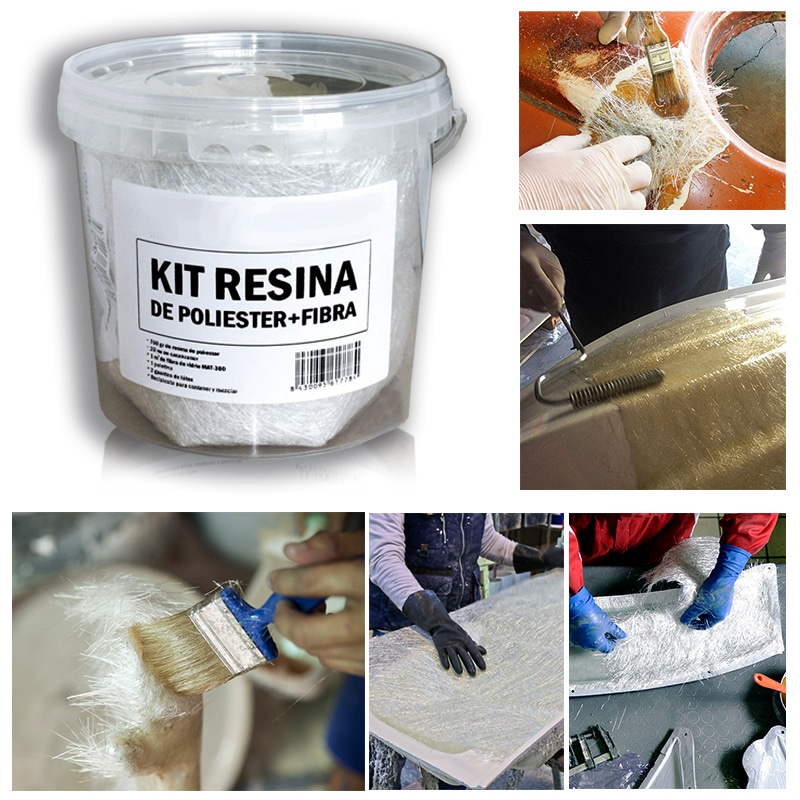
The Resin Fibreglass Repair Kit is built around polyester resin and fibreglass matting, which are formulated for structural bonding rather than food preparation. Once cured, the surface can be hard and waterproof, but that does not make it a food-contact material. Fibreglass repairs may have small surface pores, and repeated cleaning or food contact is outside the kit’s intended use.
For this reason, treat any area repaired with fibreglass as a structural surface only. If it will be near food, you should plan for a separate washable, food-safe barrier or worktop covering.
Practical ways to keep food areas separate
In a camper build, the simplest approach is to reserve fibreglass repairs for non-food zones. Exterior bodywork, roof patches, under-seat storage, and non-food cabinet backs are all more appropriate uses.
- Food-contact areas to avoid: worktops, chopping boards, draining boards, and sinks used for food washing.
- Better fibreglass uses: waterproofing exterior panels, repairing non-food storage boxes, or reinforcing structural corners.
- If a repair is near the galley: keep the fibreglass layer out of direct food contact and install a separate food-safe work surface over it.
When this matters most
This distinction is more important in smaller campervans where a single worktop may serve as both repair area and food prep space. If you are waterproofing the same compact surface you later use for chopping vegetables or resting utensils, the fibreglass repair should not be the final food-contact layer.
Taking time to plan that separation at the start avoids having to strip back a cured repair later.
Related products
Related guides
For structural waterproofing and general camper repairs, fibreglass kits remain a practical option. If you’re planning wider DIY camper waterproofing work, see the main DIY camper waterproofing guide for advice on where resin-based repairs belong.