 Free shipping on orders over £29,85
 Shipping Tracking!



 Google
 Facebook
Is Hardener Required for Polyester or Epoxy Repairs?
← Back to Preventing Water Leaks in Motorhomes
Quick answer
Hardener is an essential reactive component in both polyester and epoxy resin repairs. It triggers the chemical reaction that changes liquid resin into a solid, waterproof bond. Without it, resin remains tacky or uncured, so a reliable repair cannot form. The correct ratio and thorough mixing are critical because an imbalance can weaken the final result. For motorhome leak prevention, this curing step directly affects how well the repair seals against water.

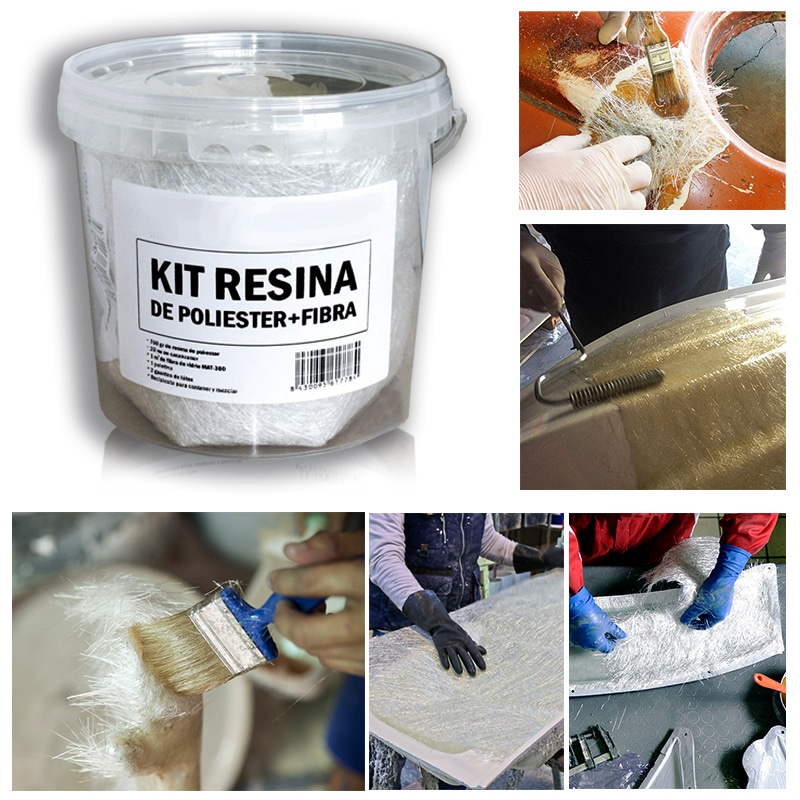
If you are repairing a crack, split or delaminated area on a motorhome, the hardener is not an optional extra. Polyester and epoxy systems both rely on a two-part reaction, but the way each behaves can differ. Understanding that difference helps you avoid soft patches, poor adhesion and water ingress later.
Why resin cannot cure without hardener
Polyester and epoxy resins are supplied as two reactive parts. The resin base contains the main polymer compounds, while the hardener introduces the catalyst or curing agent. When combined, a chemical reaction begins; the mixture first thickens, then gels, and finally hardens into a solid, waterproof layer. If the hardener is omitted, polyester resin may remain sticky indefinitely, while epoxy can stay soft or tacky.
The hardener is not just a drying aid. It controls the cure speed, affects working time, and influences the final strength of the repair. A repair that has not fully cured cannot provide a dependable water-resistant barrier, which is a particular concern on motorhome panels exposed to rain and road spray.
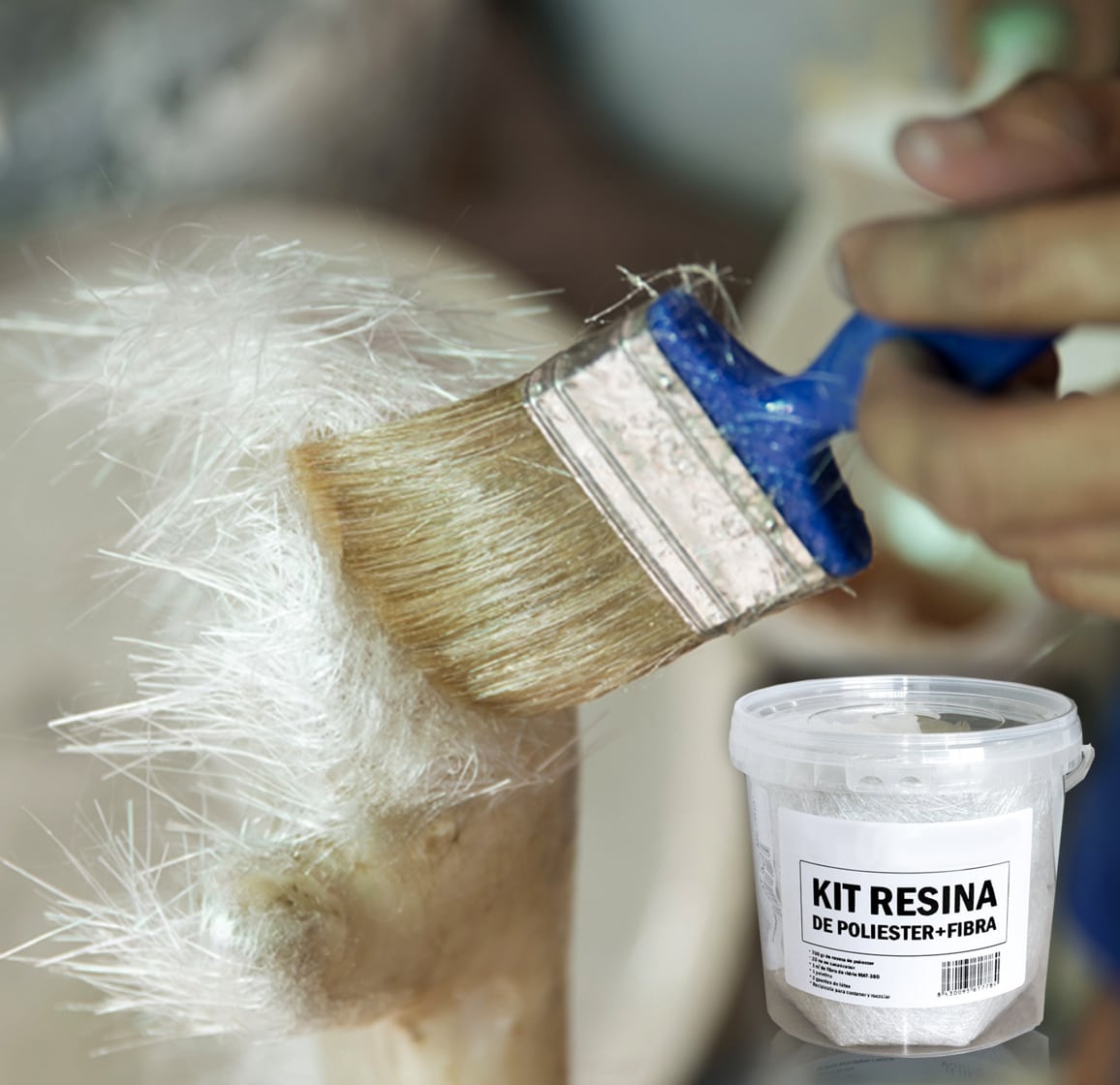
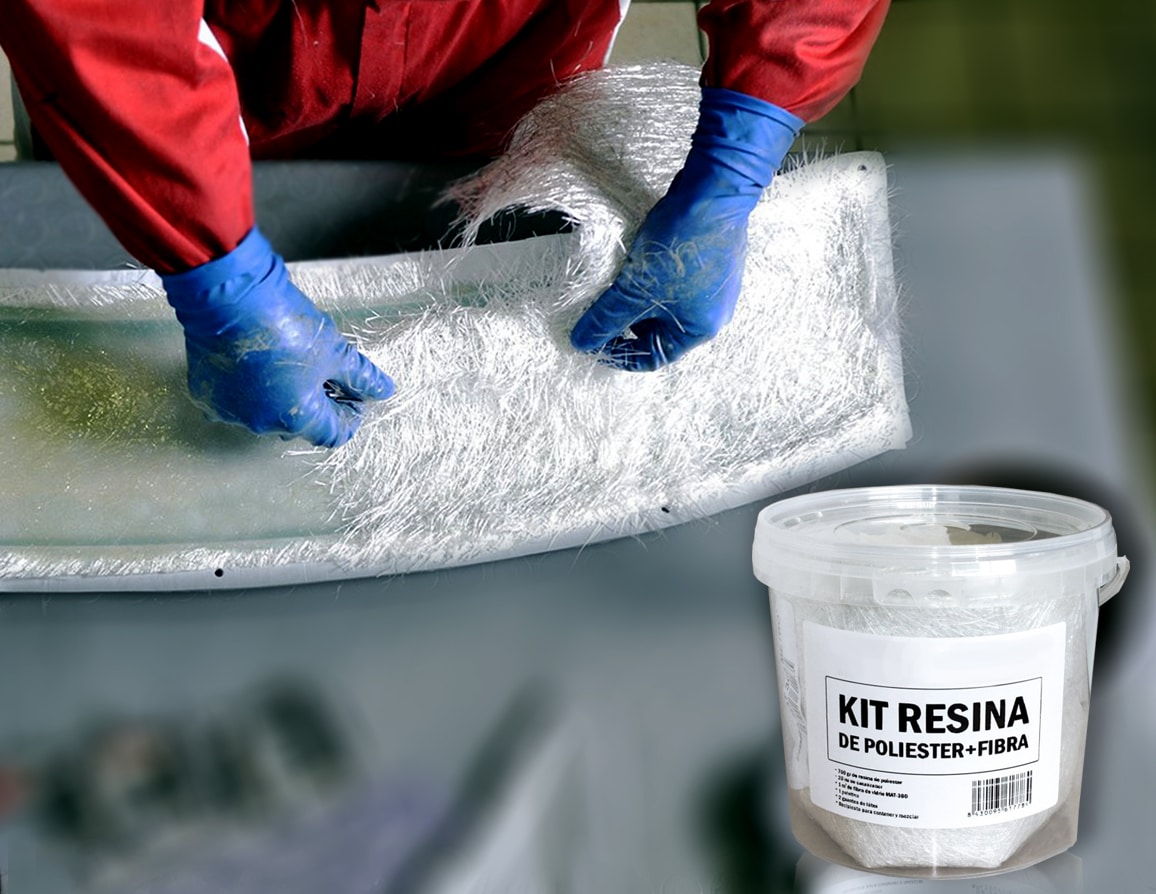
Polyester vs epoxy: what changes in practice
The need for hardener is the same, but the handling differs slightly. Polyester resin kits often use a small volume of catalyst measured as a percentage of the resin. Adding too much can shorten working time, while too little can leave the surface tacky. Epoxy systems usually require a more accurate resin-to-hardener ratio, so it is always best to follow the product instructions rather than guessing.
- Polyester: catalyst is typically added at a low percentage; mix thoroughly but work quickly.
- Epoxy: ratio accuracy matters more, and the two parts should be mixed until no streaks remain.
- Temperature: cool conditions can slow curing for both types, so avoid working on very cold surfaces.
When this matters for motorhome leak prevention
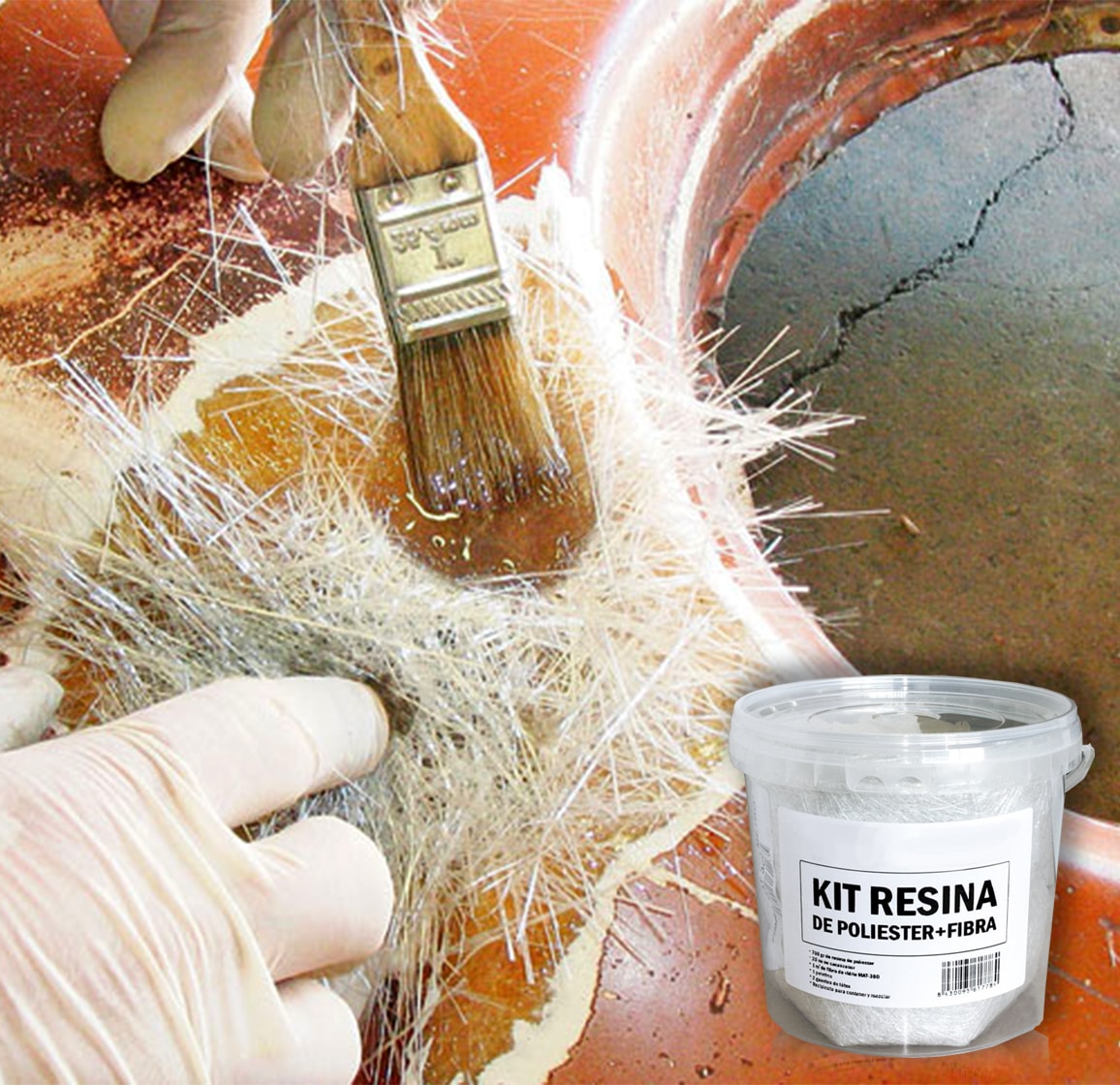
Hardener-related mistakes often show up later rather than immediately. A patch may look dry on the surface but remain uncured underneath if the two parts were not mixed evenly. On a motorhome, that can mean a repair that passes a quick visual check but still allows moisture through a crack or seam. Before applying resin over a leak-prone area, make sure the hardener has been incorporated fully and the mixed quantity is manageable within the working time stated by the product.
For larger or structural repairs, choosing a complete kit with the correct hardener included, such as the Resin Fibreglass Repair Kit – Complete Polyester Resin and Hardener Set, reduces the risk of mismatched chemistry. A small test mix can also help confirm the resin cures properly before committing to the repair area.
Related products
Related guides
Once the resin has cured fully, the repaired area should be checked just like any other part of a motorhome waterproofing routine. Understanding the hardener step is one part of preventing water leaks, and it sits alongside surface preparation, reinforcement and regular inspection. For more guidance, see the preventing water leaks in motorhomes guide.