 Free shipping on orders over £29,85
 Shipping Tracking!



 Google
 Facebook
Do You Need to Prepare Motorhome Surfaces Before Applying Resin, PU or Epoxy Coatings?
← Back to Bituminous Paint for Motorhomes
Quick answer
Surface preparation is an essential step before applying resin, PU or epoxy coatings to motorhome surfaces. Cleaning away dirt, grease and loose material, and lightly abrading smooth or glossy areas, creates a better key for the coating. This helps the finish adhere properly and reduces the risk of peeling, bubbling or premature wear after the motorhome returns to use.
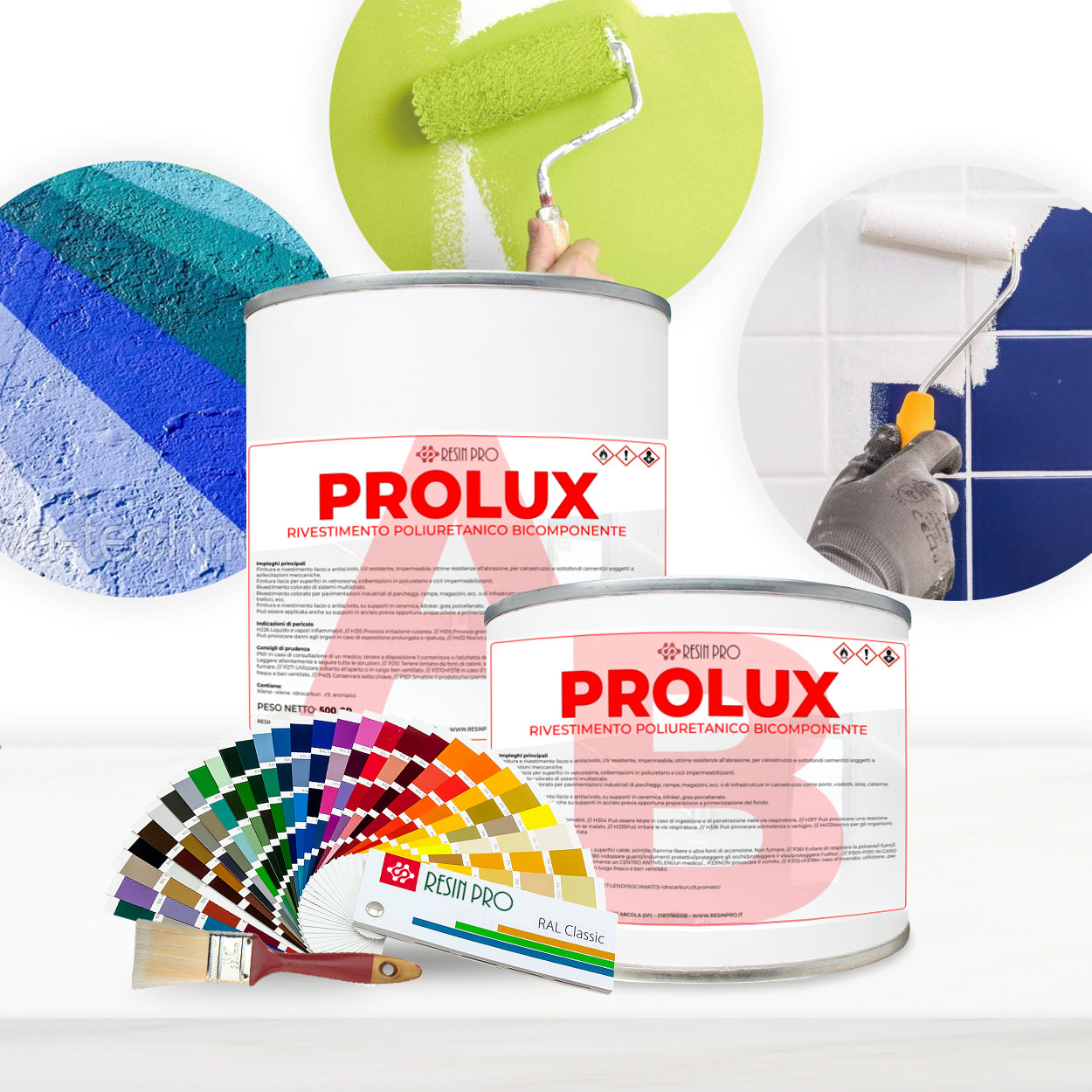
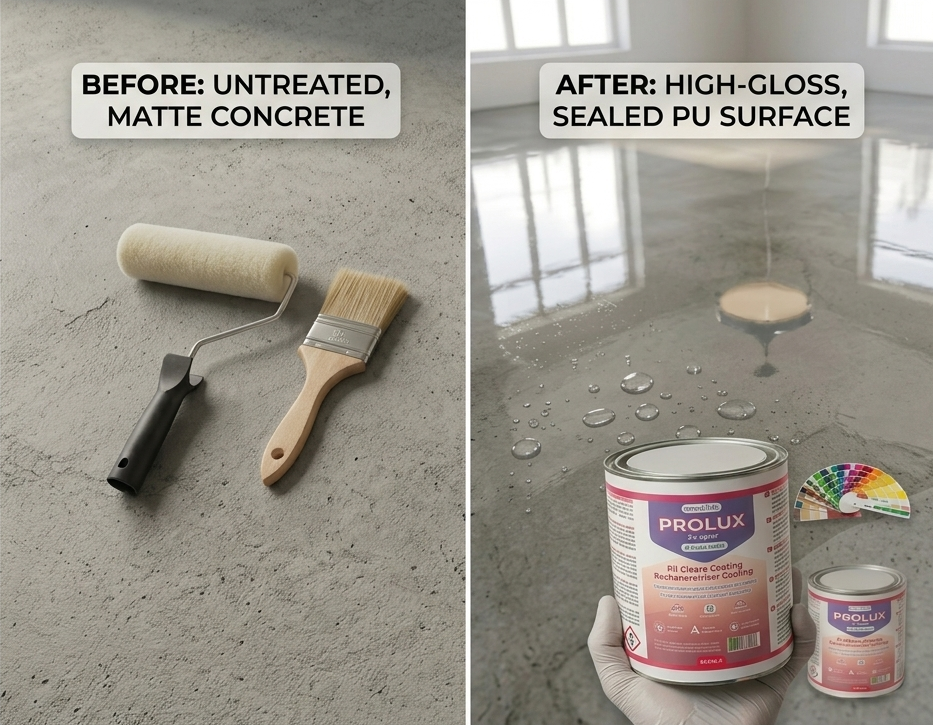
Most coating failures on motorhomes come down to poor preparation rather than the product itself. Even a high-performance PU or epoxy coating needs a clean, sound substrate to grip. The guidance below covers the practical checks and steps that make the difference between a short-lived film and a durable, long-lasting finish.
Why a clean, keyed surface matters
Resin, PU and epoxy coatings cure as a continuous film. If that film is laid over dust, wax, silicone, road grime or loose old paint, adhesion is weakened from the first day. Light abrasion on smooth substrates gives the coating a mechanical grip, while cleaning removes contamination that can act as a release layer.
- Removing old wax, grease and traffic film stops adhesion failure.
- Light sanding or scuffing helps on glossy gelcoat, metal and painted panels.
- Dry, dust-free surfaces allow the coating to cure evenly.
Practical preparation steps before coating
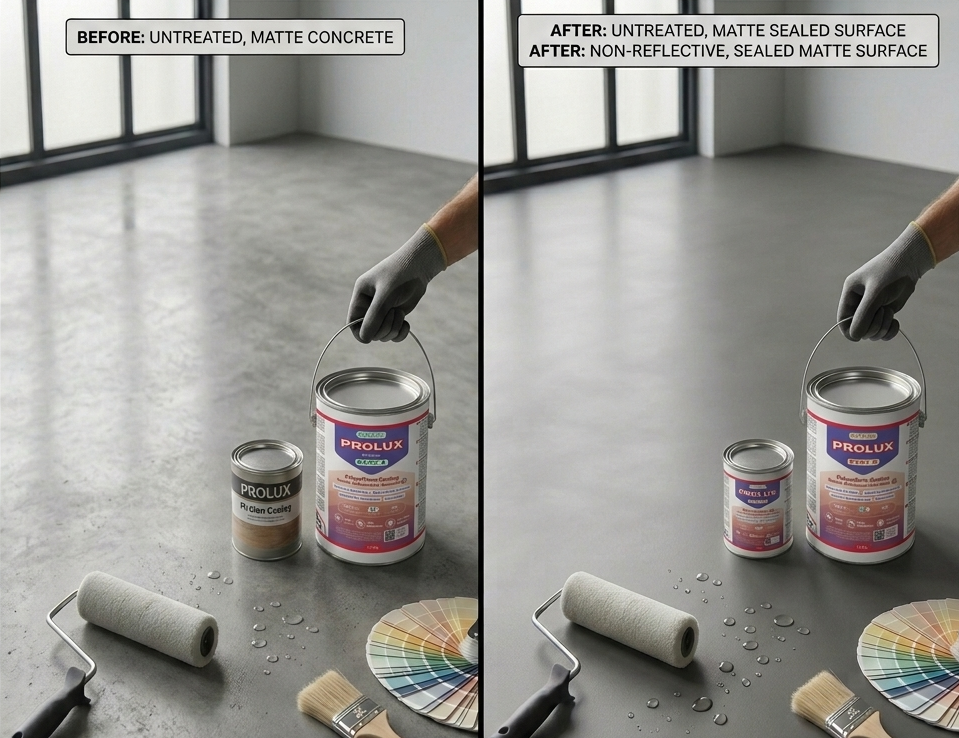
Start by washing the area with a suitable cleaner and allow it to dry fully. For motorhome surfaces such as fibreglass, metal or plastic, use a fine abrasive pad or sandpaper to take the shine off without cutting through the surface. Wipe away all sanding dust with a solvent wipe or tack cloth before mixing the coating. If the existing surface is flaking or unstable, remove loose material first; a sound base is more important than a thick coating.
Products like “Prolux” PU coating are formulated for properly prepared steel and other substrates, which reflects how important this step is.
When this matters most
Preparation is especially important on exterior motorhome areas exposed to rain, road salt and UV, on high-traffic step wells, and on previously painted or polished surfaces. In damp or exterior conditions, trapped moisture under a coating can cause clouding, bubbling or loss of adhesion. Taking time to dry the surface thoroughly before application is a low-cost way to protect the finished job.

Related products
Related guides
Good preparation is not an optional extra when applying resin, PU or epoxy coatings to a motorhome. It directly affects how well the coating bonds and how long it lasts in real-world use. For more on choosing the right protective finish for motorhome areas, see our bituminous paint for motorhomes guide.