 Free shipping on orders over £29,85
 Shipping Tracking!



 Google
 Facebook
Masonry or Cement-Based Roof Repairs
← Back to Waterproofing a roof hole in a van
Quick answer
Masonry and cement-based roofs are repaired most effectively with epoxy mastics formulated for mineral surfaces, including stone, metal, and cement. These two-component putties bond to porous substrates, fill cracks and voids, and offer weather resistance once cured. Their thixotropic consistency prevents sagging on sloped or vertical roof areas. For a durable waterproofing repair, the surface should be clean, dry, and above 10°C before application, and the mixed material should be pressed firmly into the damaged area to remove trapped air and create a solid, long-lasting fix.
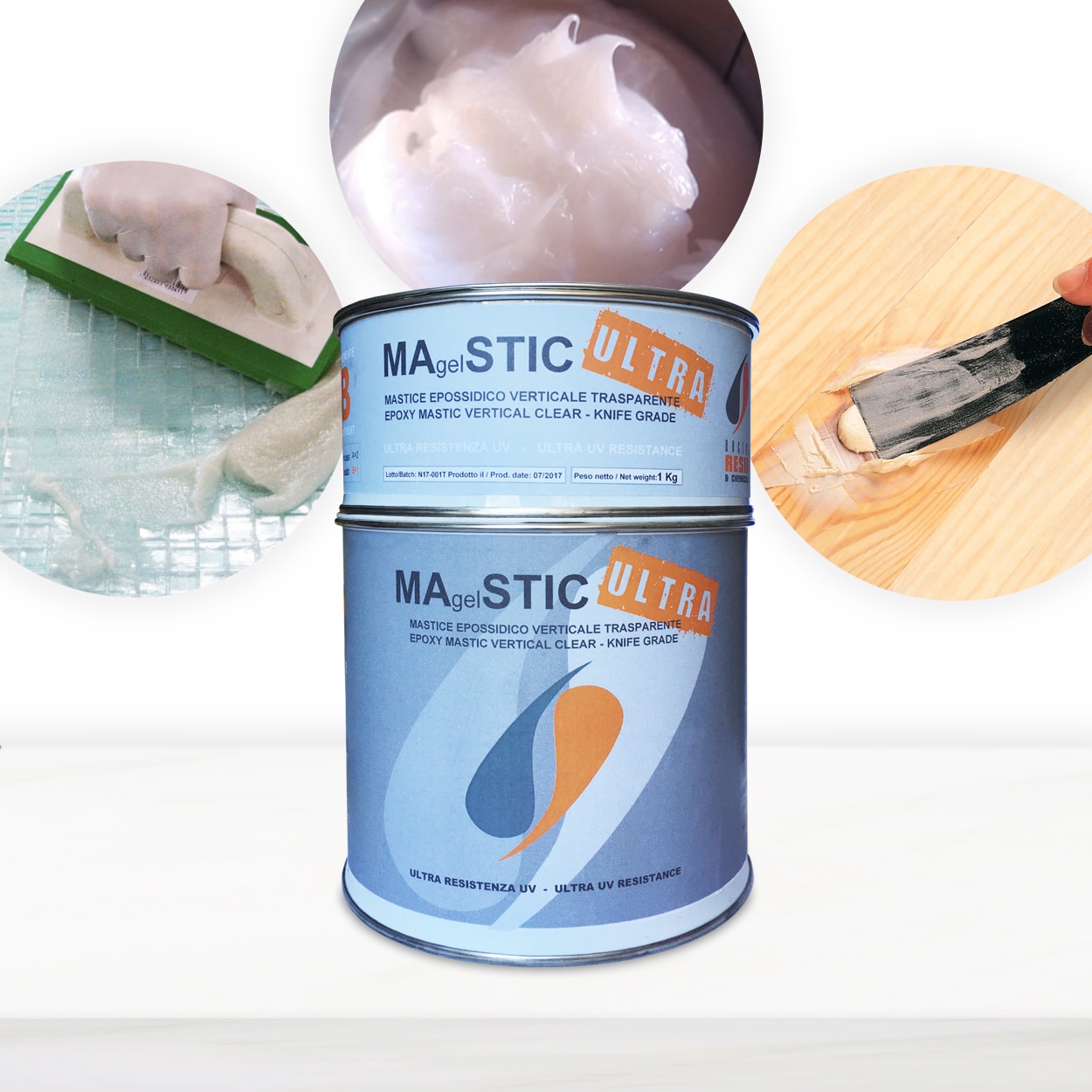

If you are dealing with a cement-based roof, choosing the right repair material makes a bigger difference than simply adding more sealant. A mineral-compatible epoxy mastic can grip the surface and remain workable on sloping sections, giving you a repair that is less likely to fail after the first weather cycle.
Why mineral substrates need a different approach
Cement, concrete, and masonry surfaces are porous and slightly alkaline. They can also move with temperature changes, so a repair material that bonds to minerals is usually a better choice than a general-purpose resin aimed at metals or plastics.
- Clean away dust, loose cement, and existing coatings before starting.
- Use a product explicitly described as suitable for stone, metal, and cement.
- Work in temperatures of at least 10°C to support proper curing.
Repairing cracks and holes in cement-based roofs
For small cracks and localised holes, a thixotropic epoxy mastic such as Magelstick Epoxy Mastic can be pressed into the defect. Because it resists running, it stays where it is placed on sloped or vertical areas. Once mixed, apply it in thin layers if the damage is deep, allowing each layer to firm up before adding the next.
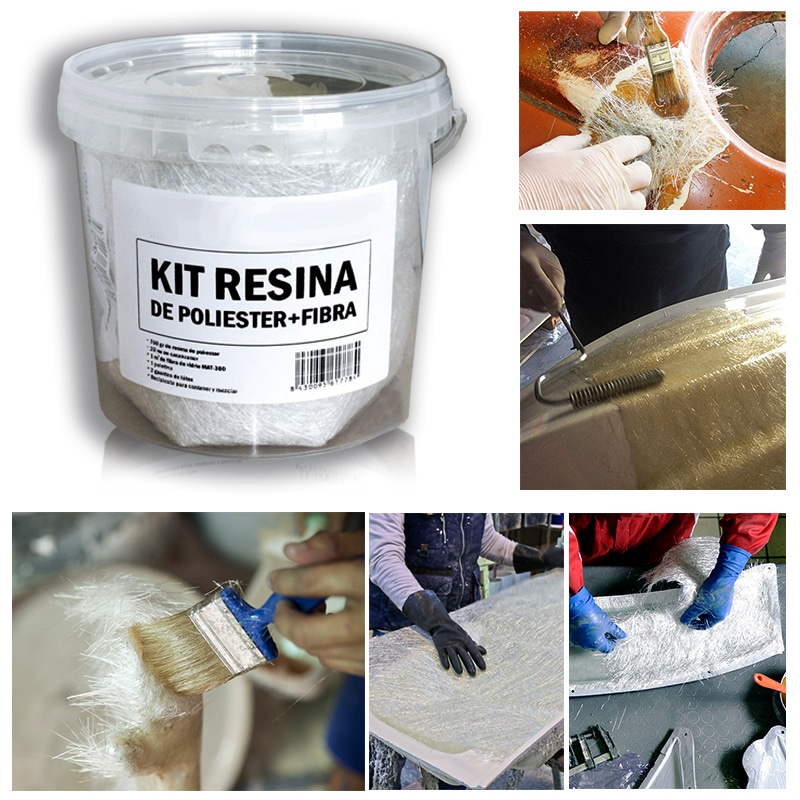
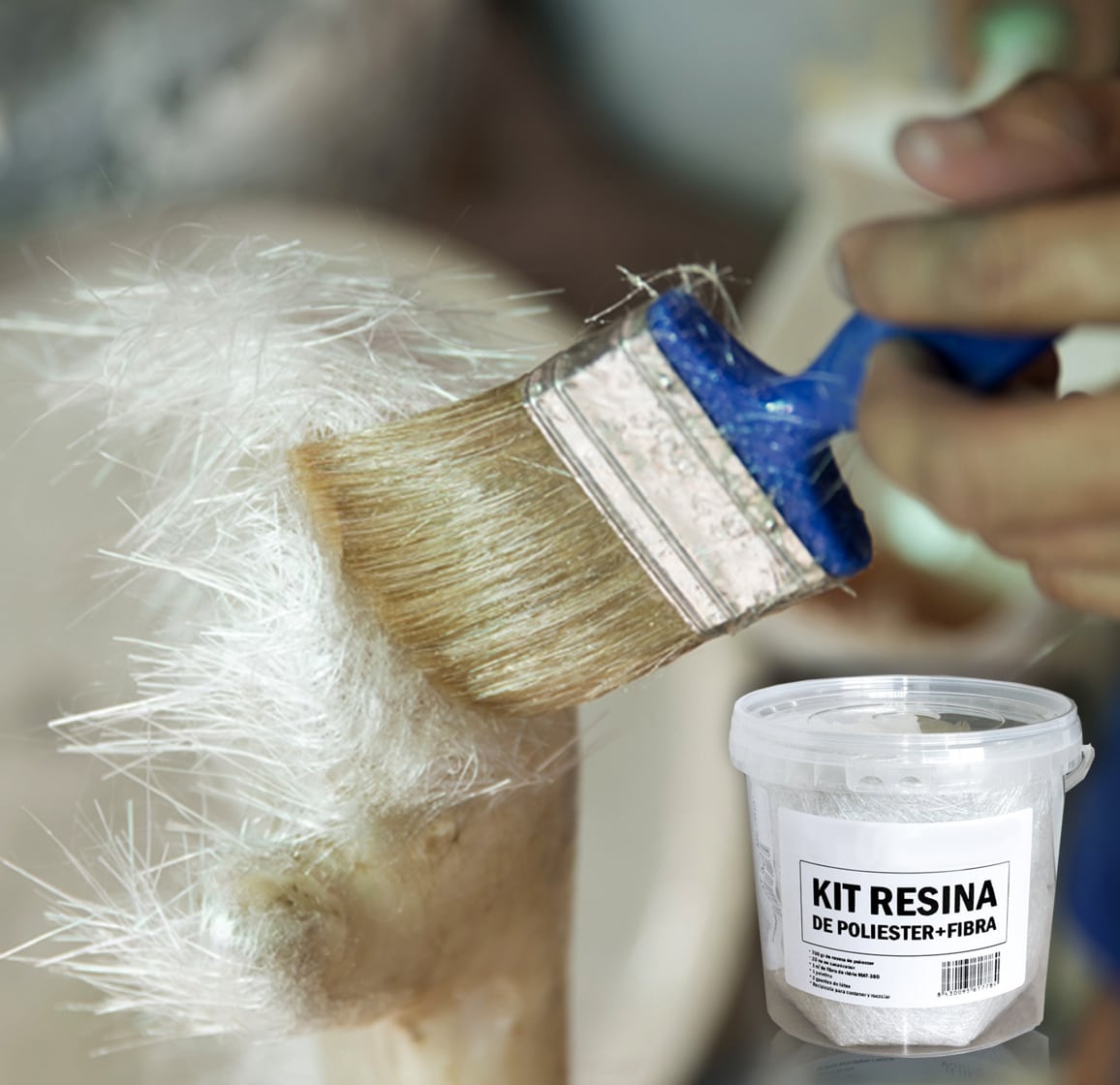
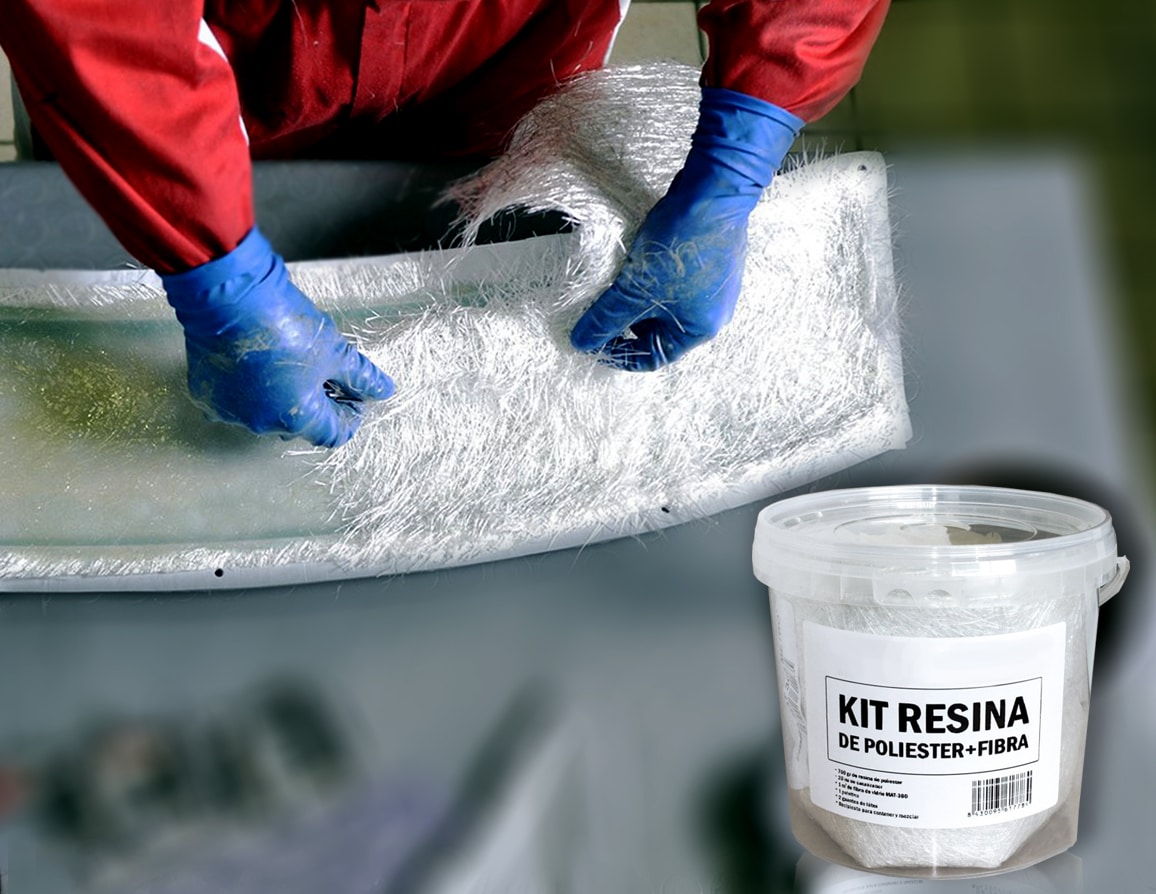
For larger roof holes, you may need to bridge the opening with a fibreglass mat and resin before applying a cement-compatible filler or coating. The aim is to rebuild the surface profile, not just cover the hole from above.
When this matters
This approach matters most on flat or low-pitch cement roofs, parapet junctions, and areas around roof penetrations. Water can sit in these zones for hours, so a repair that merely dries hard without bonding to the mineral surface is more likely to peel or crack. A weather-resistant epoxy mastic reduces that risk by staying bonded and maintaining a consistent repair.
Related products
Related guides
If your project involves a hole in a van roof rather than a masonry surface, the same principle applies: match the repair material to the substrate. You can return to the main waterproofing a roof hole in a van guide for vehicle-specific repair options.