 Free shipping on orders over £29,85
 Shipping Tracking!



 Google
 Facebook
Which Materials Suit the Heavy Duty Scraper for Renovation?
← Back to Moisture Absorber for Van
Quick answer
Heavy Duty Scraper material suitability covers wall coverings, floor tiles and paint. The tool is designed to remove these finishes during renovation, surface preparation and van fit-out work. Its sharp blade and secure grip support controlled scraping across flat or lightly textured areas. Using the right technique helps reduce surface gouging and blade wear. For tougher coatings, several passes may be needed rather than heavy force. Keeping the blade clean and replacing it when dull supports better results.
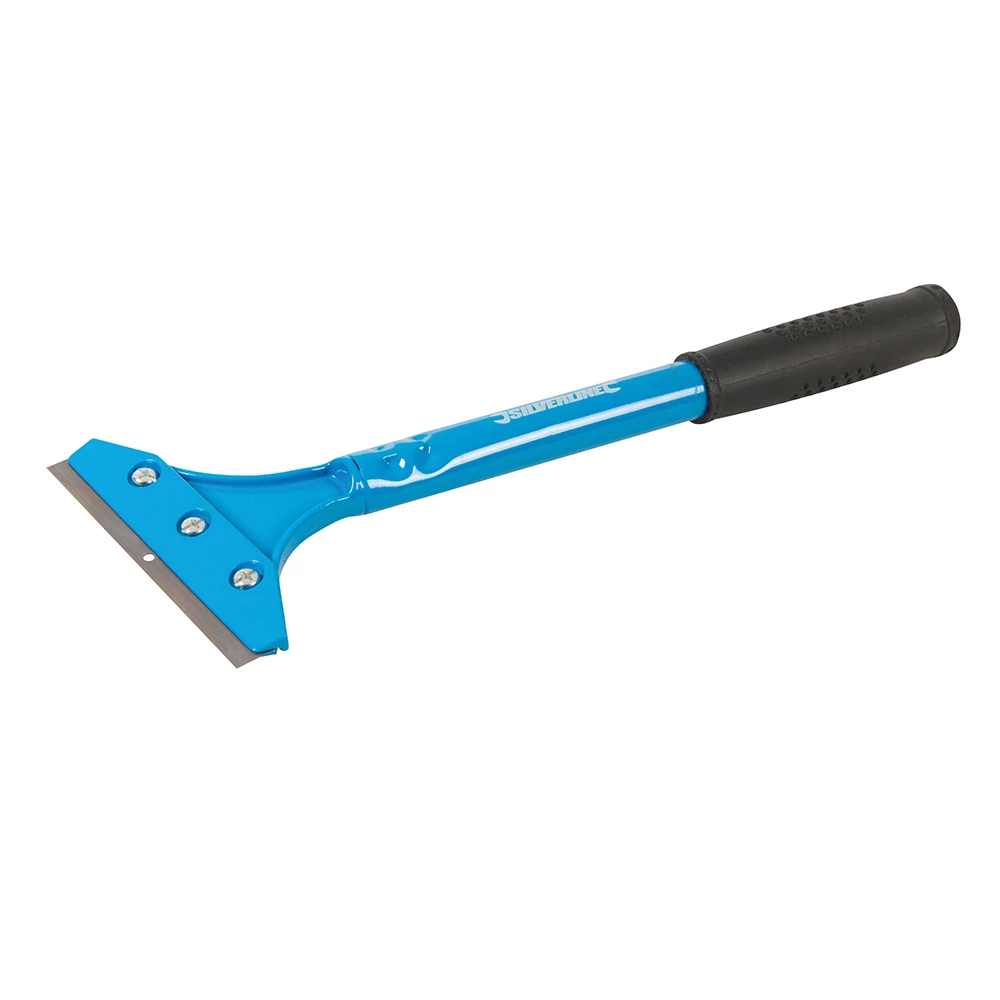

Most renovation jobs involve more than one material, so it helps to know where the Heavy Duty Scraper works best and when to switch tools. The guidance below covers common uses and a few practical checks before you start.
Wall coverings and wallpaper
The Heavy Duty Scraper for Paint and Epoxy Resin Removal is suited to lifting wallpaper, vinyl wall coverings and backing paper from flat walls. Use a shallow blade angle to separate the covering without digging into the plaster. For stubborn patches, lightly scoring the surface or applying warm water can soften the adhesive before scraping.
- Keep the blade at a low angle to reduce gouging.
- Work in sections so removed material does not re-stick.
- Reverse or replace the blade when it begins to drag.


Floor tiles, old adhesive and paint
Floor tiles and brittle adhesive can be lifted with short, firm strokes. The steel shaft provides useful leverage when working along grout lines or under tile edges. Hard ceramic or porcelain tiles may take more effort, but the scraper is intended for removal rather than cutting.
The same tool removes dried paint from smooth, flat surfaces such as timber, metal and primed boards. Heavily textured or flexible surfaces are usually better handled with a chemical stripper or sanding.
- Start at a loose edge or grout line.
- Use short, controlled strokes rather than twisting the blade.
- Protect the surrounding floor if tiles are likely to shatter.
When a heavy-duty scraper is the right choice
A heavy-duty scraper earns its place when old layers are firmly bonded but the underlying surface is flat and solid. If the material is soft, loose or unstable, a lighter tool may give better control. Checking the blade condition before each task helps avoid slips and keeps removal more predictable.
For van renovation, this often means stripping back paint or old coverings before cleaning and inspecting for damp. Removing loose material can make later moisture-control steps more effective.

Related products
Related guides
Once wall coverings, floor tiles and paint have been removed, the next stage is usually to dry and prepare the surface. That is where the wider moisture-absorber-for-van approach becomes relevant, because clean and dry surfaces are easier to inspect, repair and protect against condensation.