 Free shipping on orders over £29,85
 Shipping Tracking!



 Google
 Facebook
What Materials Can These Waterproofing Products Repair?
← Back to Camper Waterproofing Services
Quick answer
Camper waterproofing repair products are formulated to bond with a range of structural and surface materials, including fibreglass, metal, wood, rigid plastics and properly prepared steel. Their suitability depends on the specific resin or coating, so a product designed for wooden fixtures may differ from one intended for roof panels or floor coatings. In most cases, the surface must be clean, dry and lightly abraded before application to achieve a reliable waterproof seal.

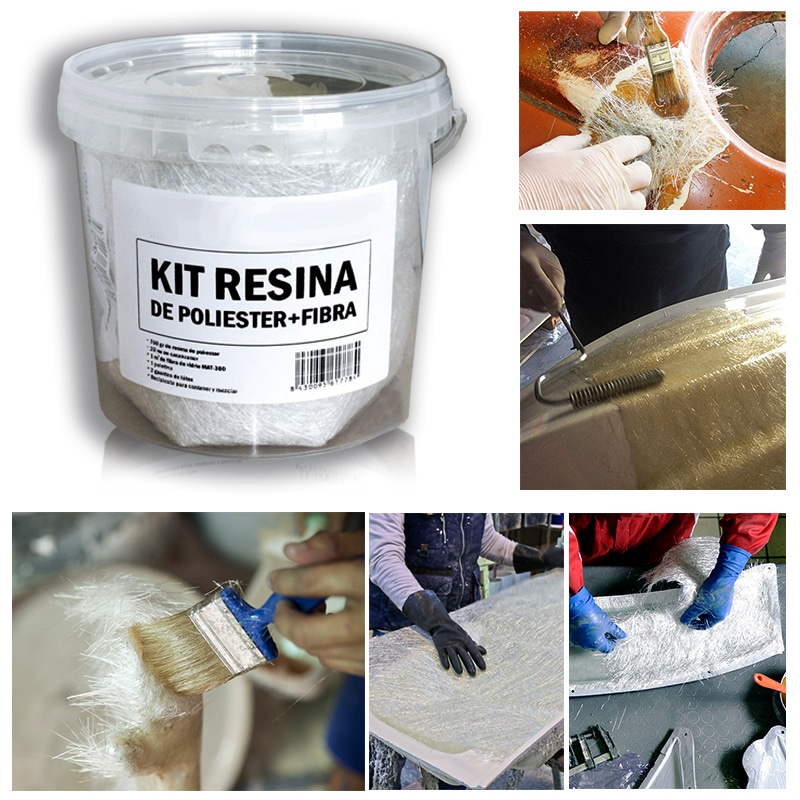
On a typical camper, you’re likely to encounter several material types in one repair job — a fibreglass roof edge, a steel bracket, or a plywood interior panel. The products covered here address those common combinations, but the individual product data sheet remains the best reference for unusual substrates.
Common camper materials these products can repair
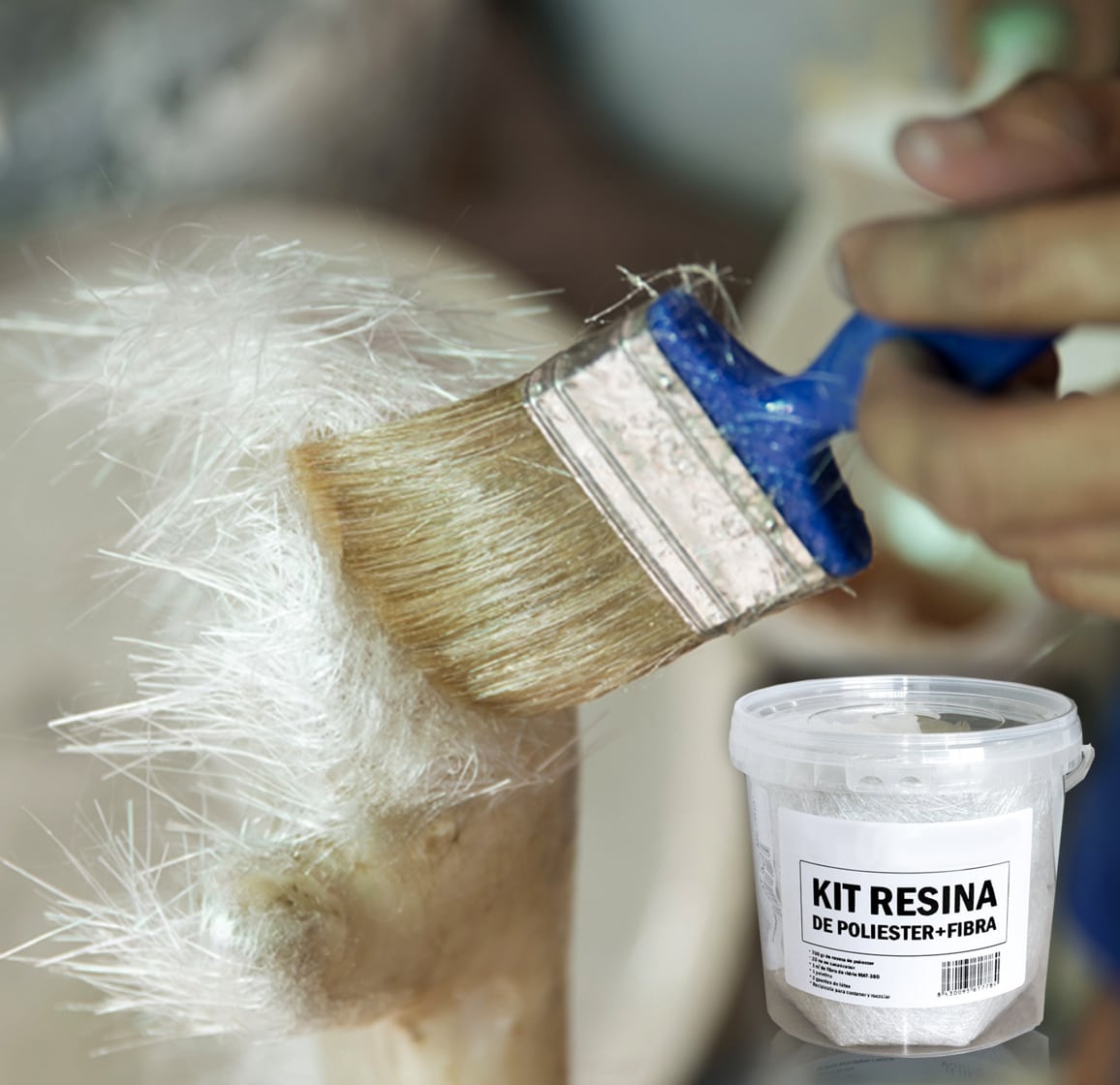
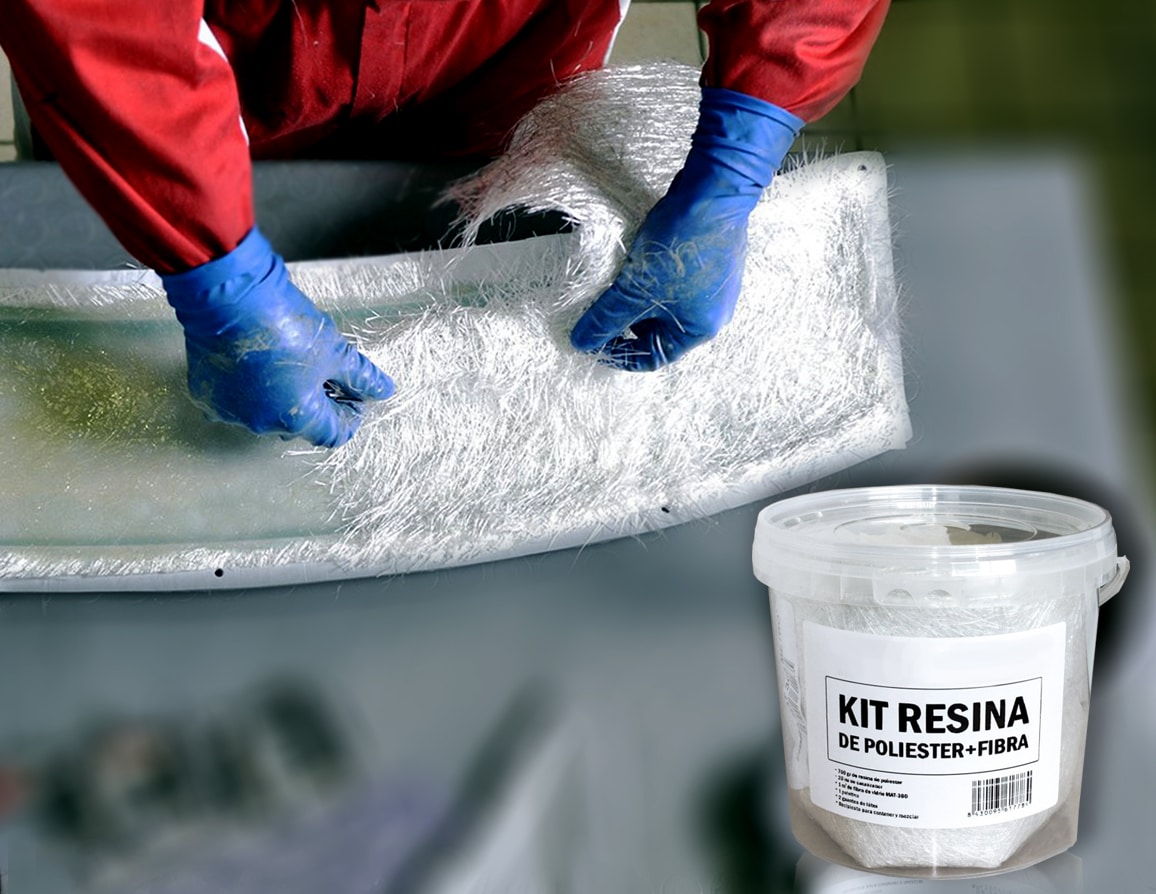
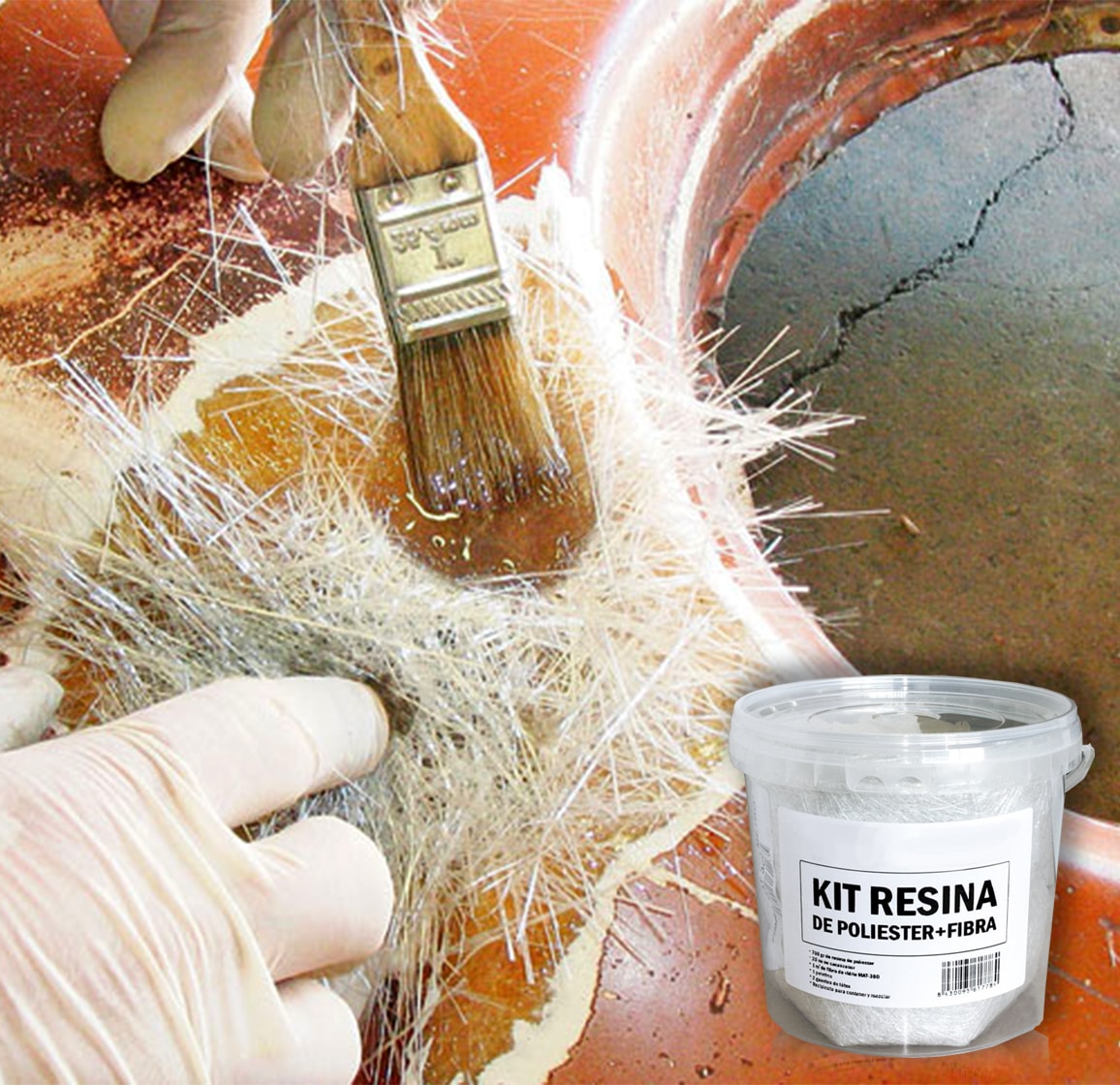
Waterproofing repairs on campers often involve more than one material. Fibreglass panels, metal trim, plywood fixtures and rigid plastic components are among the surfaces typically listed as compatible. The Resin Fibreglass Repair Kit, for example, is suitable for fibreglass, metal, wood, porcelain, polyester and most rigid plastics.
Properly prepared steel is also commonly repairable, but bare or smooth metal normally needs cleaning and abrasion first so the resin or coating can grip effectively.
Matching the product to the surface
Different products suit different tasks. A low-viscosity wood restoration resin such as EpoxyWood can penetrate dry timber, while a two-component polyurethane coating like Prolux is designed for harder surfaces including tiles, concrete, properly prepared steel and fibreglass.
- Fibreglass and rigid plastics: polyester-based repair kits and fibreglass fillers.
- Wood: penetrating epoxy wood restoration products on dry, sanded timber.
- Metal and prepared steel: coatings and reinforced fillers after degreasing and keying the surface.
When this matters for camper waterproofing
Material compatibility becomes more important when a repair has to survive movement, weather changes and road vibration. Using a product on the wrong substrate can lead to early cracking or peeling. For most campers, the safest approach is to identify the base material before choosing a kit, and test a small area if the surface is uncertain.
Proper surface preparation — degreasing, sanding and ensuring dryness — is often the difference between a waterproof result and a failed patch.
Related products
Related guides
Once you know the materials involved, selecting a compatible repair product is more straightforward. For further guidance on preparation or sealing methods, see the main camper waterproofing services hub.