 Free shipping on orders over £29,85
 Shipping Tracking!



 Google
 Facebook
Microporous Oils Let Wood Breathe While Sealing Out Everyday Moisture
← Back to Waterproofing Wooden Roofs
Quick answer
Microporous oils are protective wood finishes that repel surface water while allowing water vapour to pass through the timber’s natural pores. This breathable quality helps reduce trapped moisture, which can cause swelling, cracking and rot. On wooden roofs and exterior joinery, the finish seals out everyday rain and spills without fully sealing the wood, so internal moisture can still evaporate. The result is a more stable surface that weathers better over time.
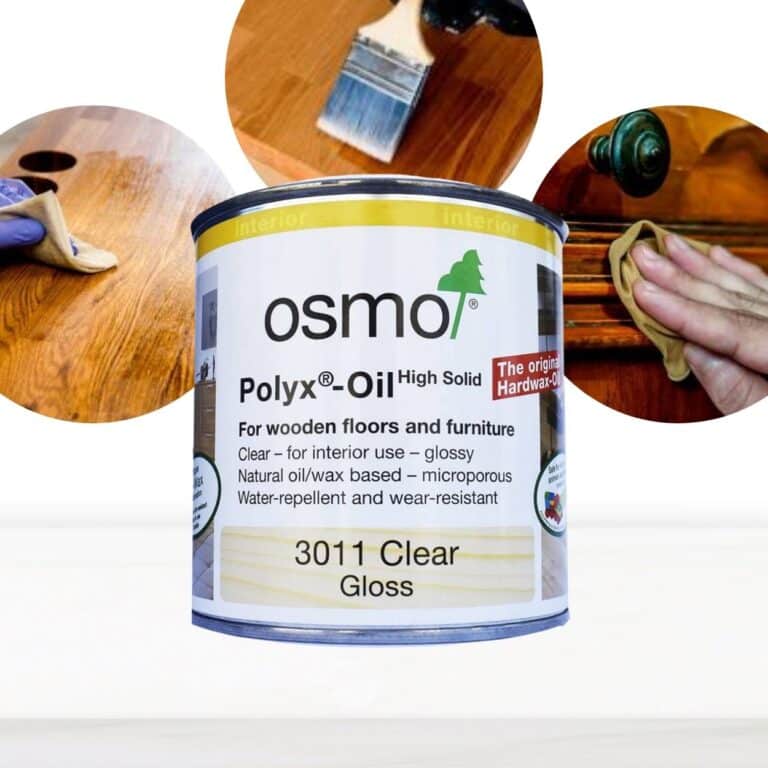
This breathable behaviour matters most on exterior timber that sees regular rain, morning dew or trapped condensation. A finish that fully seals the surface can hold moisture inside the wood, while a microporous oil lets that moisture escape. Products like Osmo Hard Wax Oil are built around this principle, offering water resistance without sealing the timber completely.
How Microporous Protection Works
Microporous oils and hard wax oils work differently from film-forming varnishes or solid epoxy coatings. Instead of sitting on top as a continuous skin, they penetrate the outer timber fibres and leave the surface pores open. Water droplets bead on the surface, but water vapour can still move out as the wood dries.
That balance is useful because exterior timber is rarely completely dry. Sun, rain and temperature changes cause moisture content to shift. A breathable finish reduces the internal pressure that can lead to cracking, flaking or trapped damp behind a sealed film.
Why It Matters for Wooden Roofs
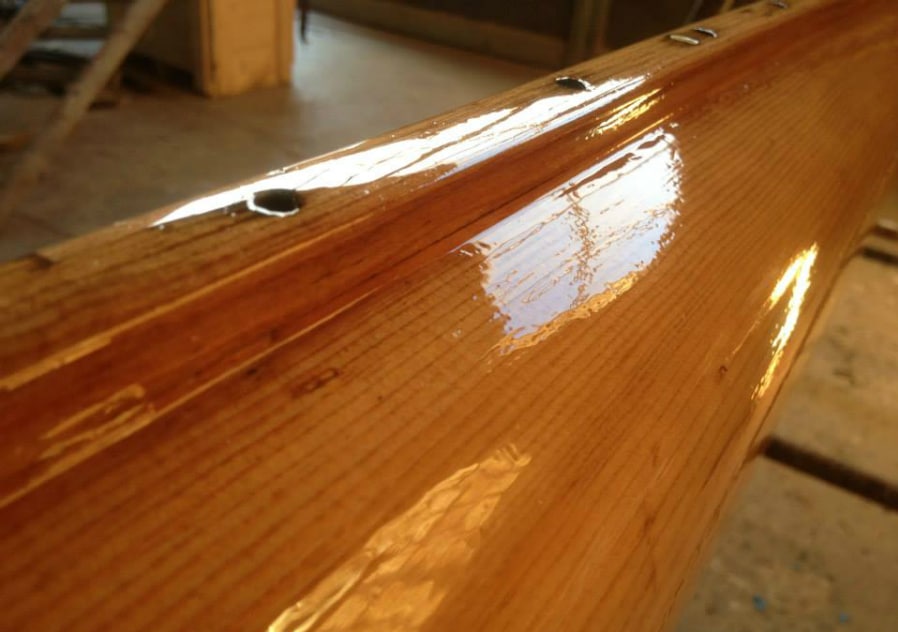
Wooden roofs and covered outdoor structures face a mix of direct rain, splashback and condensation from below. If moisture becomes trapped in the timber, the risk of rot and fungal decay increases over time. Using a microporous finish helps the wood shed everyday water while still releasing moisture vapour from within.
When this matters: This approach is especially relevant for timber pergolas, shed roofs, log stores, cladding and other structures that are exposed to weather but not fully enclosed or climate-controlled. In these conditions, a breathable coating often performs better than a hard, fully sealing film.
Application and Maintenance Tips
Preparation makes the biggest difference. The wood should be clean, dry and free from loose fibres, dust or old flaking coatings. Apply thin, even coats with a brush or roller, allowing each coat to dry before the next. Thin coats tend to absorb more evenly than one heavy application.
- Work in mild, dry conditions rather than in direct strong sun or rain.
- Wipe away excess product after a short dwell time to avoid a sticky film.
- Expect to refresh high-wear areas more often than sheltered sections.
- Spot repairs are usually possible without sanding the whole surface.
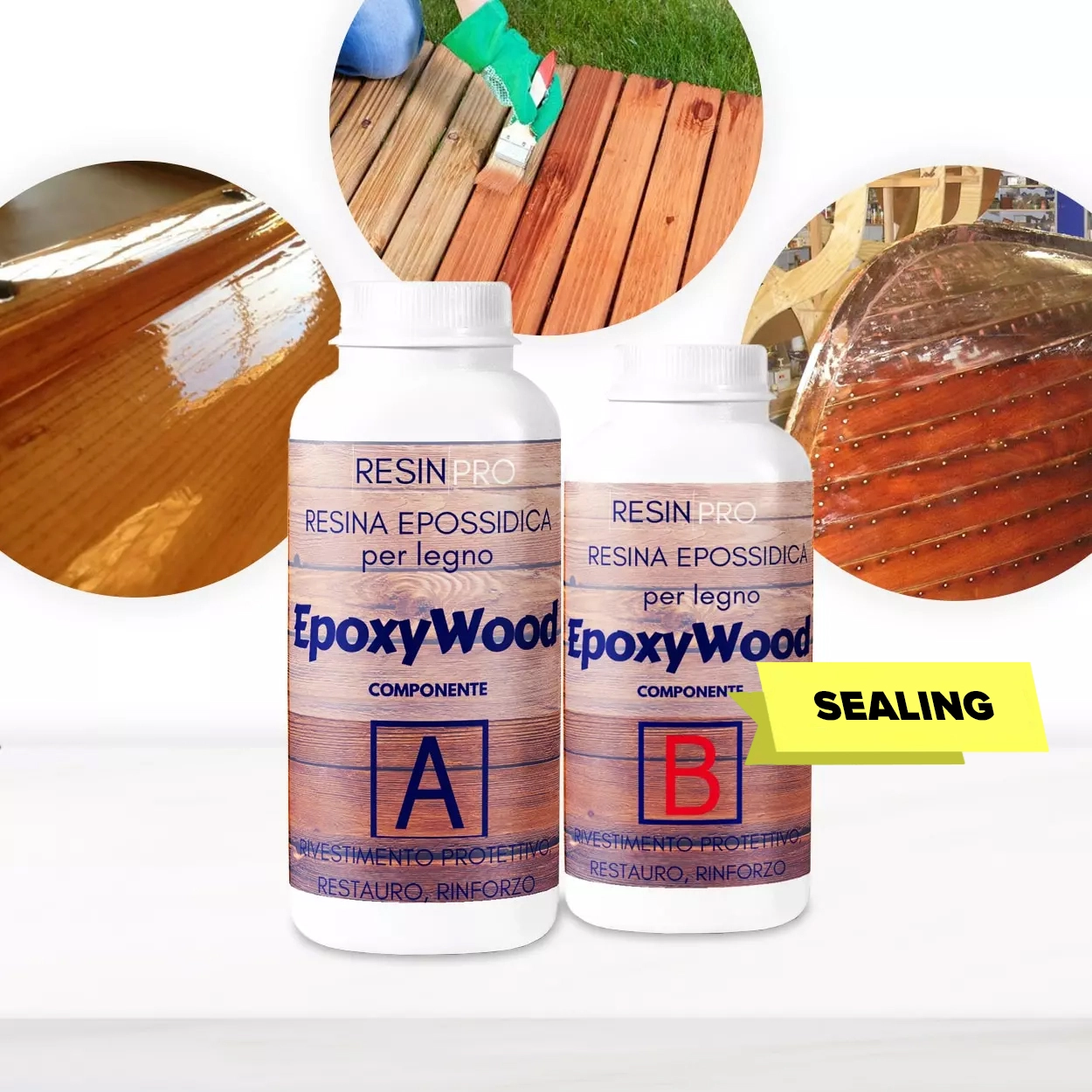
If the timber is soft, badly cracked or structurally weak, a microporous oil alone may not be enough. In those cases, a deep-penetrating wood restorer such as EpoxyWood can be used first to reinforce the wood, followed by a breathable finish for weather protection.
Related products
Related guides
Microporous oils are a practical first line of defence for sound timber roofs, balancing everyday water resistance with the moisture release that exterior wood needs. They fit naturally into a wider waterproofing approach alongside reinforcing resins and regular maintenance. Choosing a breathable finish early can help preserve the structure and appearance of wooden roofs for longer.