 Free shipping on orders over £29,85
 Shipping Tracking!



 Google
 Facebook
Is a Topcoat Needed After Using Fibreglass Putty?
← Back to Quick Camper Roof Maintenance
Quick answer
Fibreglass putty repairs are not normally left as the final surface. After the putty has cured and been sanded, a polyurethane or similar topcoat seals the repair, protects the filled area from moisture and weathering, and creates a uniform finish. On a camper roof, this topcoat helps stop water sitting in the sanded filler and gives the patched section a consistent appearance alongside the surrounding surface.
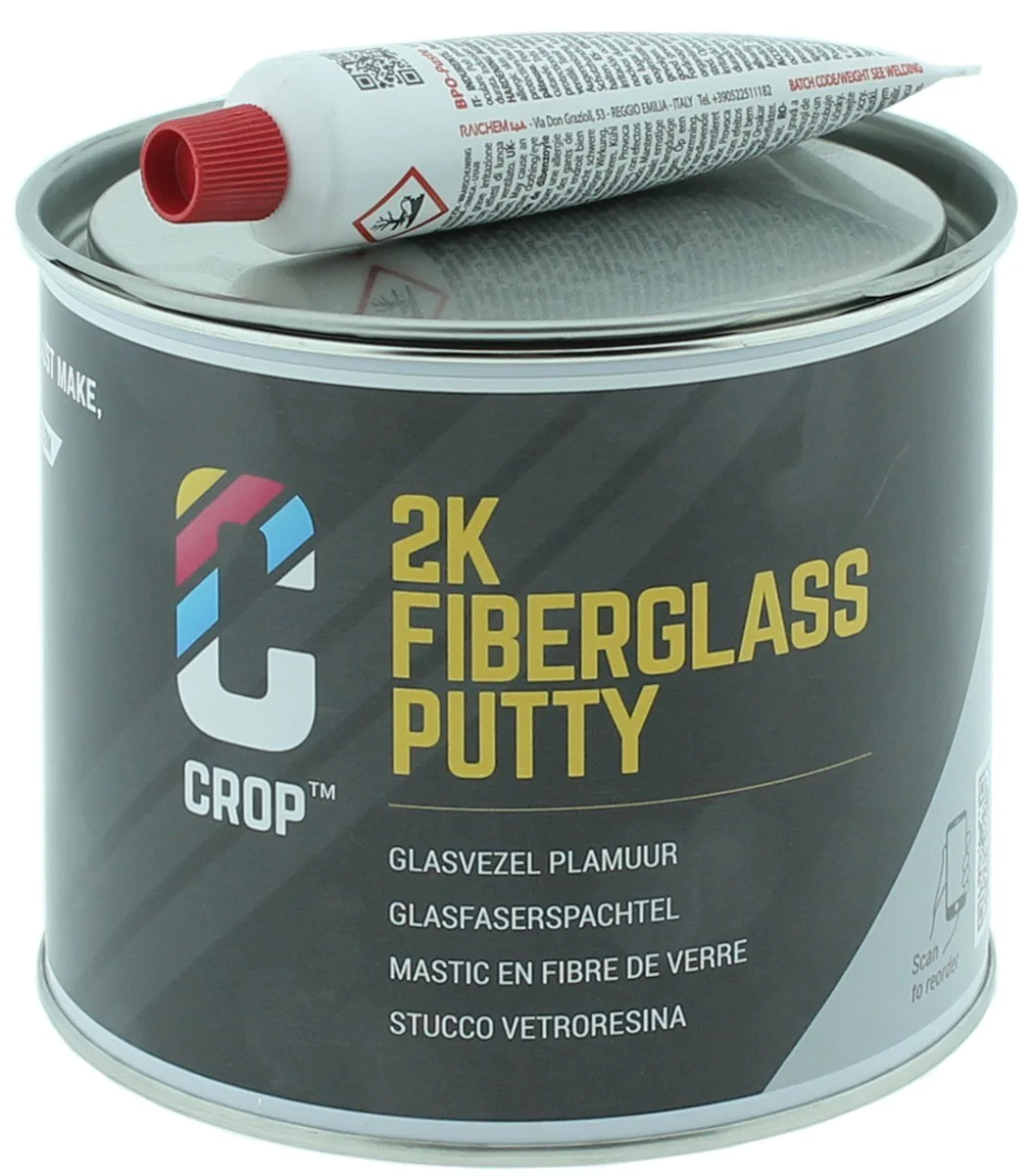

Once the repair has been sanded flat, it can feel dry and solid but still remain slightly open to moisture. Adding a topcoat is a small extra step that reduces the chance of water creeping under the edges of the repair. For camper roofs, a polyurethane coating such as Prolux offers a practical way to seal and finish the area.
Why fibreglass putty needs a topcoat
Fibreglass putty, like CROP 2K Fiberglass Putty, is designed to fill cracks, dents and small cavities, but it is not usually intended to be the outermost layer. After sanding, the surface can be fine and slightly porous, especially where the putty meets the original roof material. A topcoat seals that boundary and helps prevent water from finding a way into the repair.
A polyurethane topcoat also provides a uniform colour or sheen, making the repaired area less noticeable. This is useful on camper roofs where patches can otherwise show as dull or uneven spots.
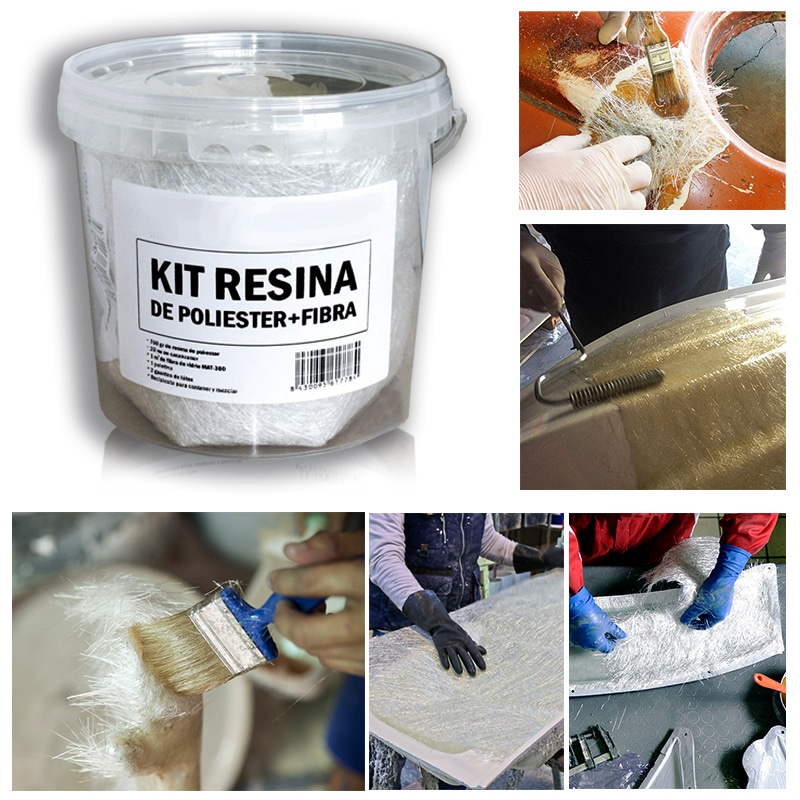
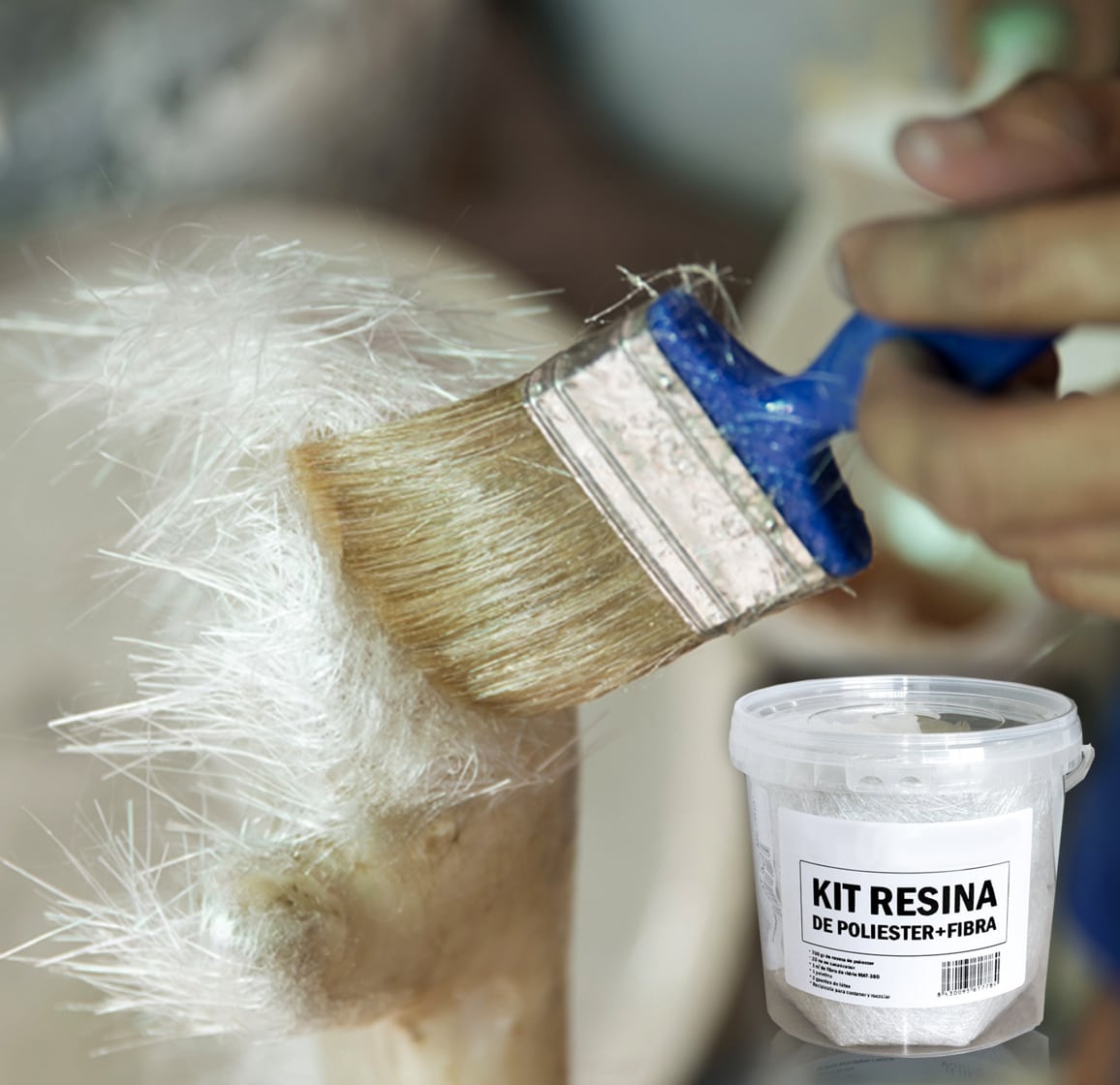
Preparing the repair before topcoating
The putty must be fully cured before you sand it. Once hard, flatten the repair with progressively finer abrasive so the edges blend into the surrounding surface. Remove sanding dust with a clean, dry cloth or light wipe, then check the surface is dry and free from grease before applying the topcoat.
- Wait until the putty is hard throughout, not just dry on the surface
- Sand the filled area level with the roof line
- Clean off dust and allow the area to dry completely
- Follow the topcoat manufacturer’s instructions for mixing and application
When a topcoat matters most
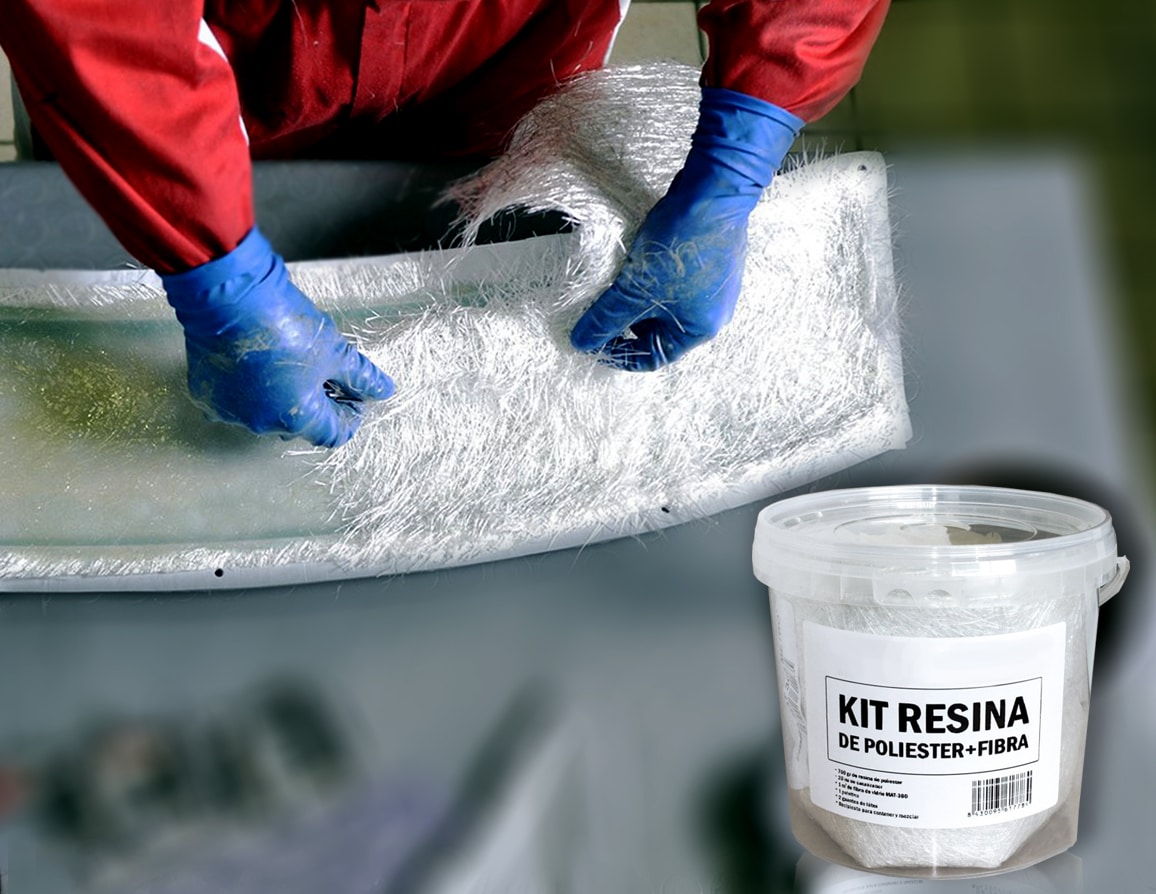
A topcoat is particularly worth adding when the repair is exposed to standing water, heavy rain, or strong sun. On a camper roof, water can pool around roof lights, seams and edges, so a sealed finish helps keep the repair stable over time. If the area will be painted, the topcoat can also act as a sound base layer for the final colour coat.
For small, internal patches that stay dry and out of sight, the practical need is lower, but exterior roof repairs generally benefit from the extra protection.
Related products
Related guides
In most camper roof repairs, treating fibreglass putty as a preparation layer rather than the final finish leads to a longer-lasting result. A polyurethane topcoat is a straightforward way to seal the repair and tie it back into the roof surface. See the main Quick Camper Roof Maintenance guide for more advice on fast roof upkeep.