 Free shipping on orders over £29,85
 Shipping Tracking!



 Google
 Facebook
Can Epoxy Products Be Used Outdoors on Caravans?
← Back to Waterproofing a Caravan with Joints
Quick answer
Epoxy and polyester repair products are commonly used outdoors on caravans where joints and exterior seams are exposed to weather. Many modern formulations include UV and weather resistance, which helps them maintain adhesion and appearance on exterior joints. Polyester-based fibreglass kits, two-component epoxy mastics and fast epoxy adhesives can all be suitable, provided the product is selected for the substrate and application. Outdoor suitability varies by formulation, so checking UV stability and temperature requirements before use remains important.
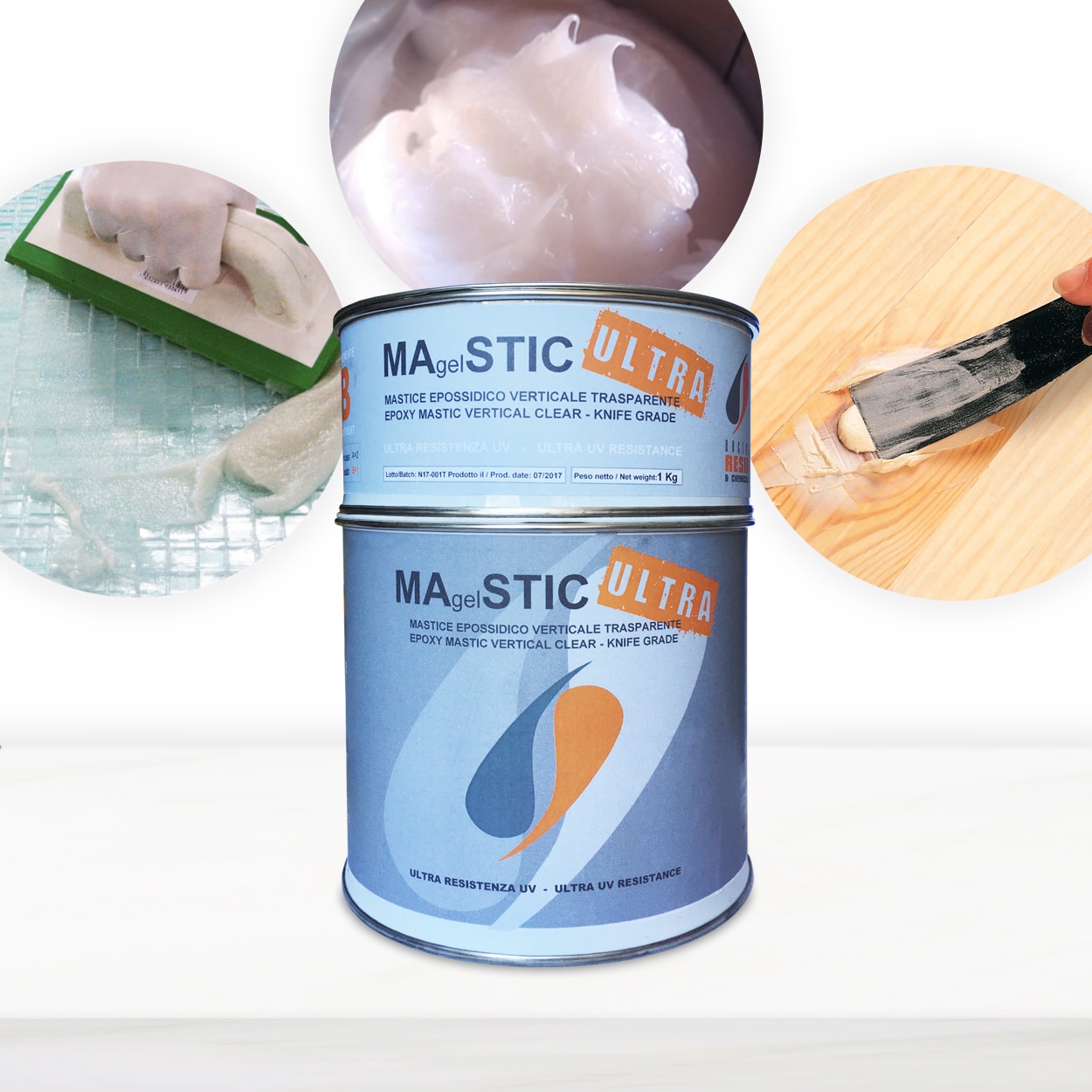

The key is matching the resin system to the repair rather than assuming every epoxy is outdoor-stable. A vertical awning rail joint has different needs from a cracked fibreglass panel, so the right product may be a sag-resistant mastic, a structural polyester kit or a quick-setting adhesive.
Which products suit outdoor caravan joints
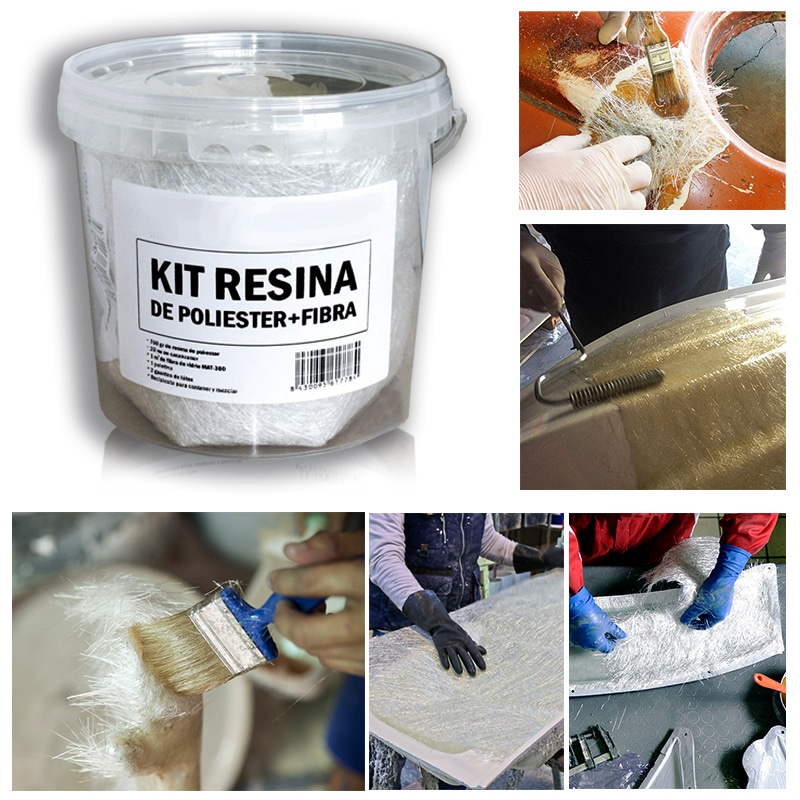
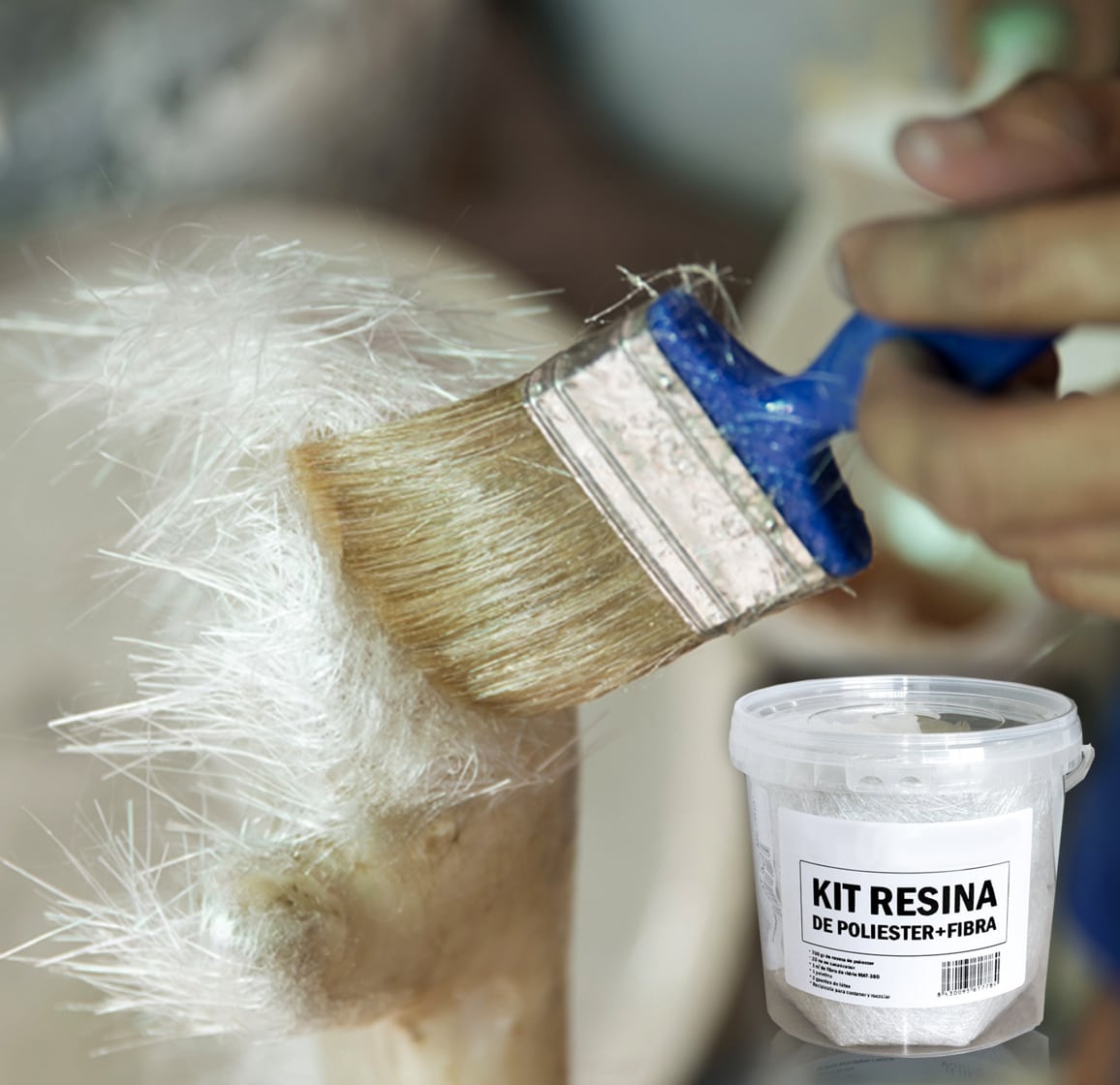
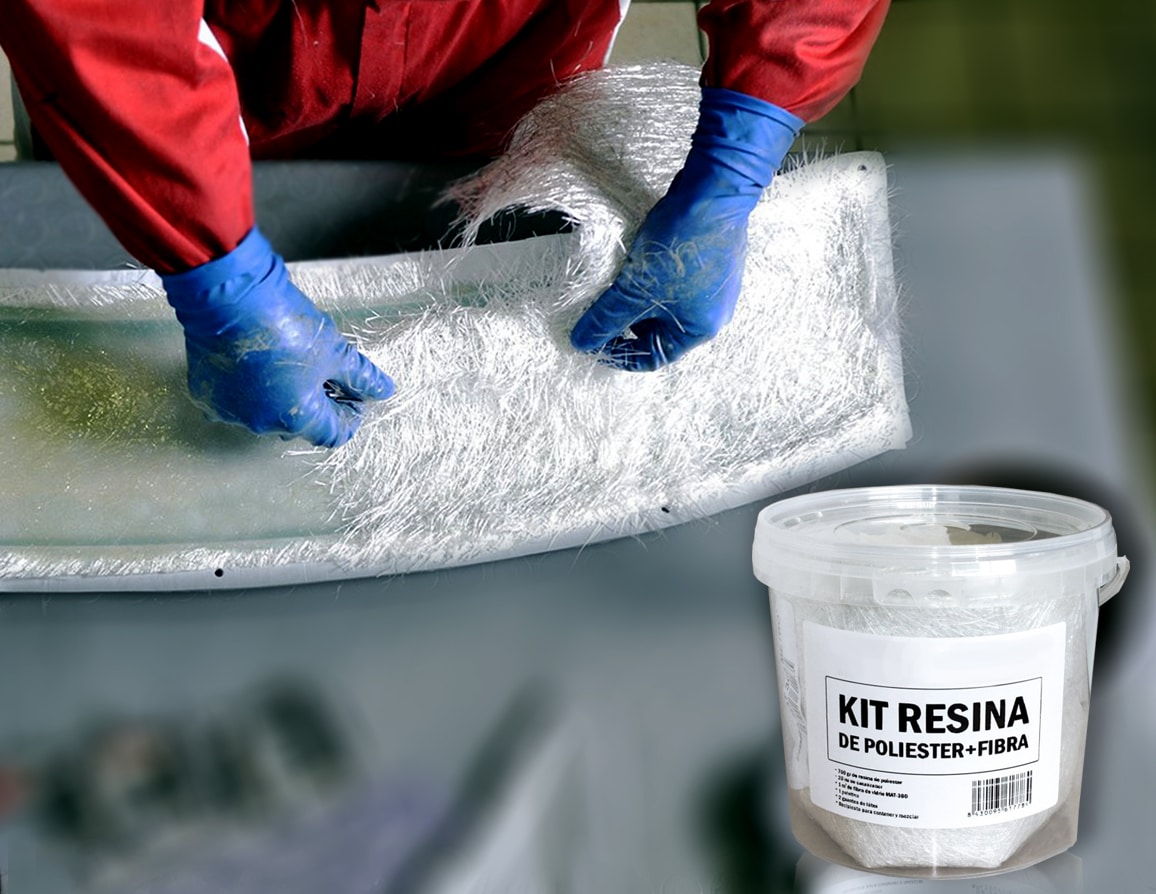
Several resin systems can work outdoors on caravans, but the formulation matters. Epoxy mastics with a thixotropic consistency stay in place on vertical seams and are often labelled as UV and weather resistant, which helps when sealing roof edges or awning rail joints. Polyester-based fibreglass repair kits offer a different route, building up a rigid waterproof layer over cracks or weakened areas. For small bonding tasks, a fast two-component epoxy glue can be practical, especially where quick setting and moisture resistance are useful.
A good starting point for vertical exterior joints is the Magelstick Epoxy Mastic, which is formulated to resist UV and weather exposure while reducing sag on upright surfaces.
What to check before applying outdoors
Outdoor use adds variables such as rain, condensation, temperature swings and direct sunlight. Before applying any epoxy or polyester product, check the manufacturer’s stated application temperature and curing time. Some two-component systems have a minimum application temperature, often around 10°C, which can affect early spring or late autumn caravan work. Clean and dry the joint thoroughly, removing old sealant, oxidation or loose material, and follow the mixing ratio carefully.
- Substrate compatibility: confirm the product is suitable for fibreglass, metal, aluminium or the specific plastic used on the caravan.
- Weather resistance: look for UV and weather resistance if the repair will stay visible.
- Sag control: for vertical joints, a thixotropic putty or mastic tends to be easier to apply without running.
When this matters for caravan waterproofing
Exterior caravan joints are often the first point where water finds a way in, so using an indoor-only adhesive or filler can create a weak point that fails after a few seasons. Weather-resistant epoxy and polyester products are generally a better match for seams exposed to sun and rain. This is particularly relevant for roof straps, side mouldings, corner trims and any repaired fibreglass or metal section that sits at the edge of the vehicle.
No single product suits every repair, so matching the resin type to the stress, movement and exposure at the joint is the most important purchasing decision.
Related products
Related guides
Selecting an outdoor-stable resin or adhesive is one step in a complete joint waterproofing routine. For more on preparing and sealing caravan seams correctly, see the main guide on waterproofing a caravan with joints.