 Free shipping on orders over £29,85
 Shipping Tracking!



 Google
 Facebook
Pebble and Resin Systems for Permeable Outdoor Flooring
Quick answer
Pebble and resin systems are permeable outdoor floor finishes made from natural stone aggregates bound with a clear resin. The resin coats each stone and bonds at contact points to create a stable surface, while gaps between stones allow rainwater to drain into the ground. This makes the system useful for driveways, footpaths, patios and other external areas where surface water is a concern. Finish options vary by stone colour, size and binder type.
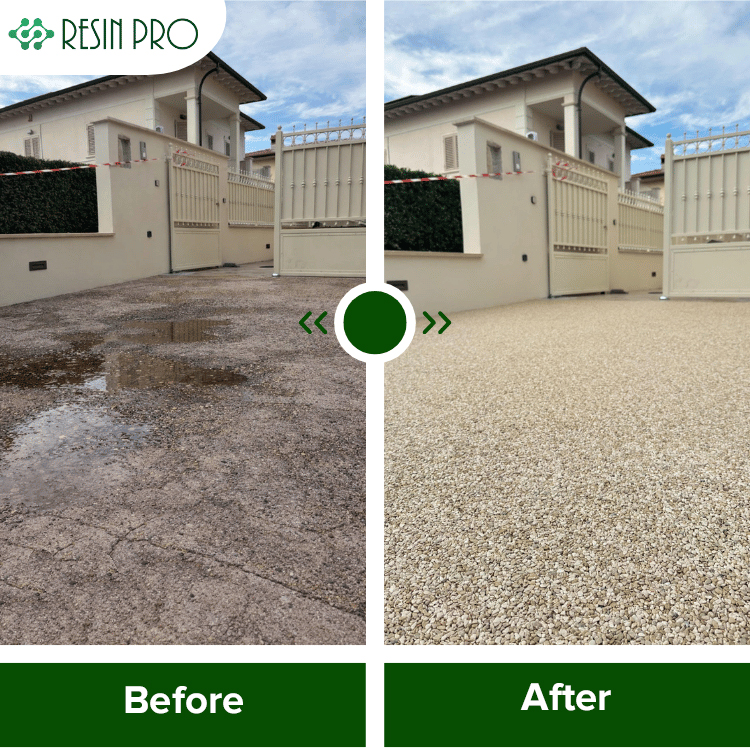
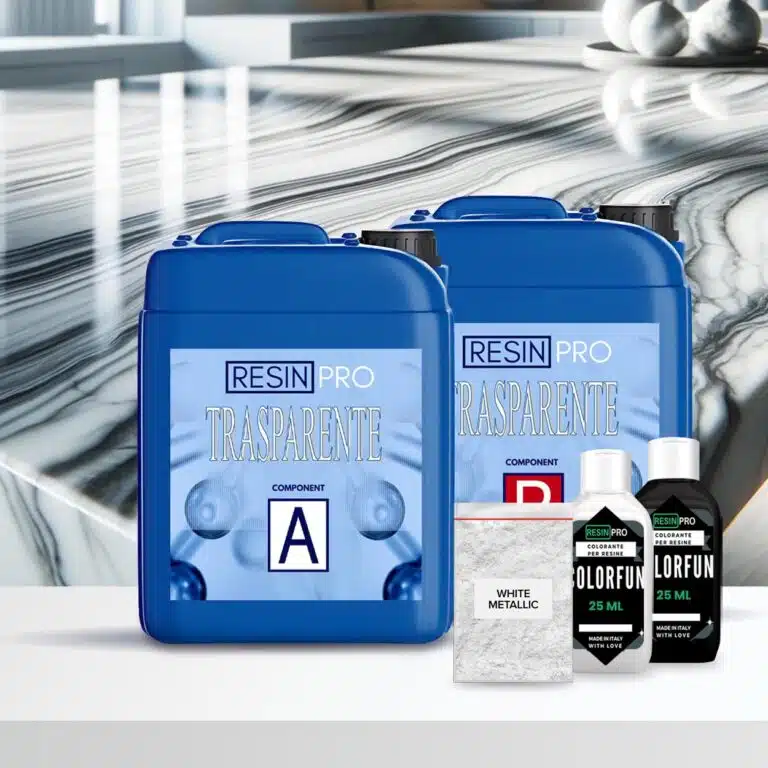
A well-specified pebble and resin surface is not simply decorative gravel. The binder keeps the stones in place while maintaining an open structure, so the floor handles foot or vehicle traffic without sealing the ground. Resin selection matters as much as the stone itself, particularly for long-term colour clarity and drainage performance.
How a pebble and resin floor drains
A pebble and resin surface is formed by mixing washed stone aggregates with a liquid binder. The resin coats each stone and bonds the contact points, while irregular gaps between stones remain open. This open structure allows rainwater to pass through into the sub-base, reducing puddles and surface run-off. The result is a firm, continuous-looking layer that still performs as a permeable surface.
A complete kit such as the Flowstone permeable floor kit includes resin guidance matched to the aggregate. The stone and resin are sometimes delivered separately, with full application instructions supplied.

Choosing the right resin for your aggregate
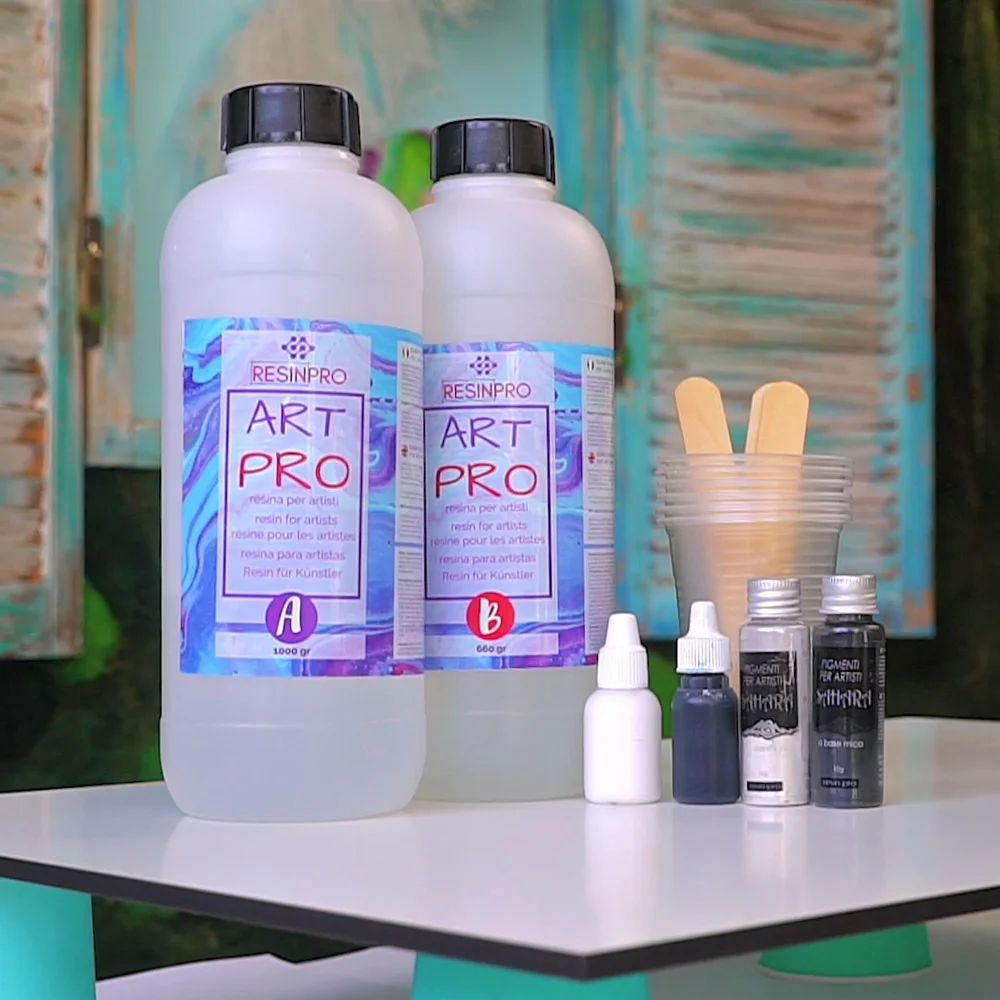
Resin choice directly affects how well the finished floor holds its colour. Light or white aggregates generally perform best with a non-yellowing polyurethane, while coloured and darker stones are better paired with a low-yellowing epoxy. Using an unsuitable combination can lead to visible colour change over time, especially in areas exposed to strong sunlight.
- White or pale aggregates: select a non-yellowing polyurethane binder. Epoxy is not recommended for white Carrara gravel.
- Coloured or dark aggregates: choose a transparent, low-yellowing epoxy formulated for coloured grits.
- Drainage performance: avoid excess resin, which can fill the gaps between stones and reduce permeability.
When this matters: installation and curing
Installation is designed to be straightforward, but mixing and curing still affect the final result. The stone and resin should be mixed thoroughly before laying so the binder coats the aggregate evenly. For larger areas, a cement mixer can make blending easier and more consistent.
Once laid, a transparent epoxy binder for coloured grits typically cures fully in about 24 hours and can often be walked on after approximately 10 hours. Keeping the surface free of traffic during the curing period helps prevent stone movement and maintains an even finished depth.
Related products
Related guides
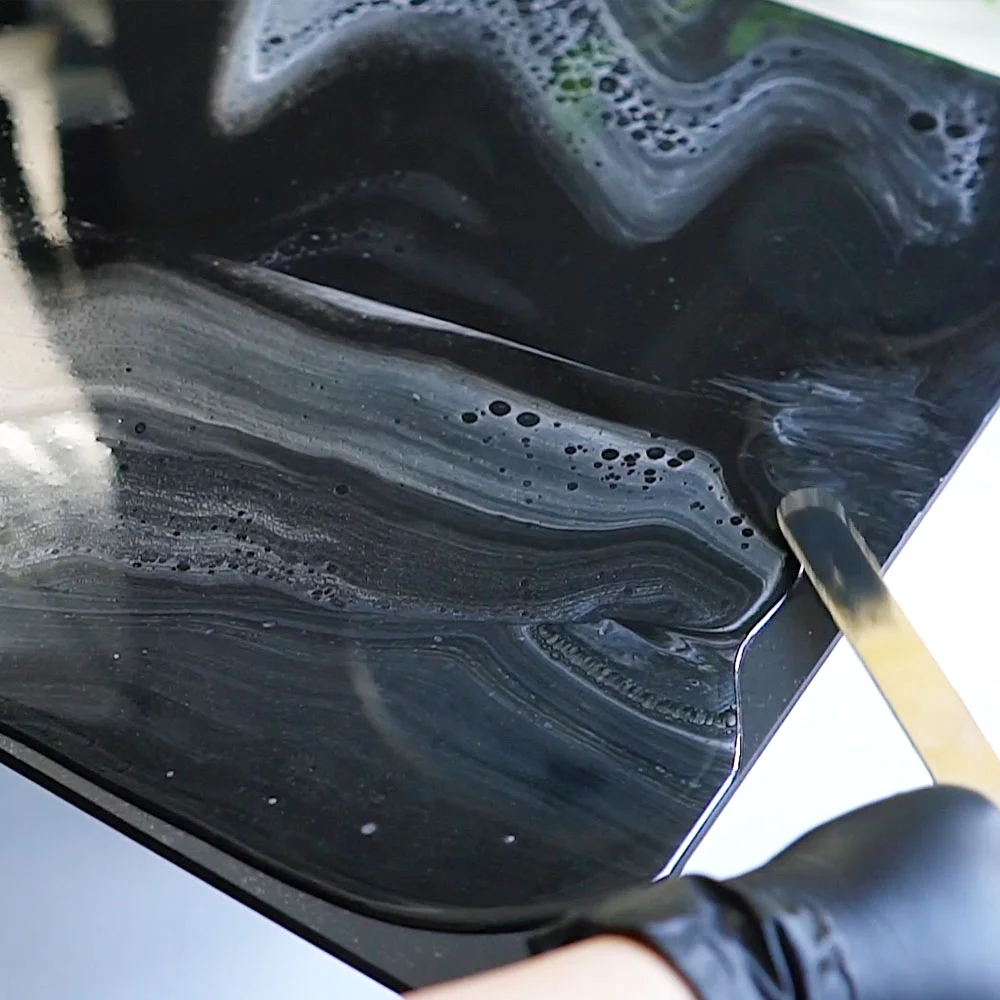
Pebble and resin systems share common ground with decorative 3D marble flooring: both use a clear resin to bind a stone-based finish into a durable, seamless surface. The difference lies in drainage and texture. A pebble finish prioritises natural aggregate character and water permeability, making it a practical alternative where outdoor water management matters as much as appearance.