 Free shipping on orders over £29,85
 Shipping Tracking!



 Google
 Facebook
Perfect for Composite Surfaces: Repair & Waterproofing
← Back to Waterproofing for microcracks in motorhomes
Quick answer
Composite surface repair usually involves a polyester or epoxy product that bonds to fibreglass, carbon fibre and rigid plastics. A fibreglass-reinforced putty fills cracks and dents before being sanded smooth, while a resin and mat kit adds structural waterproofing across damaged panels. Room-temperature-curing epoxy coatings formulated for carbon fibre and fibreglass can provide impact resistance and a glossy finish. Together these approaches help stop small composite cracks from spreading and becoming larger moisture problems.
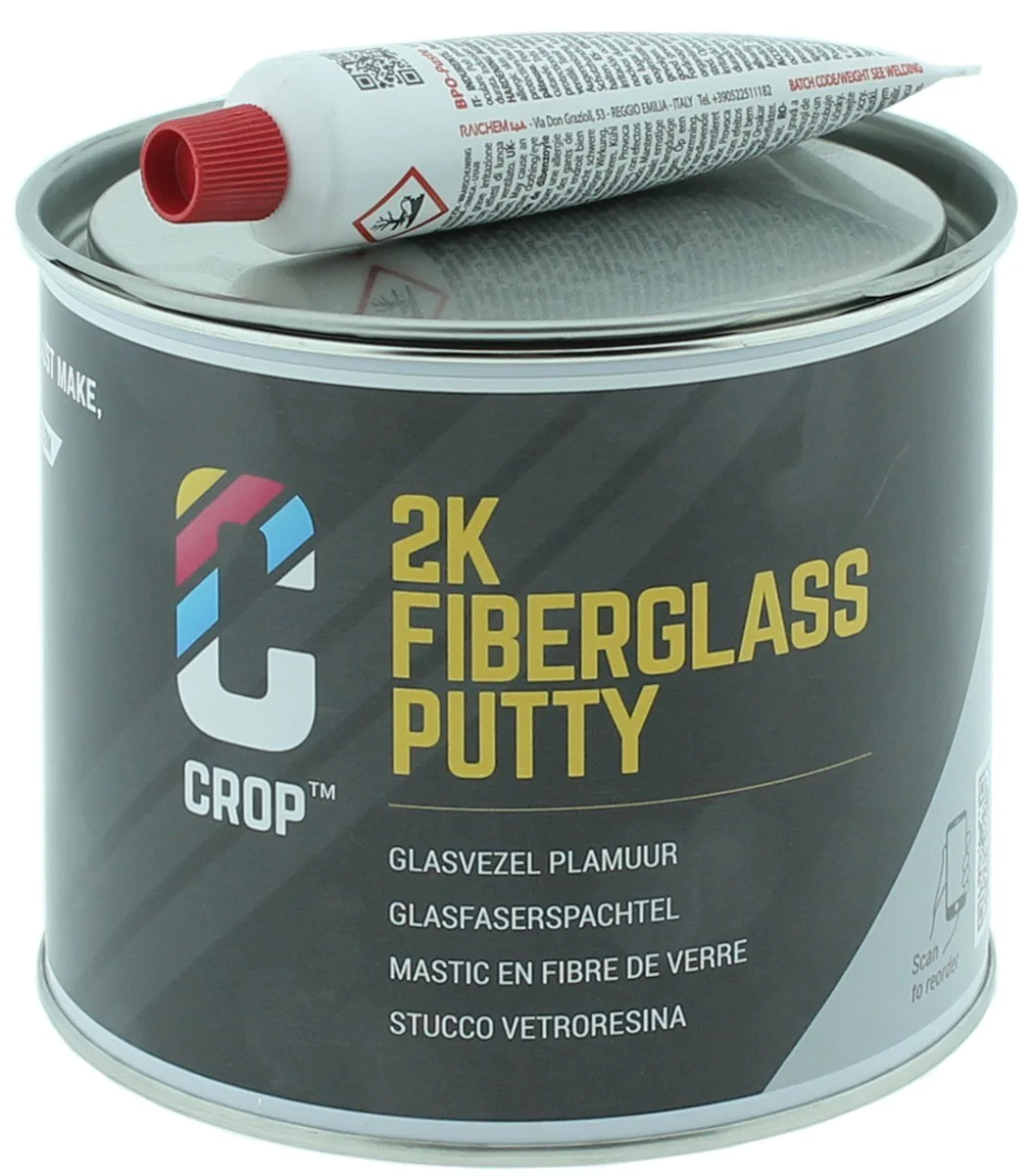
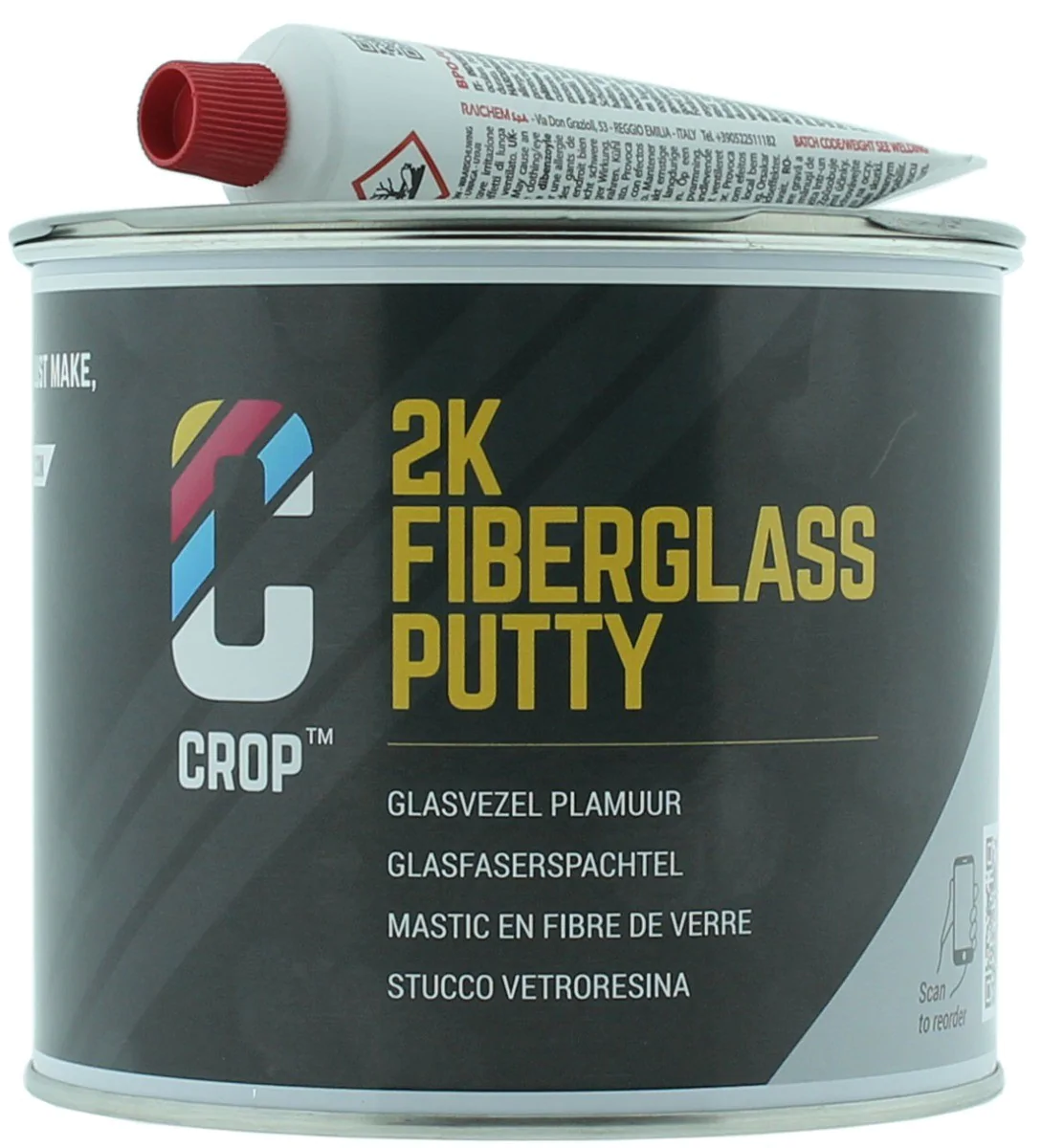
Motorhome panels often combine fibreglass and composite skins, so small cracks can let moisture reach the underlying structure. The right repair product should bond to the existing surface, fill the damaged area without slumping, and cure to a finish that can be sanded, primed and painted. Below are the product types that tend to work well for these jobs.
Which product suits composite surface damage?
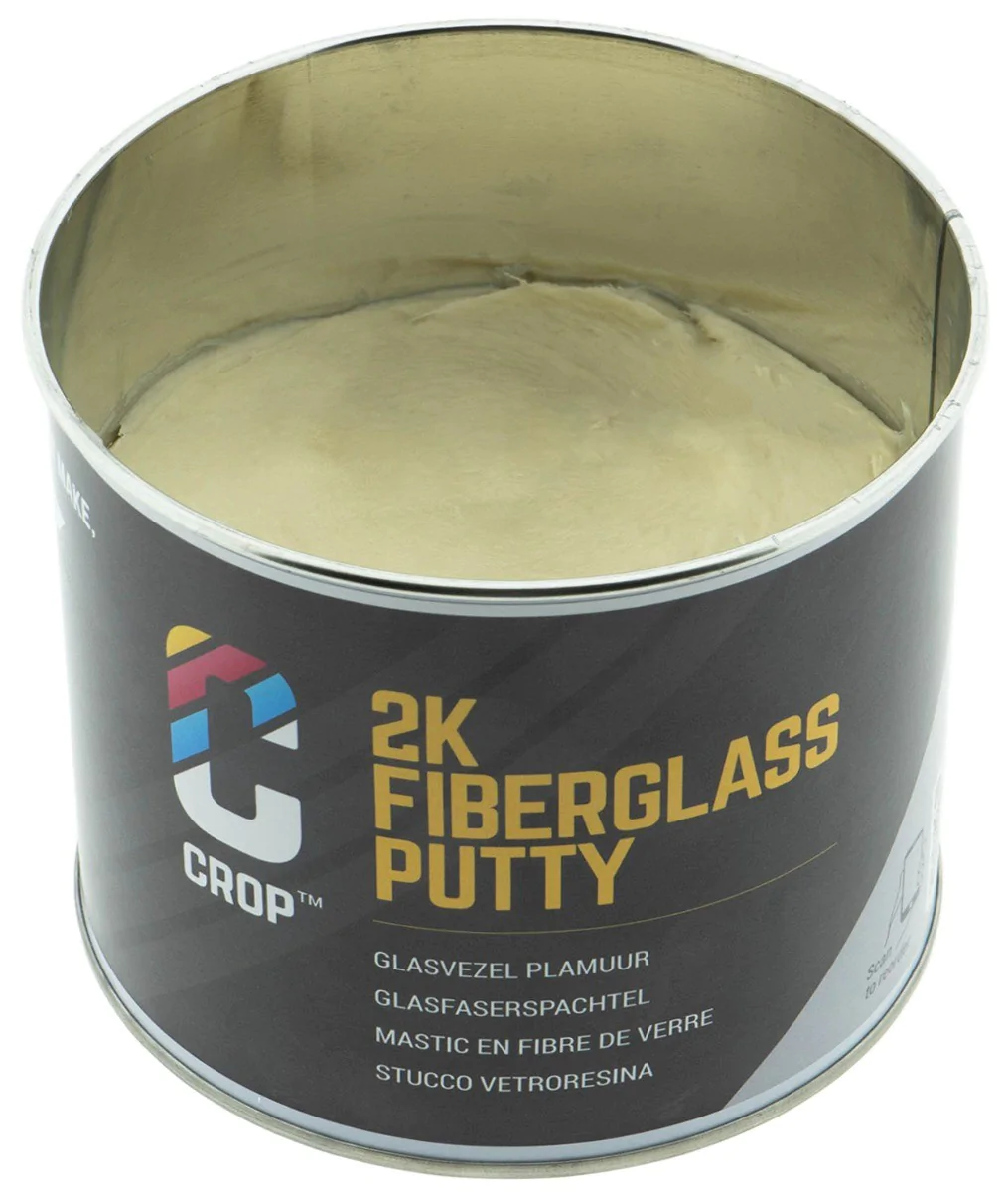
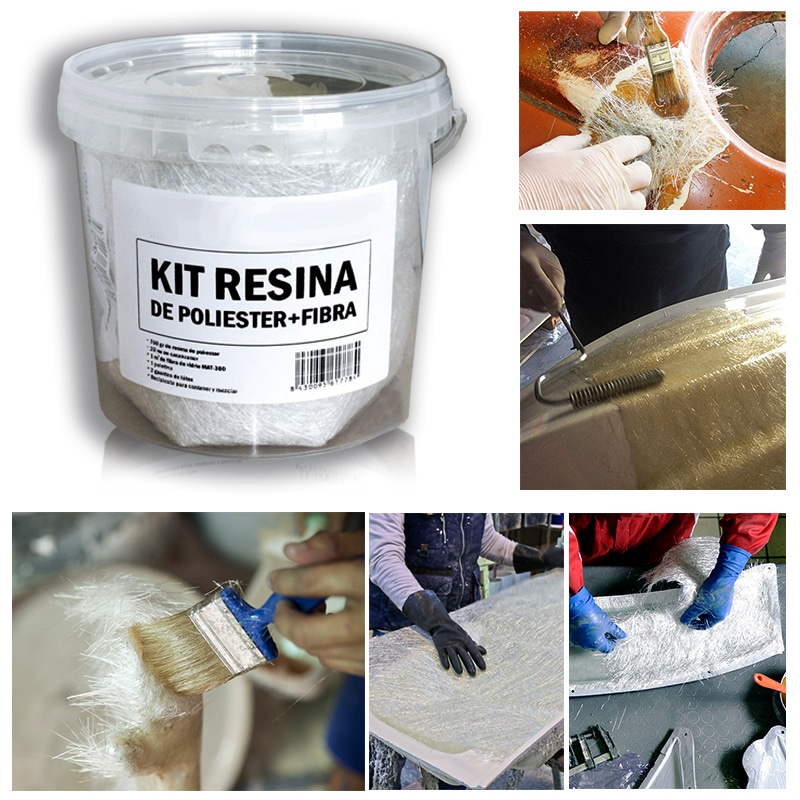
Composite panels in motorhomes are often made from fibreglass, carbon fibre or reinforced plastic. A fibreglass-reinforced polyester putty is a practical first choice for localised cracks, dents and small cavities because it fills uneven areas and cures to a sandable surface. For broader structural reinforcement, a polyester resin and fibreglass mat kit provides a waterproof bond across fibreglass, metal and rigid plastics.
When the repair is more about coating or laminating composite fabric, a room-temperature-curing epoxy resin formulated for carbon fibre and fibreglass can improve impact resistance while leaving a smooth, glossy finish.

Preparing composite surfaces before application
Clean the area thoroughly and remove any loose or flaking material. Composite surfaces should be dry and lightly sanded so the repair product can key into the existing panel. For larger cracks, a fibreglass mat can bridge the gap; for small microcracks, a putty or low-viscosity resin is usually easier to work into the damage.
- Degrease the surface and let it dry completely before mixing.
- Mix resin and hardener according to the product instructions, not by guesswork.
- Work in thin layers where possible to avoid trapped air and reduce sanding later.
When composite waterproofing matters most
Motorhome front panels, roof seams and wheel arch edges are common places where fine cracks appear. These areas face repeated vibration, temperature changes and rain exposure, so a small surface crack can become a moisture path if left untreated. A fibreglass-reinforced filler or waterproof resin kit helps restore a continuous surface before priming and painting.
Related products
Related guides
For motorhome owners dealing with hairline cracks in gelcoat or composite panels, choosing a fibreglass-reinforced filler, a resin and mat kit, or a room-temperature-curing epoxy can prevent small surface damage from developing into larger water ingress problems. See the full guide to waterproofing microcracks in motorhomes for step-by-step preparation advice.